Find the Best Land Clearing Contractors for Your Business
No obligation • Fast responses • Nationwide coverage

Why you can trust Landscape Atlas
Landscape Atlas is a leading United States resource for evaluating landscaping, lawn care, and outdoor service providers. Our team researches each category in depth, focusing on service quality, safety, and customer experience. Listings and rankings are based on independent criteria and user feedback, and companies cannot pay to influence our assessments or recommendations.
Search providers near you
Top Land Clearing Contractors in Framingham, Massachusetts Ranked
Land clearing is the essential first step in preparing a property for construction, landscaping, or restoration. In Framingham, this process involves the careful removal of trees, brush, stumps, and debris to create a clean, usable parcel of land. Given the town's specific environmental regulations and proximity to wetlands, proper planning and permitting are crucial. This guide will help you understand the local process, methods, and considerations for lot clearing and site preparation, connecting you with the knowledge needed to find qualified local professionals for your project.
Kelley Tree Service
100 Ashburton Ave, Woburn, MA 01801
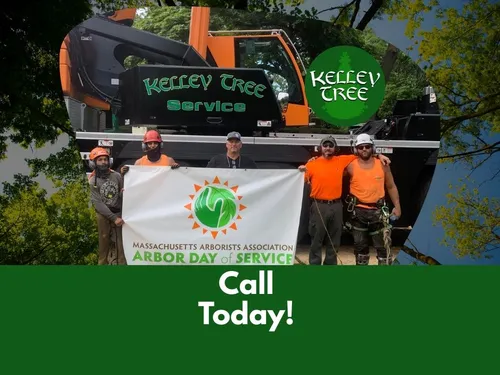
Kelley Tree Service is a locally owned and Veteran-Owned Small Business based in Boston, MA, providing a full range of tree care and land clearing services. Since 2011, they have offered tree removal, trimming, pruning, stump grinding, and lot clearing to residential and commercial clients. The company is fully licensed, insured, and a member of several professional arborist associations. They specialize in safe tree removal using cranes or ropes and pulley systems, as well as efficient stump grinding to prepare sites for landscaping or construction. Kelley Tree Service also offers 24/7 emergency storm damage cleanup and snow removal services to handle severe weather conditions.
Keith's Tree Service
465 Water St, Wakefield, MA 01880
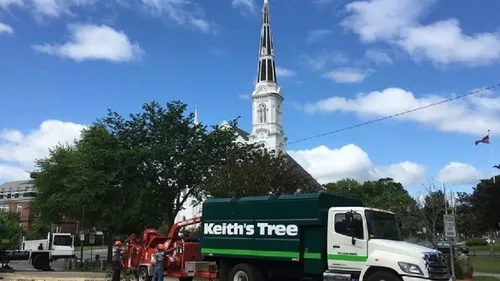
Keith's Tree Service is a licensed and insured tree care company based near Boston, MA, specializing in tree removal, stump grinding, pruning, and land clearing. They serve Wakefield and the surrounding Eastern Massachusetts area, handling large, dangerous, and hard-to-reach trees. With over 20 years in the industry, their certified arborist brings extensive experience in arboriculture to provide confident recommendations. The company also offers emergency tree services and operates year-round.

Dependable Tree Service
837 Randolph St, Abington, MA 02351
Dependable Tree Service is a family-owned business with over 15 years of experience, serving Boston, MA, and surrounding areas. They specialize in tree removal, pruning, stump grinding, lot clearing, and brush removal. The company uses equipment such as bucket trucks, cranes, and climbers to safely remove trees, including those in delicate or hard-to-reach locations. Dependable Tree Service is fully licensed and insured, offering written proposals and free estimates to clients.
Mendez Tree Services Inc
Boston, MA
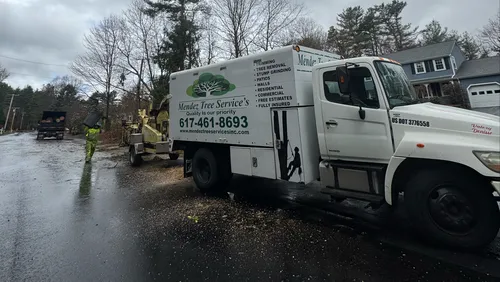
Mendez Tree Services Inc is a landscaping and tree service company based in Boston, MA. They offer a range of services including tree removal, stump grinding, land clearing, brush removal, and general landscaping. With over eight years of experience, the team provides skilled landscaping and tree care services, focusing on delivering professionally finished results from start to finish.
EP Landscape Demo & Services LLC - Boston
Boston, MA
EP Landscape Demo & Services LLC - Boston is a landscaping company serving Boston, MA, and surrounding communities. They offer a wide range of services including lawn mowing, fertilization, weed control, landscape design, tree and stump removal, yard drainage, grading, land clearing, and brush removal. Their expertise covers residential, commercial, and industrial landscaping needs, with capabilities such as large-scale land clearing, site preparation, and storm damage cleanup. The company understands Boston's unique climate and terrain, adapting their services to local conditions including coastal weather and seasonal changes. They provide ongoing maintenance and specialized services like bi-weekly weeding and mulch installation to support healthy landscapes throughout the year.
Understanding Land Clearing and Site Preparation
Land clearing, often referred to as lot clearing or site clearing, is far more than simply removing trees. It's a systematic process that transforms overgrown or wooded land into a blank canvas ready for development. In Framingham, this is typically the preliminary phase for building a new home, installing a pool, creating agricultural space, or managing overgrown property for safety and aesthetics. The goal is to achieve a level, debris-free area while complying with all local ordinances and minimizing environmental impact.
The complexity of a clearing project can vary dramatically. A small quarter-acre backyard cleanup for a new garden is vastly different from preparing several acres for a subdivision. Each requires a tailored approach, specific equipment, and a clear understanding of the end goal. Professional site preparation ensures proper drainage, soil stability, and a solid foundation for whatever comes next, whether it's laying sod or pouring a concrete slab.
The Step-by-Step Process in Framingham
A successful land clearing operation follows a logical sequence. Skipping steps or failing to plan for local regulations can lead to costly delays, fines, or environmental damage.
1. Initial Site Assessment and Planning
Every project begins with a thorough evaluation. A professional will visit your property to assess the terrain, slope, soil type, density of vegetation, and the presence of any obstacles like large rocks, old structures, or utility lines. This assessment determines the scope of work, the necessary equipment, and helps identify any potential challenges, such as protected tree species or wetland boundaries. This is also the stage where the final purpose of the land is confirmed, as clearing for a driveway has different requirements than clearing for a pasture.
2. Securing Necessary Permits
This is a critical and non-negotiable step in Framingham. The town's Planning and Conservation departments have strict bylaws governing vegetation removal, especially near wetlands, flood plains, and conservation land. For any significant clearing project, you will likely need a permit. A reputable land clearing service will often handle or guide you through the permitting process, ensuring your project complies with local environmental protection laws. Failure to obtain proper permits can result in stop-work orders and significant penalties.
3. Vegetation Removal and Tree Clearing
This is the most visible phase. The method depends on the vegetation:
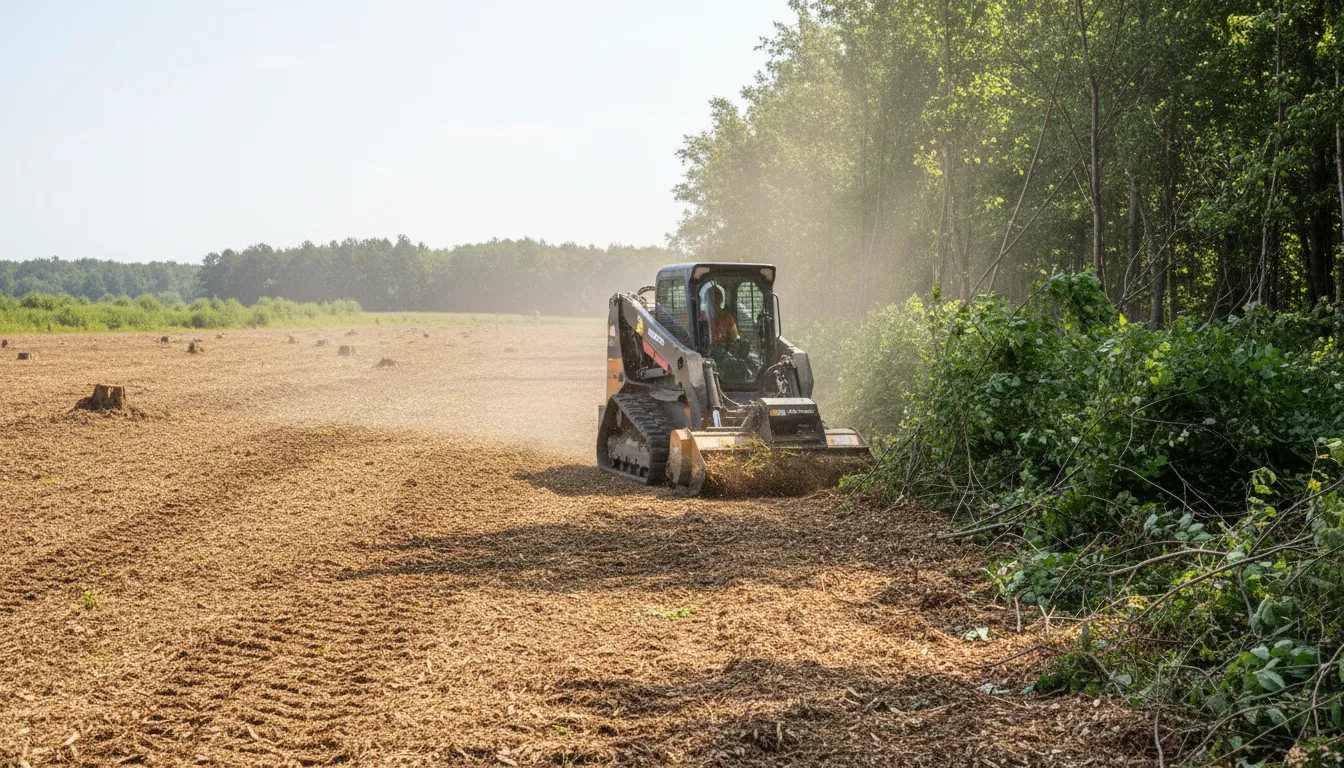
- Brush and Undergrowth: For dense brush, forestry mulchers are highly efficient. These powerful machines grind trees and brush into nutrient-rich wood chips on-site, which can be used as ground cover or removed.
- Trees: Larger trees are typically felled using chainsaws and then processed. Trees may be cut into logs for removal or, if conditions allow, fed into a mulcher. Tree clearing services must carefully manage the direction of falls to protect existing structures or desired trees1.
- General Debris: Excavators and skid-steer loaders are used to push, gather, and pile vegetation for processing or hauling.
4. Stump and Root Removal (Grubbing)
After trees are felled, stumps and root systems remain. For a truly clear and level site, these must be addressed.
- Stump Grinding: This method uses a machine to grind the stump and major surface roots into small wood chips. It's faster and less invasive than full removal but leaves the root system to decay underground.
- Stump and Root Removal (Grubbing): Using an excavator, the entire stump and root ball are dug out of the ground. This is more thorough and prepares the soil for immediate grading or construction, but it's also more expensive and leaves a large hole to be filled 2.
5. Final Grading and Site Preparation
Once all organic material is removed, the final shaping of the land begins. Grading involves using heavy equipment to level the soil, create desired slopes for drainage, and fill in any holes from grubbing. This stage ensures water flows away from future construction sites and prevents pooling. The result is a stable, prepared lot ready for the next phase of your project3.
Find the perfect land clearing contractors for your needs
Get personalized recommendations and expert advice
Disposal and Recycling of Debris
What happens to all the removed trees, brush, and stumps? In Framingham, you have several responsible options:
- On-Site Mulching: As mentioned, forestry mulchers process debris into mulch on the property. This material can be spread to control erosion, used in landscaping beds, or sometimes left to decompose naturally, enriching the soil. This is often the most cost-effective and eco-friendly method as it eliminates hauling costs 4.
- Municipal Yard Waste: The City of Framingham offers curbside brush collection under specific guidelines (branches must be tied in bundles less than 4 feet long and 4 inches in diameter). For larger volumes, you may need to transport debris to a designated yard waste center. Hauling services typically handle this transportation.
- Professional Hauling and Disposal: Most land clearing companies include hauling in their service. They will transport the debris to appropriate recycling centers, composting facilities, or landfills. Disposal fees are usually factored into the project quote5.
Cost Considerations for Land Clearing in Framingham
Costs can vary widely based on the acreage, vegetation density, terrain, and disposal methods. It's important to get detailed, written estimates from several providers.
- Per-Acre Pricing: For larger parcels, pricing is often quoted per acre. In the Framingham area, clearing light brush may start around $1,200 per acre, while clearing dense forest with large trees can exceed $6,000 per acre6.
- Hourly Rates: For smaller or more complex jobs, companies may charge hourly rates for labor and equipment. Labor rates can range from $40 to $180 per hour, while excavation equipment might cost $50 to $200 per cubic yard of material moved7.
- Small Job Estimates: A standard quarter-acre residential lot cleanup might range from $200 to $1,500, depending on the workload. Clearing a full acre could cost between $850 and $6,000+8.
- What Influences Price: Key factors include the slope of the land (steep hills are harder), accessibility for large equipment, the presence of rocks or boulders, permit fees, and the chosen disposal method. On-site mulching is generally less expensive than hauling everything away.
Local Regulations and Environmental Best Practices
Framingham residents must be particularly mindful of local rules designed to protect the environment.
- Wetlands Protection: Massachusetts has strict laws governing work near wetlands. The Framingham Conservation Commission must review any project within 100 feet of a wetland (river, stream, pond, or marsh). Unauthorized clearing in these buffer zones can lead to severe penalties and required restoration9.
- Tree Preservation: While not a "tree city," Framingham has guidelines for protecting public trees and may have bylaws regarding significant tree removal on private property, especially if it impacts neighborhood aesthetics or erosion control10.
- Working with Professionals: Hiring a company experienced with Framingham's bylaws is invaluable. They can help navigate the permit process, identify wetland flags, and employ techniques that minimize soil erosion and disturbance to the surrounding ecosystem11. Consulting with a certified arborist for tree health and removal advice is also a smart practice for any project involving mature trees12.
Frequently asked questions
Sources
Footnotes
-
Land Clearing Services in Massachusetts | Walnut Tree Service - https://www.walnuttreeservice.com/land-clearing/ ↩
-
Land Clearing Services: Top 5 Brilliant Choices 2025 - https://aatreeservicema.com/land-clearing-services/ ↩
-
Land Clearing - Millennial Landscape & Construction - https://millenniallandscaping.com/land-clearing/ ↩
-
Curbside Leaf and Brush Collection - FraminghamMa.gov - https://www.framinghamma.gov/3132/Curbside-Leaf-and-Brush-Collection ↩
-
Yard Debris Removal Framingham, MA | Pickup & Disposal Services - https://goloadup.com/framingham-ma/yard-debris-removal/ ↩
-
Land Clearing Company Near Me: Best 5 Trusted Experts 2025 - https://aatreeservicema.com/land-clearing-company-near-me/ ↩
-
How Much Does It Cost to Clear Land in 2025? - Daniel Dean - https://www.danieldean.com/how-much-does-it-cost-to-clear-land/ ↩
-
Lawn Clean Up Prices: Best 2025 Guide - MAS Landscaping - https://maslandscaping.com/ultimate-lawn-clean-up-prices-guide/ ↩
-
Land clearing for development: Top 5 Safe Methods 2025 - https://aatreeservicema.com/land-clearing-for-development/ ↩
-
Tree Pruning Program | City of Framingham, MA Official Website - https://www.framinghamma.gov/3972/Tree-Pruning-Program ↩
-
Land Clearing Techniques for Massachusetts Properties - https://www.groundscapesinc.com/land-clearing-techniques-for-massachusetts-properties-a-comprehensive-guide ↩
-
Tree Clearing Services: 7 Powerful Benefits in 2025 - https://aatreeservicema.com/tree-clearing-services/ ↩