Find the Best Land Clearing Contractors for Your Business
No obligation • Fast responses • Nationwide coverage

Why you can trust Landscape Atlas
Landscape Atlas is a leading United States resource for evaluating landscaping, lawn care, and outdoor service providers. Our team researches each category in depth, focusing on service quality, safety, and customer experience. Listings and rankings are based on independent criteria and user feedback, and companies cannot pay to influence our assessments or recommendations.
Search providers near you
Top Land Clearing Contractors in Elizabeth, New Jersey Ranked
Land clearing is the essential first step in transforming an overgrown or wooded property into a usable space for construction, landscaping, or agricultural use. In Elizabeth, this process involves the systematic removal of trees, brush, stumps, and other vegetation to prepare a site for its next purpose. Understanding the methods, costs, and local regulations is crucial for a successful project. This guide will help you navigate the process of finding qualified local professionals for your site preparation needs.
Scenic View Landscaping & Design Specialist
213 Broad St, Keyport, NJ 07735
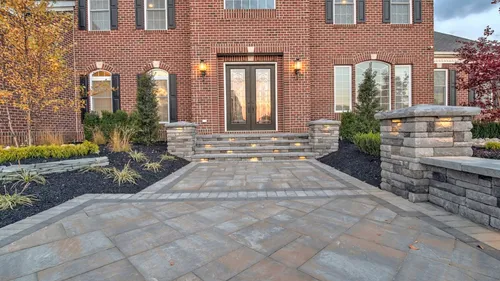
Scenic View Landscaping & Design Specialist is a landscaping and hardscaping company based near New York, NY, offering a wide range of services including sod installation, artificial turf, landscape lighting, yard drainage, tree services, and hardscaping features like pavers and retaining walls. They provide landscape design and commercial maintenance, with capabilities such as grading and drainage solutions. The company has received multiple service awards and maintains a strong reputation for detailed and attentive work. Scenic View Landscaping & Design Specialist serves the New York, NY area and surrounding communities.
Top Notch Tree & Excavating LLC
83 Grant St #2, Ramsey, NJ 07446
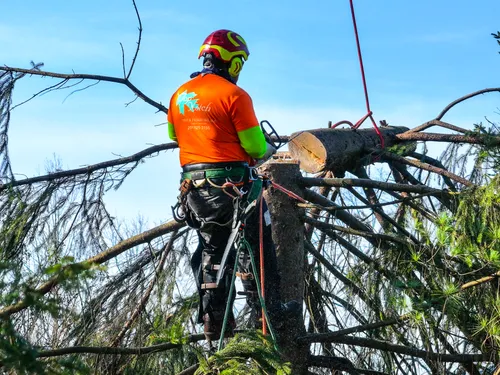
Top Notch Tree & Excavating LLC is a family-owned business serving New York, NY, and northern New Jersey with over 20 years of experience. They provide a wide range of services including tree removal, stump grinding, land clearing, excavation, grading, and storm damage response. The company owns and operates its own equipment, allowing for efficient and timely project completion. Their team is certified and trained in safety practices, handling projects from small tree trimming to large-scale site preparation.
Power Tree Removal LLC
1229 71st St, Brooklyn, NY 11228
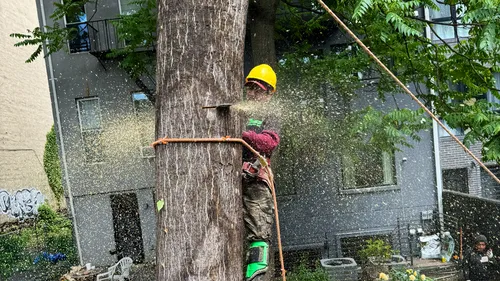
Power Tree Removal LLC provides comprehensive tree services in New York, NY, including tree removal, pruning, trimming, stump grinding, and land clearing. They serve multiple boroughs such as Brooklyn, Queens, Manhattan, Bronx, and Staten Island. The company employs certified arborists and uses modern equipment to ensure safe and efficient tree care, including emergency tree removal available 24/7. Power Tree Removal also focuses on environmentally responsible practices by recycling and repurposing wood and debris collected during their work.
J&L Budget Tree Service, LLC
1450 McCrea Pl, Plainfield, NJ 07062
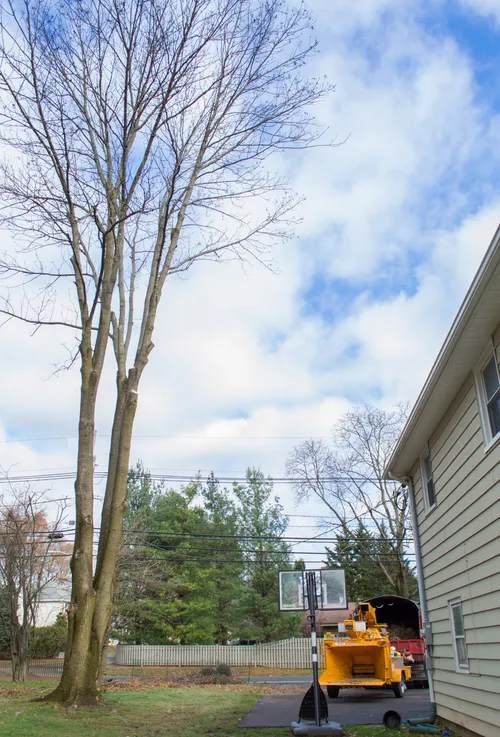
J&L Budget Tree Service, LLC is a certified tree removal and land clearing contractor based near New York, NY. They provide residential and commercial tree cutting, removal, stump grinding, and brush clearing services throughout New Jersey. The company offers 24/7 emergency tree removal for urgent situations. Their team is experienced in handling complex jobs while maintaining careful cleanup and site restoration.
Alpine Tree Service
161 Washington St, Morristown, NJ 07960
Alpine Tree Service is a family-owned business offering tree removal, stump grinding, land clearing, and brush removal services in New York, NY. They provide comprehensive tree care including pruning, storm damage cleanup, tree health management, and safety services such as risk assessments and cabling. The company is licensed in New Jersey and employs certified arborists, serving Northern and Central New Jersey counties with expertise in both residential and commercial projects. Their capabilities include land clearing and thorough stump removal to maintain healthy and safe properties.
Understanding Land Clearing and Site Preparation
Land clearing, often referred to as site clearing or brush clearing, is far more than just cutting down trees. It's a comprehensive process that readies a parcel of land for development. In Elizabeth, this could mean preparing a residential lot for a new home, clearing an area for a commercial building, or opening up space for a new garden or lawn. The goal is to create a clean, level, and stable base for whatever comes next, whether it's laying a foundation, installing irrigation, or seeding grass. Proper clearing also mitigates future issues like pest infestations or uncontrolled regrowth.
Key Steps in the Elizabeth Land Clearing Process
A successful clearing project follows a logical sequence. Skipping steps or cutting corners can lead to increased costs, project delays, or problems with local authorities.
1. Initial Planning and Permit Acquisition
Before any machinery arrives, careful planning is required. A professional will assess the site to mark trees or areas to preserve and identify potential challenges like slopes or wetlands. Critically, you may need permits. In New Jersey, tree removal permits are often required for trees over a certain diameter (typically 8 inches DBH or more) or for specific species like tall evergreens. Checking with Elizabeth's building department is a vital first step to avoid fines.
2. Vegetation Removal Methods
This is the core of the operation, and the method chosen depends on the vegetation type, terrain, and your plans for the cleared land.
- Mechanical Clearing: For large-scale projects, heavy equipment like bulldozers, excavators, and brush mowers efficiently clear dense brush and small trees.
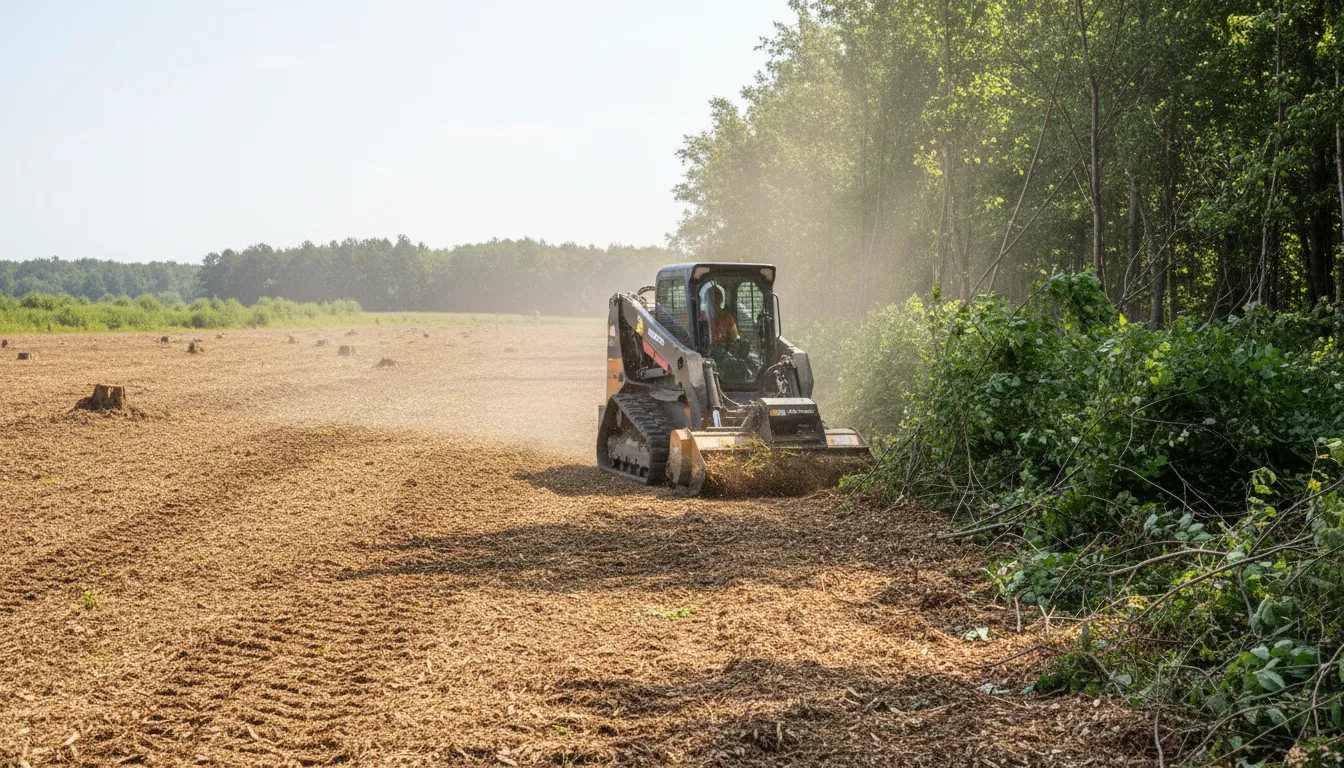
- Mulching (Forestry Mulching): An increasingly popular, eco-friendly method where a specialized machine grinds trees and brush into nutrient-rich mulch on the spot. This material can be left on-site to control erosion and improve soil 1.
- Manual Clearing: For smaller, more delicate areas or where precision is needed near structures or desirable plants, chainsaws and hand tools are used.
3. Stump and Root Removal
After trees are felled, stumps and roots remain. These are typically addressed through:
- Stump Grinding: A grinder chews the stump into small wood chips, leaving the roots to decay naturally underground. This is faster and less disruptive.
- Stump Removal (Grubbing): Using an excavator or dozer with a root rake, the entire stump and root ball are dug out. This is more thorough and necessary if you plan to grade or build directly over the spot.
4. Debris Management and Hauling
What happens to all the removed material? Disposal is a major component of the project cost and planning.
- Chipping/On-Site Mulching: As mentioned, mulching machines process debris where it stands. Logs can also be chipped into mulch, which may be stockpiled for later landscaping use 2 3.
- Haul Away: Debris is loaded into dump trucks and transported to a local landfill, recycling center, or disposal site. This service incurs separate hauling and tipping fees.
- On-Site Burning: Rarely used in populated areas like Elizabeth due to strict air quality and fire safety regulations, and generally not recommended by professionals.
5. Final Grading and Site Preparation
The final step is to shape the land. Using graders and compactors, the contractor will level the soil, create proper drainage slopes, and ensure the subsoil is stable. This grading is what truly prepares the site for construction, paving, or landscaping 4.
Find the perfect land clearing contractors for your needs
Get personalized recommendations and expert advice
Cost Factors for Land Clearing in Elizabeth
The cost to clear land is highly variable and depends on several key factors. While averages provide a benchmark, getting free estimates from local Elizabeth services is the only way to get an accurate price for your specific property.
- Vegetation Density and Type: This is the biggest cost driver. Clearing a lightly brushed lot is far less expensive than clearing a densely forested one.
- Medium Brush: $2,500 - $4,000 per acre.
- Heavy Forest: $6,000 - $12,000+ per acre.
- General Per-Acre Range: $3,000 - $10,000+ 5.
- Debris Disposal: Removing debris off-site typically adds $200 to $1,000 or more to the total project cost, depending on volume and distance to the disposal facility 6 7.
- Stump Removal: Grinding or removing stumps is usually quoted separately and adds to the overall cost.
- Terrain and Accessibility: Steep slopes, rocky soil, or poor access for heavy equipment can increase the time and complexity of the job, raising the price.
- Project Size: Larger projects often have a lower cost per acre due to efficiencies of scale.
Choosing the Right Equipment for the Job
Professional land clearing companies in Elizabeth utilize a fleet of equipment tailored to the task. Common machines include:
- Bulldozers: For pushing over trees, moving large piles of debris, and initial grading.
- Excavators: Versatile machines used for digging out stumps (grubbing), lifting logs, and precise digging.
- Skid-Steers with Mulcher Attachments: Ideal for forestry mulching and clearing dense brush on smaller or medium-sized plots.
- Chippers and Grinders: For processing branches and stumps into manageable mulch or chips.
- Dump Trucks: Essential for hauling away debris from the site 8.
Environmental Considerations and Best Practices
Responsible land clearing balances project goals with environmental stewardship. Reputable contractors in Elizabeth will:
- Check for Permits: Ensure all local and state regulations are followed, especially regarding protected trees or wetlands.
- Minimize Soil Erosion: Use techniques like leaving mulch on-site or installing silt fences to prevent topsoil loss during and after clearing.
- Plan for Reuse: Whenever possible, they will suggest ways to reuse cleared materials, such as creating habitat piles with logs or using chipped wood for erosion control pathways.
- Preserve Where Possible: A good plan identifies and protects healthy, desirable trees and vegetation that can enhance the final project.
Frequently asked questions
Sources
Footnotes
-
Top 5 Methods of Land Clearing | Which Is Right for You? - Valor - https://www.valorenv.com/top-5-methods-of-land-clearing-which-is-right-for-you/ ↩
-
Land Clearing - Expert Tree Service - https://experttreeservicenj.com/services/land-clearing/ ↩
-
Land Clearing - MAG Engineering - https://magcompanies.net/services/land-clearing/ ↩
-
The Ultimate Guide to Land Clearing | DC Hauling Makes It Easy - https://www.dcmakesiteasy.com/the-ultimate-guide-to-land-clearing/ ↩
-
Best Land Clearing Services in New Jersey - https://bunkerhilltree.com/land-clearing-new-jersey/ ↩
-
Cost To Clear Land in South Jersey - Earthmovers NJ - https://earthmoversnj.com/cost-to-clear-land-in-nj/ ↩
-
How Much Does It Cost to Clear Land in 2025? - Daniel Dean - https://www.danieldean.com/how-much-does-it-cost-to-clear-land/ ↩
-
Best Equipment for Efficient Land and Brush Clearing - DOZR - https://dozr.com/blog/best-equipment-for-efficient-land-and-brush-clearing ↩