Find the Best Land Clearing Contractors for Your Business
No obligation • Fast responses • Nationwide coverage

Why you can trust Landscape Atlas
Landscape Atlas is a leading United States resource for evaluating landscaping, lawn care, and outdoor service providers. Our team researches each category in depth, focusing on service quality, safety, and customer experience. Listings and rankings are based on independent criteria and user feedback, and companies cannot pay to influence our assessments or recommendations.
Search providers near you
Top Land Clearing Contractors in Suffolk, Virginia Ranked
Preparing a piece of land for a new purpose is a significant first step for any property project in Suffolk. Land clearing, the process of removing trees, brush, and other obstacles from a site, is essential for construction, agricultural use, or simply reclaiming an overgrown yard. The right approach ensures a safe, stable, and usable space while complying with local regulations. This guide will help you understand the methods, costs, and key considerations for site preparation in Suffolk, empowering you to make informed decisions when connecting with experienced local professionals.
Aubrey's Tree Service & Landscaping
630 Carter Rd, Chesapeake, VA 23322
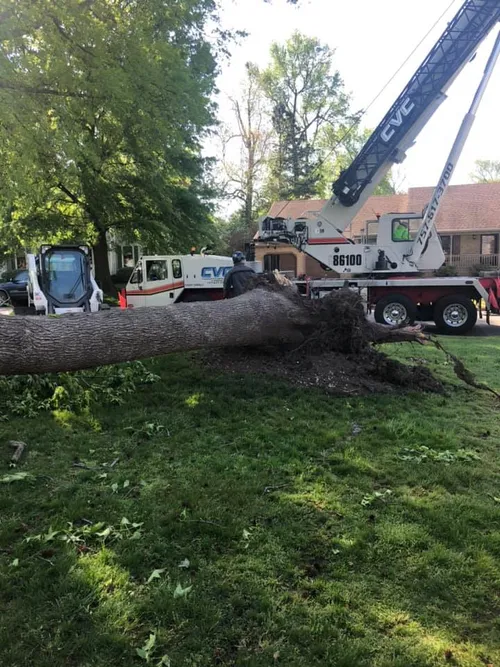
Aubrey's Tree Service & Landscaping is a family-owned business serving Chesapeake, VA, and the Hampton Roads area for over 25 years. They offer a wide range of services including tree removal, stump grinding, landscape design and installation, hardscaping, sod installation, irrigation, drainage system installation, and lot clearing. Their team is certified by OSHA and ISA and provides 24/7 emergency tree services to address urgent needs promptly. With extensive experience and comprehensive capabilities, they handle projects from concept to completion, including commercial and residential properties.
Kono Tree Care
Virginia Beach, VA
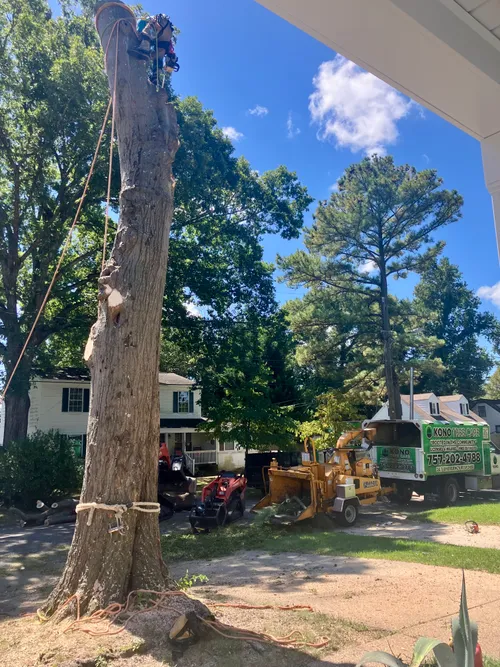
Kono Tree Care is a licensed and insured tree service company based in Virginia Beach, VA, serving the Hampton Roads area. They offer a range of services including tree removal, trimming, stump grinding, and land clearing for both residential and commercial properties. With over 30 years of combined experience, the team handles projects of all sizes, focusing on safety and maintaining the natural beauty of the landscape. Kono Tree Care also provides 24/7 emergency tree services to address urgent needs caused by storms or other hazards.

Impact Landscaping
5041 Jakeman St, Virginia Beach, VA 23455
Impact Landscaping is a landscaping company based in Virginia Beach, VA, offering a wide range of outdoor services including sod and artificial turf installation, fence and hardscape construction, landscape lighting, tree and yard maintenance, sprinkler system installation, and land clearing. They specialize in custom garden design, concrete and paver work, and drainage solutions using industry-leading products. The team also provides property rehabilitation and real estate rescue services to restore and enhance outdoor spaces. Impact Landscaping partners with local experts for irrigation and custom deck and fence installations to deliver comprehensive outdoor improvements. Their skilled crew focuses on quality craftsmanship and personalized service, working on projects throughout Virginia Beach and nearby areas. Phone support is available 24/7, and they operate on-site daily from dawn to dusk.
Tree Stump Removal and Excavation
1160 W Ocean View Ave APT B, Norfolk, VA 23503
Tree Stump Removal and Excavation is a Virginia Beach, VA-based company offering professional tree stump removal, stump grinding, tree removal, land clearing, brush removal, excavation, and yard drainage services. Serving the Hampton Roads area, they use commercial-grade equipment to efficiently grind stumps 6 to 12 inches below ground or remove entire stumps and roots, suitable for construction sites and landscaping. With over 14 years of experience, they provide same-day service and 24/7 emergency storm damage cleanup throughout the region.
Tk’s Landscaping
1446 Dam Neck Rd, Virginia Beach, VA 23452
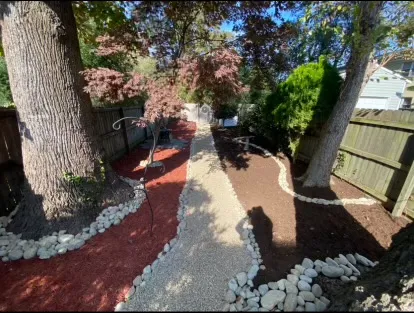
Tk's Landscaping is a landscaping and lawn care company based in Virginia Beach, VA. They offer a range of services including lawn fertilization, weed control, sod installation, artificial turf, landscape design, tree removal, stump grinding, land clearing, brush removal, and mulch installation. Their work covers both new lawn establishment and ongoing yard maintenance, with a focus on improving curb appeal and soil health through quality mulch and plant care. The company is known for attentive project planning and thorough cleanup, with a reputation for accommodating customer needs efficiently.
Understanding the Land Clearing Process
Effective site preparation is more than just removing trees; it's a systematic operation tailored to your property's specific conditions and your ultimate goal. The process typically begins with a crucial first step that sets the stage for everything that follows.
Initial Site Assessment and Planning
Every successful land clearing project starts with a thorough evaluation. A professional will visit your Suffolk property to assess the terrain, soil type, density and type of vegetation, and any potential environmental considerations like wetlands or protected species. Most importantly, they will discuss your end goal-whether it's preparing a foundation for a new home, creating pastureland, or clearing for commercial development. This assessment determines the necessary equipment, labor, and methods, forming the basis for an accurate plan and quote. It's also the stage where permitting needs are identified; securing local permits is a vital step in Suffolk and surrounding areas.
Vegetation Removal Techniques
The core of the clearing work involves removing unwanted plant life. The chosen method depends on the vegetation size, density, and what you plan to do with the cleared material.
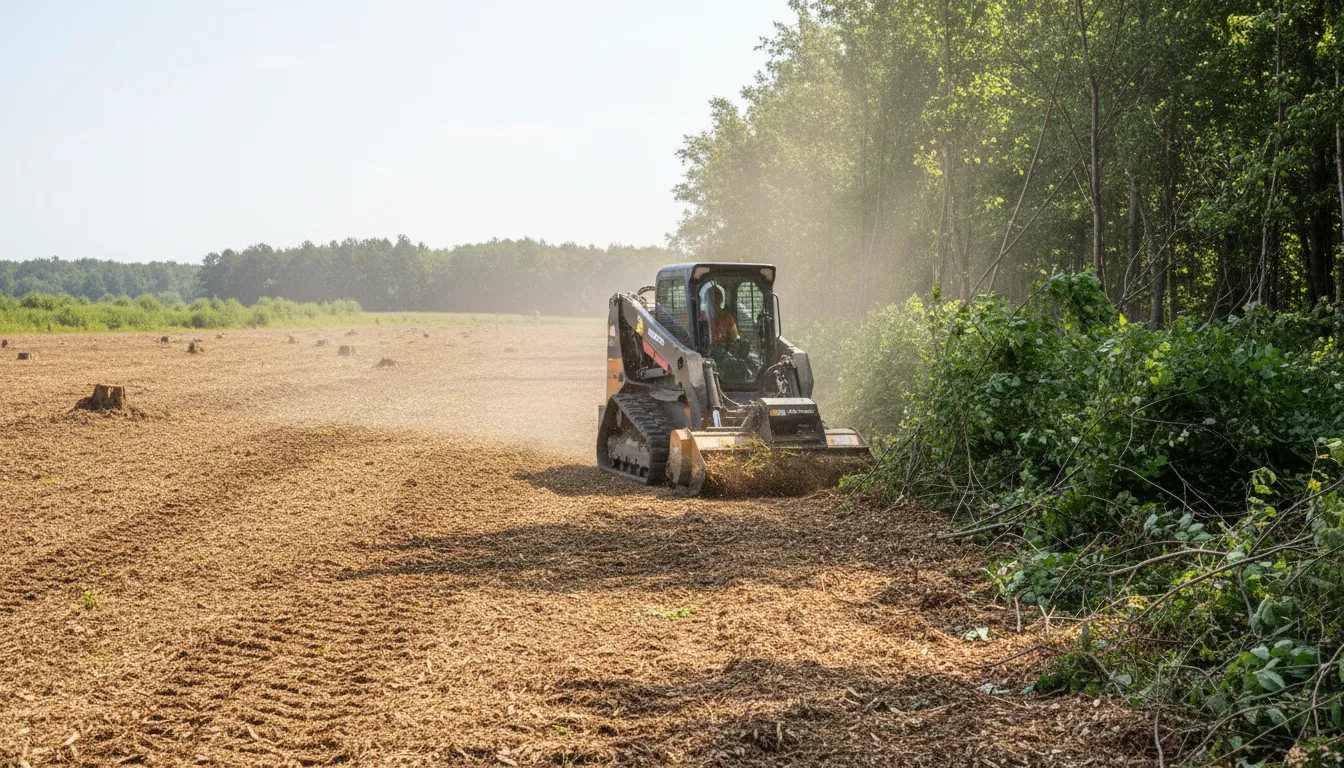
- Forestry Mulching: This is a popular, efficient method where a specialized machine grinds brush, vines, and small trees into a fine mulch that is deposited directly onto the ground. It's excellent for erosion control and soil health, as the mulch decomposes and adds nutrients back into the soil.
- Grubbing and Dozing: For heavier clearing involving large stumps and root systems, bulldozers equipped with root rakes are used to dig out and push material into piles. This method is common when preparing for construction where a clean, root-free subgrade is required.
- Hand Clearing and Chainsaw Work: In sensitive areas, near structures, or for selective tree removal, hand tools and chainsaws are used for precision 1. This labor-intensive method offers the greatest control over what stays and what goes.
- Bush Hogging: For maintaining fields or clearing low-lying brush and weeds, a heavy-duty rotary mower (bush hog) attached to a tractor can quickly cut vegetation down to ground level.
Stump, Root, and Debris Management
After the initial clearing, stumps and large roots often remain. Stump grinding shaves stumps down below ground level, while grubbing removes the entire stump and root ball. The final, and often costly, phase is debris disposal. Options in Suffolk include:
- On-Site Mulching: As mentioned, forestry mulchers leave the material in place, eliminating hauling costs.
- Wood Chipping: Trees and limbs can be fed through an industrial chipper. The chips can sometimes be used on-site, given away, or must be hauled off 2.
- Hauling to Landfill: Large logs, stumps, and piled brush are loaded onto trucks and taken to a licensed disposal site, which incurs tipping fees and transportation costs.
- Controlled Burning: This is an option only with strict adherence to local fire codes and by obtaining the necessary burn permits from the City of Suffolk 3.
Final Site Preparation
True site preparation goes beyond clearing. Once vegetation and debris are gone, the land often needs shaping for its intended use. This final phase may involve grading to create a level building pad or proper drainage slopes, compacting the soil, and sometimes adding fill dirt to achieve the desired elevation and stability. This step transforms a cleared plot into a truly "construction-ready" site.
Find the perfect land clearing contractors for your needs
Get personalized recommendations and expert advice
Cost Factors for Land Clearing in Suffolk
The price for lot clearing in Suffolk is highly variable, as it's driven by the unique characteristics of each property. Understanding these factors can help you interpret quotes from local contractors.
Primary Cost Drivers: Acreage and Density
Costs are frequently estimated on a per-acre basis, but the condition of that acre is what really determines the price.
- Brush and Small Trees (Light Clearing): Clearing an acre of light brush and saplings using mulching or bush hogging may start around $2,500 or more per acre. This is generally the fastest and least expensive type of clearing.
- Heavy Brush and Mixed Forest: An acre with dense thickets and a mix of small-to-medium trees requires more powerful equipment and time, with costs often ranging from $4,000 to $6,000+ per acre.
- Dense Forest with Large Trees: Clearing mature, wooded land is the most labor and equipment-intensive. Prices for this heavy clearing can range from $6,000 to $12,000 or more per acre, especially if large stumps require full extraction and hauling 4 5.
Variables That Impact Your Final Quote
Several site-specific conditions can significantly increase the complexity and cost of your project:
- Terrain and Accessibility: Steep slopes, wet ground, or poor access for large equipment will slow down work and may require specialized machinery.
- Presence of Rocks and Boulders: Large rocks must be removed, which adds substantial time and equipment use to the project.
- Debris Disposal Method: As noted, projects that require hauling debris to a landfill will incur significant additional costs for transportation, labor, and tipping fees compared to mulching-in-place 6 7.
- Extent of Grubbing and Grading: If your project requires complete removal of all root matter and extensive grading for construction, expect it to be on the higher end of the cost spectrum.
A key tip for Suffolk homeowners and developers is to always get multiple detailed quotes from local, insured contractors. A reputable professional will provide an on-site assessment to give you an accurate estimate tailored to your specific land, as generalized online calculators often miss critical local factors 8.
Choosing the Right Method for Your Suffolk Property
Selecting a vegetation removal strategy isn't just about cost; it's about matching the technique to your land's future.
Forestry Mulching: The Efficient All-in-One Solution
For many properties, forestry mulching is an excellent choice. It combines cutting, grinding, and disposal into a single pass of one machine, dramatically reducing project time. The resulting mulch layer suppresses weed regrowth, retains soil moisture, and prevents erosion-a major benefit for Suffolk's variable coastal plain soils. It's ideal for creating walking trails, clearing for pasture, or preparing land where immediate construction isn't planned.
Traditional Clearing for Construction Prep
If you are preparing a building site, a more thorough approach is usually necessary. Grubbing with heavy equipment ensures all organic material is removed, preventing future settling or rot that could compromise foundations, driveways, or septic fields 9. This method, followed by grading and compaction, creates a stable base essential for any structure. While it often involves higher costs due to hauling and more intensive labor, it is the required standard for most development projects 10.
Selective Clearing and Land Management
Not every project requires a total reset. Selective clearing involves strategically removing specific trees or thickets to improve views, create defensible space around structures, or enhance the health of a woodland. This approach uses hand tools and chainsaws for precision and minimizes the overall impact on the landscape, preserving mature trees and the natural aesthetic of your Suffolk property 11.
Frequently asked questions
Sources
Footnotes
-
Best Equipment for Efficient Land and Brush Clearing - DOZR - https://dozr.com/blog/best-equipment-for-efficient-land-and-brush-clearing ↩
-
Woodland & Vegetation Clearance | Local & UK-Wide - TreeMend - https://www.treemend.co.uk/woodland-and-vegetation-clearance/ ↩
-
Tree Removal Permits in Suffolk, NY: 2025 Guide - https://diamondbasementwaterproofing.com/do-you-need-a-permit-for-tree-removal-in-suffolk-ny/ ↩
-
Land Clearing Cost Per Acre: What to Expect in Virginia - https://landclearingva.com/land-clearing-cost-per-acre-what-to-expect-in-virginia/ ↩
-
How Much Does It Cost to Clear Land in 2025? - Daniel Dean - https://www.danieldean.com/how-much-does-it-cost-to-clear-land/ ↩
-
Top 5 Methods of Land Clearing | Which Is Right for You? - Valor - https://www.valorenv.com/top-5-methods-of-land-clearing-which-is-right-for-you/ ↩
-
What is Land Clearing? - Tidd Tree - https://tiddtree.com/what-is-land-clearing/ ↩
-
5 Acre Land Clearing Costs with Mountains West Ranches - https://www.mwranches.com/blog/the-cost-of-clearing-5-acres-what-buyers-should-know ↩
-
Land Clearing Site Preparation - Timber Works Tree Care - https://timberworksva.com/land-clearing-site-preparation/ ↩
-
Land Clearing Services | Prepare Your Site for Development - https://rockhardexc.com/land-clearing-101-site-prep-for-development/ ↩
-
Guide to Effective Land Clearing - Dreamworks Tree - https://www.dreamworkstrees.com/your-guide-to-land-clearing/ ↩