Find the Best Land Clearing Contractors for Your Business
No obligation • Fast responses • Nationwide coverage

Why you can trust Landscape Atlas
Landscape Atlas is a leading United States resource for evaluating landscaping, lawn care, and outdoor service providers. Our team researches each category in depth, focusing on service quality, safety, and customer experience. Listings and rankings are based on independent criteria and user feedback, and companies cannot pay to influence our assessments or recommendations.
Search providers near you
Top Land Clearing Contractors in Federal Way, Washington Ranked
Preparing a property for construction, agriculture, or a new landscape often begins with land clearing. This essential service involves the removal of trees, brush, stumps, and other obstacles to create a clean, workable site. In Federal Way, this process is governed by specific local regulations designed to protect the environment and manage development. This guide will help you understand the steps, costs, and key considerations for site clearing and vegetation removal in Federal Way, empowering you to plan your project effectively and connect with qualified local professionals.
RJP Junk Removal, Yard Waste Removal & Home Services LLC
3911 Colonial Ln SE, Port Orchard, WA 98366
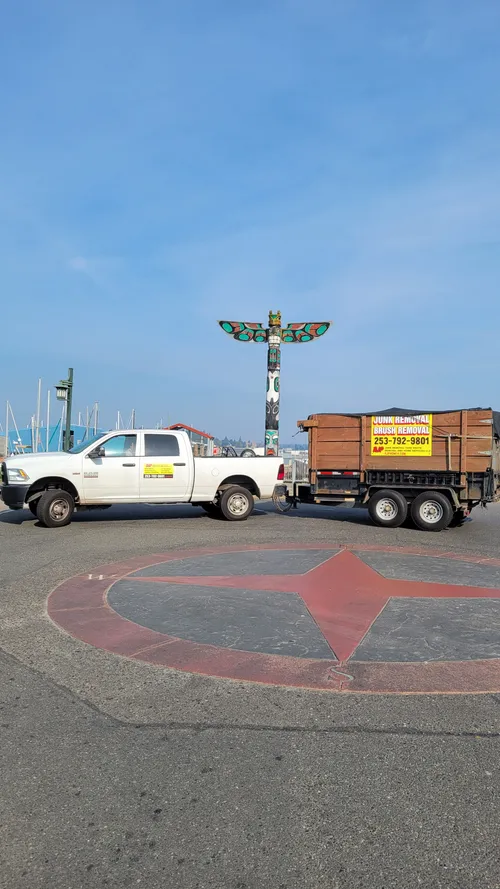
RJP Junk Removal, Yard Waste Removal & Home Services LLC provides junk removal and yard waste services in Seattle, WA. The company handles a wide range of removals including tree limbs, tree debris, small tree removal, and brush removal, as well as appliance, furniture, and estate cleanouts. They operate with specialized equipment such as all-wheel drive trucks and dump trailers to manage various job sizes efficiently. With about 16 years in business serving Kitsap County and surrounding areas, they emphasize eco-friendly disposal by recycling and donating reusable items. The company also offers military, senior, and disabled discounts and can schedule removals quickly, sometimes within the same day.
Cedar Falls Tree Service
13627 436th Ave SE, North Bend, WA 98045
Cedar Falls Tree Service is a family-owned company based near Seattle, WA, offering tree maintenance, removal, stump grinding, land clearing, and landscaping services. With over 18 years of experience, they serve the Greater Eastside, Seattle areas, and beyond. Their capabilities include crane tree removal for hard-to-reach locations and specialized stump grinding equipment to grind stumps below grade. They also provide excavation and landscaping services, along with seasoned and non-seasoned firewood. Cedar Falls Tree Service has built its expertise through nearly two decades of work in tree care and land services.
Badger Excavation
Seattle, WA
Badger Excavation is a Seattle, WA-based contractor offering excavation, land clearing, grading, and hardscaping services. Their work includes road building, driveways, site and foundation preparation, septic systems, brush removal, and installation of concrete landscape curbing and retaining walls. With 15 years of experience, the owner personally oversees quality and ensures clear communication throughout projects.
Precision Landscape LLC
16203 122nd Ave SE, Renton, WA 98058
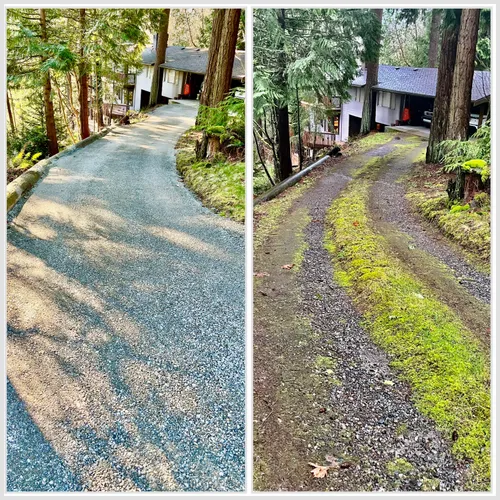
Precision Landscape LLC is a landscaping company based in Seattle, WA, offering a wide range of services including sod installation, artificial turf, tree removal, stump grinding, yard drainage, grading, land clearing, and brush removal. Serving residential and commercial clients throughout King County, they provide customized landscaping solutions supported by specialized equipment to improve efficiency and project outcomes. Their capabilities include comprehensive tree services and land clearing to prepare properties for various uses. With over 15 years of experience, Precision Landscape LLC is licensed, bonded, and insured to handle diverse landscaping needs.
Sound Tree Care
3057 S 146th St, SeaTac, WA 98168
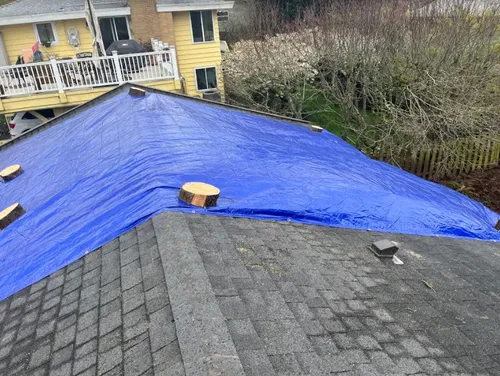
Sound Tree Care is a family-run tree service based in Seattle, WA, led by ISA Certified Arborists with over 20 years of experience. They provide professional tree removal, precision pruning, stump grinding, land clearing, and brush removal services across Seattle and the greater Puget Sound region. Their team follows ANSI A300 standards and local municipal codes to ensure safe and code-compliant tree care. Sound Tree Care also offers 24/7 emergency tree services and arborist consulting for homeowners, property managers, HOAs, and contractors.
Understanding the Land Clearing Process
Land clearing, or site preparation, is more than just removing trees. It's a multi-phase operation that transforms overgrown or wooded land into a usable parcel. A proper clearing project ensures safety, complies with local laws, and sets the stage for whatever comes next, whether it's building a home, installing a lawn, or creating agricultural space. The process typically follows a logical sequence from initial evaluation to final grading.
Initial Site Assessment and Planning
Every successful land clearing project starts with a thorough site evaluation. Professionals will visit your property in Federal Way to assess several critical factors that influence the approach and cost 1.
- Topography and Slopes: The steepness of the land determines the type of equipment that can be used safely and affects erosion control plans.
- Soil Conditions: Soil type can impact machinery operation and is a key factor in later grading and drainage.
- Existing Vegetation: The density, type, and size of trees and brush must be cataloged. Special attention is paid to identifying any protected or significant trees that must be retained under Federal Way code.
- Environmental Features: The presence of wetlands, streams, or critical areas triggers additional regulations and may limit the scope of clearing allowed.
- Utilities and Obstacles: Locating underground utilities, wells, septic systems, and above-ground structures is essential for safety and planning the clearing work.
This assessment forms the basis for the clearing plan, which is often required for permitting.
Navigating Federal Way Permits and Regulations
One of the most crucial steps in Federal Way is securing the necessary permits. The city has established Clearing and Grading Regulations to manage stormwater runoff, prevent erosion, and preserve tree canopy. Starting work without approval can result in significant fines and stop-work orders.
- Permit Requirements: A clearing and grading permit is generally required from the City of Federal Way for most projects that disturb the soil. This is often tied to a building permit application.
- The Clearing Plan: Your permit application will likely need to include a site plan that shows the area to be cleared, the location of trees to be removed and retained, and proposed erosion control measures. The city's regulations emphasize tree retention, so your plan must justify the removal of any significant trees 2.
- Professional Guidance: Because the rules are strict and subject to rigorous review, working with a local Federal Way excavation or tree service company is highly advisable. They understand the specific requirements and can help navigate the permit process efficiently.
Methods for Vegetation and Debris Removal
Once planning and permits are in place, the physical work of clearing the land begins. The methods used depend on the site conditions, the desired end result, and local rules regarding disposal.
Tree Felling and Brush Clearing
The first on-the-ground task is removing the smaller vegetation and trees.
- Manual Clearing: For sensitive areas, near structures, or where machinery access is limited, crews may use chainsaws, brush cutters, and hand tools to clear brush and small trees.
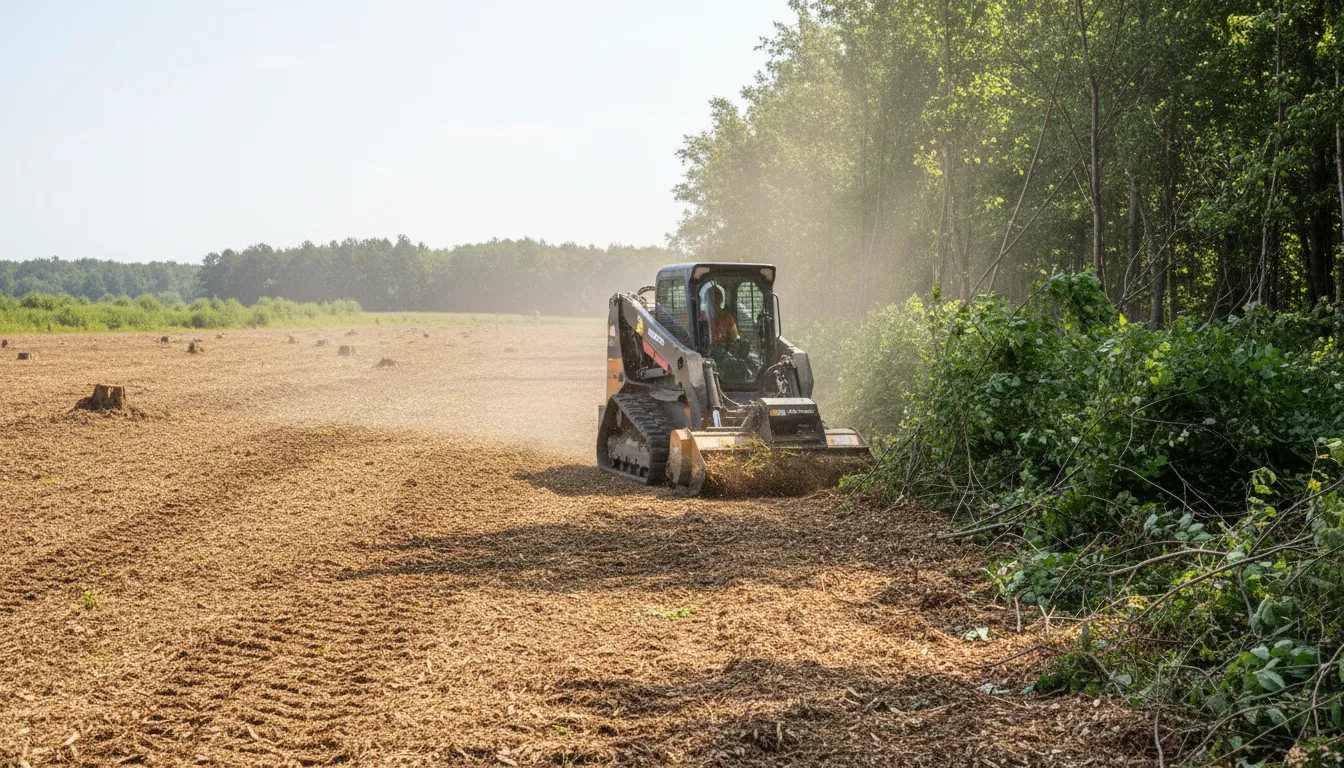
- Mechanical Clearing: For larger-scale projects, heavy machinery like excavators, bulldozers, and forestry mulchers are used. Excavators are excellent for pulling stumps and piling debris, while tracked mulchers can grind trees and brush into mulch on-site in a single pass.
Stump Removal and Extraction
Removing tree stumps is a key part of site preparation for construction or landscaping.
- Stump Grinding: A common method where a machine grinds the stump and major roots into wood chips below ground level. This is efficient but leaves the wood debris in the ground.
- Stump Pulling: Using an excavator to mechanically dig out and remove the entire stump and root ball. This is more thorough and leaves a hole that must be filled, but it completely removes the organic material from the site.
Debris Management and Disposal
What happens to all the removed trees, brush, and stumps? Proper debris management is a major component of the project's cost and environmental impact.
- On-Site Processing (Chipping/Mulching): Branches and brush can be fed through a wood chipper to produce mulch. This mulch can often be reused on-site for erosion control or future landscaping beds, reducing haul-away costs 3 4.
- Off-Site Hauling: Larger logs, stumps, and root balls are typically loaded onto trucks and hauled away. They may be taken to a recycling center, a composting facility, or a landfill. Disposal fees at these facilities contribute to the project's overall cost.
- Controlled Burning: While sometimes used for large volumes of debris in rural areas, burning is highly regulated within Federal Way. It generally requires a special permit from local fire authorities and is often restricted due to air quality and safety concerns.
Find the perfect land clearing contractors for your needs
Get personalized recommendations and expert advice
Final Grading and Soil Preparation
After the vegetation and debris are cleared, the work isn't over. The final stage prepares the land for its intended use.
- Rough Grading: Using heavy equipment like graders and bulldozers, the site is leveled, hills are cut down, and depressions are filled. The goal is to create the basic shape and elevation of the finished property.
- Final Grading and Sloping: This precise work establishes the final contours of the land. Proper sloping is critical for directing stormwater away from future structures and toward approved drainage areas, a key requirement in Federal Way's wet climate 5.
- Soil Preparation: The topsoil may be stockpiled during clearing and redistributed, or new topsoil may be brought in. The soil is then tilled or raked to create a suitable seedbed for grass or other plantings if the next step is landscaping.
Cost Factors for Land Clearing in Federal Way
The price for lot clearing in Federal Way is not a flat fee; it varies significantly based on your specific property's characteristics. Understanding these factors will help you interpret estimates from local providers.
Primary Cost Drivers:
- Tree Density and Size: This is the single biggest factor. Clearing a lightly wooded lot is far less expensive than clearing a densely forested one. The number of trees, their diameter, and the presence of large stumps all increase labor, time, and disposal costs.
- Acreage and Accessibility: While cost per acre often decreases slightly for larger projects, smaller lots (under 2-4 acres) may see higher relative costs due to fixed mobilization fees for equipment. Difficult access for machinery can also increase the price.
- Disposal Methods: Hauling debris to a landfill incurs tipping fees and transportation costs. On-site chipping and repurposing mulch can reduce these fees. The chosen method of stump removal (grinding vs. excavation) also affects the price 6.
- Terrain and Slope: Steep, rocky, or uneven terrain requires more skilled operation, specialized equipment, and time, leading to higher costs compared to flat, clear land.
- Permitting and Regulations: The time and expertise required to navigate Federal Way's permitting process, including creating a compliant tree retention plan, are factored into professional quotes 7.
Estimated Price Ranges
Based on industry data, here are general cost ranges for land clearing. These are estimates; always get detailed quotes from Federal Way-based contractors for your specific project 8 9.
- Light Clearing (minimal brush, few trees): $700 - $2,300+ per acre.
- Moderate to Heavy Clearing (dense brush and woodland): $3,400 - $6,000+ per acre.
- Smaller Projects: For parcels under an acre, costs are often quoted as a project fee rather than per-acre, and may involve the use of roll-off containers for debris, which can affect the total.
Choosing a Service Provider in Federal Way
Selecting the right company for your lot clearing project is essential for a smooth, compliant, and successful outcome.
- Verify Local Experience: Choose a contractor familiar with Federal Way's City Hall, its clearing and grading regulations, and its tree retention codes. They should be able to discuss the permit process knowledgeably 10.
- Check for Proper Licensing and Insurance: Ensure the company is licensed to work in Washington State and carries both liability insurance and workers' compensation coverage. This protects you in case of accidents or property damage.
- Review the Scope of Services: Some companies specialize only in tree removal, while others offer full-service land clearing that includes permitting, clearing, hauling, and final grading. Make sure the quote you get matches the full scope of work you need.
- Get Detailed Written Estimates: Obtain at least 2-3 written estimates that break down costs for labor, equipment, disposal, permitting assistance, and grading. Be wary of quotes that seem unusually low, as they may not account for all requirements or proper disposal.
Frequently asked questions
Sources
Footnotes
-
The Essential Guide to Expert Land Clearing and Excavation - https://sapphireconstructionservice.com/land-clearing-and-excavation/ ↩
-
Chapter 19.120 CLEARING, GRADING, AND TREE AND ... - https://www.codepublishing.com/WA/FederalWay/html/FederalWay19/FederalWay19120.html ↩
-
The Ultimate Guide to Land Clearing | DC Hauling Makes It Easy - https://www.dcmakesiteasy.com/the-ultimate-guide-to-land-clearing/ ↩
-
Land Clearing Process and Considerations - Arbor City Tree Care - https://www.arborcitytreecare.com/land-clearing-process-and-considerations/ ↩
-
CLEARING AND GRADING REGULATIONS - City of Federal Way - https://www.federalwaywa.gov/sites/default/files/Documents/Department/CD/Planning/Land%20Use%20Apps%20and%20Info%20Handouts/009%20Clearing%20and%20Grading%20Regulations.pdf ↩
-
Land clearing is the removal of brush, trees and stumps. For ... - https://www.danieldean.com/land-clearing/ ↩
-
Land Clearing Federal Way, WA - Franky's Excavation - https://frankysexcavation.com/land-clearing-services/federal-way-wa/ ↩
-
Pricing Guide: How Much Does It Cost to Clear Land in 2026? - https://www.lawnstarter.com/blog/cost/clear-land-price/ ↩
-
Land Clearing: Services, Costs, and Methods - My Earth Garden - https://www.myearthgarden.com/land-clearing-services-costs-and-methods/ ↩
-
Land Clearing Federal Way WA - Tree Removal - https://www.panddtreeservice.com/land-clearing-federal-way-wa/ ↩