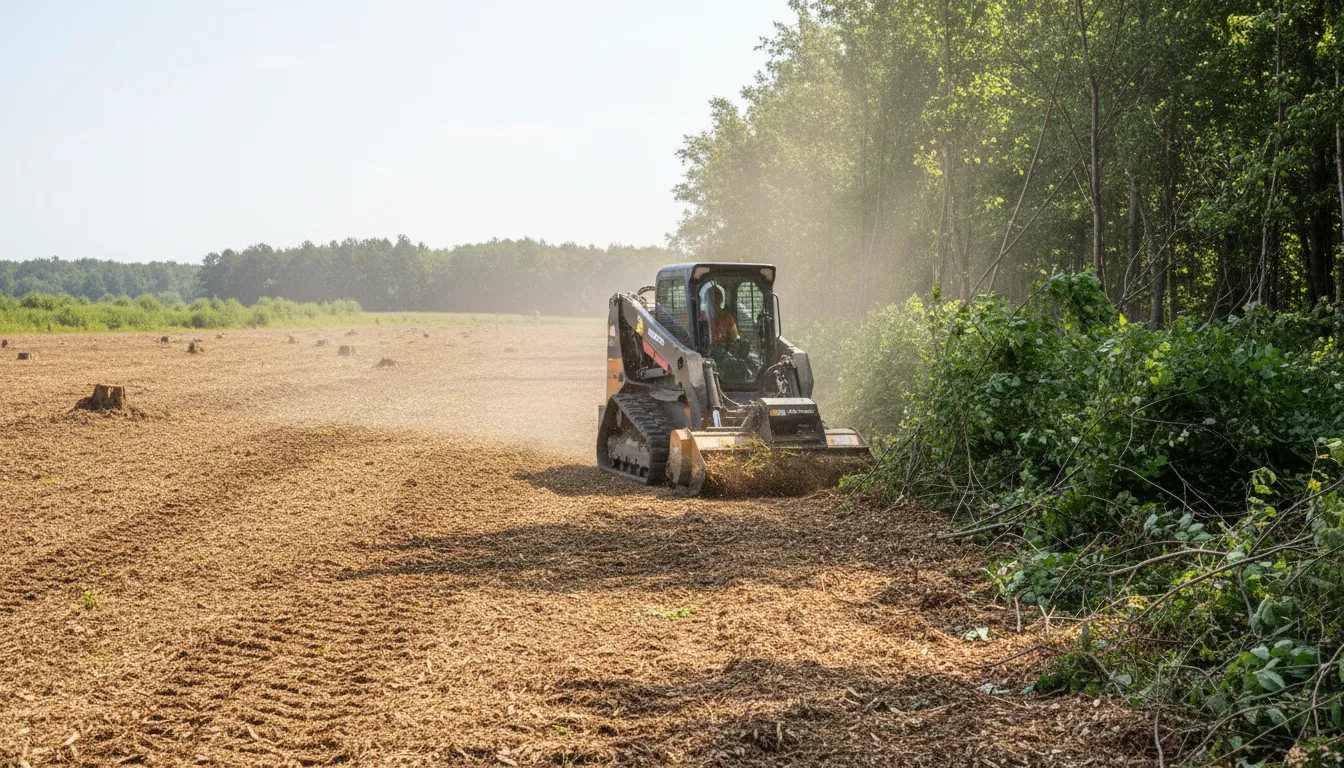
Find the Best Land Clearing Contractors for Your Business
No obligation • Fast responses • Nationwide coverage

Why you can trust Landscape Atlas
Landscape Atlas is a leading United States resource for evaluating landscaping, lawn care, and outdoor service providers. Our team researches each category in depth, focusing on service quality, safety, and customer experience. Listings and rankings are based on independent criteria and user feedback, and companies cannot pay to influence our assessments or recommendations.
Search providers near you
Top Land Clearing Contractors in Spokane Valley, Washington Ranked
Preparing a piece of land in Spokane Valley for a new home, a larger yard, or agricultural use often begins with land clearing. This essential service involves the removal of trees, brush, stumps, and other obstacles to create a clean, workable site. Proper lot clearing is crucial for safety, compliance with local regulations, and setting the stage for successful construction or landscaping. This guide will help you understand the process, costs, and key considerations for finding experienced site preparation professionals in the Spokane Valley area.
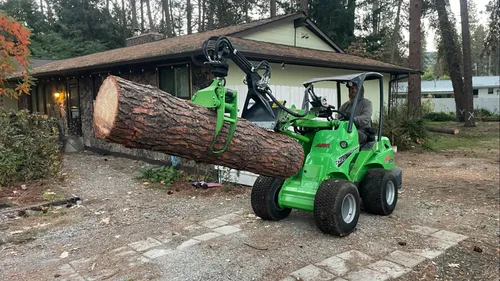
Blake's Tree Service LLC
606 W 15th Ave, Post Falls, ID 83854
Blake's Tree Service LLC provides comprehensive tree care and land clearing services in Spokane, WA, including tree removal, stump grinding, brush removal, and storm cleanup. Serving residential and commercial clients in the Spokane area and nearby Idaho communities such as Post Falls, Coeur d'Alene, Hayden, and Rathdrum, the company specializes in large hazardous tree removal and fire prevention measures. Their experienced team uses specialized equipment to safely manage tree felling and land clearing projects. Blake's Tree Service is licensed and insured, with a strong focus on safety and thorough cleanup after each job.
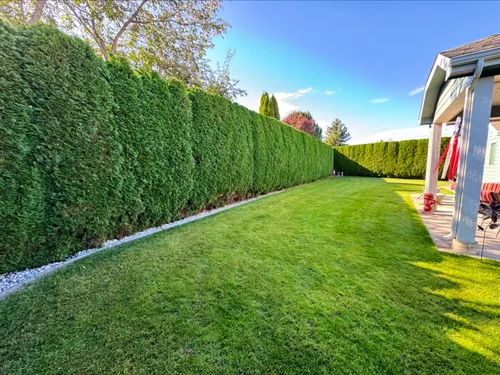
Advanced Arborists Tree Service
11925 E Valleyway Ave #99206, Spokane Valley, WA 99206
Advanced Arborists Tree Service is a Spokane, WA-based company with over 25 years of experience in tree care. They serve both residential and commercial clients in Spokane County and surrounding areas. Their services include tree trimming, tree removal, stump grinding, storm cleanup, lot clearing, hedge and shrub pruning, wood chipping, structural pruning, debris hauling, and brush removal. The company offers a full range of tree and land clearing services to handle projects of various sizes.
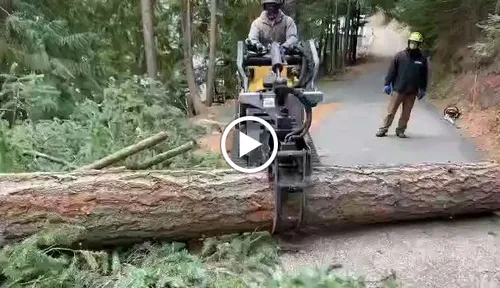
King & Sons Urban Forestry
3708 Belmont Rd, Coeur d'Alene, ID 83815
King & Sons Urban Forestry is a locally owned tree service and land clearing contractor based near Spokane, WA. They provide a variety of services including tree removal, tree trimming, stump grinding, land clearing, demolition, and small scale logging. The company emphasizes environmentally friendly practices and sustainable tree care methods to minimize environmental impact. They serve multiple communities around Spokane and are insured and bonded.
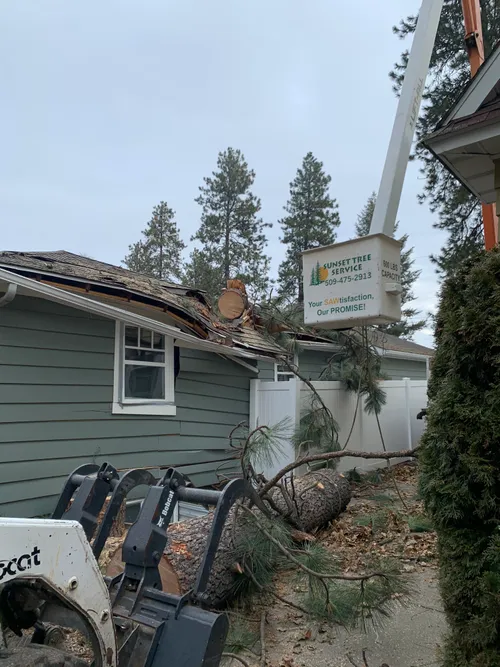
SUNSET TREE SERVICE LLC
Spokane, WA
SUNSET TREE SERVICE LLC is a locally owned and operated company based in Spokane, WA, offering professional tree care, removal, stump grinding, land clearing, and irrigation services. They serve Spokane and nearby communities including Spokane Valley, Liberty Lake, Deer Park, Medical Lake, and Valleyford. The company provides residential and commercial tree services, including emergency 24/7 storm damage response, shrub and hedge care, sprinkler repair, and snow removal. With over 15 years of experience, SUNSET TREE SERVICE LLC emphasizes safety and quality in all their work.
Skyline Tree Service llc
1200 E 39th Ave, Spokane, WA 99203
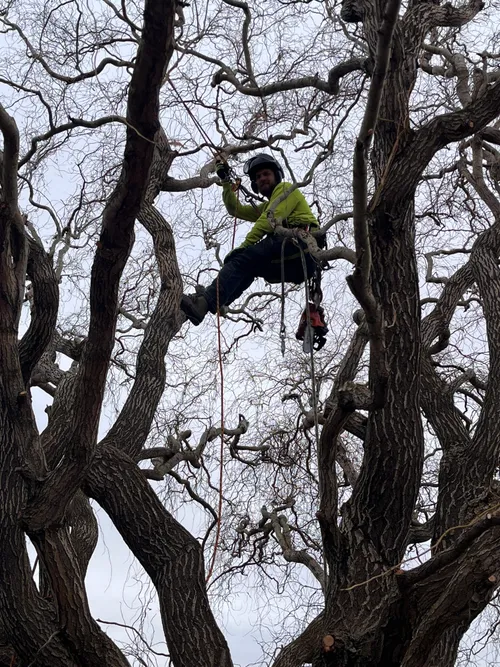
Skyline Tree Service llc provides tree services and land clearing in Spokane, WA. They specialize in tree removal, stump grinding, brush removal, and land clearing. The company is known for careful tree dropping close to structures and thorough cleanup, including chipping and grinding. Owner Casey and his crew focus on clear communication and professional work. Customers have praised their punctuality and attention to detail. Skyline Tree Service llc is committed to meeting high standards on every job.
What is Involved in a Land Clearing Project?
Land clearing, or site clearing, is more than just cutting down trees. It's a systematic process to transform overgrown or wooded land into a usable blank canvas. A comprehensive project typically includes several key stages, from initial planning to final grading.
Initial Site Assessment and Permitting
Every successful project starts with a thorough evaluation. A professional will visit your property to assess the density and type of vegetation, soil conditions, slope, drainage patterns, and any potential environmental concerns like wetlands or protected species habitats. This assessment is critical for developing an accurate plan and quote.
In Spokane Valley, most land clearing activities require a Land Disturbing Activity Permit from the city 1. This regulation covers clearing, grubbing (removing roots and stumps), and grading to prevent soil erosion and protect water quality. Permit fees typically range from $50 to $250+, and your contractor can often handle this process for you 2. Starting without the proper approvals can lead to significant fines and project delays.
Vegetation and Debris Removal Methods
The approach to removing trees and brush depends on the site's characteristics and your goals for the cleared land.
- Manual Clearing: For smaller areas or selective clearing, crews may use chainsaws, brush cutters, and hand tools. This method offers more precision.
- Mechanical Clearing: For larger tracts of land, efficiency is key. Contractors use heavy machinery like bulldozers, excavators, and tracked mulchers to clear vegetation quickly 3 4.
- Mulching/Grinding: A popular and eco-friendly option, this method uses a powerful mulching head attached to machinery to grind trees and brush into wood chips on-site. This material can be left to decompose and enrich the soil or spread as ground cover, dramatically reducing the volume of debris that needs to be hauled away.
Stump Removal and Final Site Preparation
Removing the visible tree is only half the battle. Left-behind stumps can interfere with construction and landscaping. In Spokane Valley, proper stump removal involves grinding or excavating the stump and its major roots to a depth of at least 12 inches below grade, as per local arboricultural standards. This ensures the area is ready for new construction or planting.
Once all vegetation and stumps are removed, the final phase begins. Debris management is a major component-material is either chipped, hauled to a local landfill or green waste facility, or utilized on-site as mulch 5 6. Finally, the site may require grading and compaction to create a level, stable surface. This involves sculpting the land to proper contours, scarifying the topsoil, and compacting any fill material to prepare for a foundation, driveway, or lawn 7.
Understanding Costs for Clearing Land in Spokane Valley
The cost of lot clearing in Spokane Valley is highly variable and depends on your specific property. There is no one-size-fits-all price, but understanding the common pricing structures and factors can help you budget effectively.
Key Factors Influencing Your Quote
Several elements will directly impact the final cost of your site preparation project:
- Property Size and Terrain: Obviously, a half-acre plot costs more to clear than a quarter-acre. Steep slopes, rocky soil, and difficult access increase the time and equipment needed, raising costs.
- Vegetation Density and Type: A lightly wooded lot is less expensive than a densely forested one. The size and number of trees are major cost drivers. Large-diameter trees require more time and specialized equipment to remove.
- Chosen Methods: Opting for on-site mulching can reduce hauling fees but may have different equipment costs. The choice between manual and mechanical clearing also affects the price.
- Debris Disposal: Hauling away debris is a significant line item. Costs are often calculated per cubic yard, with local rates around $135 per cubic yard for hauling 8. The total volume of waste your property generates will greatly influence this cost.
- Additional Services: Final grading, soil compaction, and erosion control measures like silt fencing are often essential but add to the overall project cost.
Common Pricing Models and Estimates
Contractors may price projects as a lump sum, per acre, or using a combination of time and materials. Here are some general benchmarks, though you should always get local quotes for accuracy:
- Tree Removal: Often priced by the inch of trunk diameter, ranging from $2 to $4 per inch for larger trees.
- Grading Work: If needed after clearing, rough grading can cost $40 to $180 per hour or $5 to $10 per square foot.
- Project Examples:
- Clearing a lightly brushed quarter-acre might range from $850 to $1,500.
- Clearing a heavily forested half-acre could range from $1,700 to $3,000 or more.
These are estimates, and prices in Spokane Valley can vary widely. The most reliable way to understand your cost is to have 2-3 reputable contractors perform an on-site assessment 9.
Find the perfect land clearing contractors for your needs
Get personalized recommendations and expert advice
Choosing the Right Land Clearing Service
Selecting a qualified contractor is the most important step in ensuring your project is completed safely, on budget, and in compliance with all regulations.
Essential Qualifications to Look For
- Licensing and Insurance: Always verify that the company is properly licensed to work in Washington State and carries ample liability and workers' compensation insurance. This protects you from potential accidents or property damage.
- Local Experience and Knowledge: A company familiar with Spokane Valley's specific permit requirements, soil conditions, and common vegetation will navigate the process more smoothly. They should understand the city's Land Disturbing Activity codes and arboricultural standards 10.
- Proper Equipment: The right machinery for the job is non-negotiable. Ask about the equipment they plan to use for your specific site conditions.
- Clear Communication and Detailed Quotes: A professional contractor will provide a written, detailed estimate that breaks down the scope of work, methods to be used, debris disposal plans, timeline, and total cost. Be wary of vague verbal quotes.
Questions to Ask During Consultations
- "Can you walk me through your step-by-step process for a property like mine?"
- "How will you handle obtaining the necessary Spokane Valley permits?"
- "What is your plan for debris removal, and are there options for on-site mulching?"
- "Do you include stump grinding to the required 12-inch depth, and is it in the quote?"
- "Can you provide references from recent land clearing projects in the area?"
Environmental and Post-Clearing Considerations
Responsible land clearing considers the long-term health of your property and the surrounding environment.
Erosion Control and Land Stabilization
After vegetation is removed, the exposed soil is vulnerable to erosion from wind and rain, which can lead to sediment runoff into waterways. Spokane Valley's permit requirements emphasize erosion control 11. Your contractor should implement measures such as silt fences, straw wattles, or prompt seeding to stabilize the soil.
Planning for the Future Use of Your Land
Before clearing begins, have a clear vision for the land's future. Are you preparing for a construction site that requires precise grading and compaction? Or creating pastureland where leaving some organic mulch might be beneficial? Communicating your end goal helps the contractor choose the most appropriate techniques, such as selective clearing versus a full clearing, and ensures the final graded site meets your needs.
Frequently asked questions
Sources
Footnotes
-
Land Disturbing Activities | Spokane Valley, WA - https://www.spokanevalleywa.gov/249/Land-Disturbing-Activities ↩
-
Pricing Guide: How Much Does It Cost to Clear Land? - LawnStarter - https://www.lawnstarter.com/blog/cost/clear-land-price/ ↩
-
Land Clearing in Spokane Valley, WA - Brush Removal & Site ... - https://axsuslandmanagement.com/land-clearing-spokane-valley-wa/ ↩
-
The Process of Lot and Land Clearing - The Tree Connection - https://www.treeconnection.us/blog/the-process-of-lot-and-land-clearing ↩
-
Yard Debris Removal Spokane Valley, WA | Pickup & Disposal ... - https://goloadup.com/spokane-valley-wa/yard-debris-removal/ ↩
-
What is Right of Way Clearing in Excavation? - https://indepthex.com/what-right-of-way-clearing-excavation/ ↩
-
The Ultimate Guide to Land Clearing | DC Hauling Makes It Easy - https://www.dcmakesiteasy.com/the-ultimate-guide-to-land-clearing/ ↩
-
2025 Land Clearing Cost | Get Estimates - Thumbtack - https://www.thumbtack.com/p/land-clearing-cost ↩
-
Land Clearing Process and Considerations - https://www.arborcitytreecare.com/land-clearing-process-and-considerations/ ↩
-
arboricultural specifications and standards - City of Spokane - https://static.spokanecity.org/documents/urbanforestry/treefacts/aboricultural-specifications.pdf ↩
-
chapter 5 - land disturbing activities - Spokane Valley - https://www.spokanevalleywa.gov/DocumentCenter/View/552/05---Land-Disturbing-Acitivities-PDF ↩