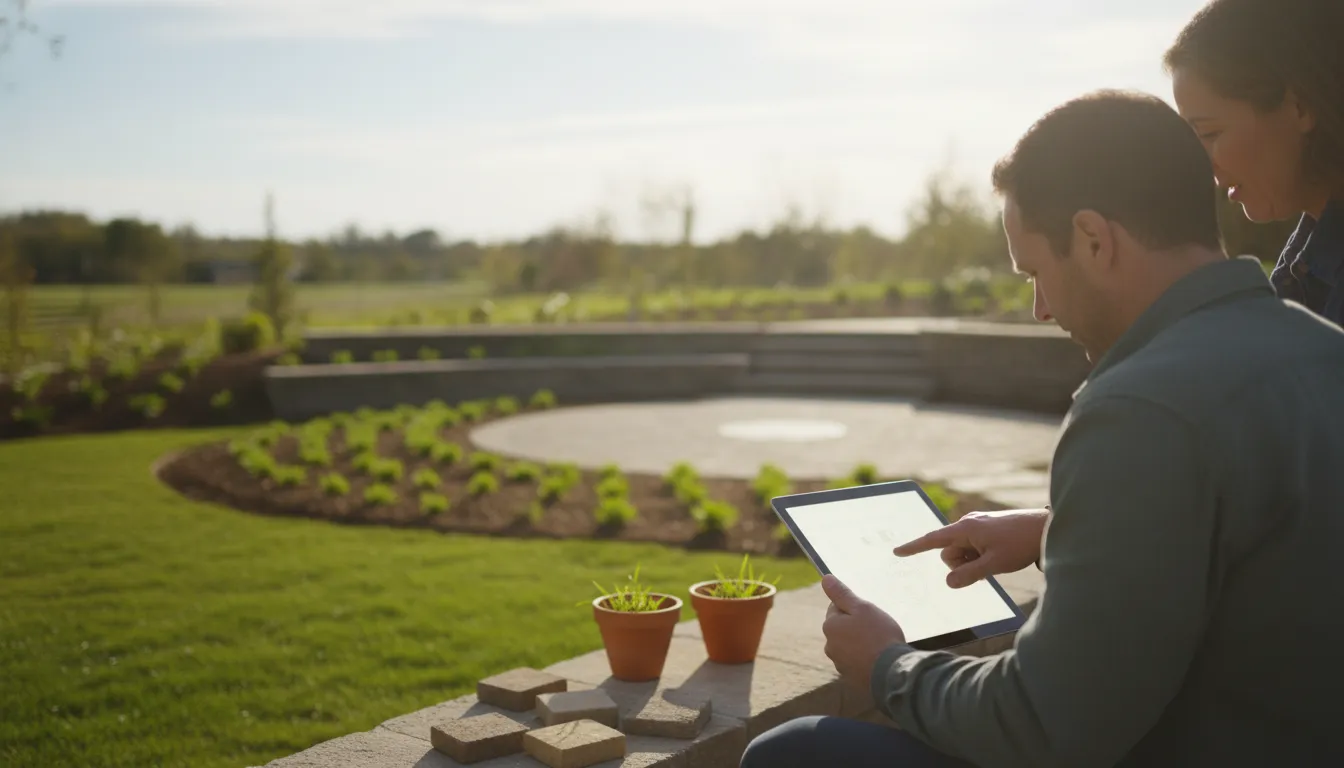
Find the Best Landscape Design Companies for Your Business
No obligation • Fast responses • Nationwide coverage

Why you can trust Landscape Atlas
Landscape Atlas is a leading United States resource for evaluating landscaping, lawn care, and outdoor service providers. Our team researches each category in depth, focusing on service quality, safety, and customer experience. Listings and rankings are based on independent criteria and user feedback, and companies cannot pay to influence our assessments or recommendations.
Search providers near you
Best Landscape Design Companies in Arizona Ranked
Creating a beautiful and functional outdoor space in Arizona is a unique challenge and opportunity. Professional landscape design here is about more than aesthetics; it's a strategic approach to building a resilient, water-wise, and enjoyable extension of your home that thrives in the desert climate. This resource connects you with the principles, costs, and practical considerations for planning your Arizona landscape, helping you find the right local expertise to bring your vision to life.
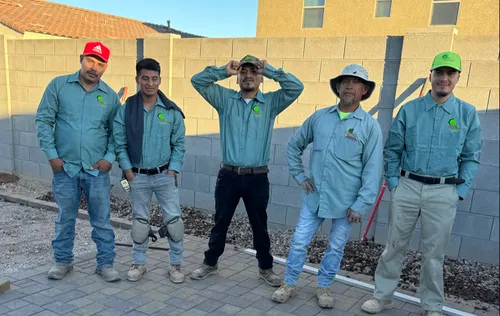
Glen C Landscaping & Hardscape
Phoenix, AZ
Glen C Landscaping & Hardscape is a family-owned landscaping company serving Phoenix, AZ, and surrounding areas including Scottsdale, Glendale, Surprise, and Avondale. With over 10 years of industry experience, they provide a wide range of services such as landscape design, lawn maintenance, irrigation and sprinkler installation, tree services, hardscaping including retaining walls and pavers, and artificial turf installation. Their team focuses on quality work and offers flexible financing options to meet client needs.
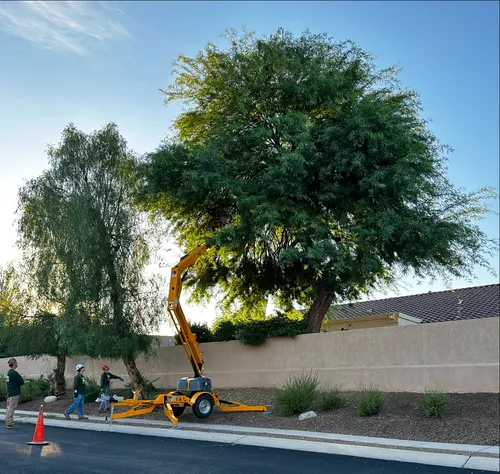
Transformed Trees & Landscaping LLC
7118 E 17th Pl, Tucson, AZ 85710
Transformed Trees & Landscaping LLC is a full-service tree and landscape company based in Tucson, AZ. They specialize in native trees and shrubs while offering a wide range of services including tree trimming, pruning, removal, stump grinding, insect and disease management, storm damage repair, soil care, fertilization, irrigation installation and repair, landscape design, and decorative rock installation. The company was founded in 2016 by Chris Bouchard, a certified Arizona arborist with extensive experience in tree care. They emphasize the science behind proper tree maintenance and landscaping to help clients maintain healthy and attractive properties.
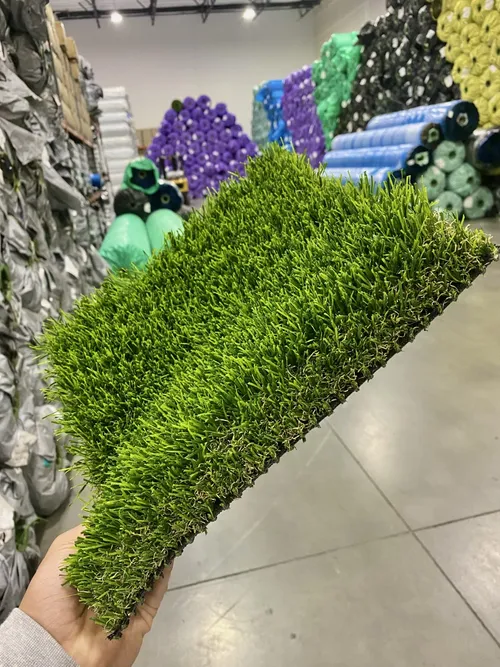
Festival Turf Phoenix AZ
10100 W Montebello Ave ste 150, Glendale, AZ 85307
Festival Turf Phoenix AZ provides artificial grass installation and landscape design services in Phoenix, AZ. They serve both residential and commercial clients, offering synthetic turf solutions that require minimal maintenance and remain green year-round. Their artificial turf is plant-based and recyclable, supporting eco-friendly landscaping. Festival Turf also offers design services to help clients achieve the best results for their outdoor spaces.
Legacy Landscaping and Design
Tucson, AZ
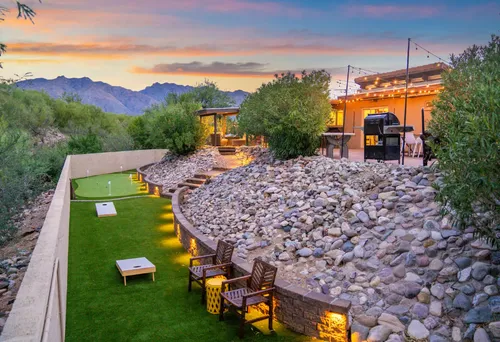
Legacy Landscaping and Design is a landscaping contractor based in Tucson, AZ, specializing in landscape design, sod installation, artificial turf, hardscaping, and lawn care. They serve both residential and commercial clients in Tucson and nearby areas such as Marana and Oro Valley. The company focuses on creating functional and attractive outdoor spaces adapted to the desert environment, using techniques like Xeriscaping and incorporating native plants and efficient watering methods. Legacy Landscaping and Design offers services including paver installation, turf laying, and comprehensive landscape maintenance. Their approach emphasizes collaboration with clients from design through installation to ensure tailored results that enhance property aesthetics.
Down 2 Earth Landscape LLC
Tucson, AZ
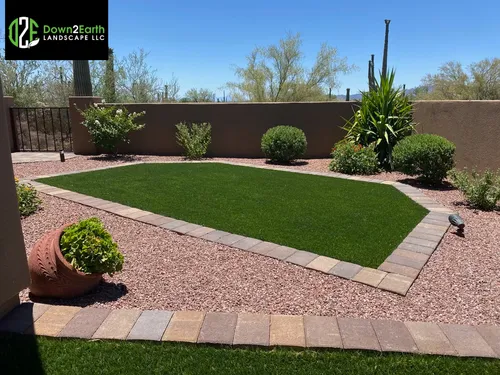
Down 2 Earth Landscape LLC is a landscaping company based in Tucson, AZ, offering a wide range of services including landscape design, tree trimming and removal, yard maintenance, and hardscaping. They serve all of Pima County with tailored solutions to meet individual gardening and landscaping needs. Their capabilities include comprehensive tree services and expert landscape design to enhance outdoor spaces. The company provides 24/7 customer support to address inquiries and concerns at any time.
The Core Principles of Arizona Landscape Design
Successfully designing a landscape in Arizona requires embracing the environment rather than fighting it. The core principles revolve around conservation, climate adaptation, and selecting the right materials.
Water Conservation and Xeriscaping
Water efficiency is the cornerstone of modern Arizona landscaping. Xeriscaping, which involves using drought-tolerant native and adapted plants, is not just a trend but a practical necessity. This approach significantly reduces outdoor water use while maintaining beauty. Key strategies include zoning plants by their water needs, utilizing efficient drip irrigation systems, and incorporating hardscapes like patios and walkways that require no water at all. The goal is to create a lush, vibrant yard that aligns with the state's water conservation goals.
Creating Functional Microclimates
The intense Arizona sun can make outdoor spaces unusable for much of the day. Smart design creates microclimates-small areas with moderated conditions. This is achieved by strategically placing shade trees, pergolas, or ramadas to protect seating and dining areas. Using heat-reflecting materials for surfaces and positioning plants to provide cooling transpiration can lower local temperatures, making your yard a comfortable retreat even in summer.
Harnessing the Monsoon
Arizona's monsoon season brings brief, intense rains. Good design captures this resource through rainwater harvesting. Techniques like contouring the land with swales and berms, using permeable paving, and creating retention basins help capture runoff, prevent erosion, and direct water to planted areas. This not only supplements irrigation but also helps manage stormwater on your property.
Popular Arizona Landscape Styles
Your design style should reflect your personal taste while respecting the desert setting. Two predominant styles have evolved to meet these needs.
Desert Modern: This style emphasizes clean, geometric lines, minimalist plantings, and a blend of natural and manufactured materials. Think sleek concrete planters, bold architectural succulents, and integrated seating walls. The palette is often neutral, with pops of color from flowering desert plants like Red Bird of Paradise or Penstemon. It's defined by controlled elegance and very low water use.
Southwest & Native: This style draws inspiration from the region's natural beauty and indigenous cultures. It features earthy color tones, native plants like Palo Verde trees and Brittlebush, and natural materials such as flagstone and river rock. Rustic elements like wooden vigas or rustic metal art may be incorporated. The feel is organic, warm, and seamlessly connected to the surrounding desert.
Key Design Elements and Materials
Beyond plants, specific materials and features define the Arizona landscape.
- Boulders and Rock: Large, native boulders are a signature element. They should be partially buried (about one-third) to look natural and anchored. Crushed granite, particularly 1/4" minus decomposed granite (DG), is a popular, permeable material for pathways and dry streambeds.
- Plant Grouping: Instead of dotting single plants around, group them in clusters of odd numbers (3, 5, 7) to mimic natural plant communities. This creates visual impact and improves irrigation efficiency.
- Hardscape Features: Pavers and patios create essential living spaces. Outdoor kitchens, fire pits, and seating walls extend the home's functionality. For slopes, retaining walls made of stacked stone or modular blocks are both functional and aesthetic.
- View Management: Design can enhance desirable views (of mountains, for instance) or strategically block undesirable ones (like a neighboring wall) with plant screens or structural elements 1.
Find the perfect landscape design companies for your needs
Get personalized recommendations and expert advice
Navigating Regulations and Permits
Before breaking ground, it's crucial to understand the rules that govern outdoor projects in Arizona. Regulations exist at multiple levels.
Local City Codes: Always check with your city's planning or development services department. Cities like Phoenix, Mesa, and Scottsdale have specific guidelines regarding landscape design, water conservation, and tree preservation 2 3. For example, Phoenix has design review guidelines for landscaping in certain zones 3.
Required Permits: Building permits are typically required for permanent structures like large retaining walls (often over 30 inches tall), pergolas, ramadas, outdoor kitchens with plumbing or gas, and significant grading or excavation work. The permitting process ensures these structures are safe and comply with local codes.
Homeowners Associations (HOAs): Many Arizona communities have HOAs with their own set of architectural and landscape design guidelines. These can be very detailed, dictating plant palettes, hardscape materials, fence styles, and even paint colors. It is essential to submit your plans for HOA approval before starting any work 4.
Understanding Costs for Landscape Design in Arizona
The investment for a landscape design project in Arizona varies widely based on scope, materials, and complexity. Here's a general breakdown based on current data:
- Basic Updates & Small Projects: For refreshing plantings, adding a gravel area, or installing a few new trees and shrubs, costs often range from $1,500 to $5,500.
- Mid-Range Full Yard Makeover: A comprehensive backyard redesign including a patio, pathway, planting beds, and a focal point like a fire pit or small water feature typically falls between $5,000 and $20,000 5.
- High-End or Luxury Master Plans: Extensive projects with custom features like outdoor kitchens with appliances, sophisticated lighting and irrigation systems, swimming pool integration, and complex hardscaping can start at $10,000 and go well into the tens of thousands 6.
- Professional Design Fees: If you hire a professional designer separately from an installation company, fees can be charged hourly ($50-$200 per hour) or by the square foot of the project area ($5-$45 per sq. ft.) 7. This fee is for the master plan, detailed drawings, and material specifications.
Major cost factors include the choice of materials (ceramic pots are more expensive than fiberglass; flagstone costs more than concrete pavers), labor intensity, site accessibility, and any necessary permits or engineering 8.
Plant Selection for Arizona Success
Choosing the right plants is critical. The best selections are "right plant, right place."
- Native & Desert-Adapted Plants: Opt for plants evolved for the climate, such as Mesquite, Desert Willow, Agave, and Lantana. They require less water, are more resistant to pests, and provide habitat for local wildlife 9 10.
- Consider Mature Size: Avoid planting trees or shrubs too close to structures, walls, or utilities. Always account for their full-grown width and height.
- Sun Exposure: Group sun-loving plants like Purple Sage in full-sun areas and place shade-tolerant plants like some ferns (in protected microclimates) under trees or on north-facing walls.
- High-Elevation Considerations: In parts of Northern Arizona, the plant palette shifts to include more cold-hardy species like Pinyon Pine and Rocky Mountain Juniper, which won't survive in the low desert 11.
Frequently asked questions
Sources
Footnotes
-
Top Landscape Design Trends That Harness The Beauty of Arizona - https://creativeenvironments.com/top-landscape-design-trends-that-harness-the-beauty-of-arizona/ ↩
-
Top 10 Landscape Design Tips - City of Mesa - https://www.mesaaz.gov/Environment-Sustainability/Water-Conservation/Landscape-Design-Tips ↩
-
507 Tab A Guidelines for design review | Phoenix Zoning Ordinance - https://phoenix.municipal.codes/ZO/507_TabA ↩ ↩2
-
CUSTOM HOME - Design Guidelines - Verrado - https://verrado.com/wp-content/uploads/2016/04/Verrado-Custom-Home-Design-Guidelines.pdf ↩
-
Prices And Cost On Landscaping Designs - https://thestoneyardaz.com/f/prices-and-cost-on-landscaping-designs ↩
-
How Much Does Landscaping Really Cost in Arizona (2026)? - https://shastapools.com/blog/arizona-landscaping-costs-2025 ↩
-
How Much Does Professional Landscape Design Cost? - https://milehighlandscaping.com/how-much-does-professional-landscape-design-cost/ ↩
-
Creating Your Dream Yard: Cost Factors in Landscape Design - https://www.eximiousdesignstudio.com/cost-factors-in-landscape-design/ ↩
-
Landscaping - Arizona Department of Water Resources - https://www.azwater.gov/conservation/landscaping ↩
-
residential landscape revitalization workbook - City of Scottsdale - https://www.scottsdaleaz.gov/docs/default-source/scottsdaleaz/design/green-building/residential-landscape-revitalization-workbook.pdf ↩
-
24 Stunning Desert Landscaping Ideas Perfect for the Heat - https://www.thespruce.com/desert-landscaping-ideas-5220545 ↩