Find the Best Landscape Design Companies for Your Business
No obligation • Fast responses • Nationwide coverage

Why you can trust Landscape Atlas
Landscape Atlas is a leading United States resource for evaluating landscaping, lawn care, and outdoor service providers. Our team researches each category in depth, focusing on service quality, safety, and customer experience. Listings and rankings are based on independent criteria and user feedback, and companies cannot pay to influence our assessments or recommendations.
Search providers near you
Top Landscape Design Companies in Tucson, Arizona Ranked
Creating a beautiful and functional outdoor space in Tucson is a unique challenge and opportunity. Landscape design here is about more than just aesthetics; it's a thoughtful process of adapting to a demanding desert environment to create a personal oasis that conserves water, provides relief from the sun, and enhances your lifestyle. This guide will help you understand the principles of desert landscape architecture, the key elements that make a Tucson yard successful, and how to connect with local professionals who can turn your vision into a sustainable reality.
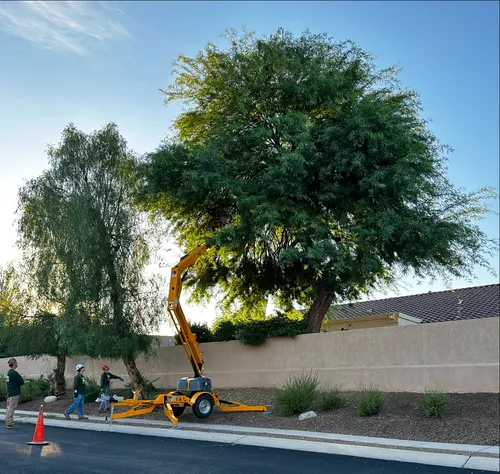
Transformed Trees & Landscaping LLC
7118 E 17th Pl, Tucson, AZ 85710
Transformed Trees & Landscaping LLC is a full-service tree and landscape company based in Tucson, AZ. They specialize in native trees and shrubs while offering a wide range of services including tree trimming, pruning, removal, stump grinding, insect and disease management, storm damage repair, soil care, fertilization, irrigation installation and repair, landscape design, and decorative rock installation. The company was founded in 2016 by Chris Bouchard, a certified Arizona arborist with extensive experience in tree care. They emphasize the science behind proper tree maintenance and landscaping to help clients maintain healthy and attractive properties.
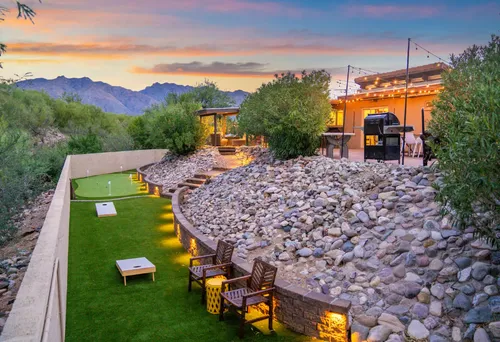
Legacy Landscaping and Design
Tucson, AZ
Legacy Landscaping and Design is a landscaping contractor based in Tucson, AZ, specializing in landscape design, sod installation, artificial turf, hardscaping, and lawn care. They serve both residential and commercial clients in Tucson and nearby areas such as Marana and Oro Valley. The company focuses on creating functional and attractive outdoor spaces adapted to the desert environment, using techniques like Xeriscaping and incorporating native plants and efficient watering methods. Legacy Landscaping and Design offers services including paver installation, turf laying, and comprehensive landscape maintenance. Their approach emphasizes collaboration with clients from design through installation to ensure tailored results that enhance property aesthetics.
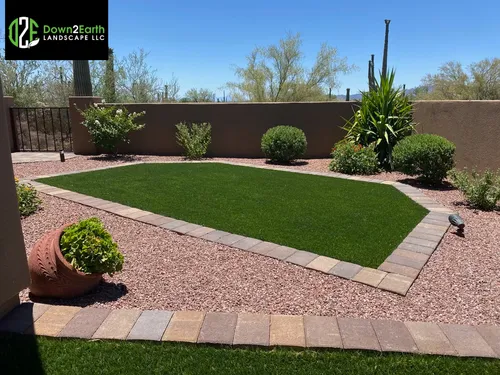
Down 2 Earth Landscape LLC
Tucson, AZ
Down 2 Earth Landscape LLC is a landscaping company based in Tucson, AZ, offering a wide range of services including landscape design, tree trimming and removal, yard maintenance, and hardscaping. They serve all of Pima County with tailored solutions to meet individual gardening and landscaping needs. Their capabilities include comprehensive tree services and expert landscape design to enhance outdoor spaces. The company provides 24/7 customer support to address inquiries and concerns at any time.
Points West Environmental
201 W Calle De Las Tiendas, Green Valley, AZ 85614
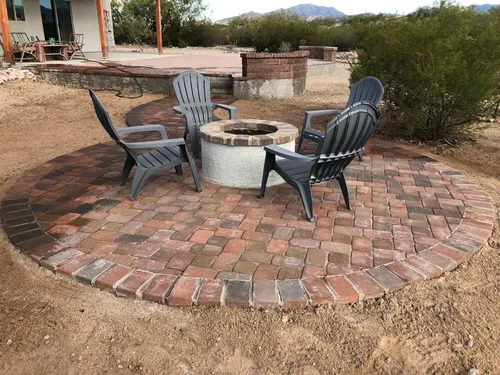
Points West Environmental is a full-service landscaping contractor based in Tucson, AZ. They offer a range of services including landscape design, sprinkler installation and repair, lawn care, and the use of decorative rock and river rock to enhance outdoor spaces. Their capabilities cover irrigation systems and comprehensive landscaping solutions to maintain and improve property aesthetics.
Desert Rain Landscaping & Services
Tucson, AZ
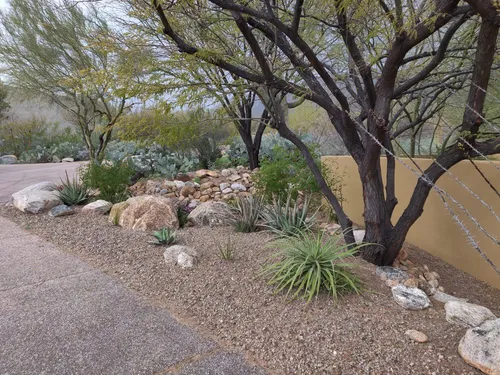
Desert Rain Landscaping & Services is a family-owned landscaping company based in Tucson, AZ, offering a comprehensive range of outdoor services for residential and commercial clients. Their expertise includes lawn care, sod and artificial turf installation, fence construction, landscape lighting, tree services, irrigation system installation and repair, and hardscaping such as patios and retaining walls. They focus on creating sustainable and aesthetically pleasing outdoor spaces, using advanced technology and local plant sourcing to ensure quality and environmental suitability. The company holds a landscaping contractor license (ROC 343355) and emphasizes clear communication and personalized service to meet client needs.
The Tucson Landscape Challenge: Designing for the Desert
Successful landscape design in Tucson begins with a deep understanding of the local environment. The city's hot, dry climate, punctuated by intense summer monsoons, and its characteristically alkaline soil require a specialized approach. The primary goal is to create a space that thrives with minimal supplemental water-a practice known as xeriscaping-while also providing crucial relief from the intense Southwestern sun. This means moving beyond traditional grassy lawns and thirsty plants to embrace a palette of native and arid-adapted materials that are both beautiful and resilient. Designers must plan for water management, ensuring landscapes can handle sudden downpours without erosion, while also structuring the yard to maximize shade and cooling effects throughout the day.
Understanding Your Soil: The Alkaline Foundation
A key factor often overlooked is Tucson's soil, which typically has a pH between 7.5 and 8.5, making it quite alkaline 1. This affects nutrient availability for plants. A skilled landscape designer will either select plants that are naturally adapted to these conditions-like many native species-or recommend strategic soil amendments to create micro-environments for a wider variety of plants. Understanding your soil is the first step in ensuring your plant investments will flourish for years to come.
Core Principles of Desert Landscape Architecture
The most enduring and beautiful Tucson landscapes are built on a few foundational principles that balance environmental responsibility with personal enjoyment.
- Water-Wise Xeriscaping: This is the cornerstone. It involves designing to minimize water use through drought-tolerant plant selection, efficient irrigation zones, and reducing thirsty turf areas.
- Zone Planning: Effective designs often divide the yard into distinct zones: a public zone (visible from the street, often low-maintenance and welcoming), a private living zone (for relaxation and entertainment, usually with more investment in shade and hardscape), and utility/service areas. This creates logical flow and ensures resources are focused where you'll enjoy them most.
- Creating Shade as a Resource: In Tucson, shade is not a luxury; it's a necessity. Design must proactively incorporate shade through structures and plantings to make outdoor spaces usable for more of the year.
- Embracing Texture Over Just Color: While flowers have their place, the beauty of a desert garden often comes from the dramatic textures and forms of succulents, grasses, trees, and rocks. A great design plays with these elements to create visual interest.
Essential Elements of a Tucson Yard
When planning your outdoor living space, consider integrating these key components that are particularly well-suited to the region.
Hardscaping: The Framework of Your Outdoor Room
Hardscape refers to the non-living, built elements of your landscape. In Tucson, these features define spaces and reduce water-dependent areas.
- Patios & Walkways: Using materials like flagstone, pavers, or decorative concrete to create gathering spaces and pathways. These areas extend your living space outdoors without needing water.
- Artificial Turf: A popular option for those who desire the look and feel of a green lawn without the excessive water consumption and maintenance. It provides a cool, soft surface for play and pets.
- Boulders & Gravel: Native boulders and decomposed granite or gravel are used for aesthetic accents, to create dry creek beds for monsoon drainage, and as a low-water ground cover 2.
Plant Selection: Thriving with Minimal Water
Choosing the right plants is critical. The best selections are those that are native to the Sonoran Desert or other arid regions.
- Native Trees: Palo Verde, Mesquite, and Desert Willow provide light, dappled shade and brilliant seasonal color with very little water once established.
- Desert Accents: Saguaro and other cacti offer iconic sculptural forms. Agave, Red Yucca, and various shrubs like Texas Sage add structure and low-water beauty.
- Climate-Adapted Plants: Many non-native but drought-tolerant plants from similar climates worldwide, like certain ornamental grasses and succulents, can also be integrated successfully.
Shade Structures & Cooling Features
To combat the heat, integrated shade is a must-have design element.
- Pergolas & Shade Sails: These structures provide immediate, customizable shade over patios or seating areas. They can be covered with fabric, lattice, or even climbing vines.
- Strategic Tree Planting: Placing native trees like Mesquite or Velvet Mesquite to shade the south and west sides of your home can significantly reduce cooling costs and create comfortable outdoor spots.
- Water Features: The sound and sight of moving water have a natural cooling effect. A small fountain, bubbler, or pond can add a sense of tranquility and coolness to a private patio nook.
Find the perfect landscape design companies for your needs
Get personalized recommendations and expert advice
The Design and Investment Process
Embarking on a landscape design project is an exciting journey. Understanding the typical scope and investment can help you plan effectively.
What to Expect: From Concept to Completion
A professional landscape design process usually involves an initial consultation to discuss your needs, lifestyle, and budget. This is followed by a site analysis to assess soil, sun exposure, drainage, and existing features. The designer then creates a conceptual plan, often with renderings or drawings, outlining the layout, materials, and plants. Once the plan is finalized, it can serve as a blueprint for you to implement in phases or for a landscape contractor to build out completely.
Understanding Cost Ranges
Costs for landscape design and installation in Tucson vary dramatically based on the project's scale, materials, and complexity.
- Basic Design Updates: For minimal changes, such as refreshing plantings in existing beds or adding a few new features, projects can start around $1,500 or more.
- Mid-Range Transformations: A more comprehensive package that might include grading, a new patio with pavers, artificial turf, drought-tolerant plants, an irrigation system, low-voltage lighting, and decorative boulders could be in the range of $35,000, according to one local provider's package example 3.
- Full-Scale Makeovers: Major projects that involve significant hardscaping, custom features, mature tree planting, and complete yard transformations often start at $20,000 and can go much higher. It's important to note that labor typically constitutes a significant portion, sometimes up to 80%, of the total project cost for comprehensive builds 4.
The most successful projects are those where the design thoughtfully integrates xeriscaping principles, native plants, and essential shade, creating a sustainable outdoor environment that is both aesthetically pleasing and resource-efficient 5 6. By working with a professional familiar with Tucson's unique conditions, you can ensure your landscape is an asset that adds beauty, function, and value to your home for years to come.