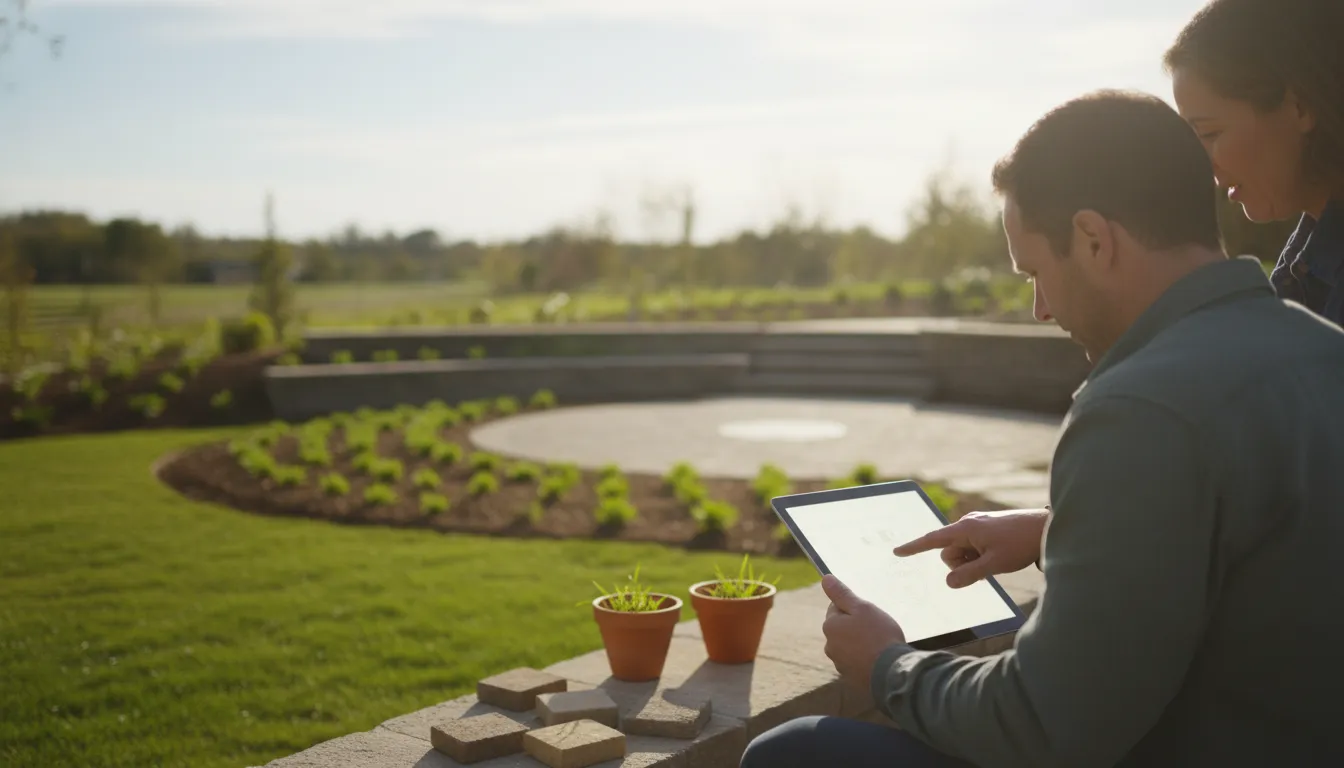
Find the Best Landscape Design Companies for Your Business
No obligation • Fast responses • Nationwide coverage

Why you can trust Landscape Atlas
Landscape Atlas is a leading United States resource for evaluating landscaping, lawn care, and outdoor service providers. Our team researches each category in depth, focusing on service quality, safety, and customer experience. Listings and rankings are based on independent criteria and user feedback, and companies cannot pay to influence our assessments or recommendations.
Search providers near you
Top Landscape Design Companies in Worcester, Massachusetts Ranked
Creating a beautiful and functional outdoor space in Worcester is about more than just planting a few flowers. It's the art of transforming your property into a cohesive extension of your home, tailored to the unique New England climate and your personal lifestyle. Professional landscape design involves planning the layout, selecting plants, and integrating features like patios and fire pits to create an environment that is both aesthetically pleasing and practical. This guide will help you understand the key considerations for designing in Worcester and how to connect with local experts who can bring your vision to life.
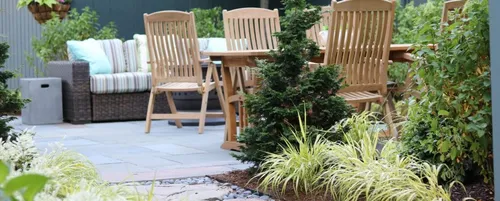
The Narrow Lane
78 Fremont St, Needham, MA 02494
The Narrow Lane is a landscaping and outdoor lighting company based in Boston, MA. They provide a full range of luxury outdoor services including landscape design, construction, lighting installation, and maintenance. Their expertise includes creating custom outdoor living spaces and hardscaping features such as fire pits. With decades of experience, The Narrow Lane offers year-round care and manages projects from initial design through completion.
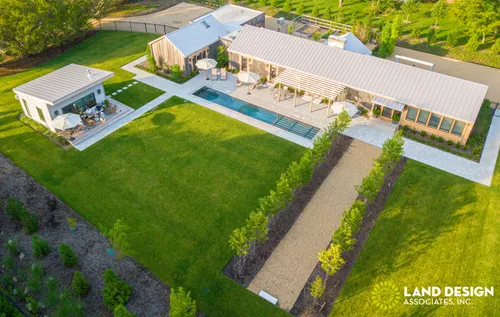
Land Design Associates
1415 Main St, Walpole, MA 02081
Land Design Associates is a landscaping and hardscaping company serving Boston, MA, and the surrounding Greater Boston area, including Norwood, Newton, Wellesley, Needham, Westwood, and Walpole. They offer comprehensive services from landscape design and installation to ongoing maintenance, working closely with clients to develop and execute personalized outdoor spaces. The company has over 30 years of experience and is known for managing projects from concept to completion, including specialized stonework and retaining walls.
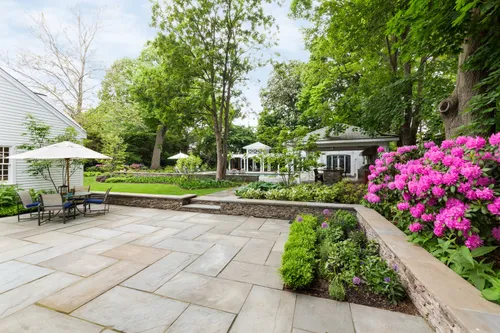
Premier Pavers & Hardscape Co
10 Lewis St #4, Lincoln, MA 01773
Premier Pavers & Hardscape Co is a landscaping and hardscaping contractor based in Boston, MA. They specialize in designing and building outdoor spaces such as patios, paver driveways, retaining walls, walkways, outdoor lighting, irrigation systems, and snow melt systems. With over 20 years of experience, they focus on creating durable and stylish landscapes that withstand New England's seasonal challenges. Their services include advanced drainage solutions to prevent pooling and ice buildup, ensuring functional and lasting outdoor environments.
Edin And Sons Tree Service
Boston, MA
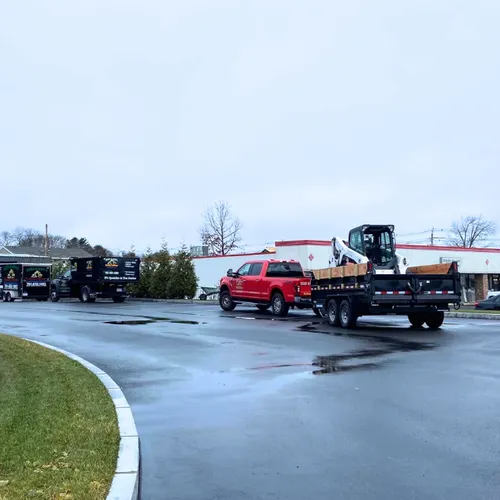
Edin And Sons Tree Service is a landscaping and tree care company serving Boston, MA. They offer a wide range of services including sod installation, landscape design, tree removal, stump grinding, yard drainage, sprinkler installation and repair, lawn care, and hardscaping such as patios and retaining walls. With 20 years of experience, they provide tailored solutions for both residential and commercial customers, focusing on practical landscaping and irrigation needs. Their capabilities include tree planting and transplanting, as well as drainage services to prevent lawn flooding.
Curbs Studio
445 Washington St, Wellesley, MA 02482
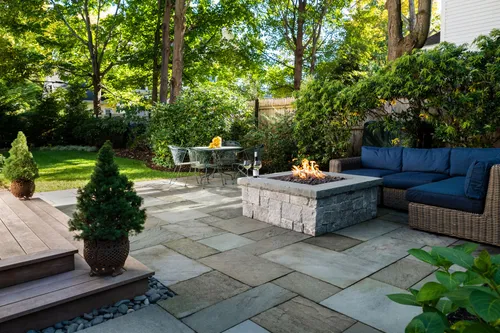
Curbs Studio is a full-service landscape design-build firm based in Boston, MA, serving the Greater Boston Metro West area including Wellesley, Newton, and Needham. With over 20 years of experience, they offer integrated landscape design, construction, and maintenance services. Their in-house team handles all phases of projects, from detailed design and permitting to construction and ongoing garden care. Curbs Studio specializes in creating refined outdoor spaces featuring sod installation, irrigation systems, hardscaping with retaining walls and patios, grading, and drainage solutions. They emphasize precision and craftsmanship, ensuring that each project is both beautiful and functional.
Understanding Worcester's Landscape Canvas
Successful landscape design in Worcester begins with a deep understanding of the local environment. The city's conditions present specific opportunities and challenges that should inform every design decision.
Climate Considerations: Worcester is in USDA Hardiness Zone 6b, which means winters can be quite cold, with average annual minimum temperatures dipping between -5 to 0°F. Summers are warm and can be humid. This climate demands a plant palette that is not only beautiful but also resilient, capable of withstanding frost, occasional drought, and summer heat. A thoughtful design will account for seasonal interest, ensuring your yard has color and structure throughout the year.
Soil and Drainage: The soil in much of Worcester and central Massachusetts is derived from glacial till, often making it rocky and variable. This can affect drainage and plant health. A key step in any design process is assessing your soil and amending it as necessary, often with compost, to improve nutrient content and structure. For areas with poor drainage, solutions like rain gardens can be both a functional and beautiful ecological feature.
Core Principles of a Functional Design
A well-designed landscape is organized, balanced, and serves your needs. Moving beyond basic aesthetics, these principles help create a space that is truly livable.
Creating Functional Zones: Think of your yard as a series of outdoor rooms. A good design plan will divide the space into distinct areas for different activities, such as a patio for dining and entertaining, a play area for children or pets, a vegetable or flower garden, and quiet zones for relaxation. Defining these zones creates an intuitive flow and maximizes the use of your entire property.
Ensuring Unity and Flow: The different zones of your landscape should feel connected, not isolated. This is achieved through the use of transitional spaces and repeating elements. Pathways made of stone or mulch guide movement, while consistent use of certain plants, colors, or materials throughout the design creates a sense of harmony and balance 1. A focal point, like a specimen tree, a water feature, or an art piece, can draw the eye and anchor the entire design.
Designing with Native and Adaptive Plants
Choosing the right plants is critical for a sustainable, low-maintenance, and ecologically beneficial landscape in Worcester.
The Benefits of Native Plants: Incorporating native trees, shrubs, and perennials is one of the smartest choices you can make. Plants like oak, maple, and birch provide strong structural elements, while native shrubs such as blueberry and viburnum offer seasonal interest and habitat for local birds and pollinators 2 3. Because they are adapted to the local climate and soils, native plants typically require less water, fewer fertilizers, and are more resistant to local pests and diseases.
Building a Resilient Plant Community: Beyond individual species, consider how plants work together. Mass plantings of shrubs or perennials create a more impactful visual statement and are easier to maintain than scattered, individual plants. Grouping plants with similar water and sun needs (a practice called hydrozoning) makes irrigation more efficient. Using a variety of plants that bloom at different times ensures your garden provides color and interest from spring through fall.
Find the perfect landscape design companies for your needs
Get personalized recommendations and expert advice
Incorporating Hardscape and Special Features
Hardscaping refers to the non-living, built elements of your landscape. These features define spaces, add function, and extend the usability of your outdoor area.
Patios, Decks, and Pathways: These are the foundations of your outdoor living areas. Materials like natural stone, pavers, or composite decking provide durable surfaces for furniture and foot traffic. The size, shape, and placement of a patio or deck should relate directly to the adjacent functional zone and the architecture of your home.
Outdoor Living Amenities: To truly make your yard an extension of your home, consider adding features that encourage gathering and relaxation. Built-in fire pits or outdoor fireplaces create a cozy focal point for cool evenings. For those who love to entertain, an outdoor kitchen with a grill, counter space, and even a sink can be a fantastic addition. Smaller touches, like a birdbath or a recirculating fountain, add the soothing sight and sound of water.
Understanding Investment and Value
The cost of implementing a landscape design in Worcester varies widely, as it is entirely dependent on the scope and complexity of your project. Being aware of general price ranges can help you plan and prioritize.
Project-Based Cost Ranges: Simple projects like refreshing plantings and mulch may start in the range of $1,000 to $5,000, depending on the size of the area and the types of plants selected. Installing a new paver or stone patio is a more significant investment, often ranging from $2,000 for a small, basic installation to $10,000 or more for larger, complex designs with high-end materials. A built-in fire pit typically costs between $1,500 and $4,000+.
Comprehensive Landscape Makeovers: For a full property transformation that includes professional design, new hardscaping, extensive planting, and special features, homeowners should be prepared for investments starting around $10,000 and easily reaching $50,000 or beyond 4. This reflects the cost of materials, skilled labor, and the long-term value a cohesive, well-built landscape adds to your property and daily life.
Frequently asked questions
Sources
Footnotes
-
How to Design a Landscape That Enhances Your Home's Beauty and Functionality - https://www.gelderman.com/blog/landscape-design-tips-to-enhance-beauty/ ↩
-
More Than Just a Yard - Mass.gov - https://www.mass.gov/doc/more-than-just-a-yard-ecological-landscaping-tools-1/download ↩
-
10 Tips for a Low-Maintenance, Eco-Friendly Backyard - https://tataandhoward.com/10-tips-for-a-low-maintenance-eco-friendly-backyard/ ↩
-
Matthew Cunningham Landscape Design - https://www.matthew-cunningham.com/MCLD-Portfolio.pdf ↩