Find the Best Landscape Design Companies for Your Business
No obligation • Fast responses • Nationwide coverage

Why you can trust Landscape Atlas
Landscape Atlas is a leading United States resource for evaluating landscaping, lawn care, and outdoor service providers. Our team researches each category in depth, focusing on service quality, safety, and customer experience. Listings and rankings are based on independent criteria and user feedback, and companies cannot pay to influence our assessments or recommendations.
Search providers near you
Top Landscape Design Companies in Pontiac, Michigan Ranked
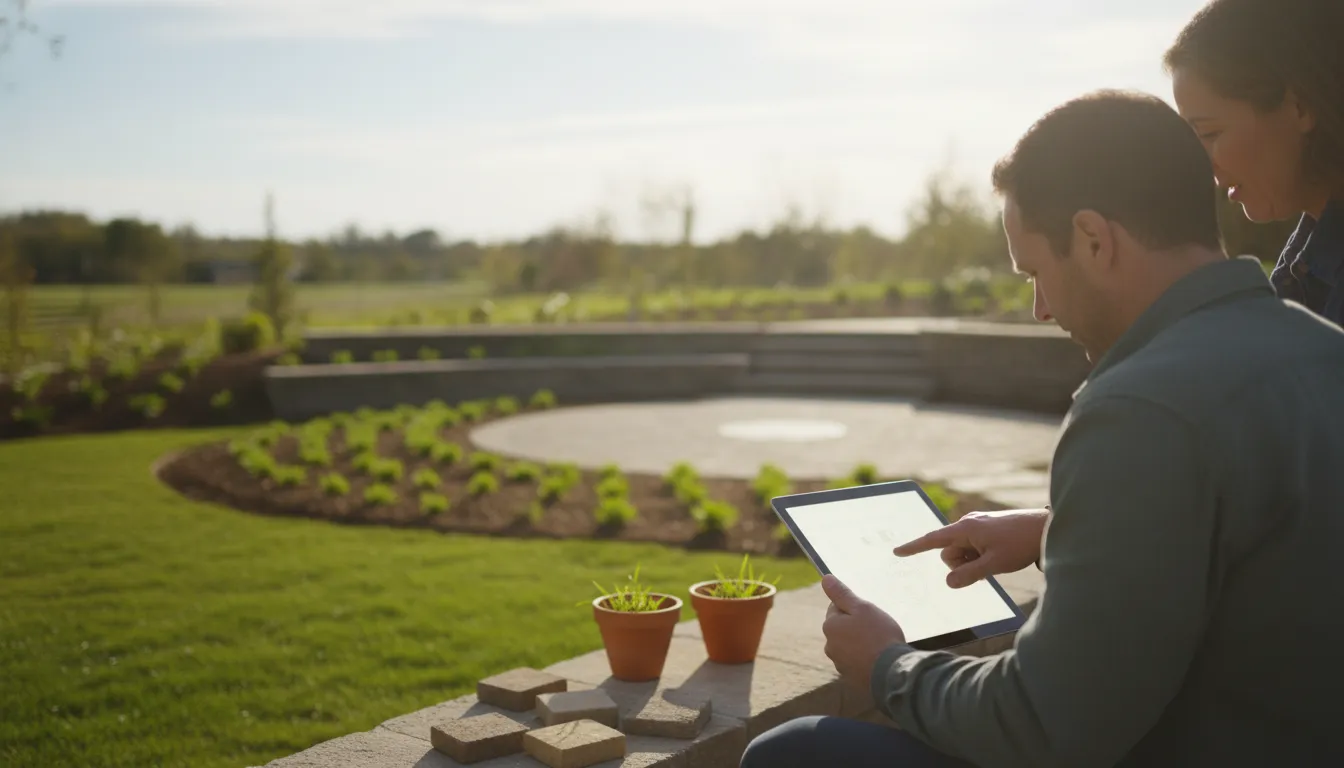
Creating a beautiful and functional outdoor space in Pontiac requires a thoughtful approach that works with the local environment. Landscape design is the art of planning and arranging the elements of your yard-from plants and patios to lighting and drainage-to create an outdoor living area that is both aesthetically pleasing and practical for your lifestyle. A well-executed design can transform your property, boosting curb appeal, creating private retreats, and adding significant value to your home. This guide will help you understand the key considerations, popular features, and planning strategies for successful garden and yard design in Pontiac, empowering you to connect with local professionals who can bring your vision to life.
Grow Garden and Landscape Design
21325 S Chrysler Dr, Hazel Park, MI 48030
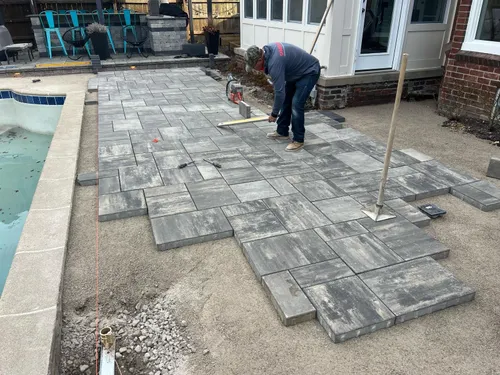
Grow Garden and Landscape Design is a landscaping company based near Detroit, MI, specializing in custom landscape design and outdoor transformations. They offer services that include new patios and complete lawn makeovers tailored to Michigan homeowners. The company focuses on creating outdoor spaces that reflect each client's unique story, supported by positive customer testimonials. Their expertise covers a range of landscaping solutions to enhance residential properties in the Detroit area.
Turrific Turf Artificial Grass Landscaping & Curbing
1125 Chateau Ave, Windsor, ON N8P 0G2, Canada
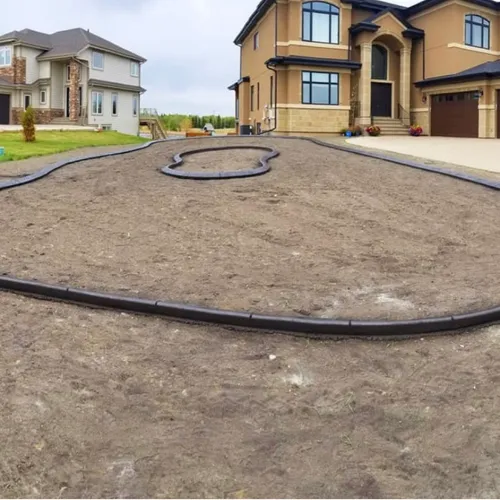
Turrific Turf Artificial Grass Landscaping & Curbing is a family-owned landscaping company based near Detroit, MI, specializing in sod installation, artificial turf, and landscape design. They work closely with customers in the Windsor area to create customized landscape designs using high-quality turf products. The team focuses on delivering tailored landscaping solutions that align with customer preferences and budgets.
Capek's Landscaping
Detroit, MI
Capek's Landscaping is a family-operated landscaping company serving Detroit, MI, and the surrounding metro Detroit area. With over 22 years of experience, they offer a wide range of services including landscape design and build, hardscaping with retaining walls and custom patios, sod and sprinkler installation, fencing, grading, and yard drainage. They also provide landscape supplies and delivery, focusing on both residential and commercial projects across Macomb and Wayne Counties. Their expertise extends to complete yard maintenance and snow removal, making them a comprehensive yard solutions provider.
All Seasons Services, landscaping, excavating, dumpster, demo,
33511 Stevenson St, Clinton Township, MI 48035
All Seasons Services is a landscape design company based in Detroit, MI, offering a wide range of outdoor solutions including landscaping, excavation, dumpster rental, and demolition. They serve residential, commercial, and industrial clients, providing tailored services to enhance outdoor spaces. One notable capability is their efficient dumpster rental service, with options suitable for various project sizes and quick delivery times. The company emphasizes quality and efficiency in all their projects.
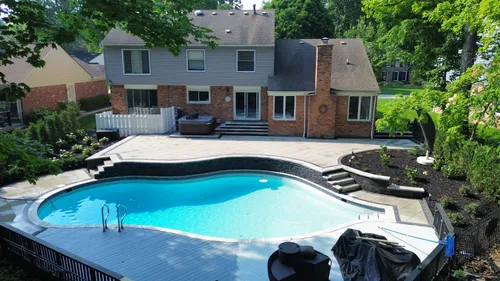
Tino's Outdoor Services
Detroit, MI
Tino's Outdoor Services is a landscaping and hardscaping company based in Detroit, MI. They offer landscape design, installation, and maintenance services, including hardscape features like pavers and retaining walls. Serving Detroit and nearby communities such as Northville, Novi, Plymouth, Dearborn, and Taylor, they focus on creating personalized outdoor living spaces that combine beauty and functionality. Established in 2021, Tino's Outdoor Services emphasizes client collaboration and satisfaction throughout the design and build process.
Understanding Pontiac's Landscape Environment
Successful garden planning in Pontiac starts with a deep respect for the local climate and soil conditions. Pontiac experiences a classic four-season Metro Detroit climate with cold, snowy winters and warm, humid summers. This places the area in USDA Hardiness Zones 6a and 6b, which dictates the selection of cold-hardy plants that can survive winter temperatures. The significant snow and ice load in winter also influences hardscape choices, requiring materials and construction methods that can withstand freeze-thaw cycles.
Perhaps the most critical factor for Pontiac homeowners is the soil. The region is known for its heavy clay soils, which can present challenges for plant health and yard drainage. Clay soil drains slowly and can become compacted, limiting root growth and oxygen availability. A foundational step in any landscape architecture project here is addressing soil health. This often involves amending the soil with organic matter like compost to improve its structure, drainage, and nutrient content, creating a better environment for your investment in plants and lawns to thrive 1.
Finally, careful observation of your property's sunlight patterns is essential. Assessing which areas receive full sun (6+ hours), part shade, or full shade throughout the day will directly guide your plant selection and the placement of functional living areas, ensuring each element is positioned for success.
The Zoning Approach to Residential Design
Professional landscape designers often use a zoning concept to organize outdoor space efficiently and beautifully. This method divides your property into distinct areas based on function.
- The Public Zone (Front Yard): This area is all about curb appeal and creating a welcoming first impression. Design focuses on the view from the street, often featuring defined entryways, attractive foundation plantings, manicured lawn areas, and perhaps low walls or decorative fencing. The goal is to create an inviting approach to your home that complements its architecture.
- The Private Zone (Backyard): This is your personal sanctuary for relaxation, entertainment, and family time. Backyard design prioritizes creating "rooms" for different activities, such as a dining patio, a fire pit conversation area, a play lawn, or a quiet reading nook. Privacy screening, comfortable seating, and ambient features are key here.
- The Service Zone: Every property needs a practical area for utilities. This zone is designed to discreetly house trash and recycling bins, composting stations, garden tool storage, air conditioning units, or firewood piles. Clever screening with lattice, fencing, or strategic plantings can integrate these necessary functions into the overall plan without sacrificing beauty 2.
Key Elements of Pontiac Landscape Design
A complete outdoor design integrates both "hard" and "soft" elements to create a cohesive environment.
Hardscaping: This refers to the non-living, structural components of your yard. In Pontiac, popular features include:
- Patios & Walkways: Constructed from materials like concrete pavers, natural stone, or poured concrete to define gathering spaces and circulation paths.
- Retaining Walls: Used to manage sloped properties, create level planting areas, and add visual interest. They are crucial for proper erosion control.
- Fire Features: Fire pits or outdoor fireplaces extend the usability of your backyard into cooler evenings, creating a natural gathering spot.
- Functional Structures: Elements like pergolas, arbors, and decks provide shade, architectural definition, and vertical interest.
Plantings: The living layer softens hardscapes and brings color, texture, and life to your design. For resilience and lower maintenance, Pontiac designers often recommend:
- Native Plants: Species like Purple Coneflower (Echinacea), native grasses, and Oak trees are adapted to local conditions, requiring less water and care while supporting local ecosystems.
- Seasonal Interest: A mix of trees (Maples, Oaks), shrubs (Hydrangeas, Spirea), and perennials (Hostas) ensures visual appeal across spring, summer, and fall.
- Layered Beds: Planting in layers-from ground covers to shrubs to small trees-creates depth, fullness, and a professional look.
Lighting & Functionality:
- Outdoor Lighting: Strategically placed path lights, spotlights to accent architectural or botanical features, and ambient deck lighting enhance safety, security, and beauty after dark, allowing you to enjoy your landscape at all hours 3.
- Drainage Solutions: Given the clay soil, integrating solutions like French drains, dry creek beds, or rain gardens is not just an add-on but a critical component for protecting your home's foundation and ensuring plant health.
Find the perfect landscape design companies for your needs
Get personalized recommendations and expert advice
Investment and Phasing Your Project
The cost of landscape design and installation in Pontiac varies widely based on the scope, materials, and size of your property. Understanding typical investment ranges can help in planning.
- Basic Updates ($1,000 - $5,000): This tier often includes cosmetic enhancements like refreshing mulch beds, adding new seasonal color plants, installing landscape edging, or putting in a few solar path lights. It's a great way to refresh an existing layout without a major overhaul.
- Mid-Range Transformations ($7,500 - $25,000): At this level, you might undertake a full lawn renovation, a complete garden bed redesign, install a new paver walkway or small patio, or address foundational issues like basic drainage and soil amendment alongside new plantings and lighting.
- Major Outdoor Living Renovations ($25,000+): Comprehensive projects fall into this category. This includes building large-scale patios or decks, outdoor kitchens with amenities, extensive grading and retaining walls, sophisticated low-voltage lighting systems, and custom water features. These projects essentially create additional functional living space for your home 4 5.
A smart strategy for managing budget and disruption is phasing. You can develop a master plan for your entire property with a designer and then execute it in stages over several seasons or years. This allows you to prioritize urgent needs (like drainage) or high-use areas (like a backyard patio) first, spreading the financial investment over time while working toward a complete vision.
Principles for a Successful Design
Beyond the specific elements, great landscape architecture is guided by timeless principles. These include:
- Unity & Harmony: A cohesive feel where all parts of the design relate to each other and the style of your home.
- Balance: Creating visual equilibrium, whether symmetrical (formal) or asymmetrical (informal).
- Proportion & Scale: Ensuring the size of plants, patios, and other elements feels appropriate relative to your house and each other.
- Rhythm & Repetition: Using repeated colors, textures, or forms to guide the eye through the space.
- Focal Points: Creating intentional accents-like a specimen tree, a sculpture, or a fire feature-that draw attention 6 7.
For Pontiac, two additional, practical principles are paramount:
- Prioritize Native and Adaptive Plants: Choosing plants suited to Zone 6 and tolerant of clay soil reduces long-term watering, fertilizing, and pest control needs, leading to a more sustainable and low-maintenance yard 8.
- Design for Drainage First: Integrating water management solutions from the start is more effective and less costly than retrofitting them later. A good plan will always consider how water flows across your property.
By combining these artistic principles with practical, location-specific strategies, you can create an outdoor space in Pontiac that is not only beautiful but also durable, functional, and a true extension of your home.
Frequently asked questions
Sources
Footnotes
-
Landscape Plans - Make Free Landscape Designs Online - Canva - https://www.canva.com/create/landscape-plans/ ↩
-
Spruce Up Your Site: How to Plan a Residential Landscape Design - https://www.skh.com/blog/residential-landscape-design/ ↩
-
Learn how modern landscape design can harness the beauty of nature. - https://www.mymodernhome.com/blog/modern-landscape-design-ideas-for-your-dream-home/ ↩
-
Landscape Pricing Guide For Oakland County MI Homeowners - https://silvacustomdesign.com/landscape-pricing-guide/ ↩
-
The Ultimate Residential Landscape Design Inspiration Guide ... - https://landscape-gardens.com/general/residential-landscape-design-guide-for-birmingham-mi/ ↩
-
What are the 7 Principles of Landscape Design? - https://hearnlandscape.com/what-are-the-7-principles-of-landscape-design/ ↩
-
Principles of Landscape Design - Colorado Master Gardener - https://cmg.extension.colostate.edu/Gardennotes/413.pdf ↩
-
10 Tips for a Low-Maintenance, Eco-Friendly Backyard - https://tataandhoward.com/10-tips-for-a-low-maintenance-eco-friendly-backyard/ ↩