Find the Best Landscape Design Companies for Your Business
No obligation • Fast responses • Nationwide coverage

Why you can trust Landscape Atlas
Landscape Atlas is a leading United States resource for evaluating landscaping, lawn care, and outdoor service providers. Our team researches each category in depth, focusing on service quality, safety, and customer experience. Listings and rankings are based on independent criteria and user feedback, and companies cannot pay to influence our assessments or recommendations.
Search providers near you
Top Landscape Design Companies in Portage, Michigan Ranked
Transforming your outdoor space in Portage into a beautiful, functional extension of your home begins with thoughtful landscape design. This process involves planning the layout, selecting plants, and integrating features that work with Michigan's unique climate to create a cohesive and enjoyable environment. Whether you're looking to enhance curb appeal, create an outdoor living room, or establish a pollinator-friendly garden, understanding local design principles and options can help you connect with the right professionals to bring your vision to life.
Understanding Portage's Landscape Environment
Successful outdoor planning in Portage starts with a deep understanding of the local environmental conditions. The city falls within USDA Hardiness Zones 5b and 6a, which dictates a palette of plants that can withstand cold winters with average minimum temperatures dipping to -15°F to -5°F. This zone classification is the first filter for any planting plan, ensuring long-term survival and reducing replacement costs.
The soil in this region is often clay-based, which presents both challenges and opportunities for garden design. Clay soil retains moisture well but can drain poorly, leading to waterlogged roots in some plants. Proper soil preparation is therefore a critical first step in any project. Amending the soil with organic compost is essential to improve drainage, aeration, and fertility, creating a healthier foundation for your plants1. Furthermore, understanding the sunlight patterns in your yard-full sun, partial shade, or full shade-is crucial for placing both plants and functional activity areas like patios or dining spaces.
Core Principles for Local Outdoor Planning
Applying fundamental design principles ensures your yard is not only beautiful but also practical and sustainable. These concepts guide the arrangement of all elements in your space.
- Unity and Balance: A cohesive design makes a yard feel intentional and restful. This can be achieved by repeating key plants, colors, or materials (like stone or wood) throughout different areas. Balance can be symmetrical (mirroring elements on either side of a path) or asymmetrical (achieving visual weight through different elements).
- Simplicity and Flow: Avoiding clutter by focusing on a few strong design elements often creates a more powerful impact. Flow refers to how people and the eye move through the space. Curving pathways, strategic plant groupings, and clearly defined zones guide movement and create a natural, inviting journey through the landscape.
- Functionality and Connection: Your yard should be designed for how you live. This means creating distinct functional zones for dining, lounging, cooking, and play. A key trend is seamlessly connecting indoor and outdoor spaces. Using large doors, continuing interior flooring materials outside, or creating visual sightlines from inside the home can blur the boundary and make your outdoor area feel like another room.
Popular Design Styles and Features in Portage
Homeowners in Portage are embracing designs that blend aesthetics with extended usability and environmental responsibility.
Modern and Contemporary Designs: This style is characterized by clean lines, geometric shapes, and a minimalist approach. Think sleek concrete or large-format paver patios, integrated bench seating, and structured pergolas. The focus is on architectural elements and a curated selection of plants, often using grasses and shrubs for texture.
Eco-Friendly and Sustainable Landscaping: With a growing emphasis on environmental stewardship, many designs now incorporate native plants, which are adapted to local conditions, require less water, and provide crucial habitat for pollinators like bees and butterflies. Rain gardens and bioswales are also popular functional features that manage stormwater runoff naturally while adding beauty 2.
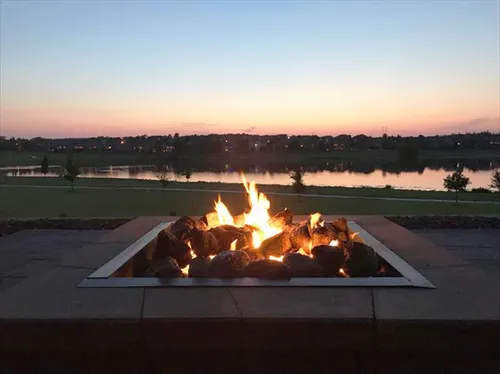
Outdoor Living Rooms: The demand for fully-equipped exterior spaces continues to rise. Designs often integrate patios with built-in fire pits or fireplaces, outdoor kitchens with countertops and appliances, and sheltered structures like pavilions or pergolas with retractable awnings. Amenities such as weather-resistant televisions, sophisticated lighting schemes, and infrared heaters are incorporated to extend the usability of these spaces well into Michigan's cooler seasons.
Find the perfect landscape design companies for your needs
Get personalized recommendations and expert advice
Key Elements of a Complete Design Plan
A comprehensive landscape design involves both the "softscape" (living elements) and the "hardscape" (built elements).
Hardscaping Features: This forms the backbone of your functional space.
- Patios and Walkways: Materials range from natural flagstone and brick to modern concrete pavers. Permeable pavers are an excellent eco-friendly choice that allows water to seep through and recharge groundwater.
- Decks: Composite decking is a popular low-maintenance alternative to wood, resisting rot and fading.
- Retaining Walls: Useful for managing slopes, creating planting beds, and defining spaces. They can be built from stone, brick, or modular block systems.
- Focal Points: Elements like a fire pit, water feature, or a striking specimen tree create visual interest and draw the eye through the design3.
Planting Strategies: Plant selection should follow the "right plant, right place" philosophy, considering sunlight, soil moisture, and mature size. Layering plants-from tall trees and shrubs down to perennials and groundcovers-creates depth and fullness. Emphasizing native species supports local ecology and typically results in a lower-maintenance garden.
Structures and Amenities: These elements provide comfort, shelter, and definition.
- Pergolas & Pavilions: Offer partial shade and architectural height.
- Lighting: Strategic lighting enhances safety, highlights key features (like trees or water elements), and allows for evening use.
- Irrigation: A well-planned irrigation system, especially drip lines for planting beds, conserves water and ensures plant health.
Investment and Project Scope
The cost of a landscape design project in Portage varies dramatically based on the scope, materials, and complexity. It's helpful to think in terms of project tiers:
- Basic Updates & Refinements ($500 - $3,000): This tier includes projects like refreshing mulch and river rock beds, adding new flowering perennials or shrubs, planting a small tree, or giving an existing patio a minor refresh with container gardens and seasonal color.
- Mid-Range Transformations ($3,000 - $15,000): At this level, you might install a new medium-sized paver patio, construct a fire pit area with seating walls, build a basic outdoor kitchen island with a grill, or create a dedicated garden area like a rain garden or pollinator border 4.
- High-End Outdoor Living Spaces ($15,000 - $50,000+): Comprehensive projects fall into this range. This could include a large, intricate patio with multiple levels, a full outdoor kitchen with premium appliances and stone countertops, custom-built pergolas or pavilions, extensive hardscaping with retaining walls and walkways, and sophisticated lighting and audio systems5 6.
Planning for Long-Term Success
A great design is one that remains beautiful and manageable for years to come. Opting for native plants and drought-tolerant species significantly reduces the need for watering and pest control7. Choosing quality, low-maintenance materials for hardscaping, like composite decking or certain stone types, minimizes future upkeep. Most importantly, a well-conceived master plan allows you to execute your vision in phases as time and budget allow, ensuring all future additions work harmoniously with the initial work.
Frequently asked questions
Sources
Footnotes
-
Five Essential Steps to Prepare Your Soil for Landscaping - https://idealrockaway.com/blog/soil-preparation-five-steps/ ↩
-
ENH1112/EP375: Landscape Design: Ten Important Things to Consider - https://edis.ifas.ufl.edu/publication/EP375 ↩
-
What are the 7 Principles of Landscape Design? - https://hearnlandscape.com/what-are-the-7-principles-of-landscape-design/ ↩
-
Learn how modern landscape design can harness the beauty of nature. - https://www.mymodernhome.com/blog/modern-landscape-design-ideas-for-your-dream-home/ ↩
-
Top 7 Landscape Design Trends for Michigan Homes in 2025 - https://luxuryresortsdesign.com/top-7-landscape-design-trends-for-michigan-homes-in-2025/ ↩
-
The Cost of Designing a Backyard: Factors, Estimates, and Considerations - https://www.needforbuild.com/the-cost-of-designing-a-backyard-factors-estimates-and-considerations/ ↩
-
10 Tips for a Low-Maintenance, Eco-Friendly Backyard - https://tataandhoward.com/10-tips-for-a-low-maintenance-eco-friendly-backyard/ ↩