Find the Best Landscape Design Companies for Your Business
No obligation • Fast responses • Nationwide coverage

Why you can trust Landscape Atlas
Landscape Atlas is a leading United States resource for evaluating landscaping, lawn care, and outdoor service providers. Our team researches each category in depth, focusing on service quality, safety, and customer experience. Listings and rankings are based on independent criteria and user feedback, and companies cannot pay to influence our assessments or recommendations.
Search providers near you
Top Landscape Design Companies in Taylor, Michigan Ranked
Creating a beautiful and functional outdoor space in Taylor requires a thoughtful approach that considers the local climate, soil conditions, and your personal lifestyle. Landscape design is the art and science of planning and arranging these outdoor elements to create an aesthetically pleasing, sustainable, and usable environment. It matters because a well-designed yard not only enhances your home's curb appeal and value but also provides a personal retreat for relaxation and entertainment. This guide will help you understand the key considerations for your Taylor property and how to connect with local professionals who can bring your vision to life.
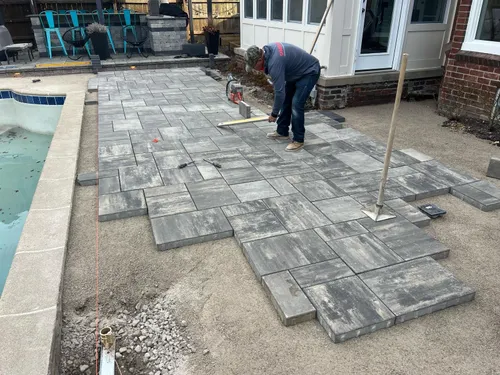
Grow Garden and Landscape Design
21325 S Chrysler Dr, Hazel Park, MI 48030
Grow Garden and Landscape Design is a landscaping company based near Detroit, MI, specializing in custom landscape design and outdoor transformations. They offer services that include new patios and complete lawn makeovers tailored to Michigan homeowners. The company focuses on creating outdoor spaces that reflect each client's unique story, supported by positive customer testimonials. Their expertise covers a range of landscaping solutions to enhance residential properties in the Detroit area.
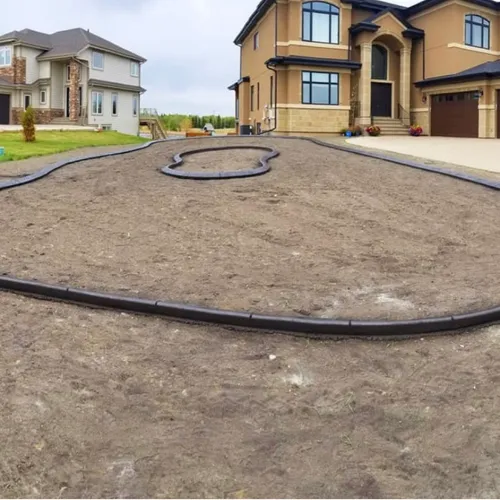
Turrific Turf Artificial Grass Landscaping & Curbing
1125 Chateau Ave, Windsor, ON N8P 0G2, Canada
Turrific Turf Artificial Grass Landscaping & Curbing is a family-owned landscaping company based near Detroit, MI, specializing in sod installation, artificial turf, and landscape design. They work closely with customers in the Windsor area to create customized landscape designs using high-quality turf products. The team focuses on delivering tailored landscaping solutions that align with customer preferences and budgets.
Capek's Landscaping
Detroit, MI
Capek's Landscaping is a family-operated landscaping company serving Detroit, MI, and the surrounding metro Detroit area. With over 22 years of experience, they offer a wide range of services including landscape design and build, hardscaping with retaining walls and custom patios, sod and sprinkler installation, fencing, grading, and yard drainage. They also provide landscape supplies and delivery, focusing on both residential and commercial projects across Macomb and Wayne Counties. Their expertise extends to complete yard maintenance and snow removal, making them a comprehensive yard solutions provider.

All Seasons Services, landscaping, excavating, dumpster, demo,
33511 Stevenson St, Clinton Township, MI 48035
All Seasons Services is a landscape design company based in Detroit, MI, offering a wide range of outdoor solutions including landscaping, excavation, dumpster rental, and demolition. They serve residential, commercial, and industrial clients, providing tailored services to enhance outdoor spaces. One notable capability is their efficient dumpster rental service, with options suitable for various project sizes and quick delivery times. The company emphasizes quality and efficiency in all their projects.
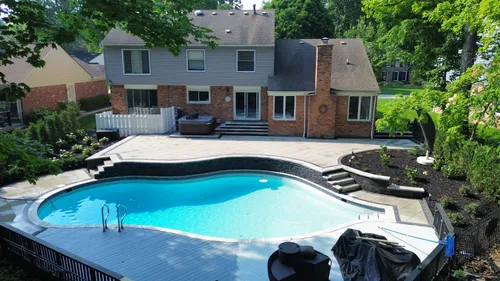
Tino's Outdoor Services
Detroit, MI
Tino's Outdoor Services is a landscaping and hardscaping company based in Detroit, MI. They offer landscape design, installation, and maintenance services, including hardscape features like pavers and retaining walls. Serving Detroit and nearby communities such as Northville, Novi, Plymouth, Dearborn, and Taylor, they focus on creating personalized outdoor living spaces that combine beauty and functionality. Established in 2021, Tino's Outdoor Services emphasizes client collaboration and satisfaction throughout the design and build process.
Understanding Taylor's Unique Landscape Environment
Successful outdoor design in Taylor begins with a deep understanding of the local environment. The city falls within USDA Hardiness Zones 5b and 6a, which means residents experience cold winters with average annual minimum temperatures dipping between -10°F and -5°F. This climate dictates plant selection, favoring cold-hardy perennials, shrubs, and trees that can withstand the seasonal freeze-thaw cycles. Ignoring this factor can lead to costly plant loss and a landscape that fails to thrive year after year.
Equally important is the soil. Taylor's soil profile is often characterized by heavy clay, which can become compacted and retain excessive moisture. While this provides a stable base, it can challenge plant roots by limiting drainage and aeration. A foundational step in any landscape plan for this area involves soil assessment and amendment. Incorporating organic matter like compost or using sand to improve texture is frequently recommended to create a healthier growing medium for your plants.
Finally, a site analysis of sunlight patterns is crucial. Observe your yard throughout the day to map out areas of full sun, partial shade, and full shade. This simple step ensures you select the right plant for the right place, preventing sun-loving species from languishing in shadow and shade-tolerant plants from scorching in direct light. This thoughtful groundwork is the first mark of professional-grade garden design.
Core Principles for Taylor Yard Design
With the environmental basics in hand, you can apply core design principles tailored to suburban Michigan living. The goal is to create a cohesive plan that balances beauty, function, and sustainability.
Enhancing Curb Appeal: The front yard is your home's first impression. Effective landscape architecture here focuses on framing the entryway. This can be achieved with symmetrical foundation plantings, a specimen tree as a focal point, and layered beds that guide the eye toward the front door. Thoughtful plant selection ensures visual interest across seasons, even in winter.
Creating Defined Zones: A common pitfall is a yard that feels like one undifferentiated space. Good design breaks the area into purposeful zones. Dedicate areas for a healthy lawn (if desired), lush planting beds filled with perennials and groundcovers, and distinct outdoor living spaces. Using hardscape elements like low walls, pathways, or changes in elevation can subtly define these zones without the need for fences.
Implementing Low Impact Development (LID): Managing water is a critical, functional aspect of modern landscaping in Taylor. Low Impact Development techniques are designed to manage stormwater runoff sustainably on your property 1. Instead of water rushing toward storm drains, LID strategies like rain gardens (shallow depressions planted with water-tolerant natives) or permeable pavers for driveways and patios allow water to infiltrate the ground naturally 1. This reduces strain on municipal systems, filters pollutants, and recharges groundwater-a smart, beautiful solution for the local clay-heavy soil.
Find the perfect landscape design companies for your needs
Get personalized recommendations and expert advice
Popular Features for Outdoor Living Spaces
Transforming your backyard into an extension of your home is a major trend. A well-executed landscape plan integrates features that encourage you to spend more time outdoors, tailored to entertainment and relaxation.
Patios and Decks: These form the "floor" of your outdoor room. Materials range from classic concrete and natural stone to interlocking pavers and low-maintenance composite decking. The choice depends on your budget, desired aesthetic, and how you plan to use the space, whether for dining, lounging, or both.
Fire Features: A fire pit or outdoor fireplace serves as a natural gathering point, extending the usability of your yard into the cooler spring and fall evenings. Built-in stone or brick fire pits can range from simple circles to elaborate structures with seating walls, becoming a central design element.
Outdoor Lighting: Professional lighting design does more than just illuminate a path. It adds safety, security, and dramatic beauty. Techniques include uplighting to highlight the architectural form of a tree, path lighting for safe navigation, and accent lighting to wash a wall or feature. This layer of design ensures your landscape can be enjoyed after sunset.
Additional Amenities: For those looking to fully invest in an outdoor oasis, consider adding a water feature like a small recirculating fountain for soothing sounds, or an outdoor kitchen complete with a built-in grill, counter space, and storage. These features turn routine activities into special occasions in your own backyard.
Investment and Budgeting for Your Project
The cost of landscape design and installation in Taylor varies widely based on the complexity, materials, and size of your project. Understanding general price ranges can help you set realistic expectations and prioritize elements within your plan.
- Planting Beds & Garden Installation: Establishing new perennial beds, shrub borders, or foundation plantings can range from $500 for a small, simple bed to $3,000 or more for large, intricate designs with mature, specimen plants.
- Hardscaping - Patios & Walkways: This is often a significant portion of the budget. A paver or natural stone patio typically costs between $2,000 and $8,000 or more for a standard 100-square-foot area, with final price heavily influenced by material choice, site preparation, and design complexity.
- Built-In Features: A permanent, masonry fire pit often falls in the $1,000 to $4,000+ range. More elaborate outdoor kitchens or water features will command a higher investment.
- Comprehensive Yard Transformation: For a full-yard makeover that includes design, new lawns, multiple planting beds, a patio, and a feature like a fire pit, homeowners can expect investments starting around $5,000 and easily reaching $20,000 or more for premium materials and extensive work 2 3.
The most successful Taylor landscapes are those that skillfully balance aesthetics with practical function. They use resilient plants suited to the local climate, improve challenging soils, create inviting and defined spaces for both curb appeal and personal enjoyment, and manage water resources wisely through thoughtful design. By partnering with a knowledgeable local designer who understands these principles, you can create an outdoor space that provides lasting value and enjoyment.
Frequently asked questions
Sources
Footnotes
-
Low Impact Development Manual for Michigan - https://www.swmpc.org/downloads/lidmanual.pdf ↩ ↩2
-
Landscaping Recommendations | Taylor, MI - https://www.cityoftaylor.com/633/Landscaping-Recommendations ↩
-
Designing Functional Outdoor Living Spaces: Transform Your ... - https://www.hiltonheadlandscapes.com/designing-functional-outdoor-living-spaces ↩