Find the Best Landscape Design Companies for Your Business
No obligation • Fast responses • Nationwide coverage

Why you can trust Landscape Atlas
Landscape Atlas is a leading United States resource for evaluating landscaping, lawn care, and outdoor service providers. Our team researches each category in depth, focusing on service quality, safety, and customer experience. Listings and rankings are based on independent criteria and user feedback, and companies cannot pay to influence our assessments or recommendations.
Search providers near you
Best Landscape Design Companies in Minnesota Ranked
Creating a beautiful and functional outdoor space in Minnesota requires a thoughtful approach that embraces the state's unique climate. A well-executed landscape design transforms your property into a year-round asset, enhancing curb appeal, creating usable living areas, and supporting local ecosystems. This guide provides essential information on styles, plant selection, costs, and regulations to help you navigate your project and connect with skilled professionals who can bring your vision to life.
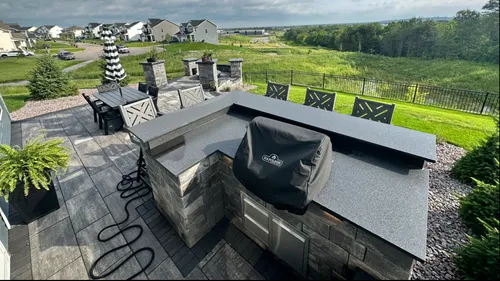
Pioneer Landscaping LLC
1694 Ivory Ave N, Lake Elmo, MN 55042
Pioneer Landscaping LLC is a full-service landscaping company based in St Paul, MN, offering a wide range of services including hardscaping, outdoor living spaces, sod and irrigation installation, sport court and pool installation, and year-round property maintenance for both residential and commercial clients. They serve the St Paul area along with nearby communities such as Lake Elmo, Woodbury, Stillwater, and White Bear Lake. Founded in 2020, the company emphasizes dedicated crews and specialized managers to deliver precise results and sustainable practices. Pioneer Landscaping also provides 24/7 emergency services, ensuring support through all seasons.
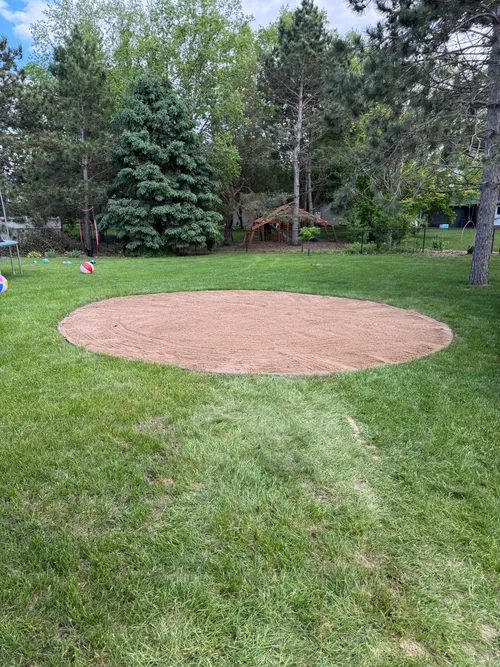
Wilkerson's Landscaping Services, LLC
Minneapolis, MN
Wilkerson's Landscaping Services, LLC provides commercial and residential landscaping services in Minneapolis, MN. With over 11 years of industry experience, they offer custom landscape designs, plant and tree selection, lawn mowing, and recurring lawn maintenance. Their service area includes Edina, Woodbury, and St Paul, focusing on enhancing business properties with professional and appealing outdoor spaces. The company is licensed and insured, emphasizing quality work and customer satisfaction.

Dean Bjorkstrand Landscaping
5508 Clinton Ave, Minneapolis, MN 55419
Dean Bjorkstrand Landscaping is a landscaping and design company based in Minneapolis, MN, serving the Twin Cities metro area and beyond. Since 1983, the company has specialized in creating unique outdoor living spaces including patios, retaining walls, walkways, gardens, water features, and outdoor lighting. They understand the local weather and soil conditions, ensuring landscapes that remain vibrant and functional through cold winters and warm summers. Dean Bjorkstrand personally oversees each project from concept to completion, providing expert guidance and supervision throughout the process.
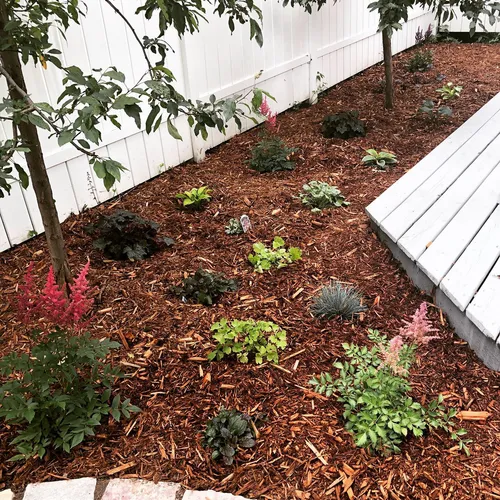
Open Space Gardens
Minneapolis, MN
Open Space Gardens is a sustainable landscaping company based in Minneapolis, MN, serving the Twin Cities metro area including St. Paul and surrounding neighborhoods. They specialize in creating nature-friendly outdoor spaces that support native plants, pollinators, and wildlife while promoting clean air and water. Their services include custom garden design, installation, chemical-free maintenance, and seasonal enhancements, all performed with electric-powered equipment to reduce environmental impact. Since 2015, Open Space Gardens has focused on sustainable practices such as using native species, composting, and minimizing soil disturbance to build healthy, low-maintenance landscapes.
Sota Landscaping
Minneapolis, MN
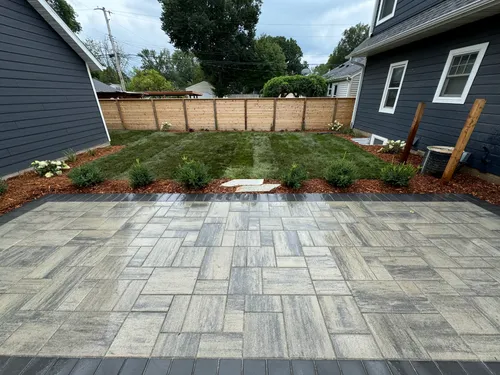
Sota Landscaping is a full-service landscaping company based in Minneapolis, MN. They provide a wide range of services including sod installation, artificial turf installation, landscape design, lawn care, hardscaping such as pavers and retaining walls, and commercial property maintenance. The company also offers snow and ice management services to handle winter weather conditions. Sota Landscaping emphasizes clear communication and client satisfaction throughout each project, ensuring outdoor spaces are both beautiful and functional.
Understanding Minnesota's Climate for Design
Successful landscape design in Minnesota starts with a deep respect for the local environment. The state experiences a wide range of conditions, from harsh, snowy winters (USDA Hardiness Zones 3-5) to warm, vibrant summers. This climate dictates every design decision, from plant hardiness to managing water from spring snowmelt and summer storms.
Key climate considerations include:
- Plant Survival: Selecting trees, shrubs, and perennials rated for Zone 4 or colder is non-negotiable for long-term success.
- Water Management: Proper grading, drainage, and the use of features like rain gardens are critical to handle precipitation and protect your property's foundation.
- Year-Round Planning: A great design provides visual interest across all seasons, utilizing evergreen structure, ornamental grasses, and plants with interesting bark or seed heads for winter appeal.
Popular Landscape Design Styles for Minnesota Homes
Several design styles are particularly well-suited to the Minnesota landscape, each offering a distinct aesthetic and functional approach.
Naturalistic & Native Gardens
This style emphasizes sustainability and ecological harmony. It involves using native plants like coneflowers, blazing star, and native grasses arranged in flowing, informal beds. Incorporating rain gardens and mimicking local plant communities reduces maintenance, supports pollinators, and creates a resilient landscape that thrives with minimal intervention 1.
Modern & Scandinavian Influences
Characterized by clean lines, geometric forms, and a restrained palette, this style focuses on creating functional outdoor "rooms." Think of sleek paver patios, minimalist planting beds with grasses and structural shrubs, and simple water features. The use of neutral colors and natural materials like stone and weathered wood is common, creating a serene and orderly space 2.
Traditional & Formal Designs
For a timeless look, traditional landscapes offer symmetry, defined planting beds, and classic features. This may include structured hedges (using hardy varieties like boxwood or yew), symmetrical flower beds with roses and peonies, and focal points like a central fountain or urn. This style brings a sense of established elegance and order to a property.
Essential Elements of a Great Design
Beyond style, effective landscapes are built on core design principles that ensure beauty and usability 3 4.
- Form and Structure: This refers to the shapes created by plants and hardscapes. Combining different forms-upright, mounding, spreading-creates visual interest. Evergreens and hardscape elements provide crucial structure that lasts through winter.
- Color and Texture: Color creates mood and draws the eye, while texture adds depth. Plan for a succession of bloom colors throughout the seasons and combine plants with varied leaf textures (fine, coarse, glossy) for a rich tapestry.
- Function and Flow: A landscape should be designed for how you live. Clearly define spaces for dining, play, gardening, and relaxation. Ensure paths are logically placed and comfortably sized, and that the layout facilitates easy movement and use.
Plant Selection for a Resilient Yard
Choosing the right plants is the cornerstone of a low-maintenance, thriving landscape in Minnesota.
- Prioritize Native and Adapted Species: Plants like Little Bluestem, Purple Coneflower, Bee Balm, and Minnesota-native shrubs (e.g., American Highbush Cranberry) are adapted to local soils, pests, and weather extremes, requiring less water and care once established 5 6.
- Assess Your Site Conditions: Before planting, evaluate the sunlight, soil type, and moisture levels in different areas of your yard. Match plants to these conditions (e.g., shade-loving hostas for under trees, drought-tolerant sedums for hot, sunny slopes).
- Plan for Four-Season Interest: Include a mix of plants that offer beauty year-round: spring bulbs, summer perennials, fall foliage from trees like maples, and winter interest from evergreens, red-twig dogwood stems, or ornamental grass plumes.
Water Management and Sustainability
Smart water handling is both an environmental necessity and a practical concern for protecting your home.
- Rain Gardens: These shallow, planted depressions are designed to capture and filter runoff from roofs and driveways, allowing it to soak into the ground. They are an effective and beautiful way to manage stormwater and reduce pollution 7.
- Permeable Hardscaping: Options like permeable pavers, gravel, or spaced flagstone allow water to infiltrate the ground rather than running off into storm drains.
- Efficient Irrigation: If an irrigation system is used, modern drip irrigation or smart controllers that adjust watering based on weather conditions can conserve significant water.
Find the perfect landscape design companies for your needs
Get personalized recommendations and expert advice
Understanding Costs and Budgeting
Landscape design and installation costs in Minnesota vary widely based on project scope, materials, and site complexity. Understanding typical price ranges helps in realistic planning.
- Professional Design Fees: Hiring a designer typically ranges from $500 for a consultation to $2,500 or more for a comprehensive, detailed master plan.
- Project Cost Ranges:
- Small Update: Refreshing a garden bed with new plants and mulch may cost between $300 and $5,000.
- Medium Project: Installing a new paver patio with surrounding plantings and basic lighting often falls in the $2,000 to $10,000 range.
- Full Yard Redesign: A complete transformation with new patios, walkways, retaining walls, planting beds, and trees can start at $20,000 and increase significantly with material choices and size.
- Material Costs: Hardscaping is a major cost driver. Pavers generally cost $50-$150 per square foot installed, while natural stone can range from $75-$250 per square foot 8. Plant size and maturity also affect the budget.
Permits and Regulations in Minnesota
Before breaking ground, it's crucial to understand local requirements.
- When Permits Are Needed: Most cities require permits for permanent structures like new patios, retaining walls over a certain height (often 4 feet), decks, fences over height limits, and significant grading or land alteration.
- Utility Safety: Always call Gopher State One Call at 811 at least a few business days before any digging project. This free service marks the location of underground utility lines to prevent dangerous and costly accidents.
- Special Regulations: Properties near lakes, rivers, or wetlands are often subject to local shoreland ordinances. Projects that impact stormwater drainage on a large scale may also require specific approvals.
Frequently asked questions
Sources
Footnotes
-
8 Top Landscape Design Trends for Southern Minnesota in 2025 - https://www.peterspatiolandscape.com/7-top-landscape-design-trends-for-southern-minnesota-in-2025/ ↩
-
A Guide to Popular Landscape Design Styles - https://lamacchialandscapeco.com/landscape-design-styles/ ↩
-
Principles of Landscape Design - Colorado Master Gardener - https://cmg.extension.colostate.edu/Gardennotes/413.pdf ↩
-
The 5 Basic Elements of Landscape Design - https://www.curtilandscaping.com/blog/the-5-basic-elements-of-landscape-design/ ↩
-
Landscape design and plant selection | UMN Extension - https://extension.umn.edu/lawns-and-landscapes/landscape-design ↩
-
The Best Landscaping Practices for Minnesota's Climate: Essential Tips for Sustainable Yards - https://aeoutdoorsmn.com/the-best-landscaping-practices-for-minnesotas-climate-essential-tips-for-sustainable-yards/ ↩
-
Top 5 Landscaping Trends to Watch in 2025 - https://waynesborogardens.com/2025/02/21/top-5-landscaping-trends-to-watch-in-2025/ ↩
-
Cost of Landscaping in Rochester, Minnesota: A Guide to ... - https://sargentsgardens.com/a-guide-to-pricing-and-planning/ ↩