Find the Best Landscape Design Companies for Your Business
No obligation • Fast responses • Nationwide coverage

Why you can trust Landscape Atlas
Landscape Atlas is a leading United States resource for evaluating landscaping, lawn care, and outdoor service providers. Our team researches each category in depth, focusing on service quality, safety, and customer experience. Listings and rankings are based on independent criteria and user feedback, and companies cannot pay to influence our assessments or recommendations.
Search providers near you
Top Landscape Design Companies in St Paul, Minnesota Ranked
Creating a beautiful and functional outdoor space in St. Paul requires a thoughtful approach that respects the local climate and soil. Landscape design is the art of arranging and modifying the features of a yard for both aesthetic and practical reasons, transforming your property into a cohesive extension of your home. In a city with distinct seasons and specific environmental conditions, a well-planned landscape can enhance curb appeal, create valuable outdoor living areas, and promote ecological sustainability. This guide will help you understand the key considerations for planning your yard, from initial site assessment to selecting the right plants and features, so you can connect with professionals who can bring your vision to life.
Pioneer Landscaping LLC
1694 Ivory Ave N, Lake Elmo, MN 55042
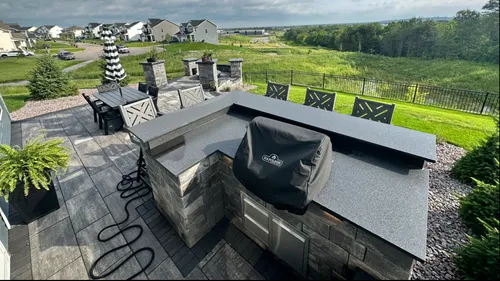
Pioneer Landscaping LLC is a full-service landscaping company based in St Paul, MN, offering a wide range of services including hardscaping, outdoor living spaces, sod and irrigation installation, sport court and pool installation, and year-round property maintenance for both residential and commercial clients. They serve the St Paul area along with nearby communities such as Lake Elmo, Woodbury, Stillwater, and White Bear Lake. Founded in 2020, the company emphasizes dedicated crews and specialized managers to deliver precise results and sustainable practices. Pioneer Landscaping also provides 24/7 emergency services, ensuring support through all seasons.
Wilkerson's Landscaping Services, LLC
Minneapolis, MN
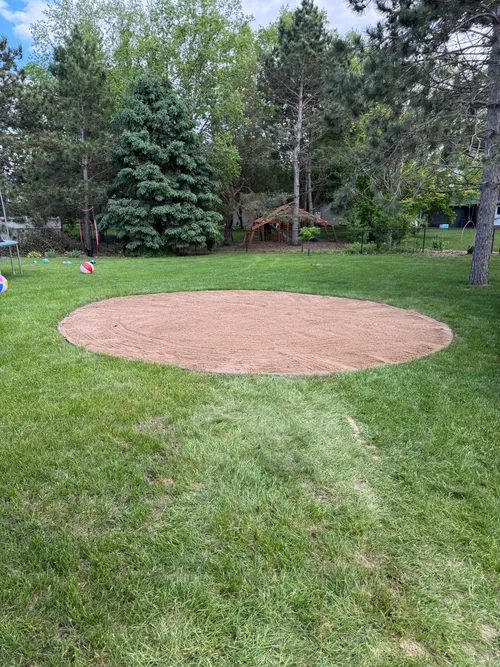
Wilkerson's Landscaping Services, LLC provides commercial and residential landscaping services in Minneapolis, MN. With over 11 years of industry experience, they offer custom landscape designs, plant and tree selection, lawn mowing, and recurring lawn maintenance. Their service area includes Edina, Woodbury, and St Paul, focusing on enhancing business properties with professional and appealing outdoor spaces. The company is licensed and insured, emphasizing quality work and customer satisfaction.

Dean Bjorkstrand Landscaping
5508 Clinton Ave, Minneapolis, MN 55419
Dean Bjorkstrand Landscaping is a landscaping and design company based in Minneapolis, MN, serving the Twin Cities metro area and beyond. Since 1983, the company has specialized in creating unique outdoor living spaces including patios, retaining walls, walkways, gardens, water features, and outdoor lighting. They understand the local weather and soil conditions, ensuring landscapes that remain vibrant and functional through cold winters and warm summers. Dean Bjorkstrand personally oversees each project from concept to completion, providing expert guidance and supervision throughout the process.
Open Space Gardens
Minneapolis, MN
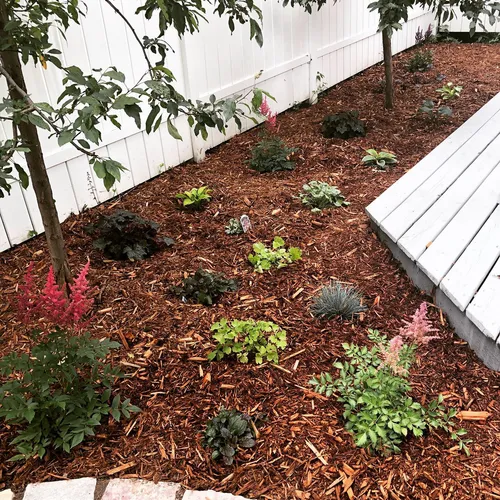
Open Space Gardens is a sustainable landscaping company based in Minneapolis, MN, serving the Twin Cities metro area including St. Paul and surrounding neighborhoods. They specialize in creating nature-friendly outdoor spaces that support native plants, pollinators, and wildlife while promoting clean air and water. Their services include custom garden design, installation, chemical-free maintenance, and seasonal enhancements, all performed with electric-powered equipment to reduce environmental impact. Since 2015, Open Space Gardens has focused on sustainable practices such as using native species, composting, and minimizing soil disturbance to build healthy, low-maintenance landscapes.
Sota Landscaping
Minneapolis, MN
Sota Landscaping is a full-service landscaping company based in Minneapolis, MN. They provide a wide range of services including sod installation, artificial turf installation, landscape design, lawn care, hardscaping such as pavers and retaining walls, and commercial property maintenance. The company also offers snow and ice management services to handle winter weather conditions. Sota Landscaping emphasizes clear communication and client satisfaction throughout each project, ensuring outdoor spaces are both beautiful and functional.
Understanding St. Paul's Unique Landscape Canvas
Successful landscape architecture in St. Paul begins with a deep understanding of the local environment. The city falls within USDA Hardiness Zones 4 and 5, which dictates a palette of plants that must withstand cold, snowy winters and warm, sometimes humid summers. This means your plant selection should focus on hardy perennials, shrubs, and trees known to thrive in these conditions.
The soil presents another key factor. St. Paul yards often feature clay-heavy or loamy soils. While fertile, clay soil can drain poorly, leading to waterlogged roots. A crucial part of the design process often involves amending the soil with organic matter to improve its structure and drainage, which is especially important for features like rain gardens. Before planting anything, a thorough site assessment should note sun patterns throughout the day, slopes that affect water runoff, and the location of any underground utilities 1.
Core Principles for Your Outdoor Space
Whether you're planning a simple garden refresh or a complete yard transformation, adhering to fundamental design principles ensures a harmonious result. These principles include:
- Balance & Scale: Creating visual equilibrium and ensuring elements are appropriately sized for your home and lot.
- Unity & Rhythm: Using repetition of colors, textures, or forms to create a cohesive feel throughout the property.
- Color & Texture: Strategically using plant foliage, flowers, and hardscape materials to add visual interest across seasons.
- Form & Line: Guiding the eye through the space using the shapes of plants and the pathways created by beds and walkways 2.
Applying these principles helps avoid common mistakes, such as planting trees or shrubs that will outgrow their space or creating disjointed areas that lack a connecting theme3.
Popular Design Styles and Functional Zoning
A modern approach to residential landscape design in St. Paul often involves dividing the yard into distinct functional zones. This zoning creates an organized and usable outdoor floor plan.
- Public Zone (Front Yard): This area focuses on curb appeal and often includes foundation plantings, a welcoming walkway, and low-maintenance, attractive landscaping visible from the street.
- Private Zone (Backyard): This is the primary area for outdoor living and relaxation. Designs here frequently incorporate patios, decks, dining areas, fire pits (both wood-burning and gas), play spaces, and private gardens.
- Service Zone: A practical area, often screened from view, for utilities, compost bins, storage sheds, or vegetable gardens4.
A leading trend in the Twin Cities is the development of "Eco-Yards" or sustainable landscapes 5. This style emphasizes:
- Native Plants: Using species like native prairie grasses, coneflowers, oak, and maple, which are adapted to the local climate, require less water, and provide habitat for pollinators6.
- Water Management: Incorporating rain gardens and permeable pavers to capture stormwater runoff, reduce erosion, and recharge groundwater.
- Low Maintenance: Designing with durable materials and plant communities that require less long-term care, fertilizer, and pest control.
Find the perfect landscape design companies for your needs
Get personalized recommendations and expert advice
Key Elements of a Complete Landscape Plan
A comprehensive garden design integrates both "softscape" (living elements) and "hardscape" (built elements). Blending these creates a dynamic and usable outdoor room.
Softscape Elements:
- Plantings: Layers of trees, shrubs, perennials, and groundcovers chosen for year-round interest, bloom time, and hardiness.
- Lawn Areas: Defining practical, usable grassy spaces while reducing lawn size where possible to conserve water.
- Mulch & Groundcover: Using organic mulch to retain soil moisture, suppress weeds, and provide a finished look.
Hardscape Elements:
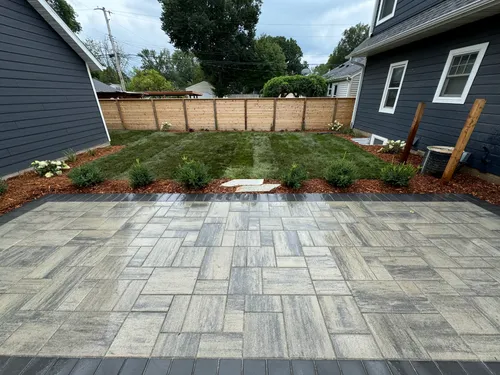
- Patios & Walkways: Constructed from pavers, natural stone, or concrete to define traffic flow and create stable surfaces for furniture.
- Walls & Edging: Used for retaining slopes, creating raised beds, or defining borders between different zones.
- Water Features: Adding focal points like fountains or small ponds for sound and visual appeal.
- Outdoor Lighting: Extending the usability of the space into the evening and highlighting architectural or plant features7.
The Planning and Investment Process
Embarking on a landscape project starts with a clear plan. Begin by assessing your site and defining your needs-do you want a space for entertaining, a quiet retreat, or a safe play area for children?8 Research and choose native plants that will be sustainable and attractive9. Finally, consider how you will incorporate the hardscape and softscape elements that fit your lifestyle.
Costs for professional landscape design and installation in St. Paul vary widely based on the project's scope and complexity. Simple planting beds may cost a few hundred dollars, while a small patio installation can range from $1,000 to $5,000. Full-scale design and build projects that include significant hardscaping, grading, and mature plantings can range from $5,000 to $20,000 or more10 11. The investment focuses on creating lasting function, beauty, and property value through a tailored design that thrives in the local environment.
Frequently asked questions
Sources
Footnotes
-
Landscape Plans - Make Free Landscape Designs Online - Canva - https://www.canva.com/create/landscape-plans/ ↩
-
Elements of a Landscape Design - Oklahoma State University Extension - https://extension.okstate.edu/announcements/grow-gardening-columns/august-27-2023.html ↩
-
Landscape Design Mistakes | WorkWave - Real Green Systems - https://www.realgreen.com/blog/common-landscape-design-mistakes-and-how-to-avoid-them ↩
-
Spruce Up Your Site: How to Plan a Residential Landscape Design - https://www.skh.com/blog/residential-landscape-design/ ↩
-
Top 5 Landscaping Trends to Watch in 2025 - https://waynesborogardens.com/2025/02/21/top-5-landscaping-trends-to-watch-in-2025/ ↩
-
Living Landscapes in Minnesota - https://nrcs.usda.gov/plantmaterials/ndpmcpu8157.pdf ↩
-
landscape design definition - https://www.toddhaimanlandscapedesign.com/blog/what-is-landscape-design ↩
-
ENH1112/EP375: Landscape Design: Ten Important Things to Consider - https://edis.ifas.ufl.edu/publication/EP375 ↩
-
Landscape design and plant selection | UMN Extension - https://extension.umn.edu/lawns-and-landscapes/landscape-design ↩
-
Principles of Landscape Design - Colorado Master Gardener - https://cmg.extension.colostate.edu/Gardennotes/413.pdf ↩
-
Landscaping Minneapolis Properties: Creating Outdoor Spaces That Thrive | Cherry Hill Outdoor - https://www.cherryhilloutdoor.com/landscaping-minneapolis ↩