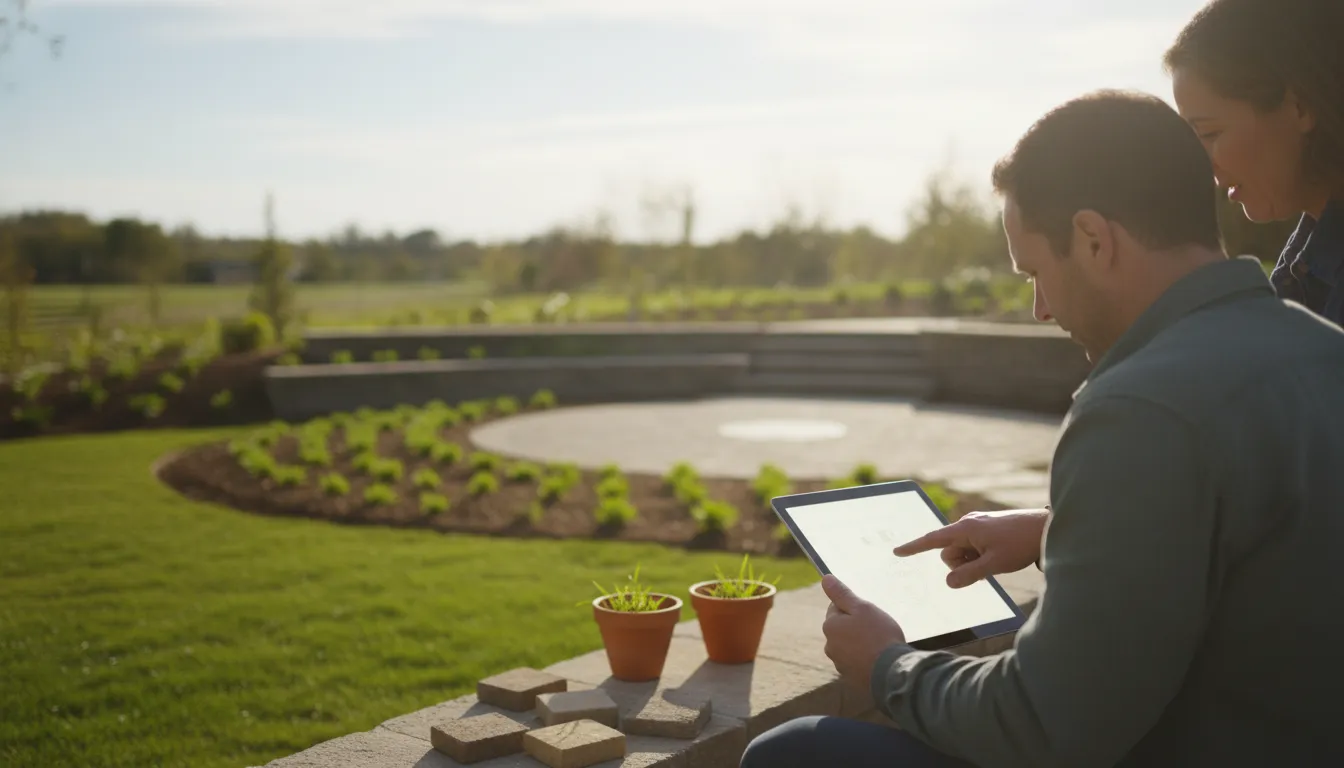
Find the Best Landscape Design Companies for Your Business
No obligation • Fast responses • Nationwide coverage

Why you can trust Landscape Atlas
Landscape Atlas is a leading United States resource for evaluating landscaping, lawn care, and outdoor service providers. Our team researches each category in depth, focusing on service quality, safety, and customer experience. Listings and rankings are based on independent criteria and user feedback, and companies cannot pay to influence our assessments or recommendations.
Search providers near you
Top Landscape Design Companies in Independence, Missouri Ranked
Creating a beautiful and functional outdoor space in Independence requires a thoughtful approach that works with our local climate and soil. Landscape design is the art and science of planning the layout, planting, and construction of your yard to enhance its beauty, usability, and value. A well-conceived plan is essential for managing our humid continental weather and dense clay soils, turning challenges into opportunities for a stunning garden. This guide will help you understand the key considerations for your property and connect you with local professionals who can bring your vision to life.
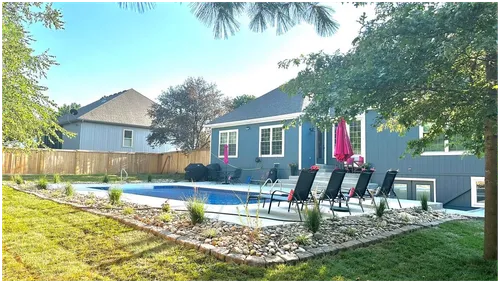
Trew Landscape LLC
Kansas City, MO
Trew Landscape LLC is a locally owned landscaping company based in Kansas City, MO. They provide a wide range of landscaping and hardscaping services for residential and commercial projects, focusing on creating durable and timeless outdoor spaces. Their expertise includes landscape design, installation of pavers, and retaining walls, blending natural beauty with innovative techniques to deliver lasting results. The company emphasizes quality craftsmanship and attention to detail in every project.
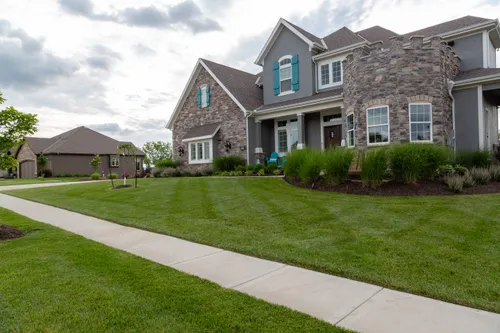
Mears Lawn & Landscape
6370 Carter Ave, Merriam, KS 66203
Mears Lawn & Landscape is a full-service lawn and landscape company based in Kansas City, MO. They offer a wide range of services including landscape design, construction, lawn maintenance, irrigation installation and repair, landscape lighting, drainage solutions, and hardscaping such as patios and retaining walls. Their team is certified and trained, providing expert craftsmanship and tailored solutions to enhance outdoor spaces. As a family-owned business, they emphasize honest recommendations and clear communication throughout each project. They serve Johnson County and surrounding areas.
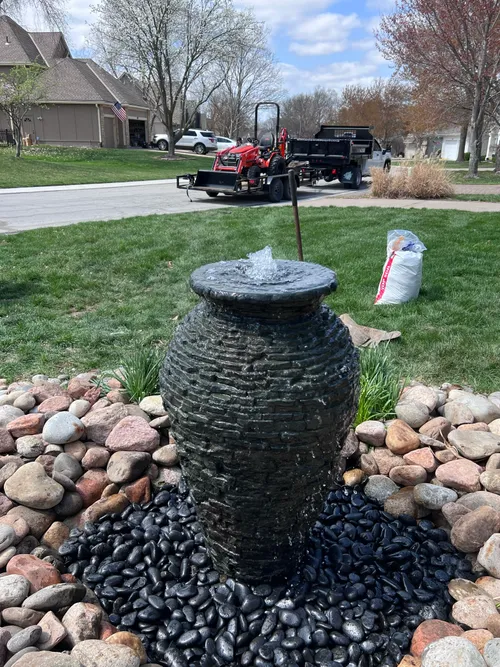
WIlliams lawn &total maintenance ,LLC
103 W 1st St, Lee's Summit, MO 64063
Williams Lawn & Total Maintenance, LLC is a full-service landscaping and lawn care company based in Kansas City, MO. They offer a wide range of services including landscape design, hardscaping, outdoor lighting installation, drainage solutions, tree services, and both residential and commercial lawn care. The company specializes in creating outdoor living spaces that blend with natural surroundings and address functional needs such as erosion control and yard drainage. Williams Lawn & Total Maintenance has years of experience and provides custom landscape design and installation using realistic photo software drawings to meet client needs.
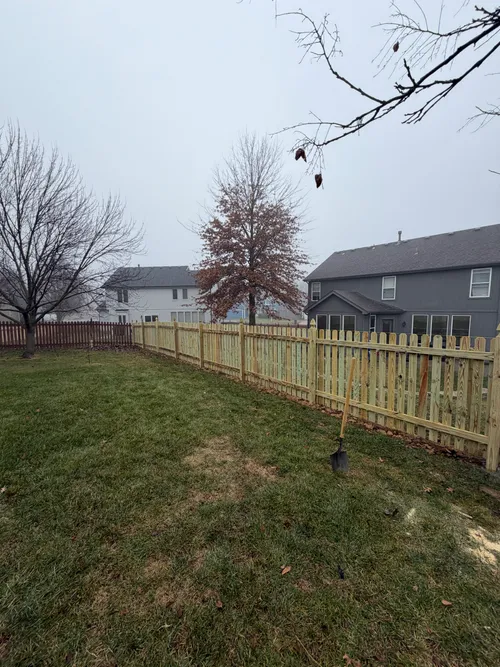
Penny Creek Landscape & Construction
Kansas City, MO
Penny Creek Landscape & Construction is a landscaping and hardscaping company based in Kansas City, MO. They offer a variety of services including landscape design, tree removal, yard drainage solutions, grading, and the installation of retaining walls, paver patios, and concrete driveways. Their work combines luxury landscaping with practical craftsmanship, focusing on durable and functional outdoor spaces. Penny Creek emphasizes quality construction and customer trust in their projects.
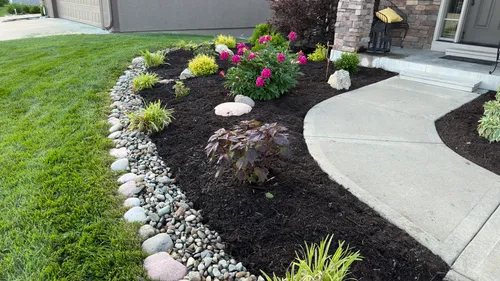
Plant Marks The Pot
10354 Conser St, Overland Park, KS 66212
Plant Marks The Pot is a landscaping and hardscaping company based near Kansas City, MO, specializing in custom landscape design and construction. They create personalized outdoor spaces that blend artistic vision with natural elements. Their services include building retaining walls and installing pavers, with a focus on secure and detailed craftsmanship. The company serves multiple communities around Overland Park, KS, including Leawood, Lenexa, and Shawnee, among others.
Understanding Independence's Landscape Environment
A successful garden design starts by working with your site's natural conditions, not against them. For homeowners in Independence, three key environmental factors will shape every decision you make.
Climate & Hardiness Independence experiences a humid continental climate (Köppen Dfa), characterized by hot, often humid summers and cold winters with variable precipitation. This means plants must be hardy enough to survive freezing temperatures and resilient enough to handle summer heat waves. When selecting plants, always check the USDA Hardiness Zone (Independence is primarily in Zone 6a) to ensure they can withstand our average annual minimum winter temperatures. Choosing plants adapted to this climate is the first step toward a low-maintenance and thriving landscape.
Soil Composition & Drainage One of the most common challenges for Missouri gardeners is soil. Our region is known for its dense, clay-heavy soils. While nutrient-rich, clay soil compacts easily, drains poorly, and can be difficult for plant roots to penetrate. Before any major planting, it's wise to conduct a soil test. The key to managing clay soil is incorporating generous amounts of organic matter, like compost, to improve its structure, aeration, and drainage over time. Selecting plants known to tolerate or even thrive in clay conditions will save you effort and ensure better plant health.
Sun & Shade Patterns The amount of sunlight your yard receives directly dictates what will grow where and how you can use different areas. Take time to map the sun and shade patterns in your yard throughout the day and across seasons 1. A south-facing patio will be sunny and warm, ideal for sun-loving perennials and outdoor dining. A north-facing area under mature trees will be cooler and shadier, perfect for a tranquil seating area with hostas and ferns. Accurately assessing these light conditions is crucial for both plant placement and creating comfortable outdoor living spaces.
Core Principles of Residential Landscape Design
Effective outdoor space planning follows several established principles that create harmony, balance, and functionality. These concepts help organize your yard into a cohesive and usable extension of your home.
Creating Zones: Public, Private, and Service A fundamental concept in residential design is dividing your property into distinct zones based on function and visibility.
- Public Area (Front Yard): This zone is for curb appeal and welcome. Design here focuses on the view from the street, creating an attractive approach to your home with functional elements like walkways, driveways, and focal plantings.
- Private Area (Backyard): This is your personal retreat for relaxation and entertainment. This zone is where you'll invest in outdoor living features like patios, decks, dining areas, and play spaces for children.
- Service Area: Often tucked away, this zone handles utility needs. It includes spaces for trash and recycling bins, compost piles, storage sheds, vegetable gardens, or dog runs. Good design integrates these necessary functions discreetly.
The Concept of Outdoor Rooms Just like inside your home, your landscape can be organized into "rooms" defined by use 2 3. This approach enhances flow and makes the space feel larger and more intentional. You might have a dining room centered on a patio table, a lounge room around a fire pit, a cooking room with an outdoor kitchen, and a play room with a lawn or swing set. These rooms can be separated by plant beds, low walls, changes in paving materials, or pergolas, creating a sense of discovery and purpose as you move through the garden.
Balance, Proportion, and Focal Points Good design employs visual principles to create a pleasing scene. Balance can be symmetrical (mirrored on either side of a path) or asymmetrical (achieved with different elements of equal visual weight). Proportion ensures that elements like trees, patios, and structures are sized appropriately for your house and lot. Establishing a focal point-such as a specimen tree, a vibrant flower bed, a water feature, or an architectural element-draws the eye and gives the landscape a sense of order and interest 4.
Find the perfect landscape design companies for your needs
Get personalized recommendations and expert advice
Key Elements of a Complete Landscape Plan
A comprehensive design blends living (softscape) and built (hardscape) elements. For an Independence home, combining these elements creates a durable and beautiful outdoor environment.
Hardscaping: The Foundation of Use Hardscaping refers to all the non-living, constructed features in your yard. These elements provide structure, define spaces, and facilitate movement.
- Patios & Walkways: These are the floors of your outdoor rooms. Popular materials in our area include concrete pavers, natural flagstone, and poured concrete. A well-built patio, such as a 15x15 foot paver installation, provides a stable base for furniture and entertaining 5.
- Retaining Walls: Essential for managing sloped yards, these walls create level planting areas, prevent erosion, and can double as seating.
- Structures: Elements like pergolas and arbors provide vertical interest, partial shade, and support for climbing vines. Privacy screens or fences define boundaries and create secluded spaces.
Softscape: The Living Layer This encompasses all the plant materials-trees, shrubs, perennials, annuals, and grass.
- Native Plants: Incorporating native species like Purple Coneflower, Little Bluestem grass, and Eastern Redbud is a smart strategy for Independence. They are adapted to our climate and soils, require less water once established, and provide vital habitat for local birds and pollinators 6.
- Layering: Create depth and year-round interest by planting in layers: canopy trees for shade, understory trees and shrubs for structure, perennials for seasonal color, and groundcovers to unify the space.
- Edible Gardens: Integrating herbs, vegetables, or fruit trees into ornamental beds is a growing trend, blending beauty with functionality.
Special Features for Enjoyment These elements add personality, ambiance, and function to your private outdoor space.
- Fire Features: A fire pit or outdoor fireplace extends the usability of your backyard into cooler spring and fall evenings, creating a natural gathering spot.
- Outdoor Kitchens: For serious entertainers, incorporating a grill station, countertop, sink, and storage can transform backyard cooking and dining.
- Water Features: The sound of moving water adds a serene atmosphere. Options range from simple recirculating fountains to more elaborate pondless waterfalls or small garden ponds.
- Lighting: Strategic landscape lighting highlights architectural and plant features, improves safety on paths and steps, and allows you to enjoy your garden after dark.
Planning Your Project: Scope and Investment
The cost of a landscape design project in Independence varies dramatically based on its complexity, the materials chosen, and the size of the area.
Defining Your Project Scope Start by identifying your goals. Is this a basic refresh or a full transformation?
- Basic Refresh: This might include updating mulch beds, adding new flowering perennials and shrubs, and re-edging lawn borders. This level of update can significantly boost curb appeal with a more modest investment.
- Focal Point Installation: Adding a single major feature, such as a paver patio, a fire pit area, or a new garden bed with a small tree, creates a defined outdoor room.
- Comprehensive Overhaul: A full backyard redesign that integrates multiple hardscape elements (patio, walkways, walls), new plantings throughout, and special features like lighting represents a major investment but results in a complete outdoor living environment.
Understanding Cost Ranges While every project is unique, here are general price ranges to help frame your budget for the Independence area:
- Basic Refresh (new plants, mulch, edging): $500 - $2,000
- Patio Installation (e.g., 15x15 ft paver patio): $2,000 - $5,000+
- Full Backyard Overhaul (patio, fire pit, plantings, lighting): $8,000 - $25,000+
- Outdoor Kitchen/Complex Hardscaping: $15,000 - $40,000+
Remember, these are estimates. The final cost depends on material quality (e.g., natural stone vs. concrete pavers), site accessibility, and the scope of plantings. Investing in professional design and quality installation often provides better long-term value and durability.
The Value of Professional Guidance For any project beyond a simple refresh, consulting with a professional landscape designer is highly recommended. They can perform a proper site analysis, create detailed plans that avoid costly mistakes, suggest materials suited to our local conditions, and help you phase the project to align with your budget. The University of Missouri Extension (MU Extension) is also an invaluable local resource, offering science-based guides on plant selection and sustainable practices for Missouri homeowners 7.
Frequently asked questions
Sources
Footnotes
-
Landscape Plans - Make Free Landscape Designs Online - Canva - https://www.canva.com/create/landscape-plans/ ↩
-
Backyard Landscaping Ideas - Garden Design - https://www.gardendesign.com/landscape-design/backyard.html ↩
-
Spruce Up Your Site: How to Plan a Residential Landscape Design - https://www.skh.com/blog/residential-landscape-design/ ↩
-
Elements of a Landscape Design - Oklahoma State University Extension - https://extension.okstate.edu/announcements/grow-gardening-columns/august-27-2023.html ↩
-
Learn how modern landscape design can harness the beauty of nature. - https://www.mymodernhome.com/blog/modern-landscape-design-ideas-for-your-dream-home/ ↩
-
10 Tips for a Low-Maintenance, Eco-Friendly Backyard - https://tataandhoward.com/10-tips-for-a-low-maintenance-eco-friendly-backyard/ ↩
-
Residential Landscaping | MU Extension - University of Missouri - https://extension.missouri.edu/publications/mg11 ↩