Find the Best Landscape Design Companies for Your Business
No obligation • Fast responses • Nationwide coverage

Why you can trust Landscape Atlas
Landscape Atlas is a leading United States resource for evaluating landscaping, lawn care, and outdoor service providers. Our team researches each category in depth, focusing on service quality, safety, and customer experience. Listings and rankings are based on independent criteria and user feedback, and companies cannot pay to influence our assessments or recommendations.
Search providers near you
Top Landscape Design Companies in St Louis, Missouri Ranked
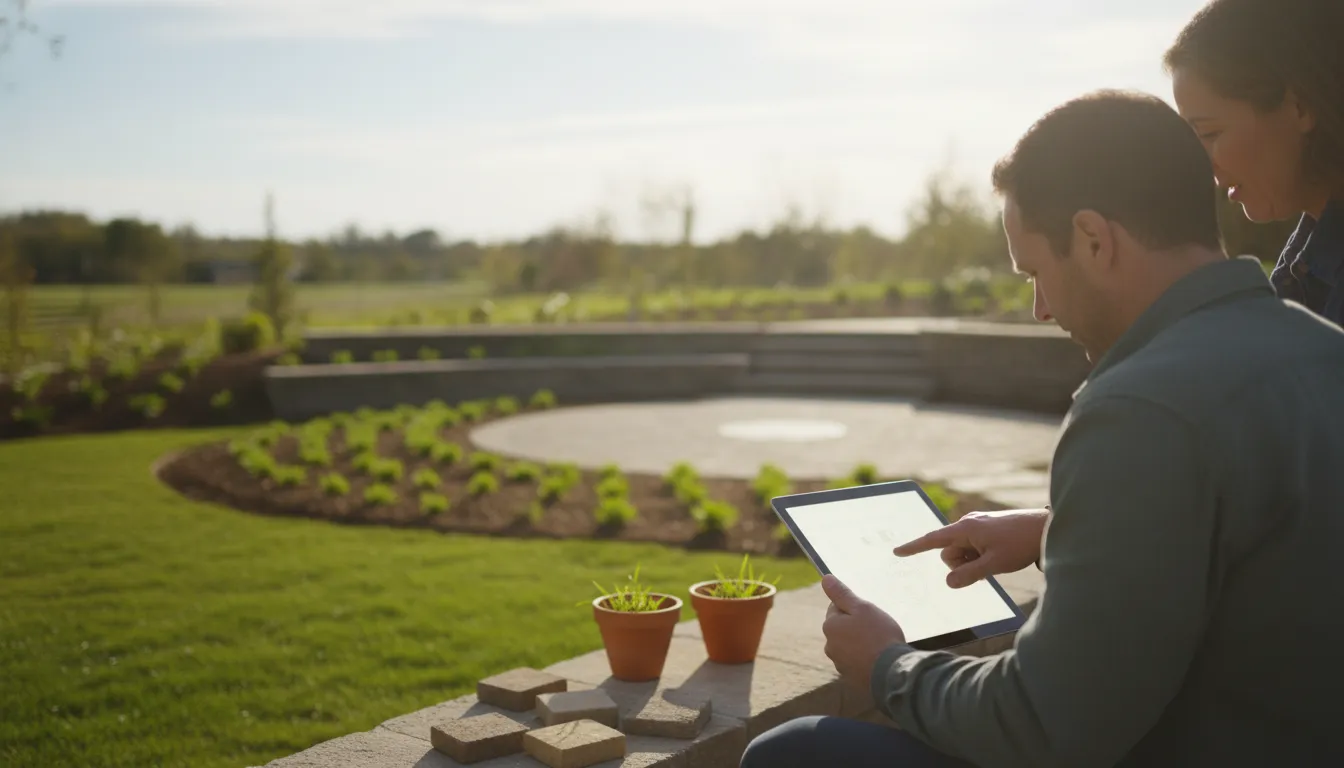
Creating a beautiful and functional outdoor space in St. Louis requires a thoughtful approach that harmonizes with the local environment. Landscape design is the art and science of arranging plants, structures, and landforms to create an aesthetically pleasing and usable extension of your home. In a city with distinct seasons and specific soil challenges, a well-planned landscape is crucial for enhancing curb appeal, increasing property value, and creating a personal sanctuary for relaxation and entertainment. This guide will help you understand the key considerations for planning your outdoor space and connect you with local professionals who can bring your vision to life.

Nickens Landscaping & Excavating LLC
2 Industrial Dr, Freeburg, IL 62243
Nickens Landscaping & Excavating LLC is a landscaping and excavation company serving St Louis, MO. They provide a wide range of services including landscape design and installation, hardscaping such as patios and retaining walls, excavation work, and storm water drainage solutions. Their capabilities include grading, land clearing, and installation of drainage systems like French drains and catch basins. The company also offers commercial snow and ice management services. Nickens Landscaping & Excavating works with both residential and commercial clients to create functional outdoor spaces tailored to their needs.
B&B Tree and Landscapes LLC
9845 St Charles Rock Rd Suite 108, St Ann, MO 63074
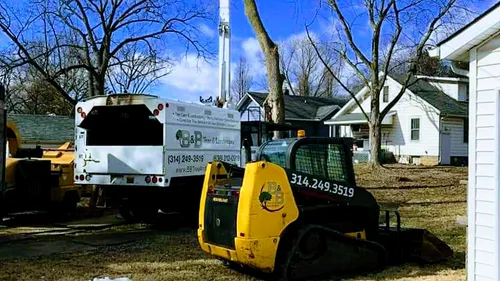
B&B Tree and Landscapes LLC is a full-service tree care and hardscape company based in St Louis, MO. They offer a wide range of services including tree pruning, trimming, cabling, fertilization, and deadwood removal, alongside hardscaping projects such as patios, walkways, and retaining walls using materials like pavers and flagstones. The company also provides green debris hauling, dump truck services, and Bobcat equipment operation for larger projects. Their team includes certified arborists trained in the latest tree care techniques, ensuring healthy and aesthetically pleasing trees. B&B Tree and Landscapes LLC is committed to customer satisfaction and safety in all their outdoor living space projects.
Nature's Touch Landscaping
3324 Rue Royale St #511, St Charles, MO 63301
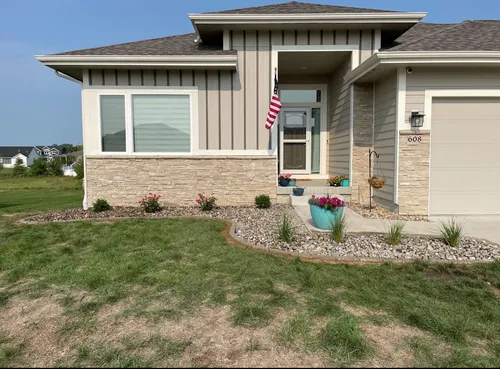
Nature's Touch Landscaping is a landscaping company based near St Louis, MO, serving the St. Charles and Lake Saint Louis areas. They focus on landscape design and outdoor space transformation using quality materials and innovative approaches. The company emphasizes customer satisfaction in their landscaping projects.
Southfork Tree Services
4539 Old Grn Pk Rd, St. Louis, MO 63123
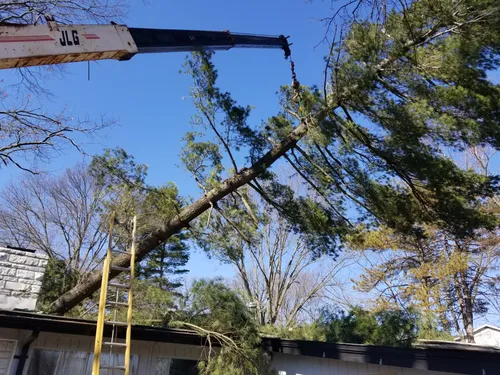
Southfork Tree Services is a locally owned and operated company in St. Louis, MO, offering a wide range of tree care and landscaping services. Their expertise includes tree removal, tree pruning, stump grinding, landscape design, retaining walls, paver patios, and landscape lighting. The company has been serving St. Louis and St. Louis County since 1990, with owner Doug Alsip bringing over 25 years of experience and being present on every job. Southfork Tree Services also provides 24-hour emergency service for urgent tree care needs. They use premium equipment such as bucket trucks and stump grinders to ensure efficient and safe work.
Fresh Start Outdoors
4411 Woodson Rd #103, St. Louis, MO 63134
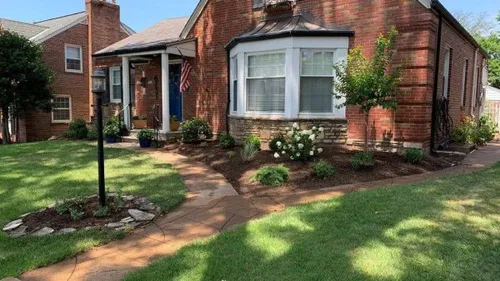
Fresh Start Outdoors is a landscaping and hardscaping company based in St Louis, MO. They provide custom landscape design and installation services, including retaining walls, patios, walkways, grading, drainage solutions, and sod installation. Their work focuses on creating outdoor spaces that balance beauty, function, and long-term value. Serving St Louis and Saint Charles County, they follow a detailed process from consultation to project completion to ensure tailored, high-quality results.
Understanding St. Louis's Unique Landscape Environment
Successful garden design in St. Louis starts with a deep understanding of the local climate and soil. The city falls within USDA Hardiness Zones 6 and 6b, which means residents experience hot, humid summers and cold winters with potential for frost. This temperature swing demands plant selections that are both drought-tolerant for the summer heat and hardy enough to survive freezing winter conditions.
The second major factor is soil. St. Louis is known for its heavy clay soil, which can present significant challenges for drainage and root health. Clay soil compacts easily, holds water, and drains poorly, which can lead to root rot for many plants. A foundational step in any local landscape architecture project involves addressing this through soil amendments, the strategic use of raised beds, or selecting native plants that have naturally adapted to thrive in these specific conditions.
Core Elements of St. Louis Landscape Design
Creating Functional Layouts and Zones
Modern residential landscaping moves beyond simple planting beds to create fully realized outdoor rooms. Effective design involves carving your yard into distinct zones for different activities, such as dining, lounging, cooking, or play. The flow and connection between these zones, and from your indoor spaces to the outdoors, are paramount. This is achieved through the careful placement of patios, decks, pathways, and transitional planting beds that guide movement and define spaces.
The Rise of Outdoor Living Spaces
A dominant trend in property landscaping is the creation of fully-equipped outdoor living areas. These spaces extend your home's usable square footage and allow for enjoyment of St. Louis's beautiful spring and fall seasons. Common features include:
- Patios & Walkways: Constructed from pavers, natural stone, or concrete to provide stable, attractive surfaces.
- Outdoor Kitchens: Ranging from simple grill stations to full kitchens with countertops, sinks, and refrigeration.
- Fire Features: Fire pits or built-in fireplaces that provide warmth, light, and a natural gathering point.
- Seating & Dining Areas: Permanent or flexible arrangements for comfort and entertainment.
- Landscape Lighting: Essential for safety, security, and highlighting architectural or botanical features after dark.
Strategic Planting for Beauty and Resilience
The plant palette is the living, breathing heart of your design. For longevity and ease of care, incorporating native species is highly recommended. Native trees like Oaks and Maples, shrubs such as Hydrangeas and Dogwoods, and a variety of perennials are not only adapted to the local climate and clay soils but also provide vital habitat for local birds and pollinators. A good planting plan considers year-round interest, combining deciduous plants with evergreens for winter structure, and layers plants for depth and texture.
Find the perfect landscape design companies for your needs
Get personalized recommendations and expert advice
Planning and Investment for Your Project
Project Scope and Associated Costs
The investment in your landscape planning can vary widely based on the complexity and materials involved. Understanding typical project scopes can help you set realistic expectations:
- Basic Enhancements ($1,000 - $5,000+): This tier often includes foundational improvements like simple planting beds with native perennials and shrubs, fresh mulch, garden edging, a small paver area, or the installation of basic low-voltage lighting.
- Mid-Range Transformations ($5,000 - $20,000+): At this level, projects typically involve constructing a new patio or expanding an existing one, adding a fire pit or seating wall, installing retaining walls to manage sloped yards, implementing more complex planting designs, or addressing drainage issues with solutions like French drains 1.
- High-End Custom Designs ($20,000+): Comprehensive outdoor living projects fall into this category. Examples include full outdoor kitchens with appliances and masonry work, extensive hardscaping with high-end materials, custom-built pergolas or pavilions, water features like ponds or fountains, and sophisticated, multi-layered landscape architecture plans 2 3 4.
Principles for a Sustainable Landscape
Integrating sustainable practices into your site planning is both environmentally responsible and practical. Key strategies include:
- Utilizing Native Plants: They require less water, fewer fertilizers, and are more resistant to local pests and diseases 5.
- Water Management: Incorporating features like rain gardens or bioswales helps capture stormwater runoff, reduces erosion, filters pollutants, and recharges groundwater-a particularly valuable function in areas with clay soil.
- Professional Site Analysis: Before any design work begins, a thorough assessment of your property's sun and shade patterns, existing drainage, soil composition, and current features is essential. This analysis ensures the final design is perfectly suited to your specific site conditions 6 7. Consulting with a local landscape architect or designer is the best way to achieve a custom, climate-appropriate, and beautiful result.
Frequently asked questions
Sources
Footnotes
-
The Ultimate St. Louis Retaining Wall Guide: Materials, Costs & Installation - Allen Outdoor - https://allenoutdoorstl.com/hardscaping-2/st-louis-retaining-wall-guide/ ↩
-
Bobby K Designs: Expert St. Louis Outdoor Living Contractor - https://bobbykdesigns.com/ ↩
-
landscape design definition - https://www.toddhaimanlandscapedesign.com/blog/what-is-landscape-design ↩
-
Landscaping in Saint Louis, MO - Costs 12 / 2025 - Homeyou - https://www.homeyou.com/mo/landscaping-saint-louis-costs ↩
-
Landscape and Architecture Company St. Louis | Award ... - https://www.poynterlandscape.com/ ↩
-
Sustainable Landscaping Practices Suitable for St. Louis's ... - https://bigbendlandscaping.com/st-louis-how-to-landscaping/sustainable-landscaping-st-louis-climate/ ↩
-
10 Important Things to Consider When Planning Your Landscape Design - https://gardeningsolutions.ifas.ufl.edu/design/ten-planning-tips-for-design/ ↩