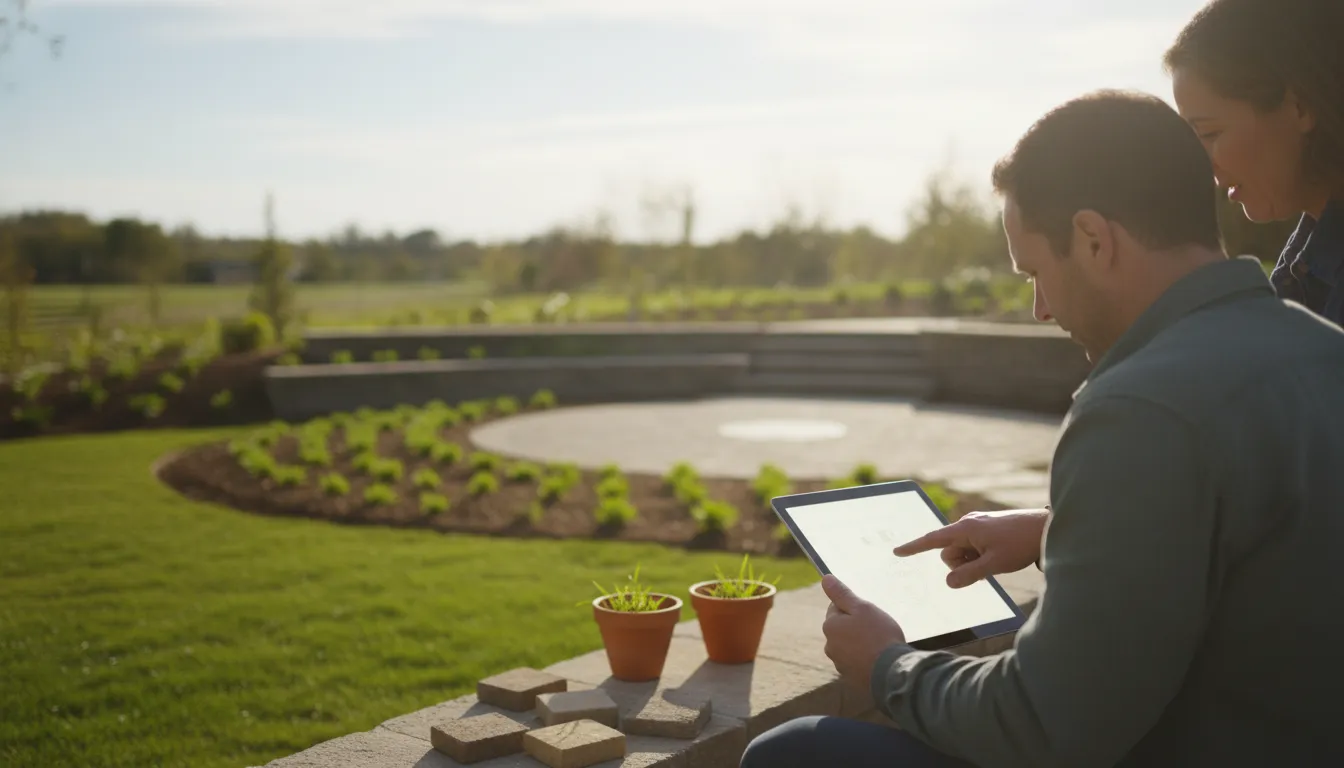
Find the Best Landscape Design Companies for Your Business
No obligation • Fast responses • Nationwide coverage

Why you can trust Landscape Atlas
Landscape Atlas is a leading United States resource for evaluating landscaping, lawn care, and outdoor service providers. Our team researches each category in depth, focusing on service quality, safety, and customer experience. Listings and rankings are based on independent criteria and user feedback, and companies cannot pay to influence our assessments or recommendations.
Search providers near you
Top Landscape Design Companies in Bloomfield, New Jersey Ranked
A well-conceived landscape design transforms your outdoor space into a functional, beautiful extension of your home. In Bloomfield, this means creating a plan that not only looks stunning but also thrives in our local climate and suits the scale of our properties. This guide will help you understand the key considerations for residential landscape architecture and garden planning in Essex County, providing the insights you need to connect with skilled professionals who can bring your vision to life.
Scenic View Landscaping & Design Specialist
213 Broad St, Keyport, NJ 07735
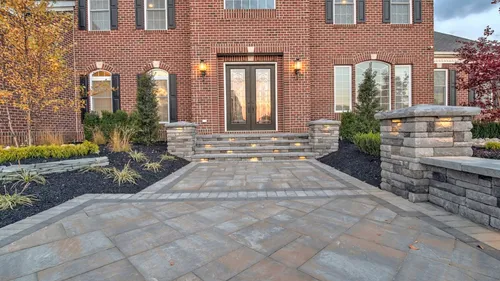
Scenic View Landscaping & Design Specialist is a landscaping and hardscaping company based near New York, NY, offering a wide range of services including sod installation, artificial turf, landscape lighting, yard drainage, tree services, and hardscaping features like pavers and retaining walls. They provide landscape design and commercial maintenance, with capabilities such as grading and drainage solutions. The company has received multiple service awards and maintains a strong reputation for detailed and attentive work. Scenic View Landscaping & Design Specialist serves the New York, NY area and surrounding communities.
Hillsdale Landscaping & Construction
27 Legion Pl, Hillsdale, NJ 07642
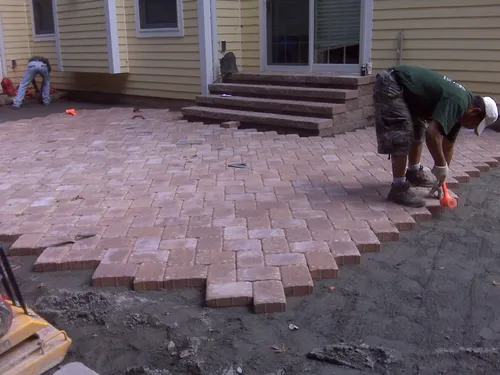
Hillsdale Landscaping & Construction is a landscaping and hardscaping company based near New York, NY. They provide landscape design, yard drainage solutions, grading services, and installation of paver walkways, patios, and driveways. Their services include water management to address issues like basement water and yard puddles, as well as plantings and garden design to enhance privacy and rejuvenate properties.
Robert Thieling Landscaping LLC
Newark, NJ
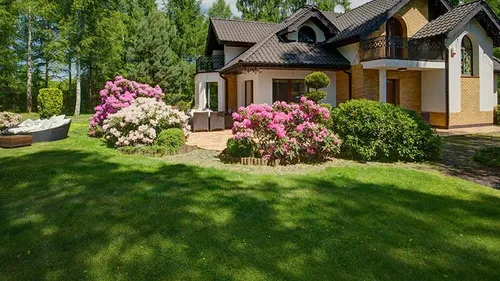
Robert Thieling Landscaping LLC is a full-service landscaping company based in Newark, NJ, serving both residential and commercial property owners. They offer a wide range of services including landscape design and construction, lawn care, sodding and seeding, garden maintenance, weed control, mulching, and hardscaping. The company is known for its personalized service and deep understanding of local regulations and landscaping best practices. Robert Thieling Landscaping LLC emphasizes sustainable maintenance and innovative design to create and preserve healthy, attractive outdoor spaces. Their approach includes efficient business practices to provide affordable landscaping solutions without hidden fees.
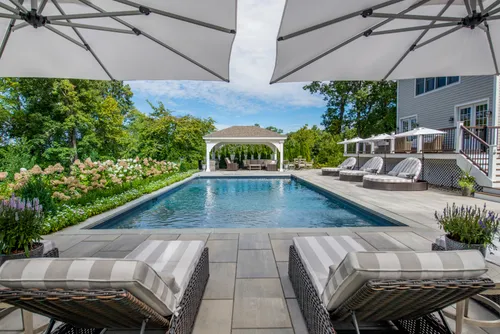
CLC Landscape Design
58 Ringwood Ave, Ringwood, NJ 07456
CLC Landscape Design is a landscape design company based in New York, NY. They specialize in creating detailed landscape blueprints that focus on structure, flow, and personalized outdoor spaces. Their design process includes careful planning from layout to material selection to ensure functional and attractive backyards.
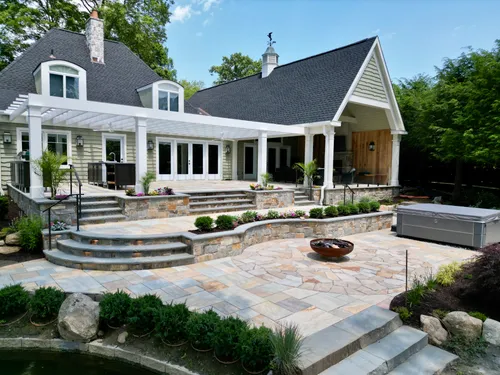
RVG Landscape Design
114 Cannonball Rd, Pompton Lakes, NJ 07442
RVG Landscape Design is a landscaping and hardscaping company serving New York, NY. They specialize in designing and building outdoor spaces, including backyard paver patios, walkways, and full outdoor living environments. Their work covers Bergen and Passaic County, including towns like Wayne, Franklin Lakes, Ridgewood, and Wyckoff. The team focuses on craftsmanship and uses high-quality materials to enhance residential properties.
Understanding Bloomfield's Landscape Canvas
Successful outdoor design starts with a deep understanding of your site's inherent conditions. In Bloomfield, several key environmental factors will shape your garden layout and plant selection.
Climate & Hardiness Zone: Bloomfield sits in USDA Plant Hardiness Zone 6b, with some microclimates edging into 7a. This means we experience four distinct seasons with cold winters that can dip to -5°F. Your planting plan must prioritize cold-hardy perennials, shrubs, and trees that can withstand this temperature range to ensure longevity and reduce replacement costs.
Soil Composition: The native soil in our area is often a clay-heavy loam. While nutrient-rich, clay soil can compact easily, leading to poor drainage and aeration which suffocates plant roots. A critical first step in any landscape design project is a professional soil test. Based on the results, amending the soil with generous amounts of organic compost is not just recommended-it's essential for creating a healthy foundation for your plants.
Sunlight Patterns: Carefully mapping the sun and shade patterns across your property throughout the day is a cornerstone of good residential landscape architecture. This analysis determines which areas are suitable for full-sun perennials, which require shade-tolerant plants, and where you might create dappled shade with strategically placed trees. Ignoring sunlight is a common pitfall that leads to struggling plants.
Design Principles for Bloomfield Properties
Effective garden design balances aesthetics with practicality. Whether you're planning a minor refresh or a complete overhaul, these principles guide the creation of a cohesive and enjoyable space.
Unity & Balance: A unified design repeats elements like specific plant forms, colors, or materials to create a harmonious feel. Balance can be symmetrical (formal) or asymmetrical (informal), providing visual stability. In Bloomfield's varied neighborhoods, the design should complement your home's architectural style.
Focal Points & Scale: Every great landscape plan has a focal point-an element that draws the eye, such as a specimen tree, a water feature, or a striking piece of hardscape. Equally important is scale; design elements must be proportionate to your home and lot size. On Bloomfield's typically smaller urban lots, a massive water feature might overwhelm the space, while a carefully scaled fire pit can become a perfect centerpiece1.
Transition & Rhythm: Gradual changes in plant height, texture, and color create a natural, pleasing transition that guides the eye through the space. Rhythm, created by repeating elements at intervals, adds a sense of movement and can make a small lot feel more expansive2.
Maximizing Small Urban Lots
Space is at a premium in many Bloomfield yards, but a creative landscape design can make even a compact area feel like a private oasis. The key is intelligent space planning that maximizes every square foot.
Define Functional Zones: Think of your yard as an outdoor room with different areas for different activities. Clearly define zones for dining (a patio), relaxation (a lounge area with comfortable seating), gardening (raised beds or borders), and play. Using low walls, changes in paving material, or strategic planting can subtly separate these zones without building solid barriers.
Embrace Vertical Space: When square footage is limited, think upward. Vertical gardens, trellises with climbing vines, and tiered planting beds add layers of interest and greenery without consuming precious ground space. Tall, narrow ornamental trees or shrubs can provide privacy from neighbors without spreading too wide.
Multi-Functional Elements: Choose features that serve more than one purpose. A retaining wall can also be a seating ledge. A paved patio area can define the dining zone by day and, with the addition of string lights or landscape lighting, become an enchanting entertainment space by night.
Find the perfect landscape design companies for your needs
Get personalized recommendations and expert advice
Popular Design Elements for Bloomfield Homes
Integrating specific features into your landscape plan can dramatically enhance how you live outdoors. Here are some of the most sought-after elements in local garden design.
Patios & Walkways: As the foundation of the outdoor living area, patios create a stable, level surface for furniture and foot traffic. Popular materials in our region include bluestone, brick, and concrete pavers, which offer durability and a range of aesthetic options. Winding walkways made of gravel or stepping stones can connect different garden zones and encourage exploration3.
Outdoor Living & Kitchen Areas: The trend toward fully functional outdoor rooms continues to grow. This can range from a simple built-in fire pit or fireplace for warmth and ambiance to a complete outdoor kitchen with countertops, storage, and grilling stations. These features turn your yard into a true extension of your home's living space4.
Layered Planting Beds: A professional planting design avoids a flat, one-dimensional look by using layers. This typically includes a backdrop of taller trees or large shrubs, a middle layer of flowering shrubs and ornamental grasses, and a foreground of perennials and groundcovers. This layering creates depth, fullness, and year-round interest.
Sustainable & Native Planting: Incorporating native plants is a smart choice for ecological and practical reasons. Native species like Butterfly Weed, New England Aster, and various native grasses are adapted to our local climate and soil, requiring less water, fewer fertilizers, and minimal pesticides once established. They also provide crucial habitat for local pollinators and birds.
Understanding Investment & Planning
The scope and cost of a landscape design project can vary widely, depending on the complexity of the plan and the materials chosen. Having a realistic understanding of the investment helps in planning effectively.
The Design Plan Itself: A professional landscape design or master plan is the blueprint for your project. Costs can range from a few hundred dollars for a basic planting plan to several thousand for a comprehensive design that includes detailed hardscape layouts, lighting plans, and planting schedules. This plan is invaluable, providing a clear roadmap and preventing costly changes during installation.
Hardscape Installation: This is often the most significant cost driver. Patio installation, for example, can range from $15 to $30 per square foot, depending on the material and site preparation required. A 200-square-foot paver patio could represent an investment of $3,000 to $10,000 or more. Other features like fire pits, retaining walls, or walkways add to this cost based on their size and complexity5.
Planting & Softscape: The cost for plants, soil amendment, mulch, and installation varies with the size and maturity of the plants specified. A basic bed with smaller perennials and shrubs may start around $1,000, while a full-yard planting with mature trees and extensive beds can easily reach $5,000 or more. Remember, investing in proper soil preparation at this stage is critical for plant health.
A full landscape overhaul that includes a detailed design, significant hardscaping like a patio and walkways, and complete new planting can represent a total investment in the range of $10,000 to $30,000+ in the Bloomfield market6 7. The value lies in creating a personalized, functional, and beautiful outdoor environment that enhances your daily life and your property's appeal.
Frequently asked questions
Sources
Footnotes
-
What are the 7 Principles of Landscape Design? - https://hearnlandscape.com/what-are-the-7-principles-of-landscape-design/ ↩
-
Principles of Landscape Design - Colorado Master Gardener - https://cmg.extension.colostate.edu/Gardennotes/413.pdf ↩
-
Landscaping for Front Yards: Designs for Any Home | Lowe's - https://www.lowes.com/n/ideas-inspiration/front-yard-landscaping-ideas ↩
-
Residential Landscape Design in NJ: Costs & Ideas - https://www.borstlandscape.com/articles/residential-landscape-design-in-bergen-county/ ↩
-
THE BEST 10 LANDSCAPE ARCHITECTS OR DESIGNERS ... - https://m.yelp.com/search?cflt=landscapearchitects&find_loc=Bloomfield%2C+NJ ↩
-
Transforming Your New Jersey Yard: Landscape Design ... - https://www.hightechlandscapes.com/resource-blogs/nj-landscape-design-essentials/ ↩
-
Learn how modern landscape design can harness the beauty of nature. - https://www.mymodernhome.com/blog/modern-landscape-design-ideas-for-your-dream-home/ ↩