Find the Best Landscape Design Companies for Your Business
No obligation • Fast responses • Nationwide coverage

Why you can trust Landscape Atlas
Landscape Atlas is a leading United States resource for evaluating landscaping, lawn care, and outdoor service providers. Our team researches each category in depth, focusing on service quality, safety, and customer experience. Listings and rankings are based on independent criteria and user feedback, and companies cannot pay to influence our assessments or recommendations.
Search providers near you
Top Landscape Design Companies in Camden, New Jersey Ranked
Creating a beautiful and functional outdoor space in Camden requires a thoughtful approach that works with the local environment. Landscape design is the art of planning and arranging the natural and built elements of your yard to enhance your property's beauty, usability, and value. It matters because a well-designed landscape can provide a personal oasis, boost curb appeal, and solve practical problems like drainage or privacy. This guide will help you understand the key considerations for planning your Camden yard, from climate and soil to layout and features, so you can effectively connect with local professionals who can bring your vision to life.
Michael's Landscape Design
750 Maple Ave, Southampton Township, NJ 08088
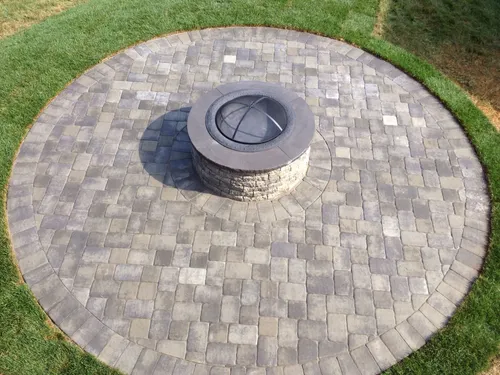
Michael's Landscape Design is a landscaping and hardscaping company serving the Philadelphia, PA area and South Jersey, including Burlington, Mercer, and Camden counties. Founded in 1997, the company offers a range of services such as landscape design, patio and paver installation, grading, drainage solutions, landscape lighting, and sod installation. They specialize in hand-laid brick and interlocking paver work and handle projects from small garden pathways to large property makeovers with an owner-operated approach ensuring attention to detail throughout the process.
Beerman and Sons Landscaping
230 Bells Lake Rd, Turnersville, NJ 08012
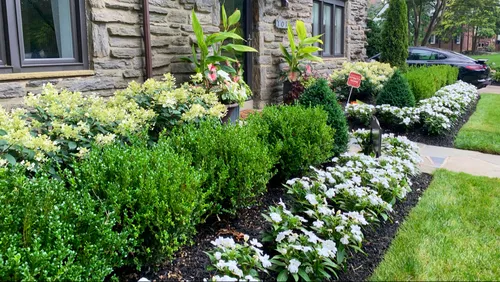
Beerman and Sons Landscaping is based in Turnersville, NJ, serving Philadelphia, PA, and surrounding counties. Founded by Bill Beerman, a Penn State graduate with over 20 years of experience, the company offers comprehensive landscaping services including landscape design, hardscaping with durable pavers and natural stone, sod installation, grading, drainage solutions, lawn establishment, and landscape lighting. Their approach combines formal horticultural education with practical expertise to create outdoor spaces that thrive year-round and enhance residential properties.
L&G landscaping & lawn services llc
19 Madison Ave, Lindenwold, NJ 08021
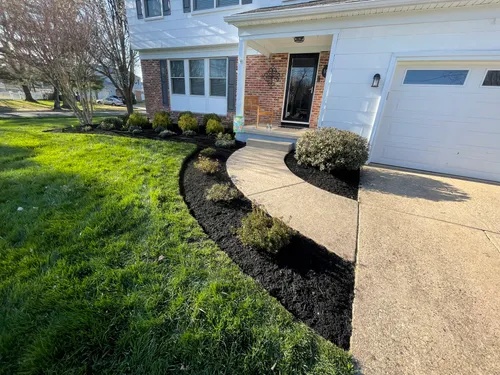
L&G Landscaping & Lawn Services LLC is a landscaping and lawn care company serving Philadelphia, PA. Established in 2010, the company offers a variety of services including lawn mowing, landscape design, tree removal, and stump grinding. Their team focuses on creating customized outdoor spaces and maintaining lawns with attention to detail. They serve both South Jersey and Philadelphia areas, providing expert tree care and landscaping solutions.
E&J Landscaping LLC
31 Upland Rd, Brookhaven, PA 19015
E&J Landscaping LLC provides comprehensive lawn care, landscaping, drainage, and outdoor improvement services in Philadelphia, PA. They offer routine property maintenance such as mowing, bush trimming, garden care, and seasonal cleanups, along with custom landscape design and installation of paver and flagstone patios. Their expertise includes yard grading and stormwater management solutions like French drains and catch basins to protect home foundations. Serving Delaware County communities, E&J Landscaping LLC is licensed and insured, focusing on quality materials and construction to maintain healthy, attractive outdoor spaces.
Greenstone Gardens
Philadelphia, PA
Greenstone Gardens is a family-owned landscaping and hardscaping company serving Philadelphia, PA, and the surrounding areas. With 44 years of experience, they offer a wide range of services including landscape design, hardscaping, drainage solutions, tree planting, and outdoor kitchen installation. Their expertise includes building patios, retaining walls, and effective water management systems to enhance both the beauty and functionality of outdoor spaces. As a second-generation company, Greenstone Gardens combines traditional craftsmanship with innovative techniques to create personalized outdoor environments.
Understanding Camden's Landscape Environment
Successful garden planning in South Jersey starts with a solid understanding of two fundamental factors: the local climate and your soil. These elements form the foundation upon which all other design decisions are built.
Navigating the Humid Subtropical Climate
Camden is situated within USDA Plant Hardiness Zones 7a and 7b. This means residents experience hot, humid summers and winters that can bring significant cold snaps. This climate duality requires selecting plants that are resilient enough to handle both extremes. The good news is that many beautiful native and adapted species thrive here. When planning your plantings, look for species known for their toughness, such as various hollies, hydrangeas, ornamental grasses, and hardy perennials that can provide year-round interest.
Working with New Jersey Soils
A common challenge for property owners in the area is soil composition. Typical New Jersey soils, including those in Camden, tend to be clay-heavy 1. Clay soil holds water well but drains poorly, which can lead to waterlogged roots and unhappy plants. Before installing new garden beds, it's crucial to test and amend your soil. Incorporating generous amounts of compost or other organic matter improves drainage, adds essential nutrients, and creates a more hospitable environment for plant roots to establish and grow 1. Proper soil preparation is a non-negotiable first step for a healthy, low-maintenance landscape.
The Core Principles of Residential Yard Design
Good landscape architecture is more than just planting a few flowers; it's about creating a cohesive, balanced, and usable extension of your home. Several key principles guide professional designers.
Creating Unity and Balance
A unified landscape feels like a single, harmonious composition rather than a collection of unrelated parts. This is achieved by repeating certain elements, like specific plant colors, textures, or materials, throughout the different areas of your yard. Balance relates to the visual weight of the landscape. You can create symmetrical balance (mirroring elements on either side of a central point) or asymmetrical balance (using different elements of equal visual weight) to make the space feel stable and intentional.
Establishing Focal Points
Every engaging garden design needs a focal point-an element that immediately draws the eye and creates interest. This could be a stunning specimen tree, a bubbling fountain, a vibrant flower bed, or a cozy fire pit 2. The focal point serves as an anchor for the design and helps organize the space around it. In a front yard, the focal point is often the home's entryway, framed by thoughtful plantings. In the backyard, it might be the centerpiece of your entertainment area.
Prioritizing Functionality
While aesthetics are important, functionality is paramount. A beautiful yard that's difficult to use or maintain won't bring lasting enjoyment. Consider how you and your family want to live in the space. Do you need a clear, safe path from the driveway to the front door? Is there adequate space for children or pets to play? Are seating areas placed in sunny or shaded spots based on the time of day you'll use them? A practical site plan ensures the landscape works for your daily life.
Practical Zoning: Organizing Your Outdoor Space
One of the most effective strategies in master planning is to think of your yard as a series of interconnected "rooms," each with a specific purpose. This concept, known as zoning, typically divides residential property into three main areas.
1. The Public Zone (Front Yard)
The public zone is your home's handshake with the neighborhood. Its primary functions are to enhance curb appeal, define the property line, and provide a welcoming approach to your entrance. Design here often focuses on clean lines and low-maintenance, attractive plantings. Elements might include a defined walkway (straight for a formal look, curved for a more natural feel), foundation shrubs, seasonal color beds, and attractive lighting 3. The goal is to create a positive first impression that is visually cohesive with your home's architecture.
2. The Private Zone (Backyard)
This is your personal retreat for relaxation and entertainment. The private zone can be further subdivided into smaller "rooms" based on activity:
- Dining & Cooking Area: For patios, decks, outdoor kitchens, and dining sets.
- Lounge Area: For comfortable seating around a fire pit or water feature.
- Recreation Area: For lawns, play sets, or game spaces.
- Garden Area: For vegetable plots, cutting gardens, or peaceful contemplation spaces 4. Using plantings, low walls, or changes in paving materials can subtly define these different areas without building solid walls.
3. The Service Zone
Often tucked away, the service zone handles the practical necessities. This is where you'll locate trash and recycling bins, storage sheds, air conditioning units, compost piles, or utility lines. Screening this zone with fencing, latticework, or dense evergreen plantings helps keep it functional but out of sight, maintaining the beauty of the other zones.
Find the perfect landscape design companies for your needs
Get personalized recommendations and expert advice
Key Features for a Camden Landscape
Integrating specific features into your zoning plan brings functionality and personality to your outdoor living design.
Hardscaping: The Framework
Hardscaping refers to the non-living, built elements of your landscape. These features provide structure and define spaces.
- Patios & Walkways: Materials like pavers, natural stone, or poured concrete create stable surfaces for gathering and circulation. A well-built patio serves as the foundation for your backyard living space.
- Outdoor Kitchens & Fire Features: Extend your home's livable space with features like built-in grills, pizza ovens, or fire pits. These elements encourage year-round use of the yard and become natural social hubs 5.
- Walls & Edging: Retaining walls manage slopes, while low garden walls can create seating or define planting beds. Edging provides a clean separation between lawn and garden areas.
Softscaping: The Living Layer
Softscaping encompasses all the horticultural elements-the plants that bring color, life, and softness to the design.
- Native Plantings: Incorporating native plants is a cornerstone of eco-friendly garden design. Plants native to New Jersey are adapted to the local climate and soil, generally require less water and fewer pesticides, and provide crucial habitat for local birds, butterflies, and pollinators.
- Layered Planting Beds: Create depth and interest by designing beds with layers: taller trees or shrubs in back, mid-height perennials and grasses in the middle, and low-growing groundcovers or annuals at the front.
- Rain Gardens & Stormwater Solutions: A strategically placed rain garden, planted with water-tolerant natives, can be a beautiful and functional way to capture and filter stormwater runoff from your roof or driveway, reducing erosion and pollution 6.
Specialized Elements
- Water Features: The sound of moving water from a fountain or small pond adds a layer of tranquility and masks neighborhood noise, creating a serene atmosphere.
- Lighting: Strategic outdoor lighting enhances safety on pathways and steps, highlights architectural and plant features, and allows you to enjoy your landscape after sunset.
- Sustainable Practices: Beyond native plants, consider permeable paving options that allow water to seep into the ground, efficient drip irrigation systems for planted areas, and choosing drought-tolerant species to conserve water.
Investment and Planning Considerations
The cost of a landscape design project in Camden varies tremendously based on the scope, materials, and size of your property. Understanding potential investment ranges can help you plan a realistic budget.
- Plantings & Garden Beds: Installing new trees, shrubs, and perennials can range from $500 for a small, simple bed to $5,000 or more for extensive, mature plantings.
- Hardscaping: A basic paver patio or walkway may start around $2,000, while larger, complex installations with high-end materials like natural stone can easily reach $10,000 or beyond.
- Specialty Features: An outdoor kitchen with basic appliances might begin around $3,000, but fully customized setups with high-end finishes, plumbing, and electrical work can exceed $15,000 7. Water features and custom lighting also add variable costs.
- Comprehensive Design/Build Projects: For a full property transformation involving master planning, significant hardscaping, planting, and lighting, budgets often range from $5,000 for moderate updates to $50,000+ for elaborate, high-end outdoor living spaces 8 9.
The most important step is to start with a clear plan. Whether you sketch ideas yourself or work with a professional, a good plan acts as a roadmap, ensuring all elements work together cohesively and helping you phase the project to align with your budget over time 10.
Frequently asked questions
Sources
Footnotes
-
Five Essential Steps to Prepare Your Soil for Landscaping - https://idealrockaway.com/blog/soil-preparation-five-steps/ ↩ ↩2
-
What are the 7 Principles of Landscape Design? - https://hearnlandscape.com/what-are-the-7-principles-of-landscape-design/ ↩
-
Landscaping for Front Yards: Designs for Any Home | Lowe's - https://www.lowes.com/n/ideas-inspiration/front-yard-landscaping-ideas ↩
-
Spruce Up Your Site: How to Plan a Residential Landscape Design - https://www.skh.com/blog/residential-landscape-design/ ↩
-
Learn how modern landscape design can harness the beauty of nature. - https://www.mymodernhome.com/blog/modern-landscape-design-ideas-for-your-dream-home/ ↩
-
10 Tips for a Low-Maintenance, Eco-Friendly Backyard - https://tataandhoward.com/10-tips-for-a-low-maintenance-eco-friendly-backyard/ ↩
-
Transforming Your New Jersey Yard: Landscape Design ... - https://www.hightechlandscapes.com/resource-blogs/nj-landscape-design-essentials/ ↩
-
Step 1: Plan Before You Plant - Jersey-Friendly Yards - https://www.jerseyyards.org/create-a-jersey-friendly-yard/8-steps/plan-before-you-plant/ ↩
-
Residential Landscape Design in NJ: Costs & Ideas - https://www.borstlandscape.com/articles/residential-landscape-design-in-bergen-county/ ↩
-
Landscape Plans - Make Free Landscape Designs Online - Canva - https://www.canva.com/create/landscape-plans/ ↩