Find the Best Landscape Design Companies for Your Business
No obligation • Fast responses • Nationwide coverage

Why you can trust Landscape Atlas
Landscape Atlas is a leading United States resource for evaluating landscaping, lawn care, and outdoor service providers. Our team researches each category in depth, focusing on service quality, safety, and customer experience. Listings and rankings are based on independent criteria and user feedback, and companies cannot pay to influence our assessments or recommendations.
Search providers near you
Top Landscape Design Companies in Gloucester, New Jersey Ranked
Creating a beautiful and functional outdoor space in Gloucester begins with thoughtful landscape design. This process involves planning and shaping your yard to meet your aesthetic desires and practical needs, from boosting curb appeal to creating an outdoor living room. A well-executed design considers your local climate, soil, and lifestyle to create a cohesive, sustainable, and enjoyable environment. This guide will help you understand the key considerations, popular features, and planning steps for residential landscape design in our area.
Michael's Landscape Design
750 Maple Ave, Southampton Township, NJ 08088
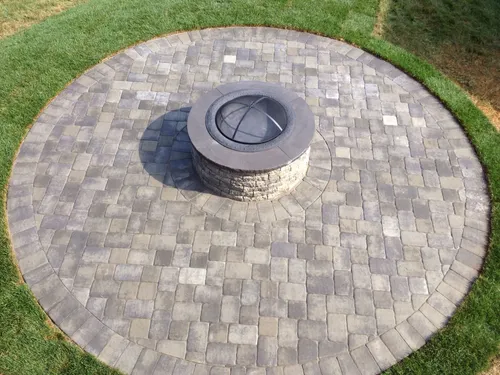
Michael's Landscape Design is a landscaping and hardscaping company serving the Philadelphia, PA area and South Jersey, including Burlington, Mercer, and Camden counties. Founded in 1997, the company offers a range of services such as landscape design, patio and paver installation, grading, drainage solutions, landscape lighting, and sod installation. They specialize in hand-laid brick and interlocking paver work and handle projects from small garden pathways to large property makeovers with an owner-operated approach ensuring attention to detail throughout the process.
Beerman and Sons Landscaping
230 Bells Lake Rd, Turnersville, NJ 08012
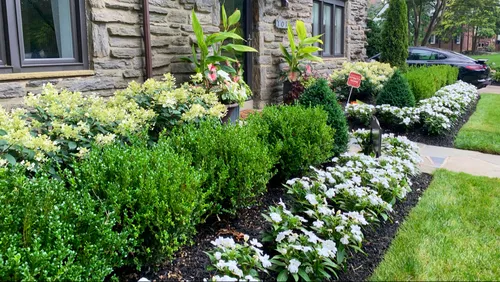
Beerman and Sons Landscaping is based in Turnersville, NJ, serving Philadelphia, PA, and surrounding counties. Founded by Bill Beerman, a Penn State graduate with over 20 years of experience, the company offers comprehensive landscaping services including landscape design, hardscaping with durable pavers and natural stone, sod installation, grading, drainage solutions, lawn establishment, and landscape lighting. Their approach combines formal horticultural education with practical expertise to create outdoor spaces that thrive year-round and enhance residential properties.
L&G landscaping & lawn services llc
19 Madison Ave, Lindenwold, NJ 08021
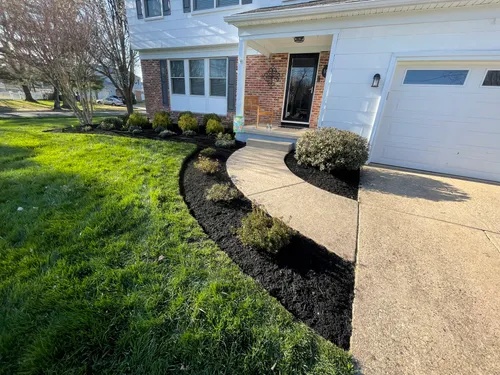
L&G Landscaping & Lawn Services LLC is a landscaping and lawn care company serving Philadelphia, PA. Established in 2010, the company offers a variety of services including lawn mowing, landscape design, tree removal, and stump grinding. Their team focuses on creating customized outdoor spaces and maintaining lawns with attention to detail. They serve both South Jersey and Philadelphia areas, providing expert tree care and landscaping solutions.
E&J Landscaping LLC
31 Upland Rd, Brookhaven, PA 19015
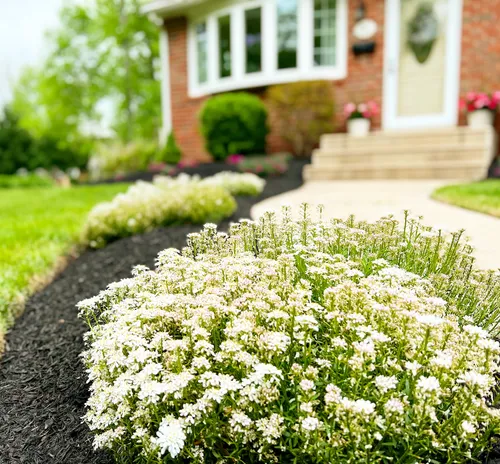
E&J Landscaping LLC provides comprehensive lawn care, landscaping, drainage, and outdoor improvement services in Philadelphia, PA. They offer routine property maintenance such as mowing, bush trimming, garden care, and seasonal cleanups, along with custom landscape design and installation of paver and flagstone patios. Their expertise includes yard grading and stormwater management solutions like French drains and catch basins to protect home foundations. Serving Delaware County communities, E&J Landscaping LLC is licensed and insured, focusing on quality materials and construction to maintain healthy, attractive outdoor spaces.
Greenstone Gardens
Philadelphia, PA
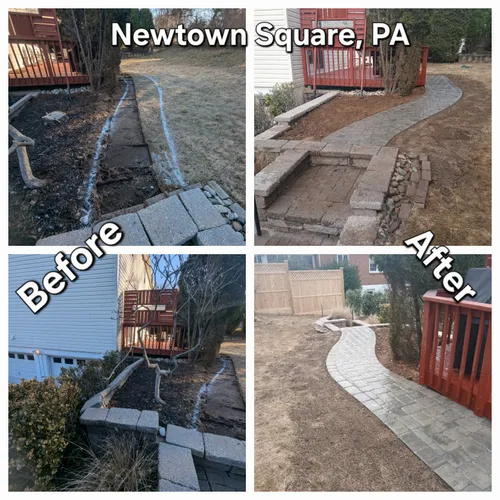
Greenstone Gardens is a family-owned landscaping and hardscaping company serving Philadelphia, PA, and the surrounding areas. With 44 years of experience, they offer a wide range of services including landscape design, hardscaping, drainage solutions, tree planting, and outdoor kitchen installation. Their expertise includes building patios, retaining walls, and effective water management systems to enhance both the beauty and functionality of outdoor spaces. As a second-generation company, Greenstone Gardens combines traditional craftsmanship with innovative techniques to create personalized outdoor environments.
Understanding Gloucester's Landscape Environment
Successful garden design starts by working with, not against, your local conditions. Gloucester's specific climate and soil present both opportunities and challenges for your landscaping project.
Climate & Hardiness: Gloucester is located in USDA Plant Hardiness Zones 6b and 7a. This means plants must be selected to withstand cold winters with potential lows down to -5°F, as well as hot, humid summers. This climate is ideal for a wide range of deciduous trees, flowering shrubs, and hardy perennials, but it also requires planning for seasonal drought and heavy rainfall.
Soil Considerations: The native soil in our region is often heavy clay. While nutrient-rich, clay soil can drain poorly, leading to waterlogged roots in wet periods and becoming hard and cracked in dry spells. Amending clay soil with generous amounts of compost or other organic matter is a critical first step to improve drainage and aeration, creating a healthier environment for plant roots. A simple soil pH test can also guide you toward plants that will thrive in your yard's specific conditions.
Sun & Site Analysis: Before placing a single plant, take time to observe your property. Map out how sunlight moves across your yard throughout the day, identifying full sun, partial shade, and full shade areas. Also, note how water flows during a rainstorm to identify potential drainage issues or soggy spots. Understanding these microclimates is essential for placing plants and hardscape features where they will succeed.
Core Principles of Residential Landscape Design
Good landscape architecture is built on foundational principles that create a sense of harmony and purpose. Whether you're planning a small garden refresh or a complete yard transformation, keeping these concepts in mind will lead to a more satisfying result.
- Unity & Harmony: This is achieved by repeating elements like specific plants, colors, or materials throughout the design. A cohesive palette creates a connected feel rather than a collection of disjointed items.
- Balance: Visual weight can be symmetrical (mirrored on either side of a central point) or asymmetrical (balanced using different elements of equal visual interest). Balance provides stability to the overall scene.
- Proportion & Scale: The size of landscape elements should relate comfortably to each other and to your home. A massive tree can overwhelm a small cottage, while tiny shrubs may look lost beside a large colonial.
- Rhythm & Line: The flow of a landscape guides the eye and movement. Curved lines create a natural, relaxed feel, while straight lines suggest formality and order. Rhythm is created through repetition, leading you through the space.
- Focal Points: Every great design has a feature that draws attention, such as a specimen tree, a striking sculpture, a vibrant flower bed, or an elegant water feature. This creates visual interest and a destination within the garden.
Designing Functional Outdoor Zones
Think of your yard as an extension of your home's living space, divided into functional "rooms." This zoning approach helps organize the design to serve different activities.
-
Public Zone (Front Yard): This area is for curb appeal and welcome. Design focuses on the view from the street, framing your home's entrance with attractive foundation plantings, a welcoming walkway, and low-maintenance, eye-catching elements that enhance your home's architecture.
-
Private Zone (Backyard & Side Yards): This is your personal retreat for relaxation and entertainment. This zone can include patios, decks, dining areas, fire pits, play lawns, and privacy screens created by fences or strategic plantings of trees and shrubs.
-
Service Zone: Every property needs a practical area for utilities, storage, composting, or a vegetable garden. Screening this zone with lattice, fencing, or evergreen plantings keeps it accessible but out of sight from your main living areas.
Popular Design Elements for Gloucester Homes
Integrating both softscape (living elements) and hardscape (built elements) creates a dynamic and usable landscape.
Softscaping & Plant Selection: Choosing the right plants is crucial for a low-maintenance, thriving garden. Emphasize native plants like Butterfly Weed (Asclepias), Coneflower (Echinacea), and native grasses, which are adapted to our climate, require less water, and support local pollinators. Incorporate a mix of layers: canopy trees for shade, understory trees and shrubs for structure, and perennials/groundcovers for color and texture. Consider turf alternatives like clover or creeping thyme in low-traffic areas to reduce mowing.
Hardscaping & Structures: Hardscape provides the backbone of your outdoor living space.
- Patios & Walkways: Materials like local stone, brick, or concrete pavers create durable surfaces for gathering and circulation.
- Retaining Walls: Useful for managing slopes, creating planting beds, and adding visual definition.
- Outdoor Living Features: Pergolas and arbors provide shade and vertical interest. Fire pits or outdoor fireplaces extend the usability of your patio into cooler evenings.
- Lighting: Strategic lighting enhances safety on paths, highlights architectural or plant features, and creates ambiance for nighttime enjoyment.
Find the perfect landscape design companies for your needs
Get personalized recommendations and expert advice
Planning Your Project: A Step-by-Step Approach
A methodical planning process prevents costly mistakes and ensures your vision becomes reality.
- Observe & Analyze: Spend a season noting sun patterns, wind direction, drainage issues, and existing plants you want to keep. Sketch a basic site map.
- Define Needs & Desires: Make a list of how you want to use your yard (e.g., "space for family barbecues," "private reading nook," "colorful curb appeal"). Establish your preferred style (e.g., cottage garden, modern minimalist, woodland retreat).
- Create a Master Plan: Start with a bubble diagram to place your functional zones. Then refine it into a scaled drawing, outlining planting beds, hardscape areas, and specific plant placements. This plan can be developed in phases over several years 1.
- Select Materials & Plants: Choose plants based on their mature size, sun/water needs, and seasonal interest. Select hardscape materials that complement your home's exterior and fit the overall aesthetic.
- Establish a Realistic Budget: Landscape projects can vary widely in cost. Allocate funds for design (if using a professional), site preparation, materials, plants, installation, and a contingency for unexpected issues.
Understanding Investment Ranges
The cost of a landscape design project in Gloucester depends entirely on its scope, materials, and whether you DIY or hire professionals. Here are general estimate ranges based on typical project scales:
- DIY/Small-Scale Enhancements ($500 - $3,000): This tier includes projects like refreshing mulch and edging in existing beds, planting a new foundation shrub border, installing a simple gravel or stepping-stone path, or creating a small pollinator garden with native perennials 2 3.
- Professional Mid-Range Design ($3,000 - $15,000): At this level, you might invest in a professionally installed paver patio of moderate size, a defined walkway, a dry-laid stone retaining wall, or comprehensive "softscape" installation with trees, shrubs, and perennials according to a designed plan 4.
- High-End Comprehensive Makeover ($15,000 - $50,000+): This encompasses complex, full-yard transformations. Projects often include extensive hardscaping like large patios with seating walls, outdoor kitchens, custom water features, sophisticated low-voltage lighting systems, and the installation of mature, specimen-quality trees and plants 5 6.
Frequently asked questions
Sources
Footnotes
-
Step 1: Plan Before You Plant - Jersey-Friendly Yards - https://www.jerseyyards.org/create-a-jersey-friendly-yard/8-steps/plan-before-you-plant/ ↩
-
How to Landscape a Small Front Yard on a Budget - https://www.budgetdumpster.com/blog/how-to-landscape-a-small-front-yard-on-a-budget ↩
-
Principles of Landscape Design - Colorado Master Gardener - https://cmg.extension.colostate.edu/Gardennotes/413.pdf ↩
-
The 5 Basic Elements of Landscape Design - https://www.curtilandscaping.com/blog/the-5-basic-elements-of-landscape-design/ ↩
-
Spruce Up Your Site: How to Plan a Residential Landscape Design - https://www.skh.com/blog/residential-landscape-design/ ↩
-
Residential Landscape Design in NJ: Costs & Ideas - https://www.borstlandscape.com/articles/residential-landscape-design-in-bergen-county/ ↩