Find the Best Landscape Design Companies for Your Business
No obligation • Fast responses • Nationwide coverage

Why you can trust Landscape Atlas
Landscape Atlas is a leading United States resource for evaluating landscaping, lawn care, and outdoor service providers. Our team researches each category in depth, focusing on service quality, safety, and customer experience. Listings and rankings are based on independent criteria and user feedback, and companies cannot pay to influence our assessments or recommendations.
Search providers near you
Top Landscape Design Companies in New Brunswick, New Jersey Ranked
Creating a beautiful and functional outdoor space in New Brunswick requires a thoughtful approach that respects the local climate and soil. Professional landscape design is the art of planning and arranging these outdoor areas to be both aesthetically pleasing and practical for your lifestyle. It's more than just planting flowers; it's about crafting a cohesive environment that enhances your property's value and your daily enjoyment. This guide will help you understand the key considerations for your project and how to connect with skilled local designers who can bring your vision to life.
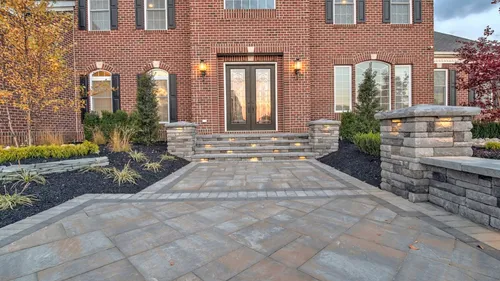
Scenic View Landscaping & Design Specialist
213 Broad St, Keyport, NJ 07735
Scenic View Landscaping & Design Specialist is a landscaping and hardscaping company based near New York, NY, offering a wide range of services including sod installation, artificial turf, landscape lighting, yard drainage, tree services, and hardscaping features like pavers and retaining walls. They provide landscape design and commercial maintenance, with capabilities such as grading and drainage solutions. The company has received multiple service awards and maintains a strong reputation for detailed and attentive work. Scenic View Landscaping & Design Specialist serves the New York, NY area and surrounding communities.
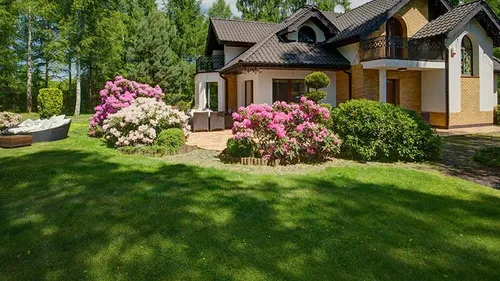
Robert Thieling Landscaping LLC
Newark, NJ
Robert Thieling Landscaping LLC is a full-service landscaping company based in Newark, NJ, serving both residential and commercial property owners. They offer a wide range of services including landscape design and construction, lawn care, sodding and seeding, garden maintenance, weed control, mulching, and hardscaping. The company is known for its personalized service and deep understanding of local regulations and landscaping best practices. Robert Thieling Landscaping LLC emphasizes sustainable maintenance and innovative design to create and preserve healthy, attractive outdoor spaces. Their approach includes efficient business practices to provide affordable landscaping solutions without hidden fees.
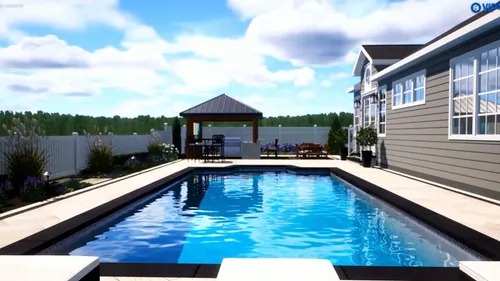
Zadlock Outdoor Services
37 McCaffery Rd, Manalapan Township, NJ 07726
Zadlock Outdoor Services is a landscaping company based near New York, NY, offering a range of services including landscape design, tree removal, stump grinding, yard drainage, grading, and general landscaping. They provide customized landscape solutions tailored to clients' ideas and budgets, with services extending to commercial maintenance, plant health care, and outdoor living installations. Their team serves the New York area and nearby locations, focusing on efficient project management and clear communication. Zadlock Outdoor Services emphasizes upfront pricing and timely responses to inquiries, helping clients understand their projects fully.
Haughey Brothers Landscaping LLC
New York, NY
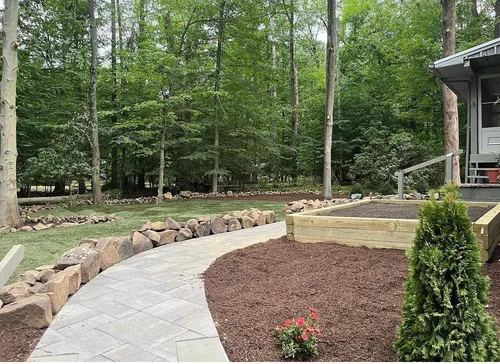
Haughey Brothers Landscaping LLC is a family-owned landscaping company serving New York, NY, and nearby areas in Union County, New Jersey. They specialize in creating luxury outdoor living spaces, offering services such as landscape design, custom hardscaping, lawn care, fence installation, sod and artificial turf installation, yard drainage, and landscape lighting. Their team focuses on transforming yards into functional and beautiful retreats with attention to detail and craftsmanship. The company has several years of experience and provides services for both residential and commercial properties. They also offer snow removal and winter maintenance services to support year-round outdoor care.
Endless Landscaping
98 Predmore Ave, Colonia, NJ 07067
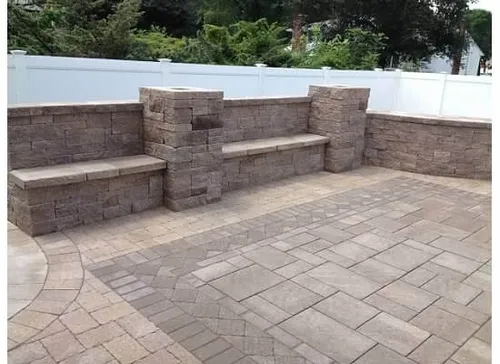
Endless Landscaping is a landscape design and lawn care company based in New York, NY. They specialize in creating elegant outdoor living spaces by combining seasonal color, perennials, landscaping, and maintenance to enhance home value and beauty. Their team is educated at Rutgers in landscape design and maintenance, focusing on detailed project execution to meet client goals and preferences.
Understanding New Brunswick's Unique Landscape Environment
Successful residential landscaping in New Brunswick starts with a deep understanding of the local conditions. The city falls within USDA Hardiness Zones 6b and 7a, which means plants must be resilient enough to handle both humid, hot summers and cold winters with potential frost. The climate is classified as humid subtropical, demanding plant selections and placements that can thrive through these seasonal extremes.
Perhaps the most critical factor is the soil. New Brunswick often has heavy, clay-based soils that can be challenging for drainage. When saturated, clay holds water, which can drown plant roots and create muddy, unusable spaces. A foundational step in any landscape architecture project here involves addressing this through proper site grading and soil amendment with compost or other organic matter to improve structure and permeability. Alternatively, designers can select native and adapted plants that are naturally tolerant of "wet feet" and local conditions, leading to a more resilient and lower-maintenance garden.
The Core Principles of Effective Garden Design
A great landscape plan is built on timeless design principles that create harmony and balance. These principles guide the placement of every element, from the largest tree to the smallest stepping stone.
- Unity and Harmony: This is achieved by repeating plants, materials, or colors throughout the design to create a cohesive feel. Too many unrelated elements can make a space feel chaotic.
- Balance: Visual balance can be symmetrical (mirroring elements on either side of a central point) or asymmetrical (achieving equilibrium through different elements of equal visual weight).
- Proportion and Scale: The size of landscape features should relate comfortably to each other and to your home. A massive patio can dwarf a small house, while a tiny flower bed can get lost on a large property.
- Rhythm and Line: Rhythm is created by the repetition of elements, leading the eye through the space. Lines-formed by walkways, bed edges, or plant rows-direct movement and focus, creating a sense of flow 1.
- Simplicity: Often, less is more. Avoiding over-complication with too many plant varieties or hardscape materials helps create a restful and elegant outdoor environment 2.
Creating Functional Outdoor Zones
A well-designed property thoughtfully divides the yard into distinct functional zones. This zoning is a cornerstone of practical residential landscape design, ensuring every part of your outdoor space serves a purpose.
- The Public Zone (Front Yard): This area is for curb appeal and welcome. Design focuses on creating an inviting entrance with clean lines, clear pathways, and attractive but often simpler plantings like foundation shrubs and a healthy lawn. The goal is to present a neat, welcoming face to the neighborhood.
- The Private Zone (Backyard): This is your personal retreat for relaxation, dining, and entertainment. This is where you invest in features like patios, decks, outdoor kitchens, fire pits, and lush planting beds that create privacy and ambiance. This zone is tailored to your family's specific hobbies and social habits.
- The Service Zone: Every property has utilitarian needs. This area is designed to discreetly house trash and recycling bins, air conditioning units, storage sheds, or vegetable gardens. Clever screening with fencing, lattice, or dense plantings can tuck these necessities out of sight while keeping them accessible 3.
Key Elements to Incorporate in Your Design
Your landscape plan brings together two primary categories of elements: the living (softscape) and the built (hardscape).
Hardscaping Features: Hardscaping provides the structure and functionality of your outdoor living areas. In New Brunswick, popular features include:
- Patios & Walkways: Constructed from pavers, natural stone, or concrete to define gathering and circulation spaces.
- Retaining Walls: Essential for managing slopes, preventing erosion, and creating level planting areas on New Brunswick's varied terrain.
- Outdoor Living Features: Fire pits, outdoor kitchens, and pergolas extend your home's livable space and create focal points for entertainment 4.
- Drainage Solutions: Given the clay soil, integrating solutions like French drains, dry creek beds, or proper grading is often a critical, non-negotiable element of the plan.
Planting & Softscape Design: This is where color, texture, and life are added. A smart planting plan considers:
- Year-Round Interest: Selecting a mix of evergreens, deciduous plants with great fall color, plants with interesting bark, and winter berries.
- Layering: Using trees (the canopy), understory shrubs, perennials, and groundcovers to create depth and fullness.
- Native Plants: Species like Eastern Redbud, Switchgrass, or New Jersey Tea are adapted to local pests, climate, and soil, requiring less water and care while supporting local ecology 5.
- Functional Planting: Using hedges or tall grasses for privacy screening, trees for shade, and fragrant plants near seating areas.
Find the perfect landscape design companies for your needs
Get personalized recommendations and expert advice
Planning Your Project: From Vision to Reality
The journey to a new landscape begins long before the first shovel hits the ground. A successful project hinges on thorough planning.
- Conduct a Site Analysis: Start by sketching your existing yard. Note the sun and shade patterns throughout the day, identify low spots where water pools, map existing trees and structures, and understand the natural flow of water across your property. This is the single most important step a designer will take 6 7.
- Define Your Needs & Desires: Make a list of how you want to use the space. Do you need a play area for kids? A quiet reading nook? A large patio for hosting? Prioritizing these needs helps shape the design.
- Establish a Realistic Budget: Landscape design and installation costs in New Brunswick vary widely based on scope and materials. Simple planting bed refreshes with mulch may cost a few hundred to a couple thousand dollars. A new paver patio often starts around $5,000 or more, while comprehensive projects involving multiple hardscape features, lighting, and mature plantings can range from $10,000 to $50,000+ 8. Being upfront about your budget allows a designer to create a phased plan or suggest suitable material alternatives.
- Work with a Professional: A qualified landscape designer or architect translates your wishes and site realities into a cohesive, buildable plan. They navigate permits, contractor coordination, and the complexities of local conditions, ensuring your investment is sound and beautiful for years to come.
Frequently asked questions
Sources
Footnotes
-
The 5 Basic Elements of Landscape Design - https://www.curtilandscaping.com/blog/the-5-basic-elements-of-landscape-design/ ↩
-
Principles of Landscape Design - Colorado Master Gardener - https://cmg.extension.colostate.edu/Gardennotes/413.pdf ↩
-
Spruce Up Your Site: How to Plan a Residential Landscape Design - https://www.skh.com/blog/residential-landscape-design/ ↩
-
What is Landscape Design? - LawnStarter - https://www.lawnstarter.com/blog/landscaping/what-is-landscape-design/ ↩
-
Transforming Your New Jersey Yard: Landscape Design ... - https://www.hightechlandscapes.com/resource-blogs/nj-landscape-design-essentials/ ↩
-
Step 1: Plan Before You Plant - Jersey-Friendly Yards - https://www.jerseyyards.org/create-a-jersey-friendly-yard/8-steps/plan-before-you-plant/ ↩
-
10 Important Things to Consider When Planning Your Landscape Design - https://gardeningsolutions.ifas.ufl.edu/design/ten-planning-tips-for-design/ ↩
-
Residential Landscape Design in NJ: Costs & Ideas - https://www.borstlandscape.com/articles/residential-landscape-design-in-bergen-county/ ↩