Find the Best Landscape Design Companies for Your Business
No obligation • Fast responses • Nationwide coverage

Why you can trust Landscape Atlas
Landscape Atlas is a leading United States resource for evaluating landscaping, lawn care, and outdoor service providers. Our team researches each category in depth, focusing on service quality, safety, and customer experience. Listings and rankings are based on independent criteria and user feedback, and companies cannot pay to influence our assessments or recommendations.
Search providers near you
Top Landscape Design Companies in Union, New Jersey Ranked
Transforming your Union property with professional landscape design is about creating an outdoor space that is both beautiful and functional, tailored to your lifestyle and the local environment. A well-planned landscape enhances your home's curb appeal, increases property value, and provides a personal sanctuary for relaxation and entertainment. This guide will help you understand the key considerations for designing a yard in Union, from climate-appropriate plantings to layout principles, so you can effectively connect with local experts who can bring your vision to life.
Scenic View Landscaping & Design Specialist
213 Broad St, Keyport, NJ 07735
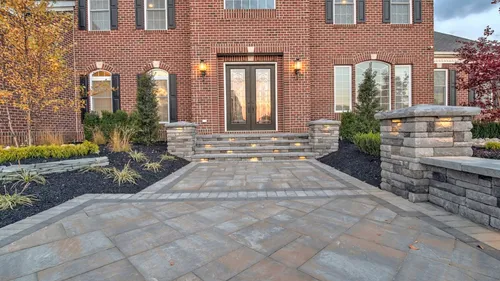
Scenic View Landscaping & Design Specialist is a landscaping and hardscaping company based near New York, NY, offering a wide range of services including sod installation, artificial turf, landscape lighting, yard drainage, tree services, and hardscaping features like pavers and retaining walls. They provide landscape design and commercial maintenance, with capabilities such as grading and drainage solutions. The company has received multiple service awards and maintains a strong reputation for detailed and attentive work. Scenic View Landscaping & Design Specialist serves the New York, NY area and surrounding communities.
Hillsdale Landscaping & Construction
27 Legion Pl, Hillsdale, NJ 07642
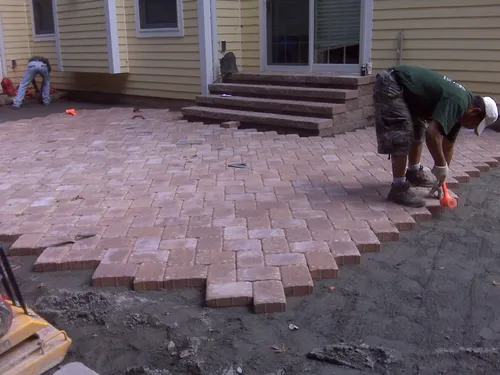
Hillsdale Landscaping & Construction is a landscaping and hardscaping company based near New York, NY. They provide landscape design, yard drainage solutions, grading services, and installation of paver walkways, patios, and driveways. Their services include water management to address issues like basement water and yard puddles, as well as plantings and garden design to enhance privacy and rejuvenate properties.
Robert Thieling Landscaping LLC
Newark, NJ
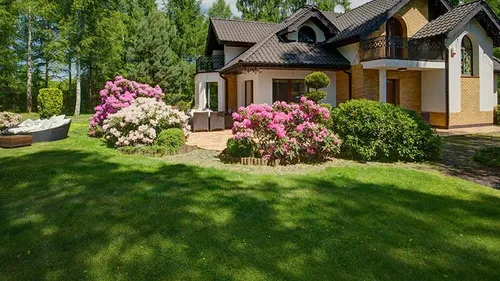
Robert Thieling Landscaping LLC is a full-service landscaping company based in Newark, NJ, serving both residential and commercial property owners. They offer a wide range of services including landscape design and construction, lawn care, sodding and seeding, garden maintenance, weed control, mulching, and hardscaping. The company is known for its personalized service and deep understanding of local regulations and landscaping best practices. Robert Thieling Landscaping LLC emphasizes sustainable maintenance and innovative design to create and preserve healthy, attractive outdoor spaces. Their approach includes efficient business practices to provide affordable landscaping solutions without hidden fees.
Zadlock Outdoor Services
37 McCaffery Rd, Manalapan Township, NJ 07726
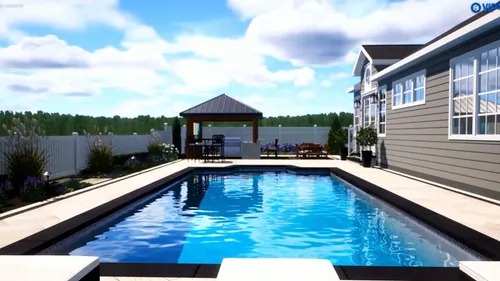
Zadlock Outdoor Services is a landscaping company based near New York, NY, offering a range of services including landscape design, tree removal, stump grinding, yard drainage, grading, and general landscaping. They provide customized landscape solutions tailored to clients' ideas and budgets, with services extending to commercial maintenance, plant health care, and outdoor living installations. Their team serves the New York area and nearby locations, focusing on efficient project management and clear communication. Zadlock Outdoor Services emphasizes upfront pricing and timely responses to inquiries, helping clients understand their projects fully.
CLC Landscape Design
58 Ringwood Ave, Ringwood, NJ 07456
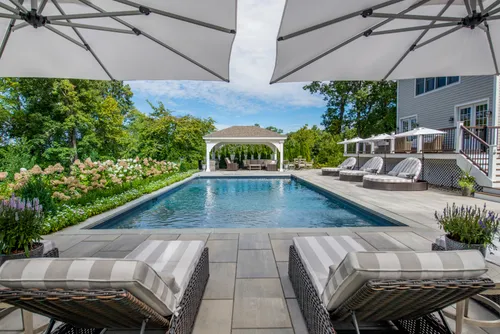
CLC Landscape Design is a landscape design company based in New York, NY. They specialize in creating detailed landscape blueprints that focus on structure, flow, and personalized outdoor spaces. Their design process includes careful planning from layout to material selection to ensure functional and attractive backyards.
Understanding Union's Landscape Environment
Successful landscape architecture in Union begins with a thorough understanding of the local conditions. Your property is not a blank slate; it's influenced by climate, soil, and sunlight, which will determine what thrives and what structural elements are necessary.
Climate & Hardiness: Union County sits in USDA Plant Hardiness Zones 6b and 7a. This means plants must be selected to tolerate cold winters with average minimum temperatures down to 0°F, as well as warm, humid summers. Opting for native plants and hardy perennials is a smart strategy for resilience and lower maintenance.
Soil & Drainage: Before planting, it's crucial to assess your soil type-whether it's clay, loam, or sandy-and its pH level. Amending the soil may be necessary for optimal plant health. Equally important is observing drainage. Note any slopes or persistent wet spots in your yard. Proper grading or features like rain gardens can manage water flow effectively and prevent issues.
Sunlight Mapping: Track how sunlight moves across your property throughout the day. Identify areas of full sun (6+ hours), part shade, and full shade. This "sun map" is essential for placing plants in locations where they will flourish and for planning seating areas where you'll want sun or shade.
Foundational Principles of Residential Design
Good garden design is built on intentional planning. Moving beyond simple planting, it involves organizing space, creating flow, and applying artistic principles to achieve a cohesive look.
Creating Functional Zones: Divide your yard into purposeful areas. Typically, these are the Public Zone (front yard for curb appeal), the Private Zone (backyard for living and entertaining), and the Service Zone (for utilities, composting, or storage). Defining these zones helps structure the entire project and ensures every part of your landscape has a clear function.
Applying Design Elements: Professional designers work with core visual elements to create interest and harmony:
- Line: Guides the eye and movement. Straight lines suggest formality and are effective in small front yards, while curved lines feel more natural and work well in larger spaces.
- Form & Texture: The shapes of plants and hardscape (round, vertical, spreading) combined with their textures (fine, coarse, smooth) add depth and variety.
- Color: Use color strategically to create mood, draw attention to focal points, or unify different areas of the garden.
Find the perfect landscape design companies for your needs
Get personalized recommendations and expert advice
Designing for Curb Appeal: The Public Front Yard
The front yard is your home's introduction to the neighborhood. Effective landscape planning here focuses on creating a welcoming, polished look that complements your home's architecture.
Pathway & Layout: The choice between a straight or curved walkway depends on your home's style and lot size. A straight path to the front door offers a clear, formal approach ideal for colonial or modern homes with smaller yards. A gently curving path through planting beds can make a larger front yard feel more inviting and expansive.
Focal Points & Planting Beds: Establish a clear focal point, such as an architectural tree, a sculptural element, or a beautifully framed front door. Planting beds should be neat and intentional. For a formal look, use symmetry and repetition. For a more informal cottage style, mix perennials and shrubs in layered beds. Evergreen foundation plantings provide year-round structure 1.
Crafting Your Private Outdoor Living Space
The backyard is your personal retreat. This is where landscape architecture truly shines, transforming unused space into an extension of your home.
Defining Activity Areas: Think of your backyard as a series of outdoor rooms. Common spaces include a dining area (often anchored by a patio or deck), a lounge area (perhaps around a fire pit), and areas for play or gardening. Using hardscaping, planting, or subtle grade changes to define these spaces makes the yard feel organized and larger.
Incorporating Key Features:
- Hardscaping: Patios (using pavers, flagstone, or concrete), walkways, and retaining walls provide the "bones" of your design, creating level, usable spaces and managing slopes.
- Focal Points: A fire pit, water feature, or specimen tree can serve as a captivating centerpiece for your private zone 2.
- Planting for Privacy & Beauty: Use layers of plants-trees, shrubs, and perennials-to create privacy screens, add seasonal color, and attract pollinators. Mixing plant textures, like the soft flow of ornamental grasses against the solid form of an evergreen, adds sophistication 3.
Planning Your Project & Understanding Investment
A successful outdoor makeover requires clear planning and a realistic budget. A landscape designer or architect can be invaluable in navigating this process, turning your ideas into a actionable, cohesive plan.
The Design Process: Start with a site analysis, sketching your yard and noting all existing conditions 4 5. Define your needs and desires for each zone. Choose an overall style (e.g., Modern with clean lines, Formal with symmetry, or Informal and naturalistic) to guide material and plant selections 6 7. A professional can then synthesize this into a master plan that addresses sun, slope, drainage, and aesthetics 8.
Budgeting for Key Elements: Costs can vary widely based on materials, scale, and labor. Having a general sense of investment ranges for common elements in our region can help in planning:
- Professional Design Plans: Often range from $300 to $1,000 or more, frequently as part of a larger installation contract.
- New Lawn Installation: Can range from approximately $6,000 to over $15,000, heavily dependent on property size and soil prep needed.
- Paver Driveway: A significant upgrade, with typical investments between $8,000 and $30,000+.
- Retaining Walls: Cost is highly scale-dependent, from smaller decorative walls around $3,500 to extensive structural walls that can exceed $100,000 9.
Frequently asked questions
Sources
Footnotes
-
Landscaping for Front Yards: Designs for Any Home | Lowe's - https://www.lowes.com/n/ideas-inspiration/front-yard-landscaping-ideas ↩
-
Learn how modern landscape design can harness the beauty of nature. - https://www.mymodernhome.com/blog/modern-landscape-design-ideas-for-your-dream-home/ ↩
-
Elements of a Landscape Design - Oklahoma State University Extension - https://extension.okstate.edu/announcements/grow-gardening-columns/august-27-2023.html ↩
-
Step 1: Plan Before You Plant - Jersey-Friendly Yards - https://www.jerseyyards.org/create-a-jersey-friendly-yard/8-steps/plan-before-you-plant/ ↩
-
Principles of Landscape Design - Colorado Master Gardener - https://cmg.extension.colostate.edu/Gardennotes/413.pdf ↩
-
Spruce Up Your Site: How to Plan a Residential Landscape Design - https://www.skh.com/blog/residential-landscape-design/ ↩
-
(PDF) Types of Landscape design - ResearchGate - https://www.researchgate.net/publication/385893312_Types_of_Landscape_design ↩
-
Residential Landscape Design in NJ: Costs & Ideas - https://www.borstlandscape.com/articles/residential-landscape-design-in-bergen-county/ ↩
-
Landscape Pricing Guide For Union County CT Homeowners - https://www.haugheybrotherslandscaping.com/landscape-pricing-guide/ ↩