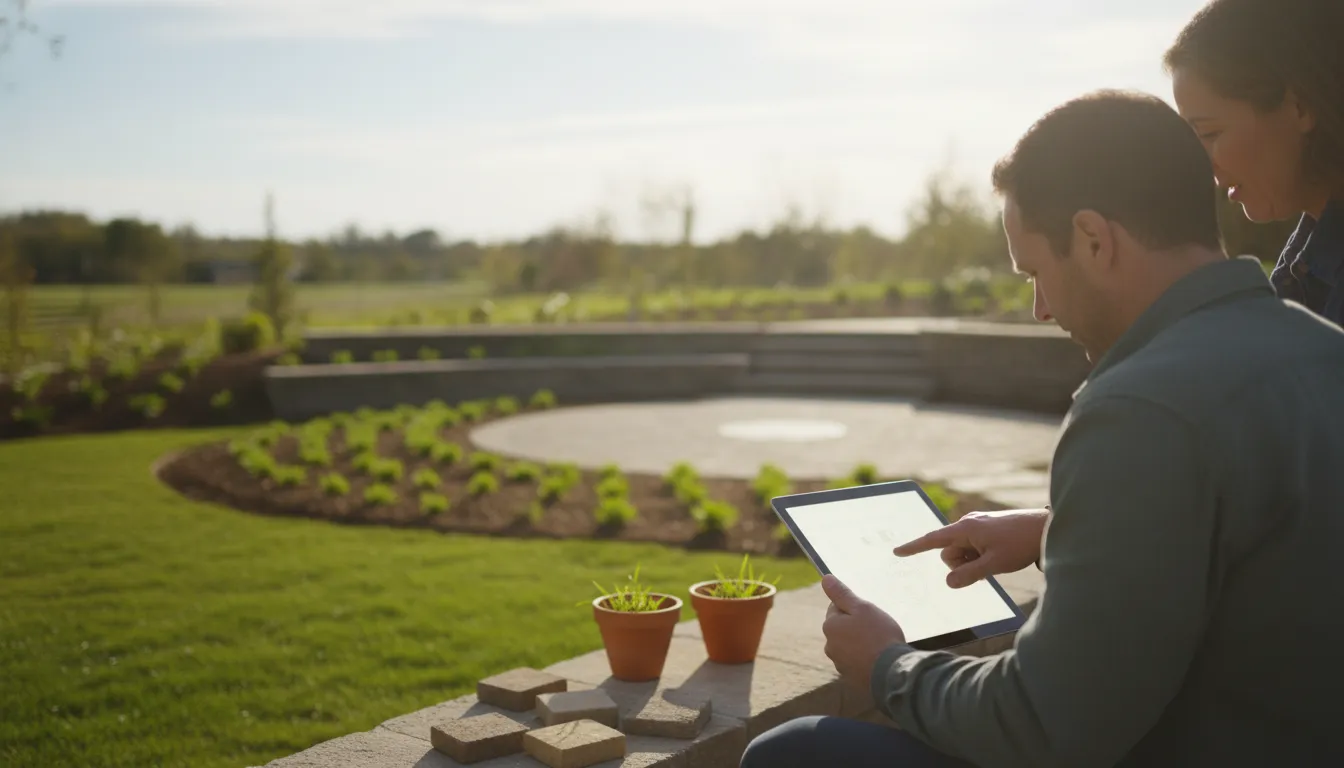
Find the Best Landscape Design Companies for Your Business
No obligation • Fast responses • Nationwide coverage

Why you can trust Landscape Atlas
Landscape Atlas is a leading United States resource for evaluating landscaping, lawn care, and outdoor service providers. Our team researches each category in depth, focusing on service quality, safety, and customer experience. Listings and rankings are based on independent criteria and user feedback, and companies cannot pay to influence our assessments or recommendations.
Search providers near you
Best Landscape Design Companies in Pennsylvania Ranked
Creating a beautiful and functional outdoor space in Pennsylvania requires thoughtful planning that respects the state's varied climate, local ecology, and municipal regulations. Landscape design is the art of arranging plants, structures, and landforms to enhance your property's aesthetic appeal, usability, and environmental sustainability. A well-conceived design can increase your home's value, create vital habitats for local wildlife, and provide a personal sanctuary for year-round enjoyment. This guide will help you understand the key considerations, popular styles, and practical steps for planning a successful landscape project in the Keystone State.
Michael's Landscape Design
750 Maple Ave, Southampton Township, NJ 08088
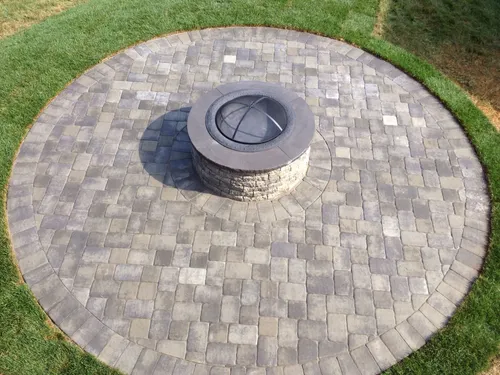
Michael's Landscape Design is a landscaping and hardscaping company serving the Philadelphia, PA area and South Jersey, including Burlington, Mercer, and Camden counties. Founded in 1997, the company offers a range of services such as landscape design, patio and paver installation, grading, drainage solutions, landscape lighting, and sod installation. They specialize in hand-laid brick and interlocking paver work and handle projects from small garden pathways to large property makeovers with an owner-operated approach ensuring attention to detail throughout the process.
JDH Landscapes, LLC
Pittsburgh, PA
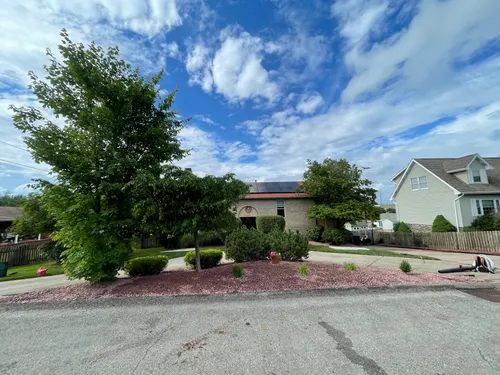
JDH Landscapes, LLC is a family-owned landscaping and tree service company based in Pittsburgh, PA. They provide a range of services including tree cutting, trimming, removal, stump grinding, and full landscape design for both residential and commercial clients throughout the Pittsburgh area. With over 10 years of experience, their team is licensed and insured, focusing on eco-friendly and sustainable solutions.
E2 Landscape & Construction
1846 Louisville Lane, Sewickley, PA 15143
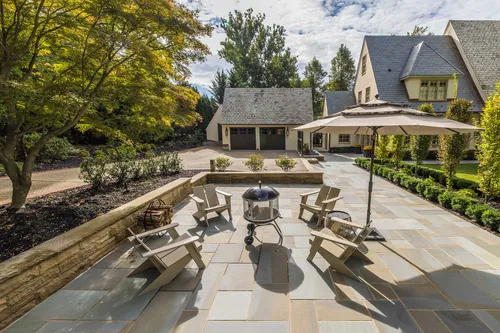
E2 Landscape & Construction is a landscape design and construction company based in Pittsburgh, PA. They specialize in creating custom outdoor living spaces, including patios, pools, decks, and exterior hardscapes. The company emphasizes a design-first approach, working closely with clients to develop tailored plans that fit their lifestyle and site conditions. Serving the greater Pittsburgh area, E2 Landscape & Construction offers comprehensive project management and craftsmanship focused on quality and customer satisfaction.
Beerman and Sons Landscaping
230 Bells Lake Rd, Turnersville, NJ 08012
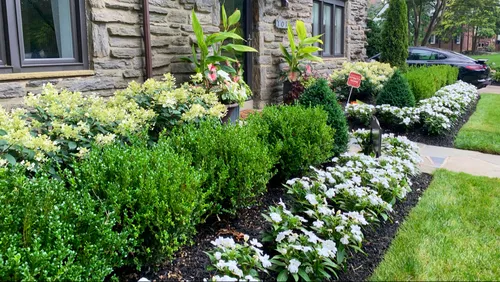
Beerman and Sons Landscaping is based in Turnersville, NJ, serving Philadelphia, PA, and surrounding counties. Founded by Bill Beerman, a Penn State graduate with over 20 years of experience, the company offers comprehensive landscaping services including landscape design, hardscaping with durable pavers and natural stone, sod installation, grading, drainage solutions, lawn establishment, and landscape lighting. Their approach combines formal horticultural education with practical expertise to create outdoor spaces that thrive year-round and enhance residential properties.
L&G landscaping & lawn services llc
19 Madison Ave, Lindenwold, NJ 08021
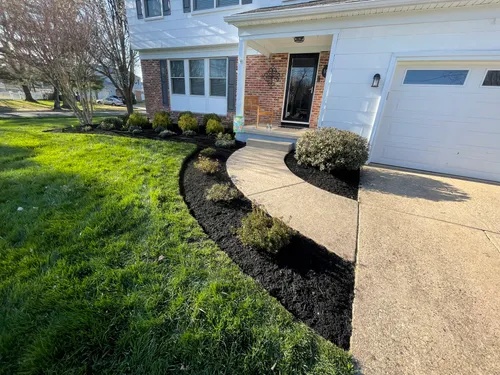
L&G Landscaping & Lawn Services LLC is a landscaping and lawn care company serving Philadelphia, PA. Established in 2010, the company offers a variety of services including lawn mowing, landscape design, tree removal, and stump grinding. Their team focuses on creating customized outdoor spaces and maintaining lawns with attention to detail. They serve both South Jersey and Philadelphia areas, providing expert tree care and landscaping solutions.
Key Considerations for Pennsylvania Landscapes
Pennsylvania's diverse geography, from the Appalachian ridges to the coastal plains, creates a range of microclimates that directly impact your design choices. A successful plan starts with a thorough site analysis.
Climate and Hardiness: Pennsylvania spans USDA Plant Hardiness Zones 5 through 7. This means winter lows can range from -20°F in the northern tier to 0°F in southeastern counties. Selecting plants rated for your specific zone is the first step toward a resilient garden that will thrive for years.
Creating Four-Season Interest: A great Pennsylvania landscape looks good in January as well as July. Design for year-round appeal by incorporating a mix of elements: evergreens for winter structure, trees and shrubs with striking bark or berries, spring-flowering bulbs, summer perennials, and plants with brilliant fall foliage.
Managing Site Conditions: Assess your property's unique challenges and opportunities.
- Moisture: Pennsylvania receives ample rainfall. Identify wet spots where a rain garden could manage runoff or dry, sunny slopes perfect for drought-tolerant natives.
- Sun and Shade: Note how sunlight moves across your property throughout the day and year. Account for the mature canopy of existing trees and the shade cast by your home.
- Native Plants: Incorporating plants native to Pennsylvania, such as Eastern redbud, black-eyed Susan, or switchgrass, is essential. They are adapted to local conditions, require less water and maintenance, and provide crucial food and shelter for pollinators and birds.
Popular Landscape Design Styles in PA
Your landscape should reflect your personal taste and complement your home's architecture. Several styles are particularly well-suited to Pennsylvania.
- Traditional or Colonial: Characterized by symmetry and order, this style often features formal hedges (like boxwood), brick or stone walkways, and classic plantings. It pairs beautifully with historic and colonial-style homes.
- Cottage Garden: This informal, lush style feels romantic and abundant. It mixes ornamental perennials, herbs, and edible plants in overflowing beds, connected by winding gravel or flagstone paths.
- Modern or Contemporary: Emphasizing clean lines and geometric shapes, modern design often uses minimalist planting palettes and focuses on hardscape materials like stained concrete, metal, and large-format stone.
- Woodland or Naturalistic: Ideal for properties with existing trees, this style mimics the layered look of a forest. It utilizes native shade-loving plants like ferns, hostas, and woodland phlox to create a serene, low-maintenance retreat.
Understanding Permits and Regulations
Before breaking ground, it's crucial to understand local rules. Regulations vary significantly by township, borough, or city, so contacting your local zoning or planning department is a necessary first step.
Common projects that may require permits or reviews include:
- New Structures: Decks, pergolas, gazebos, and sheds often need permits, especially if they are attached to the house or exceed a certain size 1.
- Significant Grading & Land Alteration: Changing the contour of your land for terraces, pools, or drainage solutions typically requires approval to ensure stability and proper stormwater management.
- Large Hardscape Features: Extensive patios, retaining walls over a certain height, and driveways may need permits, particularly if they impact water runoff.
- Tree Removal: Many Pennsylvania municipalities have tree ordinances that protect mature trees or require replacements for those that are removed.
- Stormwater Management: With increased focus on watershed health, you may be encouraged or required to incorporate features like rain gardens, permeable pavers, or detention basins to manage rainwater on your property 2 3.
Find the perfect landscape design companies for your needs
Get personalized recommendations and expert advice
Project Scope and Investment
Landscape design and installation costs in Pennsylvania vary widely based on materials, labor, and complexity. Understanding the typical ranges can help you set a realistic budget.
Design Fees: Professional design services can range from a few hundred dollars for a basic conceptual sketch to $5,000 or more for comprehensive master plans with detailed drawings, plant lists, and 3D renderings 4.
Installation Costs:
- Small Project (e.g., a new foundation planting or garden bed): $500 - $2,000 for plants, soil, and mulch.
- Medium Project (e.g., a patio with surrounding planting): $5,000 - $20,000, with costs driven by paver selection and plant variety.
- Large Project (e.g., a multi-level outdoor living space with kitchen, fireplace, lighting, and extensive planting): $20,000 - $75,000+.
The final cost is influenced by material quality (bluestone vs. concrete pavers), local labor rates, site accessibility, plant size and maturity, and special features like irrigation or landscape lighting.
The Design and Implementation Process
A successful project follows a logical sequence.
- Initial Consultation & Site Analysis: A designer assesses your property, discusses your needs, style preferences, and budget.
- Conceptual Design: The designer presents rough ideas for layout, spaces, and style.
- Master Plan & Documentation: This phase produces the detailed blueprint, including planting plans, construction details, and material specifications.
- Permitting & Contractor Selection: The finalized plans are used to secure any necessary permits and to obtain accurate bids from licensed contractors.
- Installation & Project Management: A qualified crew executes the plan. Many designers offer project management to ensure the vision is realized correctly.
- Establishment & Maintenance: Proper watering, mulching, and pruning in the first few years are critical to help your new landscape become established.
Frequently asked questions
Sources
Footnotes
-
Pergola Permit in Pennsylvania | Requirements - https://www.enduriastructures.com/blog/do-you-need-a-pergola-permit-in-pennsylvania/ ↩
-
Urban Center Landscapes Design Guide - https://www.chescoplanning.org/municorner/PDF/UrbanCenterDesignGuide.pdf ↩
-
LANDSCAPE DESIGN GUIDELINES - City of Philadelphia - https://www.phila.gov/media/20240718140212/LandscapeRequirements-0709_spreads.pdf ↩
-
LANDSCAPE DESIGN GUIDELINES - AWS - https://hdp-us-prod-app-rideprt-engage-files.s3.us-west-2.amazonaws.com/3217/6098/9169/PRT_Landscape_Design_Guidelines_FINAL.pdf ↩