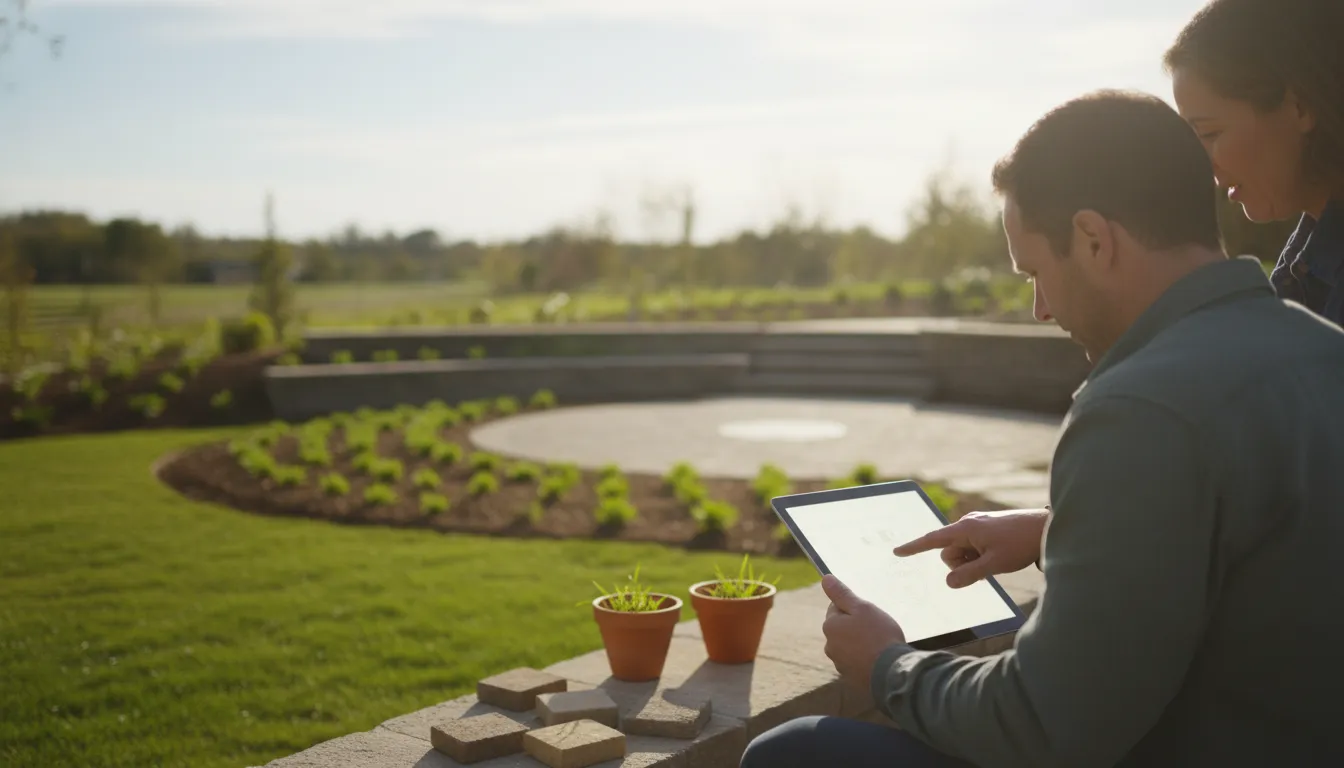
Find the Best Landscape Design Companies for Your Business
No obligation • Fast responses • Nationwide coverage

Why you can trust Landscape Atlas
Landscape Atlas is a leading United States resource for evaluating landscaping, lawn care, and outdoor service providers. Our team researches each category in depth, focusing on service quality, safety, and customer experience. Listings and rankings are based on independent criteria and user feedback, and companies cannot pay to influence our assessments or recommendations.
Search providers near you
Top Landscape Design Companies in Pittsburgh, Pennsylvania Ranked
Creating a beautiful and functional outdoor space in Pittsburgh requires a thoughtful approach that respects the city's unique climate and terrain. Landscape design is the art of planning and arranging the natural and built elements of your property to create an environment that is both aesthetically pleasing and practical for your lifestyle. In a city known for its hills, clay soil, and distinct seasons, a well-conceived design is not just about curb appeal-it's about building a resilient, enjoyable extension of your home that can thrive for years. This guide will help you understand the key considerations for Pittsburgh properties and explore the elements that make up a successful outdoor living space.
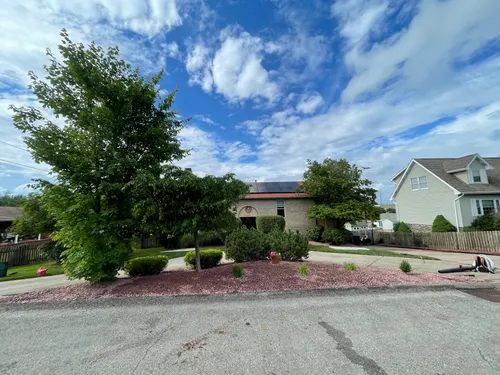
JDH Landscapes, LLC
Pittsburgh, PA
JDH Landscapes, LLC is a family-owned landscaping and tree service company based in Pittsburgh, PA. They provide a range of services including tree cutting, trimming, removal, stump grinding, and full landscape design for both residential and commercial clients throughout the Pittsburgh area. With over 10 years of experience, their team is licensed and insured, focusing on eco-friendly and sustainable solutions.
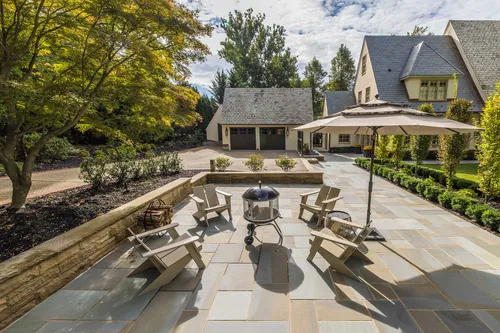
E2 Landscape & Construction
1846 Louisville Lane, Sewickley, PA 15143
E2 Landscape & Construction is a landscape design and construction company based in Pittsburgh, PA. They specialize in creating custom outdoor living spaces, including patios, pools, decks, and exterior hardscapes. The company emphasizes a design-first approach, working closely with clients to develop tailored plans that fit their lifestyle and site conditions. Serving the greater Pittsburgh area, E2 Landscape & Construction offers comprehensive project management and craftsmanship focused on quality and customer satisfaction.
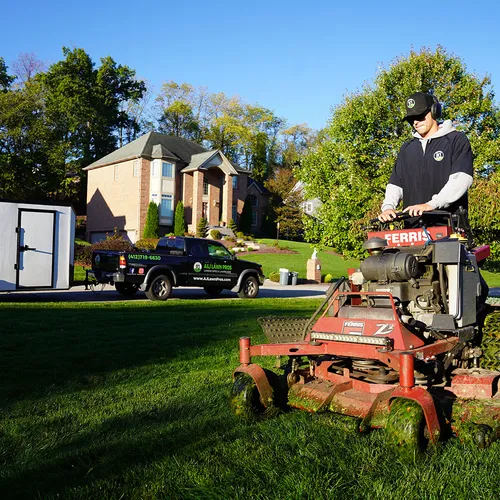
A&J Lawn Pros LLC
Pittsburgh, PA
A&J Lawn Pros LLC is a landscaping and lawn care company based in Pittsburgh, PA. They offer a wide range of outdoor services including lawn mowing, fertilization, weed control, landscape design, hardscaping with patios and retaining walls, yard drainage, land clearing, and holiday lighting installation. Their team also handles commercial and residential property maintenance, excavation, and grading projects. The company is licensed and insured, emphasizing safety and professionalism in their work. They provide personalized consultations and use commercial-grade equipment to maintain lawns and outdoor spaces.
UNITED LAWNSCAPE GROUP LLC
5463 Horning Rd, Pittsburgh, PA 15236
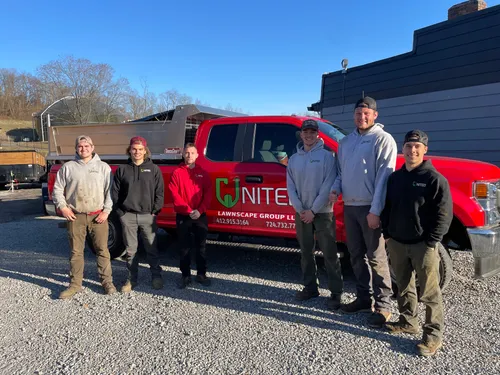
UNITED LAWNSCAPE GROUP LLC is a landscaping and lawn care company based in Pittsburgh, PA. They offer services including lawn mowing, landscape design, hardscaping, and retaining wall installation. With over 10 years of experience, they handle projects ranging from residential gardens to large commercial properties. Their team focuses on creating customized outdoor spaces using quality materials and industry techniques to ensure lasting results.
Dream Greener Lawn & Landscape
4991 Library Rd, Bethel Park, PA 15102
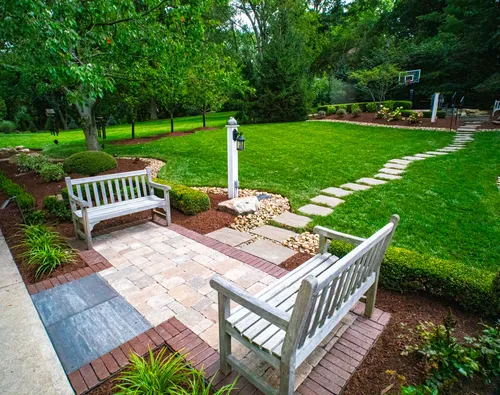
Dream Greener Lawn & Landscape is a comprehensive lawn care and landscaping company serving Pittsburgh, PA, and nearby communities. They offer a wide range of services including lawn fertilization, weed control, sod installation, landscape lighting, tree services, yard drainage, hardscaping, and landscape design. The company operates with a science-based approach to lawn and plant health, supported by their own plant nursery and materials stock, which helps ensure quality and timely project completion. Founded in 2013 by Jon Stanton, a nationally recognized turf specialist, Dream Greener Lawn & Landscape combines expert knowledge with advanced technology to provide personalized and environmentally conscious outdoor solutions. Their team includes certified arborists and licensed technicians, and they emphasize ongoing monitoring and integrated pest management to maintain healthy landscapes.
Understanding Pittsburgh's Landscape Challenges
A successful landscape plan for any Pittsburgh home begins by acknowledging and designing for the local environment. The two most significant factors are the climate and the native soil, which directly influence material choices, plant health, and long-term durability.
Climate & Weather Resilience: Pittsburgh experiences pronounced seasonal shifts with cold, snowy winters and warm, humid summers. The most critical challenge for hardscaping and planting is the freeze-thaw cycle. When water seeps into materials and then freezes, it expands, causing cracks, heaving, and damage to patios, walkways, and retaining walls. A durable design specifies materials like natural stone or high-quality concrete pavers installed with proper base preparation and drainage to mitigate this risk.
Soil Composition & Drainage: Beneath the surface, many Pittsburgh properties contend with clay-heavy soil. Clay is dense, compacts easily, and drains poorly, which can lead to water pooling and root rot for plants. A foundational aspect of local landscape architecture involves improving soil structure, incorporating amendments, and often integrating specific drainage solutions like French drains or dry creek beds into the design to manage water flow effectively.
Sun & Shade Patterns: The city's topography and mature tree canopy create a mosaic of sun exposure. Carefully mapping the sunlight on your property throughout the day is a crucial step. This analysis determines which areas are suitable for sun-loving perennials, vegetable gardens, or sunny patios, and which shaded spots are perfect for hostas, ferns, and cozy seating areas1.
Core Principles of Effective Design
Beyond solving practical challenges, good landscape design is guided by principles that create harmony and purpose. For Pittsburgh yards, these principles help transform a sloped, challenging lot into a series of inviting outdoor rooms.
- Functionality First: The design should solve for how you want to use your space. Do you need areas for dining, a safe play zone for children, a quiet retreat for reading, or a large, level patio for entertaining? Defining these functions is the first step.
- Creating "Garden Rooms": A popular and effective strategy for Pittsburgh properties is to divide the yard into distinct garden rooms. These are separate functional areas defined by pathways, low hedges, pergolas, changes in elevation, or different paving materials. This approach makes a yard feel larger and more organized, providing a sense of discovery as you move from one space to another.
- Seamless Integration: The design should feel like a natural extension of your home's architecture. This involves creating smooth transitions between indoor and outdoor spaces and ensuring that all elements-patios, walkways, planting beds, and structures-work together as a cohesive whole2 3. Lines, forms, and materials should complement each other and the house itself.
Popular Design Elements for Pittsburgh Homes
Modern landscape architecture in Pittsburgh blends durable construction with natural beauty to create personalized retreats. Here are some of the most sought-after features.
Hardscaping for Structure & Style: Hardscaping refers to all the non-living, built elements of your landscape. In Pittsburgh, durability is paramount.
- Patios & Walkways: Constructed from flagstone, bluestone, or textured concrete pavers, these provide stable, level surfaces for furniture and foot traffic.
- Retaining Walls: Essential for managing Pittsburgh's hills, these walls create flat, usable spaces. They can be built from natural stone, segmental blocks, or timber and often double as built-in seating.
- Pathways: Gravel, stepping stone, or paver pathways connect garden rooms and guide movement through the landscape.
Outdoor Living & Entertainment: Transforming a backyard into an additional living space is a major trend.
- Outdoor Kitchens & Dining Areas: From simple built-in grill stations to full kitchens with countertops, sinks, and refrigeration, these spaces make summer entertaining effortless.
- Fire Features: A fire pit or outdoor fireplace becomes a natural gathering spot, extending the usability of your patio into the cooler spring and fall evenings.
- Water Features: The sound of moving water adds tranquility. Options include pondless waterfalls, koi ponds, or simple fountain bowls.
Planting & Softscaping: This is where color, texture, and life are added. The key for Pittsburgh is selecting native or well-adapted plants that are proven to survive the local winters and summers. A layered planting design might include:
- Canopy Trees for shade and structure.
- Understory Trees & Shrubs for mid-level interest and privacy screening.
- Perennials & Ornamental Grasses for seasonal color and movement.
- Groundcovers to suppress weeds and unify planting beds.
Privacy & Enclosure: Creating a sense of seclusion is often a priority. This can be achieved through strategic planting of evergreen hedges (like arborvitae), decorative fencing, lattice screens covered in climbing vines, or the use of pergolas and arbors4.
Find the perfect landscape design companies for your needs
Get personalized recommendations and expert advice
Scope & Investment: What to Expect
The cost of a landscape design project in Pittsburgh varies dramatically based on its complexity, the materials selected, and the size of the area. It's helpful to think in terms of project scope.
- Foundational or Cosmetic Upgrades: This scope includes basic lawn renovation, the installation of new planting beds with shrubs and perennials, simple mulching, and the addition of a small, basic patio area. It focuses on enhancing the existing layout without major construction 5.
- Integrated Outdoor Living: This mid-range scope involves more significant hardscaping, such as a large patio with a seating wall, a dedicated dining area, a fire pit, and more sophisticated planting with mature specimens. It often includes functional elements like basic drainage solutions or lighting 6.
- Comprehensive Landscape Transformation: A high-end, full-yard remodel. This can include multi-level terraces connected by stairs, custom outdoor kitchens with high-end appliances, elaborate water features, extensive lighting and irrigation systems, and complex planting designs with specimen trees. Projects at this level are fully custom and involve detailed engineering, especially for sloped lots 7 8.
The most valuable investment you can make is in professional expertise. A local landscape designer or architect understands the nuances of Pittsburgh's conditions. They can foresee drainage issues, recommend plants that won't just survive but thrive, and specify installation methods that ensure your stonework won't shift after the first winter. Their planning turns challenges into opportunities, resulting in a space that is uniquely suited to your property and your life9 10.
Frequently asked questions
Sources
Footnotes
-
Landscape Plans - Make Free Landscape Designs Online - Canva - https://www.canva.com/create/landscape-plans/ ↩
-
landscape design definition - https://www.toddhaimanlandscapedesign.com/blog/what-is-landscape-design ↩
-
What are the 7 Principles of Landscape Design? - https://hearnlandscape.com/what-are-the-7-principles-of-landscape-design/ ↩
-
Backyard Landscaping Ideas - Garden Design - https://www.gardendesign.com/landscape-design/backyard.html ↩
-
Cost of Landscaping a Backyard: Key Factors to Consider - https://www.chipslandscapingcincinnati.com/cost-of-landscaping-a-backyard-key-factors-to-consider ↩
-
Landscape Design to Enhance Your Pittsburgh, Pennsylvania ... - https://www.localrootslandscaping.com/pittsburgh-pa/landscape-design/ ↩
-
Hardscaping: A Comprehensive Guide to Designing Your Outdoor Space - https://wirtzanddaughters.com/guide-to-hardscaping-design-projects/ ↩
-
How Much Does It Cost to Build a New Home in Pittsburgh? - https://www.shannonstaleyandsons.com/blog/pittsburgh-new-home-building-cost ↩
-
Gramm Outdoor: Pittsburgh Landscape Contractor - https://www.grammoutdoor.com/ ↩
-
Transform Your Backyard: Landscaping Ideas That Work - https://www.cascadeslandscaping.com/2025/10/14/backyard-landscaping-ideas/ ↩