Find the Best Landscape Design Companies for Your Business
No obligation • Fast responses • Nationwide coverage

Why you can trust Landscape Atlas
Landscape Atlas is a leading United States resource for evaluating landscaping, lawn care, and outdoor service providers. Our team researches each category in depth, focusing on service quality, safety, and customer experience. Listings and rankings are based on independent criteria and user feedback, and companies cannot pay to influence our assessments or recommendations.
Search providers near you
Top Landscape Design Companies in Hampton, Virginia Ranked
Creating a beautiful and functional outdoor space in Hampton requires a thoughtful approach that blends artistry with practical coastal resilience. Landscape design is the art of arranging plants, hardscapes, and features to create an environment that is both aesthetically pleasing and perfectly suited to your lifestyle and local conditions. This process is especially important in Hampton, where the coastal climate and unique soil present specific challenges and opportunities. Here, you can find information on creating a resilient, beautiful yard, from initial planning concepts to selecting the right materials and plants for the Chesapeake Bay area.
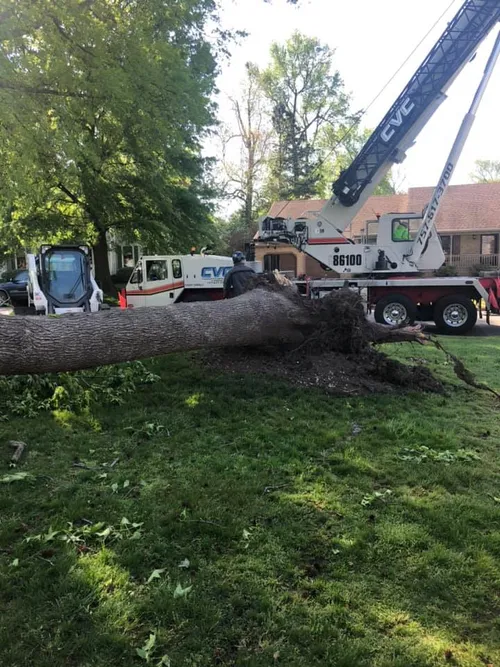
Aubrey's Tree Service & Landscaping
630 Carter Rd, Chesapeake, VA 23322
Aubrey's Tree Service & Landscaping is a family-owned business serving Chesapeake, VA, and the Hampton Roads area for over 25 years. They offer a wide range of services including tree removal, stump grinding, landscape design and installation, hardscaping, sod installation, irrigation, drainage system installation, and lot clearing. Their team is certified by OSHA and ISA and provides 24/7 emergency tree services to address urgent needs promptly. With extensive experience and comprehensive capabilities, they handle projects from concept to completion, including commercial and residential properties.
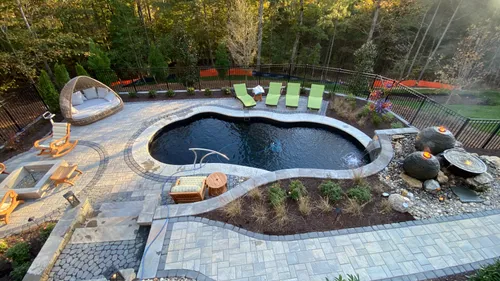
Easton Outdoors
550 Wythe Creek Rd, Poquoson, VA 23662
Easton Outdoors is a landscaping and hardscaping company based in Virginia Beach, VA. They offer services including landscape design, yard drainage, grading, and the construction of patios, retaining walls, and koi ponds. With decades of combined experience, they focus on creating functional and attractive outdoor spaces tailored to client visions. Their capabilities include comprehensive drainage solutions to improve yard performance.
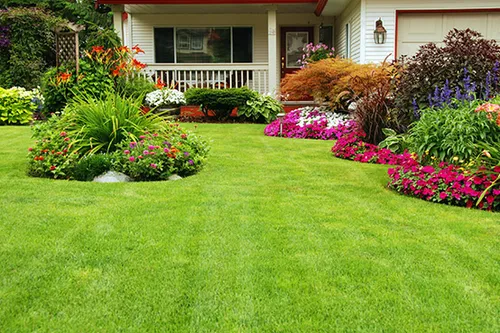
Green Top Lawn LLC
Chesapeake, VA
Green Top Lawn LLC is a lawn care and landscaping company serving Chesapeake, VA, as well as Norfolk and Virginia Beach. They offer a range of services including lawn mowing, fertilization, weed control, seeding, aeration, flower bed maintenance, pressure washing, and seasonal cleanups. The company also provides landscape design services to enhance outdoor living spaces by combining seasonal colors, perennials, and maintenance. Green Top Lawn LLC is veteran-owned and known for responsive service and efficient project completion.
Impact Landscaping
5041 Jakeman St, Virginia Beach, VA 23455
Impact Landscaping is a landscaping company based in Virginia Beach, VA, offering a wide range of outdoor services including sod and artificial turf installation, fence and hardscape construction, landscape lighting, tree and yard maintenance, sprinkler system installation, and land clearing. They specialize in custom garden design, concrete and paver work, and drainage solutions using industry-leading products. The team also provides property rehabilitation and real estate rescue services to restore and enhance outdoor spaces. Impact Landscaping partners with local experts for irrigation and custom deck and fence installations to deliver comprehensive outdoor improvements. Their skilled crew focuses on quality craftsmanship and personalized service, working on projects throughout Virginia Beach and nearby areas. Phone support is available 24/7, and they operate on-site daily from dawn to dusk.
Tk’s Landscaping
1446 Dam Neck Rd, Virginia Beach, VA 23452
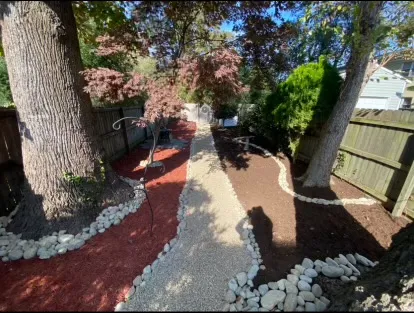
Tk's Landscaping is a landscaping and lawn care company based in Virginia Beach, VA. They offer a range of services including lawn fertilization, weed control, sod installation, artificial turf, landscape design, tree removal, stump grinding, land clearing, brush removal, and mulch installation. Their work covers both new lawn establishment and ongoing yard maintenance, with a focus on improving curb appeal and soil health through quality mulch and plant care. The company is known for attentive project planning and thorough cleanup, with a reputation for accommodating customer needs efficiently.
Understanding Hampton's Unique Landscape Environment
Successful outdoor planning in Hampton begins with a deep understanding of the local environment. The city's coastal location directly influences every decision, from plant selection to material durability.
Coastal Climate Considerations: Hampton experiences salt spray, high humidity, and occasional strong winds from the Chesapeake Bay and Atlantic Ocean. This environment demands careful selection. Plants must be salt-tolerant to thrive, and materials for patios, decks, and furniture need to resist corrosion, fading, and moisture damage. A well-conceived plan will account for wind patterns to create sheltered relaxation zones and use sun exposure analysis to position gardens and seating areas optimally.
Soil Composition and Preparation: The native soil in much of Hampton is sandy, which presents both benefits and challenges for plant health 1. Sandy soil drains quickly, which can be good for some plants but often leads to nutrient leaching. For a thriving garden, soil amendment is typically necessary. Local guidelines even specify an ideal topsoil blend for plantings: 40% sand, 40% silt, 10% clay, and 10% organic matter 2. Amending your soil with compost or other organic material improves water retention and provides essential nutrients, creating a strong foundation for your landscape.
Core Principles of Effective Outdoor Design
Whether you're sketching your own ideas or working with a professional, certain fundamental principles guide the creation of a harmonious and balanced yard. These elements work together to transform a simple plot of land into a cohesive outdoor living area.
- Line and Form: Lines guide the eye and movement through a space. Straight, formal lines create structure, while curved lines feel more natural and relaxed. Form refers to the shape of plants and structures-round, vertical, spreading-and using a variety of forms adds visual interest 3.
- Color and Texture: Color creates mood and draws attention, with warm colors feeling inviting and cool colors promoting calm. Texture, the surface quality of plants and materials (fine, coarse, smooth, rough), adds depth and contrast when varied thoughtfully.
- Scale and Balance: Scale ensures elements are the right size for your home and yard. Balance can be symmetrical (mirrored on either side) for a formal look or asymmetrical (achieved with different elements of equal visual weight) for a more informal, dynamic feel 4.
Designing Functional Zones for Your Property
A great residential landscape plan divides your property into purposeful zones, each serving a different need. This zoning approach maximizes usability and enjoyment.
The Public Zone (Front Yard): This area is all about curb appeal and creating a welcoming entry to your home. Design here often focuses on symmetry, clean lines, and low-maintenance, attractive plantings. A clear, well-defined walkway, flanked by durable and attractive shrubs or flowers, makes a strong first impression 5.
The Private Zone (Backyard): This is your personal sanctuary, designed for relaxation, family time, and entertainment. Effective planning in this zone often involves creating distinct "rooms" or areas for different activities, such as a dining area near an outdoor kitchen, a lounging space around a fire pit, and an open area for play.
The Service Zone: Every property needs functional space for utilities, trash receptacles, storage sheds, or composting. A good plan cleverly screens these necessary but less-attractive areas using fencing, lattice with climbing vines, or strategic plantings to maintain the beauty of the other zones 6.
Popular Features and Durable Materials for Hampton Homes
Choosing the right materials is critical for longevity in Hampton's climate. Modern options offer the beauty of traditional materials with far greater resilience to salt, sun, and moisture.
Patios and Pathways: Paved surfaces are the foundation of outdoor living areas. Concrete pavers are a popular choice as they resist cracking from freeze-thaw cycles and sun exposure. For a high-end look, outdoor porcelain tiles are increasingly used; they mimic natural stone but have extremely low porosity, making them resistant to staining, fading, and salt damage.
Decking: While traditional wood requires constant maintenance, composite decking offers a realistic wood-grain appearance without the worries of rot, splintering, or insect damage. It's an excellent, low-maintenance choice for coastal properties, standing up well to humidity and salt air.
Key Living Features: To extend your home's livable space, consider integrating features like:
- Fire Pits or Fireplaces: Create a cozy gathering spot for cool evenings.
- Outdoor Kitchens: Built with durable, weather-resistant materials for alfresco dining.
- Pergolas and Shade Structures: Define spaces and provide relief from the sun.
- Landscape Lighting: Enhances safety, security, and ambiance, highlighting key plants and pathways after dark.
Find the perfect landscape design companies for your needs
Get personalized recommendations and expert advice
The Design and Installation Process
Transforming your vision into reality follows a logical sequence. It typically begins with a thorough site analysis, where factors like sun patterns, soil quality, drainage, and existing vegetation are assessed 7. Next, your personal needs, desires, and lifestyle are discussed to define the project's scope-whether it's a simple garden refresh or a complete outdoor living makeover. From this, a conceptual plan is developed, outlining the layout, zones, and key features. This evolves into a detailed master plan, specifying plants, materials, and construction details, often accompanied by a phased implementation timeline and budget.
Investment and Project Scope
The cost of a landscape design project in Hampton varies widely, as it is entirely dependent on the project's scale, complexity, and materials selected. It's helpful to think in terms of project scope:
- Small-Scale Projects: This might include designing and installing new planting beds, a simple garden path, or a small patio area. Design fees for such projects can start around $500, with total construction costs often ranging from the low thousands to tens of thousands of dollars, depending on materials.
- Medium-Scale Outdoor Living Projects: A more comprehensive project involving a larger patio, defined seating and dining areas, integrated planting beds, and basic features like a fire pit or pergola represents a mid-range investment. Design services for this scope may be around $1,500, with construction costs typically falling between $50,000 and $150,000.
- Large-Scale or Luxury Projects: Extensive transformations that include multiple hardscape features, custom outdoor kitchens, significant grading or retaining walls, water features, and sophisticated lighting systems constitute a major investment. Design fees for these projects can be $3,000 or more, with construction costs starting around $150,000 and potentially reaching $500,000 or higher for extensive, high-end projects 8.
Frequently asked questions
Sources
Footnotes
-
Essential Outdoor Patio Design Elements [Hampton Roads] - https://www.hrirrigation.com/outdoor-patio-design-elements-hampton-roads ↩
-
CITY OF HAMPTON LANDSCAPE PLAN FORMAT AND ... - https://www.hampton.gov/DocumentCenter/View/2752/CITY-OF-HAMPTON-LANDSCAPE-PLAN-FORMAT-AND-CONTENT-STANDARDS?bidId= ↩
-
The 5 Basic Elements of Landscape Design - https://www.curtilandscaping.com/blog/the-5-basic-elements-of-landscape-design/ ↩
-
Principles of Landscape Design - Colorado Master Gardener - https://cmg.extension.colostate.edu/Gardennotes/413.pdf ↩
-
landscape design definition - https://www.toddhaimanlandscapedesign.com/blog/what-is-landscape-design ↩
-
Spruce Up Your Site: How to Plan a Residential Landscape Design - https://www.skh.com/blog/residential-landscape-design/ ↩
-
ENH1112/EP375: Landscape Design: Ten Important Things to Consider - https://edis.ifas.ufl.edu/publication/EP375 ↩
-
#1 Best Rated Landscape Design In Hampton, Virginia - https://www.757ole.com/landscape-design/ ↩