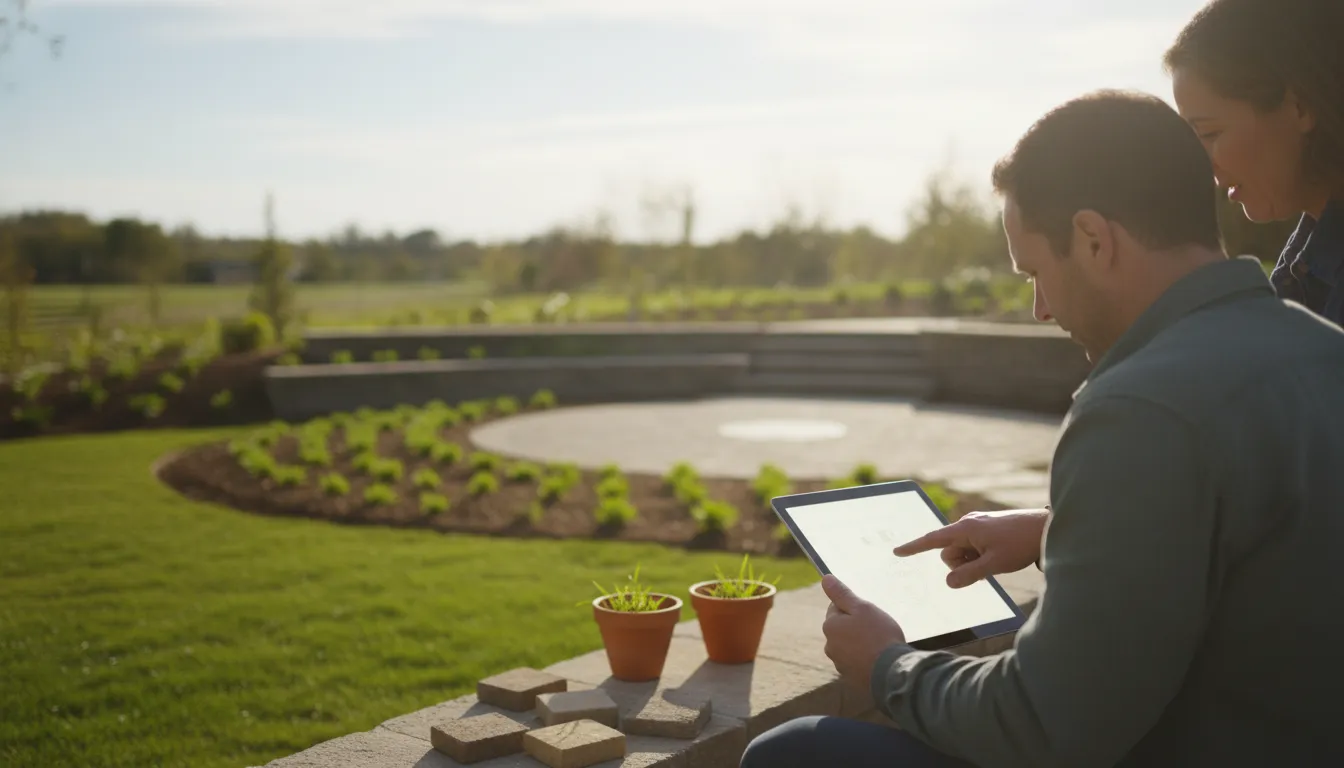
Find the Best Landscape Design Companies for Your Business
No obligation • Fast responses • Nationwide coverage

Why you can trust Landscape Atlas
Landscape Atlas is a leading United States resource for evaluating landscaping, lawn care, and outdoor service providers. Our team researches each category in depth, focusing on service quality, safety, and customer experience. Listings and rankings are based on independent criteria and user feedback, and companies cannot pay to influence our assessments or recommendations.
Search providers near you
Top Landscape Design Companies in Virginia Beach, Virginia Ranked
Creating a beautiful and functional outdoor space in Virginia Beach requires a thoughtful approach that embraces the unique coastal environment. Landscape design is the art and science of arranging plants, hardscapes, and structures to create an aesthetically pleasing, sustainable, and usable extension of your home. In a city defined by its sandy soil, salt air, and transitional climate, a well-planned design is crucial for building a resilient yard that enhances your lifestyle and property value. This guide helps you understand the local considerations, popular styles, and key elements to plan your perfect outdoor sanctuary.
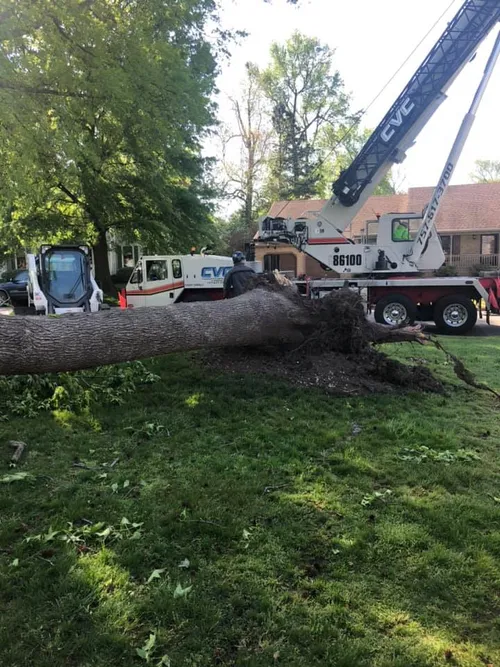
Aubrey's Tree Service & Landscaping
630 Carter Rd, Chesapeake, VA 23322
Aubrey's Tree Service & Landscaping is a family-owned business serving Chesapeake, VA, and the Hampton Roads area for over 25 years. They offer a wide range of services including tree removal, stump grinding, landscape design and installation, hardscaping, sod installation, irrigation, drainage system installation, and lot clearing. Their team is certified by OSHA and ISA and provides 24/7 emergency tree services to address urgent needs promptly. With extensive experience and comprehensive capabilities, they handle projects from concept to completion, including commercial and residential properties.
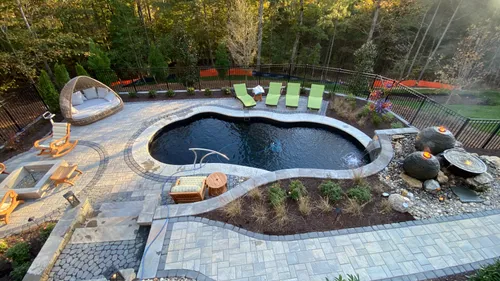
Easton Outdoors
550 Wythe Creek Rd, Poquoson, VA 23662
Easton Outdoors is a landscaping and hardscaping company based in Virginia Beach, VA. They offer services including landscape design, yard drainage, grading, and the construction of patios, retaining walls, and koi ponds. With decades of combined experience, they focus on creating functional and attractive outdoor spaces tailored to client visions. Their capabilities include comprehensive drainage solutions to improve yard performance.
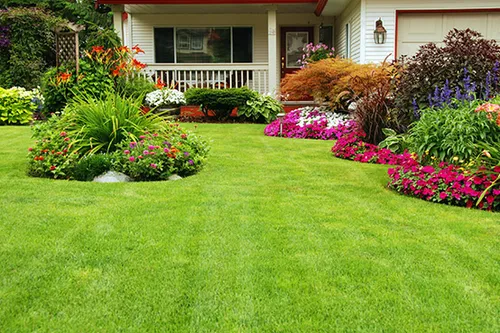
Green Top Lawn LLC
Chesapeake, VA
Green Top Lawn LLC is a lawn care and landscaping company serving Chesapeake, VA, as well as Norfolk and Virginia Beach. They offer a range of services including lawn mowing, fertilization, weed control, seeding, aeration, flower bed maintenance, pressure washing, and seasonal cleanups. The company also provides landscape design services to enhance outdoor living spaces by combining seasonal colors, perennials, and maintenance. Green Top Lawn LLC is veteran-owned and known for responsive service and efficient project completion.
Impact Landscaping
5041 Jakeman St, Virginia Beach, VA 23455
Impact Landscaping is a landscaping company based in Virginia Beach, VA, offering a wide range of outdoor services including sod and artificial turf installation, fence and hardscape construction, landscape lighting, tree and yard maintenance, sprinkler system installation, and land clearing. They specialize in custom garden design, concrete and paver work, and drainage solutions using industry-leading products. The team also provides property rehabilitation and real estate rescue services to restore and enhance outdoor spaces. Impact Landscaping partners with local experts for irrigation and custom deck and fence installations to deliver comprehensive outdoor improvements. Their skilled crew focuses on quality craftsmanship and personalized service, working on projects throughout Virginia Beach and nearby areas. Phone support is available 24/7, and they operate on-site daily from dawn to dusk.
Tk’s Landscaping
1446 Dam Neck Rd, Virginia Beach, VA 23452
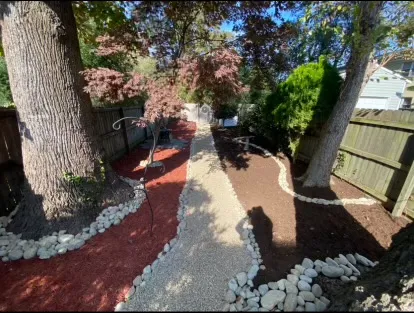
Tk's Landscaping is a landscaping and lawn care company based in Virginia Beach, VA. They offer a range of services including lawn fertilization, weed control, sod installation, artificial turf, landscape design, tree removal, stump grinding, land clearing, brush removal, and mulch installation. Their work covers both new lawn establishment and ongoing yard maintenance, with a focus on improving curb appeal and soil health through quality mulch and plant care. The company is known for attentive project planning and thorough cleanup, with a reputation for accommodating customer needs efficiently.
Understanding Virginia Beach's Unique Environment
Successful landscape architecture in Virginia Beach starts with a deep respect for the local conditions. The city's coastal charm comes with specific challenges that directly influence plant selection and construction methods.
Climate Zone (USDA 8b): Virginia Beach sits in a favorable transitional zone where both warm-season and cool-season plants can thrive. This allows for a diverse plant palette, but it also means understanding the specific needs of each plant type regarding temperature, humidity, and seasonal changes.
Sandy Soil Composition: The prevalent sandy soil drains very quickly, which can lead to drought stress for plants not adapted to such conditions. It often lacks organic matter and nutrients, making soil amendment a common first step for planting beds, or alternatively, selecting native plants that are already adapted to these well-drained, drier soils.
Coastal Influences: Salt spray from ocean winds can damage sensitive plant foliage and affect soil chemistry. Designing with this in mind means prioritizing salt-tolerant species and considering windbreaks or strategic placement to protect more vulnerable plants.
Popular Landscape Design Styles for Coastal Living
Your yard's style sets the tone for your entire outdoor experience. In Virginia Beach, designs often blend aesthetic appeal with practical resilience.
Coastal & Naturalistic Themes: This style captures the essence of the shore. It utilizes native grasses that sway in the breeze, driftwood accents, sea-inspired color palettes (soft blues, greens, sandy neutrals), and plants like beach rosemary and seaside goldenrod that naturally thrive near the coast. The goal is a relaxed, organic look that feels integrated with the surrounding environment.
Sustainable & Xeriscape Design: With a focus on water conservation and low maintenance, xeriscaping is increasingly popular. This approach minimizes turf grass in favor of drought-tolerant native plants, ornamental grasses, succulents, and rock features. A well-executed xeriscape is not just rocks and cactus; it's a vibrant, textured garden that requires minimal irrigation and upkeep, saving you time and resources.
Traditional Zoned Layouts: A classic and highly functional approach divides the yard into distinct "rooms" or zones. The public zone (front yard) focuses on curb appeal with welcoming pathways, foundation plantings, and a manicured appearance. The private zone (backyard) is designed for relaxation and entertainment, potentially containing patios, dining areas, and recreational spaces 1. This separation creates a logical flow for both daily use and hosting guests.
Key Elements of a Functional Design
A great landscape plan seamlessly blends living (softscape) and non-living (hardscape) elements to create a cohesive and usable space.
Hardscaping for Structure and Use: This forms the backbone of your outdoor living areas. Elements include:
- Patios & Walkways: Materials like pavers, natural stone, or poured concrete define gathering spaces and circulation paths.
- Retaining Walls: Useful for managing sloped yards, creating planting terraces, or defining different levels in the garden.
- Functional Structures: Pergolas, arbors, and gazebos provide shade, architectural interest, and support for climbing plants.
Outdoor Living & Entertainment Features: These elements transform a yard into a true outdoor room.
- Outdoor Kitchens & Dining Areas: Extend your home's functionality for cooking and entertaining.
- Fire Pits & Fireplaces: Create a cozy focal point for gathering on cooler evenings, extending the usability of your space into multiple seasons.
- Seating Walls & Built-in Benches: Offer ample, integrated seating without cluttering the space with furniture.
Enhancing Ambiance with Water and Light:
- Water Features: The sound of moving water from a fountain, pond, or waterfall adds a serene auditory element, masks neighborhood noise, and can have a cooling effect.
- Landscape Lighting: Strategic lighting is essential for safety, security, and drama. It can highlight specimen trees, illuminate pathways, and create a magical atmosphere for nighttime enjoyment 2.
Find the perfect landscape design companies for your needs
Get personalized recommendations and expert advice
Plant Selection: The Heart of Your Garden
Choosing the right plants is critical for long-term success and ease of care in Virginia Beach's environment.
Prioritize Native and Adapted Plants: Native plants are the cornerstone of a resilient landscape. They have evolved to handle local pests, diseases, soil, and climate, requiring less water, fertilizer, and pesticides. Examples include Southern wax myrtle, Eastern red cedar, and various native grasses and perennials.
Embrace Salt Tolerance: For properties near the water, selecting plants that can handle occasional salt spray is non-negotiable. Look for species like yaupon holly, rugosa rose, and shore juniper.
Incorporate Drought-Resistant Grasses: If you desire a lawn area, warm-season grasses like Bermuda or Zoysia are better suited to the heat and sandy soil than cool-season varieties, as they generally require less water once established 3.
Planning for Practicality and Enjoyment
A beautiful design must also be a livable one. Consider these factors during the planning phase.
Focus on Low Maintenance: Design with your available time in mind. This could mean reducing high-maintenance lawn areas, using mulch to suppress weeds, grouping plants with similar water needs together (hydrozoning), and selecting plants that won't require constant pruning or cleanup 4.
Design for Your Lifestyle: The most successful yards reflect how the homeowners actually live. Do you love hosting large barbecues? Prioritize a spacious patio and an outdoor kitchen. Do you seek a private retreat? Focus on screening, a comfortable reading nook, and a soothing water feature. Let your daily habits and dreams guide the layout 5.
Creating Visual Interest: A dynamic landscape plays with layers, textures, and focal points. Use a mix of trees, shrubs, perennials, and groundcovers to create depth. Incorporate boulders or sculptures as natural anchors 6. Draw the eye with a stunning specimen tree, a colorful garden bed, or an architectural element.
Understanding Project Scope and Investment
The cost of landscape design services and installation in Virginia Beach varies widely based on the project's complexity, materials, and size.
Design services themselves may range from a few hundred dollars for a consultation and basic plan to several thousand for a comprehensive, detailed master plan, which is often credited toward the installation cost for larger projects.
For installation, here are some illustrative examples based on local scope:
- A garden bed refresh involving cleanup, new mulch, and plants might range from $2,500 to $6,500 or more.
- A backyard makeover with a new patio, planting, and lighting could start around $2,500 and scale to $10,000+ for more extensive work.
- Installing a privacy hedge may cost between $1,500 and $5,000+, depending on the length and plant size.
- A full xeriscaping project, with significant hardscaping and drought-tolerant plants, often represents a larger investment, typically starting around $5,000 and going up to $15,000 or more for substantial yards 7.
Engaging a professional designer or design-build firm is highly recommended for complex projects, significant grade changes, or when navigating specific site challenges like drainage. They can help avoid costly mistakes, ensure proper plant placement, and create a cohesive vision that adds lasting value to your property.
Frequently asked questions
Sources
Footnotes
-
Spruce Up Your Site: How to Plan a Residential Landscape Design - https://www.skh.com/blog/residential-landscape-design/ ↩
-
Learn how modern landscape design can harness the beauty of nature. - https://www.mymodernhome.com/blog/modern-landscape-design-ideas-for-your-dream-home/ ↩
-
Virginia Beach Landscape Design - Visionscapes Land Design - https://visionscapeslanddesign.com/virginia-beach-landscape-design/ ↩
-
2025 Virginia Beach Low Maintenance Landscape Design - https://www.vbhomesliving.com/low-maintenance-yard-design-march/ ↩
-
7 Landscaping Considerations: Design Tips for Your Yard - https://www.landscapingnetwork.com/landscape-design/considerations.html ↩
-
Garden Design Basics: 11 Steps to a Better Backyard - https://www.finegardening.com/article/garden-design-basics-creating-well-thought-plan ↩
-
Landscape Pricing Guide For Virginia Beach - https://www.greenecoscapes.com/landscape-pricing-guide/ ↩