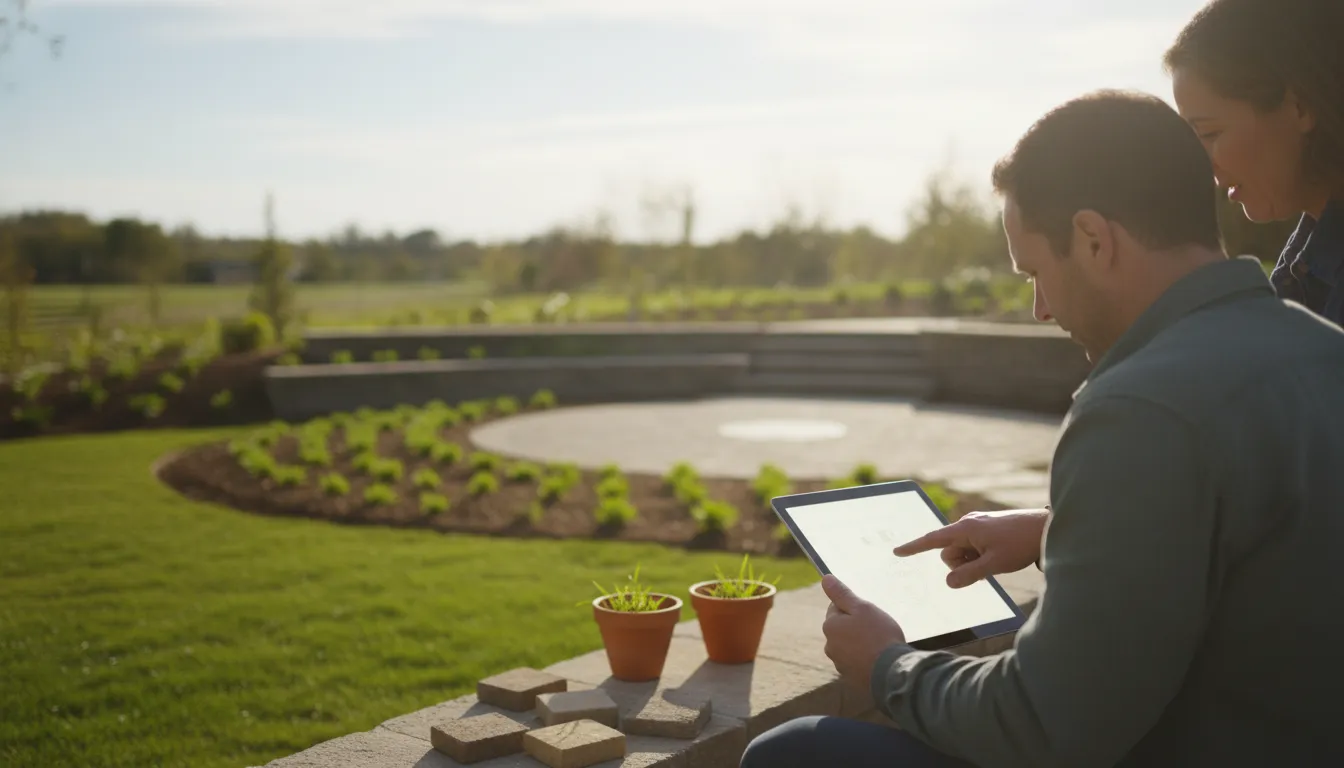
Find the Best Landscape Design Companies for Your Business
No obligation • Fast responses • Nationwide coverage

Why you can trust Landscape Atlas
Landscape Atlas is a leading United States resource for evaluating landscaping, lawn care, and outdoor service providers. Our team researches each category in depth, focusing on service quality, safety, and customer experience. Listings and rankings are based on independent criteria and user feedback, and companies cannot pay to influence our assessments or recommendations.
Search providers near you
Top Landscape Design Companies in Auburn, Washington Ranked
Creating a beautiful and functional outdoor space in Auburn requires a thoughtful approach that respects the unique Pacific Northwest environment. Landscape design is the art of planning and arranging the natural and built elements of your property to create an aesthetically pleasing, usable, and sustainable environment. It matters because a well-designed landscape enhances your home's curb appeal, increases property value, and provides a personal sanctuary tailored to your lifestyle. By connecting with local design professionals, you can transform your yard into a cohesive extension of your home that thrives in Auburn's specific climate and soil conditions.
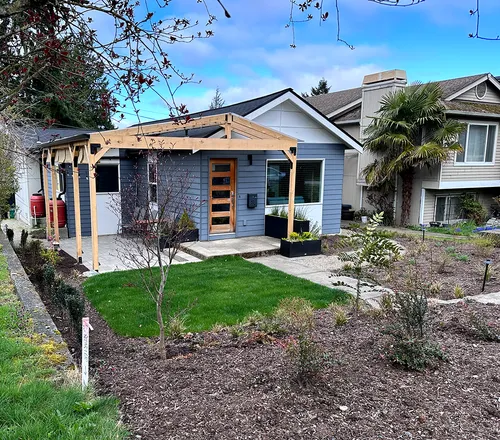
Devonshire Landscapes Inc
1701 SW 112th St, Seattle, WA 98146
Devonshire Landscapes Inc is a landscaping company based in Seattle, WA, offering comprehensive landscape design, lawn care, and hardscaping services. Founded in 1999, the company serves mostly residential clients with a focus on improving property quality while preserving the natural environment. Their skilled team provides detailed design plans and craftsmanship in stone and woodwork, including retaining walls and pavers, ensuring lasting value and appeal.
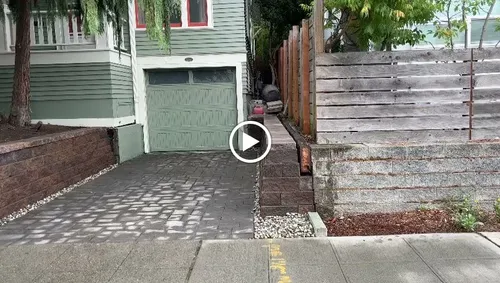
Saltos Landscaping LLC
Seattle, WA
Saltos Landscaping LLC is a landscaping company based in Seattle, WA, offering design, installation, and maintenance services. They specialize in landscape design and sprinkler system installation and repair, addressing issues like uneven watering and system leaks to maintain healthy landscapes. Their services help manage the challenges posed by Seattle's varying weather patterns, ensuring efficient irrigation and landscape care.
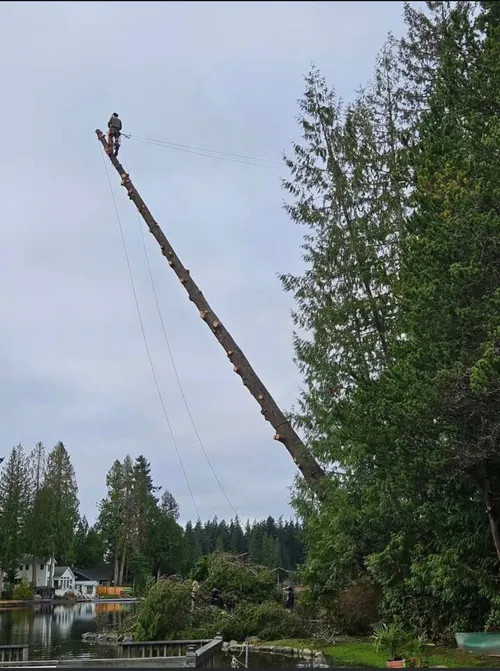
MTS Tree and Landscape
4580 Klahanie Dr. SE #261, Issaquah, WA 98029
MTS Tree and Landscape is a family-owned company serving Seattle, WA, and the Eastside since 2005. They provide a range of services including tree removal, tree trimming, emergency tree services, landscaping, hardscaping, and mulch delivery. Their team includes trained climbers and experienced landscape designers skilled in working on various terrains common in the Pacific Northwest. MTS Tree and Landscape is licensed, bonded, and insured, following safety standards set by OSHA, LNI, and ISA.
Britescape
930 N 95th St, Seattle, WA 98103
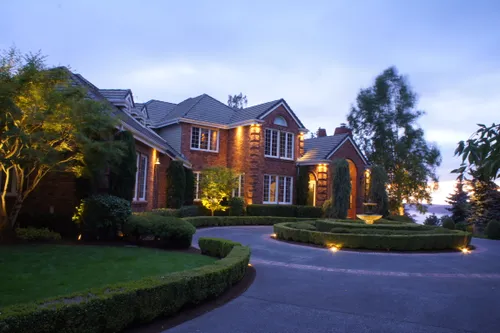
Britescape is a landscaping and outdoor lighting company based in Seattle, WA, serving the Greater Seattle and Bellevue areas. With over 25 years of experience, they offer landscape design, garden maintenance, and custom outdoor lighting installation. Their certified horticulturists focus on sustainable, organic practices to create personalized and functional outdoor spaces. Britescape also provides seasonal holiday lighting and small landscaping projects, using licensed and bonded installers to ensure professional results.
Seattle Sustainable Landscapes
420 S 96th St Suite 13, Seattle, WA 98108
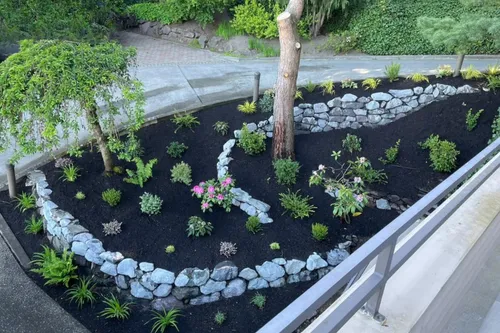
Seattle Sustainable Landscapes is a family-owned landscaping company based in Seattle, WA, specializing in sustainable and environmentally friendly outdoor spaces. They offer a range of services including landscape design, outdoor lighting installation, sprinkler system installation and repair, hardscaping with patios and retaining walls, and both residential and commercial lawn care. The company is Rain Bird certified for irrigation systems and focuses on creating landscapes that promote biodiversity and reduce environmental impact. Founded by local Seattle natives with backgrounds in irrigation and environmental research, they bring both expertise and a commitment to sustainability to their projects.
Understanding Auburn's Landscape Environment
Successful garden design in Auburn begins with a deep understanding of local environmental factors. The city falls within USDA Plant Hardiness Zones 8a and 8b, characterized by mild, wet winters and warm, relatively dry summers. This climate is ideal for a wide range of plants, but it also presents specific challenges that must guide your planning.
The most significant factor for many Auburn properties is the soil. Heavy clay is prevalent, which can lead to poor drainage and compaction, especially during the rainy season. This soil type is often acidic and may require amending with organic compost or the strategic use of raised beds to ensure plant health. Before selecting any plants or planning features, it's crucial to map the sun and shade patterns across your property throughout the day and across seasons. This ensures plants are placed in their ideal light conditions. Additionally, noting prevailing wind directions-typically from the northeast in winter and southwest in summer-can inform the placement of windbreaks or sheltered seating areas.
Planning Your Yard Layout: The Zone System
A foundational concept in residential landscape architecture is dividing your property into distinct zones based on function. This creates an organized and efficient flow between spaces.
- The Public Zone (Front Yard): This area is for curb appeal and creating a welcoming entry. Design focuses on showcasing your property with attractive plantings, a clear and inviting pathway, and a low-maintenance aesthetic that complements your home's architecture.
- The Private Zone (Backyard): This is your personal retreat for relaxation, family activities, and entertaining. Planning here is centered on creating "garden rooms"-smaller, defined areas for different functions like dining, lounging, or play, often separated by low walls, plant groupings, or pathways 1 2.
- The Service Zone: Often tucked away, this area handles utility needs. It includes spaces for trash and recycling bins, compost piles, storage sheds, garden tool access, and functional pathways connecting to other zones.
Key Outdoor Living Features for Auburn Homes
Integrating built structures and features turns a basic yard into an outdoor living space. Popular elements for Auburn properties include:
- Patios and Decks: These provide the foundation for outdoor seating and dining. Materials like pavers, natural stone, or composite decking offer durability in the wet climate. Their size and placement should relate directly to your home's architecture and the private zone's layout.
- Outdoor Kitchens & Fire Features: From simple built-in grill stations to full kitchens with countertops and sinks, these features extend entertaining capabilities. Fire pits or outdoor fireplaces create a cozy gathering spot, extending the usability of your yard into cooler evenings.
- Sustainable Water Management: Given the winter rains, integrating solutions like rain gardens or bioswales is both practical and ecological. These features use depressions planted with native, moisture-loving species to capture, filter, and slowly absorb stormwater runoff, reducing erosion and pollution.
- Vertical Structures: Pergolas, arbors, and trellises add height and architectural interest. They can define spaces, provide partial shade for patios, and offer support for climbing plants, adding a lush, vertical layer to the garden design.
Find the perfect landscape design companies for your needs
Get personalized recommendations and expert advice
Selecting Plants for the Pacific Northwest
Plant selection is where your garden plan comes to life with color, texture, and seasonal interest. For a resilient and low-maintenance landscape, prioritize native Pacific Northwest species and non-invasive plants adapted to the local zones.
- Trees: For larger yards, consider iconic natives like the Douglas Fir (Pseudotsuga menziesii), Bigleaf Maple (Acer macrophyllum), or the stunning, peeling-barked Pacific Madrone (Arbutus menziesii).
- Shrubs & Perennials: These form the backbone of planting beds. Excellent choices include Salal (Gaultheria shallon) for its evergreen leaves and edible berries, Evergreen Huckleberry (Vaccinium ovatum) for year-round structure and fruit, and Sword Fern (Polystichum munitum) for lush texture in shady areas. Oregon Grape (Mahonia aquifolium) offers bright yellow spring flowers and blue berries.
- Groundcovers: To suppress weeds and cover slopes or bare areas, consider Kinnikinnick (Arctostaphylos uva-ursi) for a tough, evergreen carpet or Creeping Thyme (Thymus serpyllum) for fragrant, flowering mats in sunny spots 3.
Understanding Investment Ranges for Garden Planning
The cost of implementing a landscape design in Auburn varies tremendously based on the scope, materials, and complexity of the work. It's helpful to think in broad ranges when budgeting for your project.
- Basic Planting Refresh: A project focusing on new plantings, refreshing mulch, and minor bed reshaping typically ranges from $1,000 to $5,000.
- Mid-Range Design & Build: This tier often includes installing a new patio or pathways, creating several new planting beds with quality plants, and may involve minor grading or drainage work. Budgets often fall between $5,000 and $20,000.
- Comprehensive Landscape Makeover: A full property transformation involving extensive hardscaping (patios, walls, outdoor kitchens), sophisticated planting plans, lighting, irrigation, and significant construction can range from $20,000 to $50,000 or more4 5. These projects are a significant investment that fully realizes a master plan for your outdoor space.
Frequently asked questions
Sources
Footnotes
-
Spruce Up Your Site: How to Plan a Residential Landscape Design - https://www.skh.com/blog/residential-landscape-design/ ↩
-
Backyard Landscaping Ideas - Garden Design - https://www.gardendesign.com/landscape-design/backyard.html ↩
-
18.50.040 Landscape development standards - https://auburn.municipal.codes/ACC/18.50.040 ↩
-
Residential Landscape Design - https://ssl.acesag.auburn.edu/anr/pesticidemgt/documents/landscape-design-study-residential-landscape-design.pdf ↩
-
landscape design definition - https://www.toddhaimanlandscapedesign.com/blog/what-is-landscape-design ↩