Find the Best Landscape Design Companies for Your Business
No obligation • Fast responses • Nationwide coverage

Why you can trust Landscape Atlas
Landscape Atlas is a leading United States resource for evaluating landscaping, lawn care, and outdoor service providers. Our team researches each category in depth, focusing on service quality, safety, and customer experience. Listings and rankings are based on independent criteria and user feedback, and companies cannot pay to influence our assessments or recommendations.
Search providers near you
Top Landscape Design Companies in Kent, Washington Ranked
Transforming your outdoor space in Kent requires a thoughtful approach that blends beauty with practicality. Professional landscape design is the art and science of creating functional, sustainable, and aesthetically pleasing outdoor environments tailored to your property's unique conditions. In Kent's specific climate, a well-executed design plan is crucial for managing water, selecting the right plants, and building durable outdoor living areas. This guide will help you understand the key considerations for your yard and how to connect with local experts who can bring your vision to life.
Devonshire Landscapes Inc
1701 SW 112th St, Seattle, WA 98146
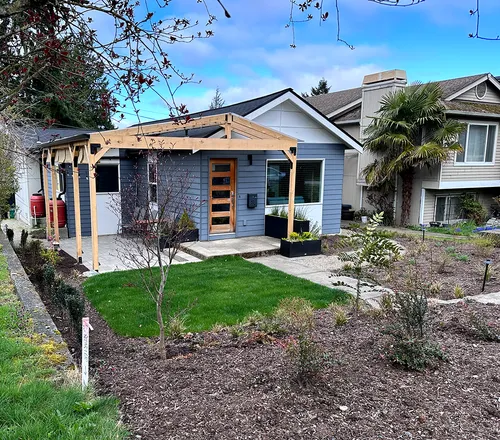
Devonshire Landscapes Inc is a landscaping company based in Seattle, WA, offering comprehensive landscape design, lawn care, and hardscaping services. Founded in 1999, the company serves mostly residential clients with a focus on improving property quality while preserving the natural environment. Their skilled team provides detailed design plans and craftsmanship in stone and woodwork, including retaining walls and pavers, ensuring lasting value and appeal.
Saltos Landscaping LLC
Seattle, WA
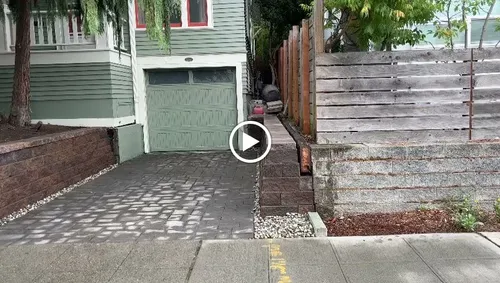
Saltos Landscaping LLC is a landscaping company based in Seattle, WA, offering design, installation, and maintenance services. They specialize in landscape design and sprinkler system installation and repair, addressing issues like uneven watering and system leaks to maintain healthy landscapes. Their services help manage the challenges posed by Seattle's varying weather patterns, ensuring efficient irrigation and landscape care.
MTS Tree and Landscape
4580 Klahanie Dr. SE #261, Issaquah, WA 98029
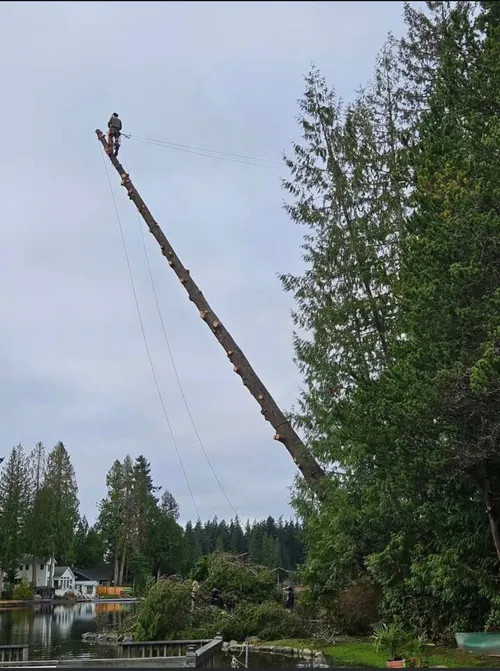
MTS Tree and Landscape is a family-owned company serving Seattle, WA, and the Eastside since 2005. They provide a range of services including tree removal, tree trimming, emergency tree services, landscaping, hardscaping, and mulch delivery. Their team includes trained climbers and experienced landscape designers skilled in working on various terrains common in the Pacific Northwest. MTS Tree and Landscape is licensed, bonded, and insured, following safety standards set by OSHA, LNI, and ISA.
Britescape
930 N 95th St, Seattle, WA 98103
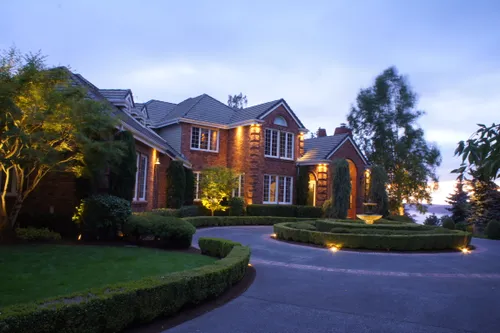
Britescape is a landscaping and outdoor lighting company based in Seattle, WA, serving the Greater Seattle and Bellevue areas. With over 25 years of experience, they offer landscape design, garden maintenance, and custom outdoor lighting installation. Their certified horticulturists focus on sustainable, organic practices to create personalized and functional outdoor spaces. Britescape also provides seasonal holiday lighting and small landscaping projects, using licensed and bonded installers to ensure professional results.
Seattle Sustainable Landscapes
420 S 96th St Suite 13, Seattle, WA 98108
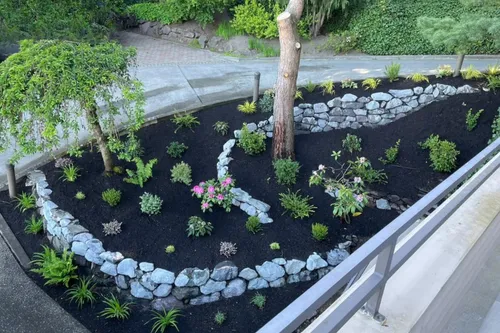
Seattle Sustainable Landscapes is a family-owned landscaping company based in Seattle, WA, specializing in sustainable and environmentally friendly outdoor spaces. They offer a range of services including landscape design, outdoor lighting installation, sprinkler system installation and repair, hardscaping with patios and retaining walls, and both residential and commercial lawn care. The company is Rain Bird certified for irrigation systems and focuses on creating landscapes that promote biodiversity and reduce environmental impact. Founded by local Seattle natives with backgrounds in irrigation and environmental research, they bring both expertise and a commitment to sustainability to their projects.
Understanding Kent's Unique Landscape Environment
Successful outdoor design in Kent begins with a deep understanding of the local environment. The city experiences mild, wet winters and drier summers, a pattern that demands plant selections and structural solutions tailored to handle both moisture and seasonal dryness. The soil here is often clay-heavy, which can lead to poor drainage and water pooling if not properly addressed in the initial planning stages. A foundational step in any landscape architecture project is a thorough site assessment to map sun and shade patterns, evaluate soil composition, and identify existing features like mature trees or slopes. This analysis ensures your garden design is built on a solid, site-specific foundation.
Designing for Drainage and Water Management
Given the prevalence of clay soil and seasonal rainfall, integrating effective drainage solutions is not an optional upgrade-it's a necessity for a healthy, stable landscape. Proper grading to direct water away from your home's foundation is a primary defense. Beyond basic grading, consider these functional and attractive water management features:
- Rain Gardens: These are depressed, planted areas designed to capture and filter stormwater runoff from roofs, driveways, and patios. They are highly recommended for Kent properties and can be a beautiful focal point filled with native, water-tolerant plants 1.
- Permeable Surfaces: Using permeable pavers for patios or walkways allows rainwater to seep into the ground below rather than running off, reducing erosion and replenishing groundwater.
- Dry Creek Beds: These decorative rock features can channel water through your yard in a controlled, natural-looking way while adding texture and interest to the planting design.
Core Elements of a Kent Landscape Plan
A comprehensive landscape plan weaves together several key components to create a cohesive and usable outdoor space. Think of your yard in terms of functional zones-areas for dining, relaxation, play, or gardening-and design pathways and layouts to connect them logically 2.
Hardscaping for Durability and Function
Hardscaping refers to the non-living, structural elements of your yard. In Kent's damp climate, material choice is critical for longevity.
- Patios & Walkways: Stone or paver patios offer excellent drainage and a slip-resistant surface. When designing pathways, consider width for comfortable access and materials that complement your home's architecture.
- Decks: Composite decking is a popular low-maintenance choice that resists rot and fading. For a natural wood look, durable cedar or redwood are better options than pressure-treated pine in wet conditions.
- Retaining Walls: Essential for managing slopes and creating level planting areas, retaining walls can be built from stone, brick, or segmental concrete blocks. They are a key tool in terracing and erosion control.
Planting Strategies for a Thriving Garden
The plant palette you choose will define the beauty and upkeep of your space. Emphasizing native and climate-adapted species leads to a more resilient and ecologically friendly yard.
- Go Native: Pacific Northwest natives like sword ferns, salal, Oregon grape, and various conifers are adapted to local rainfall patterns and soil, requiring less water and care once established 3.
- Prioritize Pollinators: Incorporate flowering perennials and shrubs that provide food for bees, butterflies, and birds. This adds life and movement to your garden design.
- Embrace Layers: Use a mix of trees, shrubs, and perennials to create depth and year-round interest. Applying design principles like the "rule of three"-grouping plants in odd numbers-can create visually appealing arrangements 4.
- Mulch Matters: A layer of mulch in planting beds conserves soil moisture, suppresses weeds, and regulates soil temperature, significantly reducing maintenance.
Find the perfect landscape design companies for your needs
Get personalized recommendations and expert advice
Creating Outdoor Living Spaces
More than just a garden, your landscape can become an extension of your home. Integrating elements for comfort and entertainment maximizes your property's enjoyment.
- Gathering Areas: Incorporate a fire pit or outdoor fireplace as a cozy focal point for cool evenings. Ensure seating areas are spacious, comfortable, and situated to capture the best views or sunlight.
- Water Features: The sound of moving water from a fountain or small pond adds a serene ambiance and can attract wildlife.
- Functional Additions: For those who love to entertain, built-in seating, an outdoor kitchen, or a dining pergola can transform your yard into a premier destination for hosting.
Principles for a Cohesive and Low-Maintenance Design
A beautiful landscape is also a manageable one. By adhering to core design principles and making smart choices, you can create a space that is both stunning and sustainable.
- Unity & Balance: Your landscape should feel like a single, harmonious composition. Repeat plants, colors, or materials throughout different areas to create visual unity. Balance can be symmetrical (formal) or asymmetrical (informal) but should achieve a sense of equilibrium.
- Texture & Color: Combine plants with varied leaf sizes and shapes (fine, coarse, bold) to create rich texture. Plan for a succession of color through different seasons, using perennials and flowering shrubs to provide ongoing blooms 5.
- The Low-Maintenance Mindset: This is a key goal for many homeowners. Achieve it by selecting the right plants (native and drought-tolerant), using mulch generously, and considering lawn alternatives like ground covers or ornamental grasses for difficult areas 6. Simplifying bed shapes and installing drip irrigation can also reduce long-term work.
Understanding Investment and Project Scope
The cost of landscape design and installation in Kent varies dramatically based on the project's complexity, site challenges, and material selections. It's helpful to think in terms of project scope:
- Basic Enhancements ($1,000 - $5,000): This range typically covers foundational improvements like adding mulch to beds, installing a simple walkway, or creating small, new planting areas with a selection of shrubs and perennials 7.
- Mid-Range Transformations ($5,000 - $20,000+): At this level, you can incorporate significant features such as a paver patio, a composite deck, a properly engineered rain garden, or extensive new planting with mature specimens. This is where major drainage work or a retaining wall might be included 8.
- High-End Outdoor Living ($20,000+): Comprehensive projects fall into this category, involving complex hardscaping like outdoor kitchens, extensive patios with multiple levels, custom water features, and full-yard overhauls that include major grading, lighting, and irrigation systems 9.
Remember, site-specific challenges like severe drainage issues or steep slopes will influence the final cost. Investing in professional planning from the outset can help avoid costly corrections later and ensure your budget is allocated effectively across design, materials, and labor.
Frequently asked questions
Sources
Footnotes
-
Rain Garden Handbook - https://apps.ecology.wa.gov/publications/documents/1310027.pdf ↩
-
What to Include in a Landscape Plan - RoomSketcher - https://www.roomsketcher.com/blog/what-to-include-in-a-landscape-plan/ ↩
-
Kent, WA Residential Landscape Design - https://www.nasimlandscape.com/services/kent-residential-landscape-design ↩
-
Design Made Easy: Use the Rule of Three - Costa Farms - https://costafarms.com/blogs/get-growing/design-made-easy-use-the-rule-of-three ↩
-
Principles of Landscape Design - Colorado Master Gardener - https://cmg.extension.colostate.edu/Gardennotes/413.pdf ↩
-
11 Low-Maintenance Landscaping Ideas - LawnStarter - https://www.lawnstarter.com/blog/landscaping/low-maintenance-landscaping-ideas/ ↩
-
15 Cheap Landscaping Ideas to Improve Your Yard - RealGreen - https://www.realgreen.com/blog/cheap-landscaping-ideas-for-your-yard ↩
-
Designing Outdoor Living Spaces for the Pacific Northwest ... - https://danlandscapingmaintenance.com/designing-outdoor-living-spaces-for-the-pacific-northwest-climate/ ↩
-
II. Planning and Assessing Your Space for Landscape Design - https://www.leesgenerallandscaping.com/blog/planning-and-assessing-your-space-for-landscape-design/ ↩