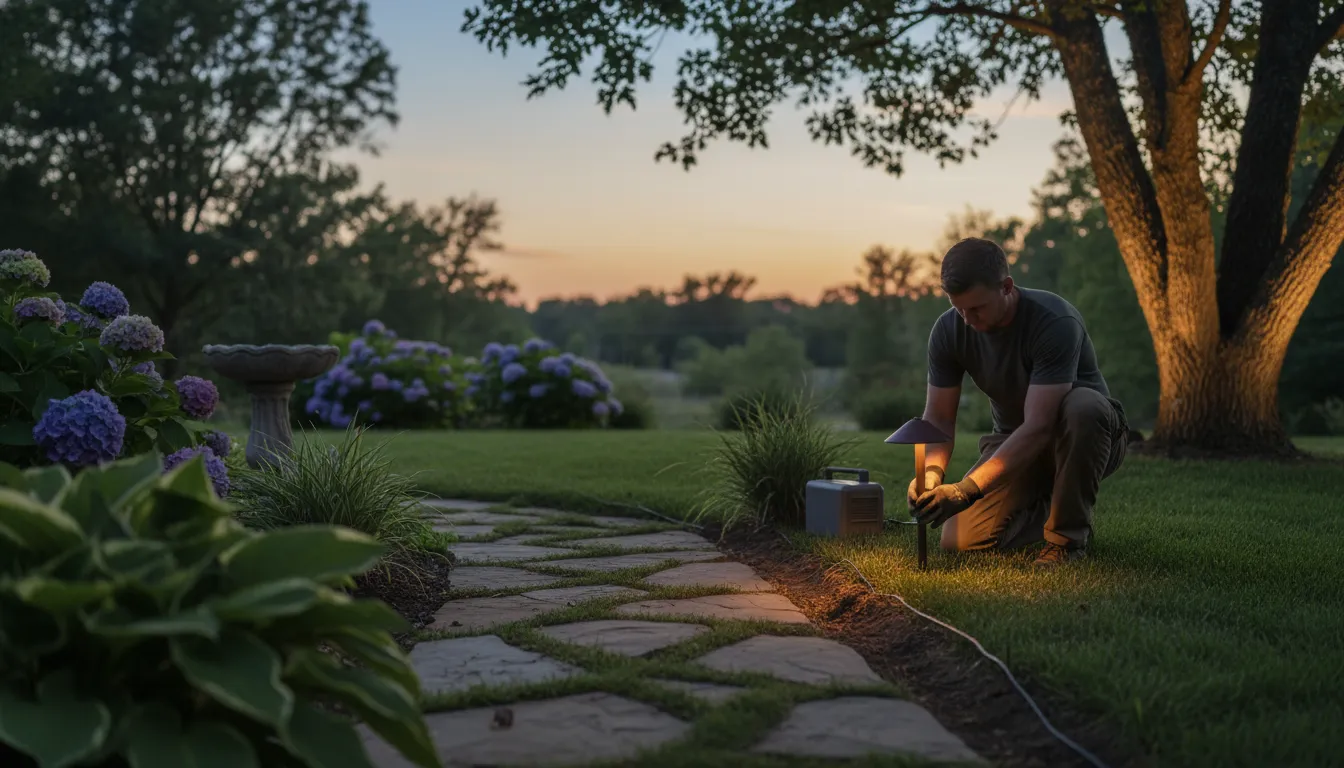
Find the Best Landscape Lighting Installers for Your Business
No obligation • Fast responses • Nationwide coverage

Why you can trust Landscape Atlas
Landscape Atlas is a leading United States resource for evaluating landscaping, lawn care, and outdoor service providers. Our team researches each category in depth, focusing on service quality, safety, and customer experience. Listings and rankings are based on independent criteria and user feedback, and companies cannot pay to influence our assessments or recommendations.
Search providers near you
Top Landscape Lighting Installers in Attleboro, Massachusetts Ranked
Outdoor lighting transforms your property from a dark space into a functional, beautiful, and secure extension of your home. Professional landscape lighting installation involves strategically placing weather-resistant fixtures to illuminate pathways, highlight architectural features, and create ambiance for evening enjoyment. This guide explains the types of systems, typical costs, and key considerations for Attleboro homeowners looking to enhance their property with expertly designed outdoor illumination.
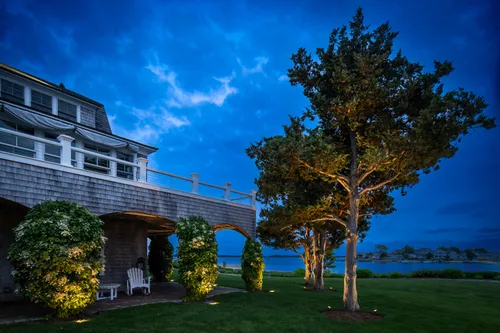
Apollo Outdoor Lighting
77 Accord Park Dr D-14, Norwell, MA 02061
Apollo Outdoor Lighting is a company based near Boston, MA, specializing in landscape and outdoor lighting installation. They design custom lighting solutions that enhance the appearance and ambiance of residential properties after dark. Apollo Outdoor Lighting serves the South Shore, MetroWest, Cape Cod, and surrounding areas, focusing on creating warm and inviting outdoor spaces through tailored lighting designs.
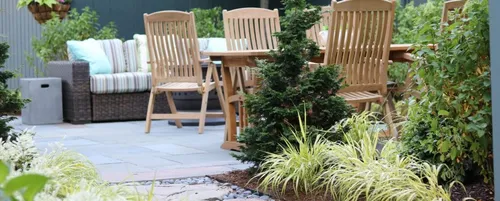
The Narrow Lane
78 Fremont St, Needham, MA 02494
The Narrow Lane is a landscaping and outdoor lighting company based in Boston, MA. They provide a full range of luxury outdoor services including landscape design, construction, lighting installation, and maintenance. Their expertise includes creating custom outdoor living spaces and hardscaping features such as fire pits. With decades of experience, The Narrow Lane offers year-round care and manages projects from initial design through completion.
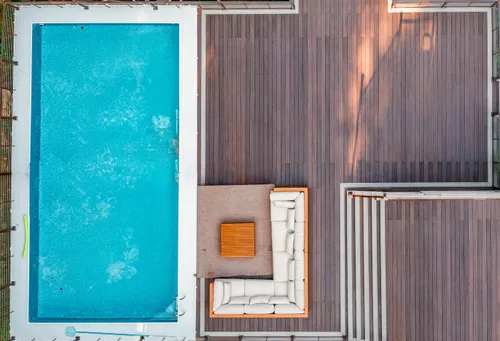
Amazing Garden & Construction
75 2nd Ave #605, Needham, MA 02494
Amazing Garden & Construction is a landscaping and construction company based in Boston, MA, serving multiple locations across Massachusetts, Florida, Rhode Island, and New Hampshire. They offer a wide range of services including custom landscape design, installation of outdoor patios, stone walls, fire pits, outdoor kitchens, decks, fences, pergolas, landscape lighting, swimming pools, synthetic turf, sod, and irrigation systems. Their expertise includes hardscaping with pavers and retaining walls, as well as sprinkler installation and repair. The company focuses on creating durable and easy-to-maintain outdoor spaces that reflect each client's unique vision.
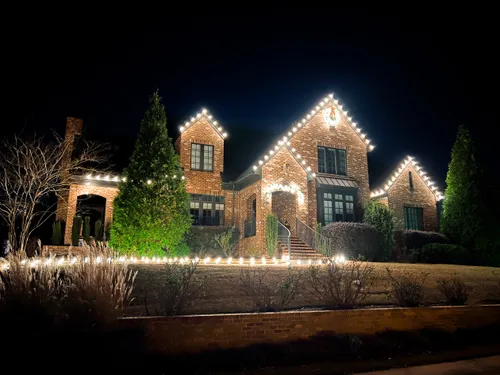
Wonderly Lights of South Shore MA
100 East St #2, Weymouth, MA 02189
Wonderly Lights of South Shore MA is a landscape lighting installation and outdoor lighting company based near Boston, MA. They specialize in designing and installing outdoor lighting solutions to enhance residential and commercial properties. Customers can contact them to confirm service availability in their area.
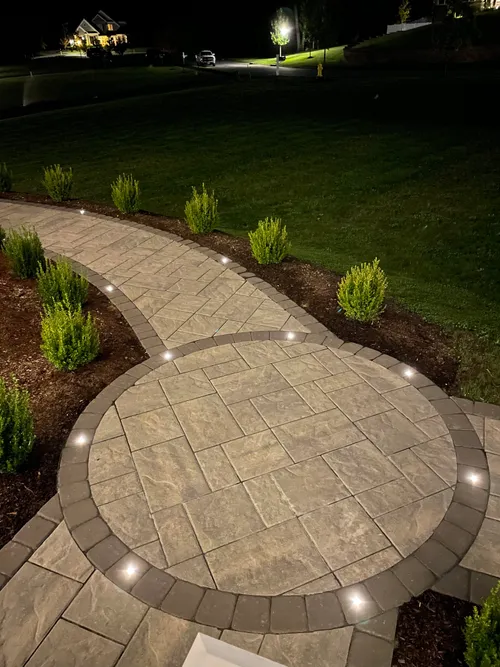
Night View Outdoor Lighting
40 Accord Park Dr Unit A206, Norwell, MA 02061
Night View Outdoor Lighting is a landscape and outdoor lighting company based in Boston, MA. They specialize in designing and installing custom lighting systems that enhance the appearance and safety of homes and businesses. Their approach includes using high-end fixtures and collaborating closely with clients to meet their specific goals. The company also provides ongoing support with warranty coverage and maintenance options to ensure lasting performance.
Understanding Your Outdoor Lighting Options
A well-designed lighting plan uses different fixture types to achieve various effects. The most common approach in Attleboro involves a combination of low-voltage LED fixtures, which are energy-efficient and provide excellent control over light color and intensity 1.
Path and Step Lights: These are foundational fixtures designed to guide visitors safely along walkways, driveways, and garden paths. They provide a soft, downward glow that defines edges and prevents trips and falls. For a cohesive look, they are often spaced evenly and integrated into hardscaping elements.
Uplights and Spotlights: Used for dramatic accent lighting, these fixtures are placed at the base of an object to cast light upward. They are perfect for showcasing the textured bark of mature trees, the facade of your home, stone walls, or ornamental shrubs. The beam angle can be adjusted to create a wide wash or a narrow, focused spotlight.
Deck and Step Lights: Specifically designed for outdoor living areas, these include recessed lights on stair risers for safety, post-cap lights on railings, and under-rail lighting to create a soft ambient glow. They make decks and patios usable and inviting after sunset.
Floodlights and Well Lights: Floodlights provide a broad beam of light for general security illumination or lighting up large areas like a backyard lawn. Well lights are installed flush with the ground and are ideal for uplighting trees or structures discreetly without a visible fixture.
What Determines the Cost of a Lighting System in Attleboro?
The investment for a professional outdoor lighting system in Attleboro varies significantly based on the project's scope, complexity, and the quality of materials. Most residential projects fall into a few common tiers.
Entry-Level Systems (Starting around $2,000): This tier typically covers a basic but effective installation, such as illuminating a primary front walkway. It may include 10-15 path lights and a simple transformer, providing essential safety and curb appeal 2.
Standard Residential Systems ($2,000 - $6,000): This is the most common range for a comprehensive lighting plan for an average-sized property. It often includes a mix of path lighting for main walkways, uplighting for 2-3 key trees or architectural features, and some deck or patio lighting. This level of design creates layered interest and fully utilizes the backyard after dark.
Custom or Whole-Property Systems ($8,000 - $20,000+): For larger properties or highly customized designs, costs can rise substantially. These systems may feature extensive uplighting for numerous trees, sophisticated accent lighting for water features or gardens, integrated smart controls, and specialty fixtures like bistro lights. The design work is more involved, and the installation often requires more complex wiring and transformer setup 3.
On a per-fixture basis, which includes the fixture itself, wiring, and professional installation, homeowners can expect costs ranging from $100 to $500 each4 5. The final price is a combination of fixture quantity, type (a custom copper uplight costs more than a standard path light), labor, and the sophistication of the control system.
Key Design and Installation Considerations for New England
Installing outdoor lighting in Attleboro isn't just about placing fixtures; it requires planning for the local climate and integrating with your property's existing landscape.
Durability and Weather Resistance: New England weather demands robust fixtures. Professionals use materials like brass, copper, or high-quality composites that can withstand freeze-thaw cycles, rain, and snow. Look for fixtures with a high IP (Ingress Protection) rating-IP65 or higher is standard for buried or exposed fixtures-which guarantees protection against dust and water jets 6 7.
Integration with Landscape Design: The best lighting plans are conceived alongside other outdoor projects. If you're building a new patio, installing a pool, or renovating your landscaping, it's the ideal time to plan the wiring and fixture placement. Lighting can be integrated into retaining walls, steps, and under railings for a seamless look.
Professional Design Expertise: A qualified designer does more than sell fixtures; they create a lighting plan. This plan considers the proper beam angles to avoid light pollution, the ideal lumen output to prevent glare, and the strategic placement of fixtures to create depth and shadow, which adds to the visual appeal8 9. They ensure the system is balanced, with no one area overly bright while others are left in darkness.
Find the perfect landscape lighting installers for your needs
Get personalized recommendations and expert advice
The Benefits of Professional Installation vs. DIY
While store-bought lighting kits are available, a professional installation offers distinct advantages for Attleboro homeowners seeking longevity, performance, and beauty.
System Reliability and Safety: Professionals install commercial-grade, low-voltage systems that are safer and more reliable than typical DIY options. They properly size the transformer to handle the electrical load of all fixtures and bury wiring at the correct depth using direct-burial cable, protecting it from lawn equipment and the elements.
Customization and Artistic Effect: A professional brings an artistic eye to your property. They understand how to use light to create focal points, layer lighting for different effects, and enhance the property's best features while minimizing flaws. This customized approach is difficult to achieve with a standardized kit.
Long-Term Maintenance and Service: A reputable installer will stand behind their work and the fixtures they provide. They can offer service plans to clean lenses, adjust fixtures, and replace any components that may fail, ensuring your system looks its best for years to come. They also have access to higher-quality, longer-lasting LED lamps and fixtures not always available at retail.
Smart Technology and Lighting Controls
Modern outdoor lighting systems go beyond a simple timer. Integrating smart technology offers unparalleled convenience and efficiency.
Smart Timers and Dimmers: Wi-Fi-enabled transformers allow you to control your lights from a smartphone app. You can create schedules, adjust brightness, and turn the system on or off from anywhere. This is especially useful for vacation homes or for creating the appearance of occupancy.
Zoning and Scene Setting: Advanced systems allow you to divide your lights into zones (e.g., front path, patio, tree accents). You can then create "scenes"-like an "Entertaining" scene with the patio lights at 50% and the path lights at 100%, or a "Security" scene that turns on all floodlights.
Motion Sensors and Integration: Motion sensors can be integrated for security, activating specific lights when movement is detected. Furthermore, outdoor lighting systems can often be linked with other smart home platforms for unified control, such as activating the landscape lights when your smart lock disarms at the end of the day.
Maintaining Your Landscape Lighting System
To keep your investment looking and performing perfectly, a small amount of routine maintenance is required.
Seasonal Cleaning: In the spring and fall, gently wipe fixture lenses with a soft, damp cloth to remove dirt, pollen, and debris that can dim the light output. Trim back any plant growth that may be encroaching on or covering the fixtures.
Annual Inspection: Have your installer or a qualified technician perform an annual check-up. They will inspect connections for corrosion, ensure the transformer is functioning correctly, check that all lamps are working, and reposition any fixtures that may have been shifted by weather or landscaping activities.
Bulb Replacement: While LED lamps last for thousands of hours, they will eventually need replacement. Using lamps recommended or supplied by your installer ensures consistent color temperature and performance across all your fixtures.
Frequently asked questions
Sources
Footnotes
-
Outdoor Lighting Buying Guide - The Home Depot - https://www.homedepot.com/c/ab/outdoor-lighting-buying-guide/9ba683603be9fa5395fab90de5f6b74 ↩
-
How Much Does Landscape Lighting Cost in 2026? - LawnStarter - https://www.lawnstarter.com/blog/cost/landscape-lighting-price/ ↩
-
How Much Does Landscape Lighting Installation Cost? [2026 Data] - https://www.angi.com/articles/landscape-lighting-costs.htm ↩
-
Landscape Lighting Design in Walpole, MA - https://landdesignassociates.com/landscape-lighting-design-walpole-ma/ ↩
-
[2025 Data] How Much Does It Cost to Install Recessed Lighting - https://www.rowabi.com/blogs/lab-of-wabi-sabi-blogs/cost-to-install-recessed-lighting ↩
-
IP Rating of Light Fixtures Explained - Mullan Lighting - https://www.mullanlighting.com/us/blog/ip-rating-of-light-fixtures-explained/ ↩
-
Choosing the Right light fixtures outdoor: What Experts Recommend - https://www.paclights.com/explore/choosing-the-right-light-fixtures-outdoor-what-experts-recommend/ ↩
-
Beam Angle Guide | Lighting Warehouse - https://www.lightingwarehouse.com/learn/beam-angle ↩
-
Landscape Lighting Design | Landscape Lighting Contractor - https://dominionlighting.com/landscape-lighting-design/ ↩