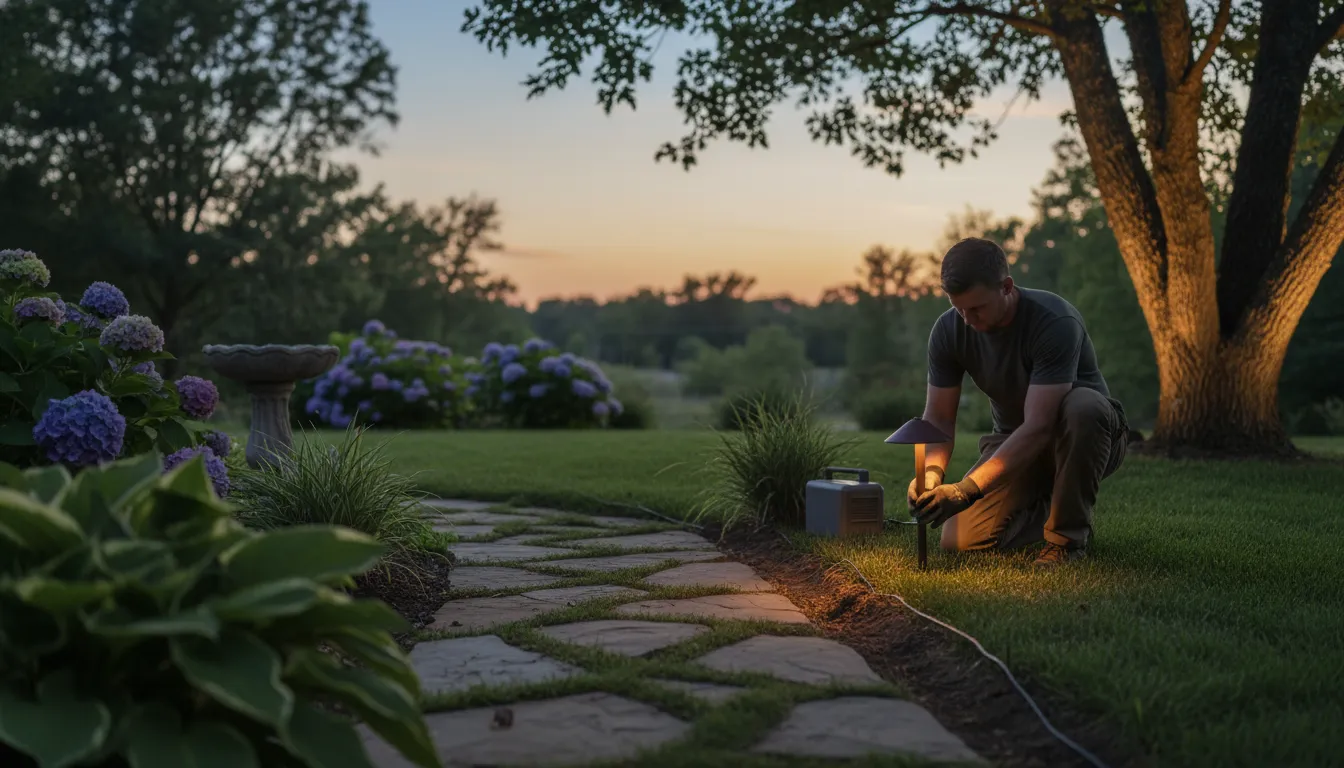
Find the Best Landscape Lighting Installers for Your Business
No obligation • Fast responses • Nationwide coverage

Why you can trust Landscape Atlas
Landscape Atlas is a leading United States resource for evaluating landscaping, lawn care, and outdoor service providers. Our team researches each category in depth, focusing on service quality, safety, and customer experience. Listings and rankings are based on independent criteria and user feedback, and companies cannot pay to influence our assessments or recommendations.
Search providers near you
Top Landscape Lighting Installers in Baltimore, Maryland Ranked
Enhancing your Baltimore home with professional landscape lighting installation transforms your outdoor space into a safe, secure, and beautiful extension of your living area. This specialized service involves designing and installing a low-voltage LED system to illuminate pathways, architectural details, gardens, and gathering spots, boosting curb appeal and allowing you to enjoy your property long after sunset. This guide will help you understand the options, typical project scopes, and investment involved, connecting you with the expertise needed to bring your vision to life.
A well-executed outdoor lighting plan serves multiple purposes. Primarily, it increases safety by illuminating steps, walkways, and changes in elevation to prevent trips and falls. It also enhances security by eliminating dark shadows where intruders could hide, making your property less of a target. Beyond practicality, landscape lighting is a powerful design tool that creates dramatic curb appeal, highlights your home's best architectural features, and extends the usability of your patio or deck into the evening hours. Whether you want to softly light a garden path or dramatically uplight a majestic oak, a professional design is key to achieving a balanced, layered effect without harsh glare.
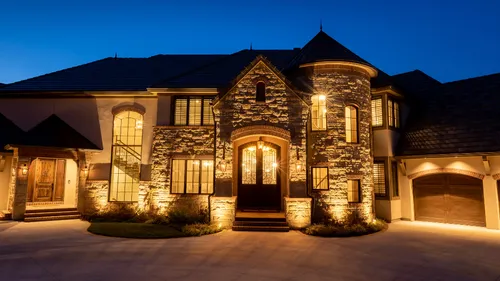
Outdoor Lighting Perspectives of Baltimore
Baltimore, MD
Outdoor Lighting Perspectives of Baltimore provides low-voltage, energy-efficient landscape and exterior lighting services in Baltimore, MD. They specialize in installing outdoor lighting to enhance the beauty, safety, and usability of gardens, patios, walkways, and other outdoor spaces for both residential and commercial properties. With over 20 years of experience, the company offers custom lighting designs using spotlights, path lights, and soft lighting to create inviting and secure environments.
Magothy Electric Co.
125 Roesler Rd, Glen Burnie, MD 21060
Magothy Electric Co. is an electrical services provider based in Baltimore, MD. They offer a range of residential electrical solutions including landscape lighting installation, EV charger installation, ceiling fan wiring, electrical panel upgrades, and emergency electrical repairs. Their landscape lighting services include installing path lights, uplights, and motion detectors designed for outdoor durability. The company also provides electrical inspections, outlet repairs, smoke detector installations, and surge protection to enhance home safety and functionality. Magothy Electric Co. offers 24/7 emergency electrical services to address urgent issues promptly.
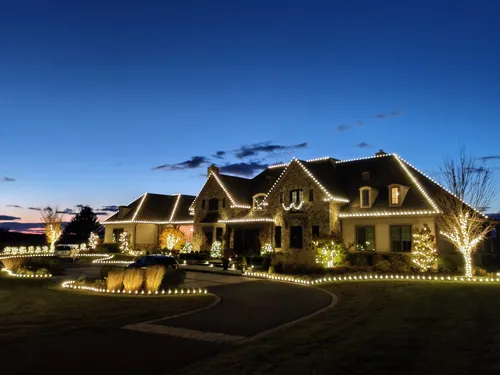
E.L.F. Designs LLC
1111 Cedar Ln, Bel Air, MD 21015
E.L.F. Designs LLC is a family-owned outdoor lighting and landscape design company based near Baltimore, MD. They specialize in holiday lighting design, installation, maintenance, and takedown, serving residential and commercial clients in Harford County and nearby areas. Their services include custom Christmas displays, permanent exterior lighting, and event lighting for weddings and special occasions. The company is familiar with local styles and climate, ensuring tailored lighting solutions that enhance outdoor spaces with safe, high-quality LED lights.
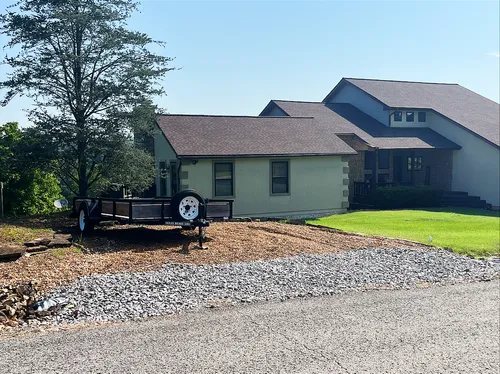
MD Lawn Care & Landscaping
5993 Sandy Ridge, Elkridge, MD 21075
MD Lawn Care & Landscaping is a full-service lawn care and landscaping company based in Baltimore, MD. They offer a wide range of services including lawn mowing, fertilization, weed control, sod installation, landscape lighting, tree services, yard drainage, land clearing, and seasonal cleanups. Their expertise includes professional sod installation with soil preparation and grading to ensure healthy, long-lasting lawns. The company focuses on maintaining clean, polished outdoor spaces through regular upkeep and specialized landscaping projects.
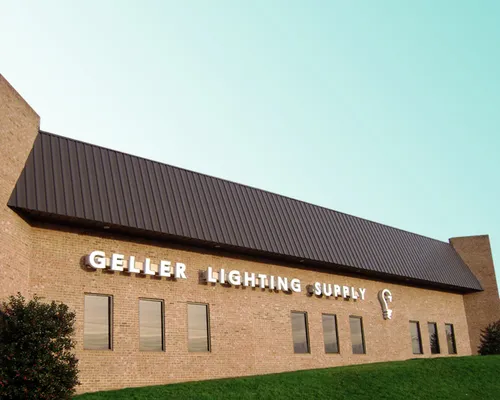
Geller Lighting Supply
3720 Commerce Dr # 1101, Baltimore, MD 21227
Geller Lighting Supply is a lighting company based in Baltimore, MD, specializing in landscape and outdoor lighting installation. With experience dating back to 1984, they provide lighting solutions for both residential and commercial properties. Their long history reflects a deep knowledge of lighting products and installation techniques.
Understanding Your Lighting Goals
Before exploring fixtures and costs, it's helpful to define what you want your lighting to achieve. Most Baltimore homeowners seek a combination of safety, security, aesthetics, and ambiance. A professional designer will start by discussing how you use your yard. Do you entertain frequently on a back deck? Is there a prized garden or water feature you want to showcase? Are there specific safety concerns, like a set of stone steps or a long driveway? Companies like Montgomery Irrigation and Outdoor Lighting Perspectives emphasize that a successful project starts with these goals, ensuring the final installation is both functional and beautiful 1.
Common Project Scopes in Baltimore
Landscape lighting projects in the area generally fall into three categories, which directly influence the overall scope and investment:
- Small-Scale Highlighting: This focuses on a single element or a small area. Examples include illuminating a few front steps, lighting a short walkway from the driveway to the front door, or using a single uplight to highlight a distinctive tree or shrub. These projects are often a great starting point or a targeted solution for a specific need.
- Medium Comprehensive Design: This is the most common scope for a full professional installation. It typically involves lighting the main entryway, key pathways, deck or patio areas for entertaining, and several focal points like garden beds or specimen trees. This level of lighting creates a cohesive look that enhances the entire front or back yard.
- Large Property Illumination: For expansive properties, the goal is often full-property illumination. This includes security lighting for large yards or driveways, highlighting extensive architectural features, and creating a "wow" factor with layered lighting across gardens, trees, and hardscaping. These projects are complex and require meticulous design to be effective and energy-efficient.
A Guide to Landscape Lighting Fixtures
The right fixtures are the building blocks of your design. Each type serves a specific purpose, and a professional installer will use a mix to create depth and interest.
- Path Lights: These are the most recognizable fixtures, often placed along walkways, driveways, and garden borders. They provide downlighting to guide the way and prevent trips, with styles ranging from simple modern stakes to ornate lanterns.
- Uplights (Bullet Lights): These fixtures are aimed upward to create dramatic effects. They are used to "graze" textured walls, "wash" a broad surface with light, or spotlight the canopy of a tree or an architectural column. They are essential for adding drama and highlighting vertical elements.
- Well Lights (In-Ground Lights): These are installed flush with the ground, making them nearly invisible during the day. They are perfect for uplighting trees or walls from the base without seeing the fixture itself, creating a magical, light-from-within-the-landscape effect.
- Deck and Step Lights: These small, low-profile fixtures are integrated into stair risers, railings, or deck posts. They provide crucial safety lighting for navigating levels after dark while adding a subtle ambiance to outdoor living spaces 2.
- Flood Lights: Used for security or to illuminate large areas like a backyard sports court or a broad facade, flood lights provide wide, bright beams. In residential landscape lighting, they are often used in a more controlled way than typical motion-sensor security lights.
- Accent & Specialty Lighting: This includes LED strip lights for under benches or eaves, bollard lights for defining a space, and underwater lights for ponds or fountains. These fixtures add the finishing touches that make a design unique.
The Professional Installation Process and Technology
Today, nearly all quality landscape lighting installations in Baltimore use low-voltage LED systems. This technology is a game-changer: it's extremely energy-efficient, long-lasting (often 30,000-50,000 hours), and produces less heat than old halogen bulbs. The "low-voltage" part means the system runs on a safe 12 volts, supplied by a transformer that plugs into a standard outdoor outlet. A professional will ensure the transformer is properly sized for the number and type of fixtures and that wiring is buried discreetly and safely.
The design phase is where professional expertise truly shines. An expert will create a lighting plan that considers "layers" of light-ambient, task, and accent-to avoid a flat, over-lit look. They manage glare, ensure light is directed where it's needed without polluting neighboring properties, and select fixtures with the correct beam spread and wattage for each task. This careful planning is what separates a stunning, magazine-worthy result from a simple collection of bright spots in the yard.
Find the perfect landscape lighting installers for your needs
Get personalized recommendations and expert advice
Investment and Cost Considerations
The cost for landscape lighting installation in Baltimore varies significantly based on the project's scale, the quality of fixtures, and the complexity of the design. It's an investment in your property's value, safety, and your enjoyment of it.
- Fixture Quality & Materials: This is a major cost driver. Budget-friendly aluminum fixtures with plastic components have a lower upfront cost. Mid-range fixtures often feature durable cast metals with better finishes. High-end systems use solid brass, copper, or bronze fixtures, which offer superior durability, timeless aesthetics, and often come with extensive warranties. As noted by TLC Incorporated, premium materials can add significant cost but also long-term value.
- Project Scale & Labor: A small DIY-style project of a few path lights may only cost a few hundred dollars for the fixtures themselves. A professionally installed small-to-medium project, involving 10-20 fixtures with a custom design and proper burial of wiring, typically ranges from $1,500 to $5,000+ 3 4. For large, comprehensive projects on expansive properties with many high-end fixtures, the investment can easily reach $10,000 to $20,000 or more 4 5.
- Operational Costs: A key benefit of modern LED systems is their low operating cost. They consume a fraction of the electricity of old incandescent or halogen systems, and their long lifespan means you'll rarely need to replace bulbs, minimizing maintenance.
When evaluating quotes, look beyond just the per-fixture price. Consider the designer's portfolio, the warranty offered on both labor and fixtures, and the quality of the components being used. A professional installation should provide a detailed layout plan and use commercial-grade transformers and wiring for reliability.
Maintaining Your Landscape Lighting System
Once installed, a low-voltage LED system requires minimal maintenance to keep it looking its best. Basic upkeep includes periodically wiping dirt and debris from fixture lenses and checking that fixtures haven't been knocked out of alignment by weather or landscaping activities. In the fall, keeping fallen leaves away from path lights prevents moisture buildup and potential damage. Most professionals recommend an annual system check-up, where they will inspect connections, clean fixtures thoroughly, adjust any lights, and ensure the transformer is functioning correctly. This proactive service can extend the life of your system for decades.
Frequently asked questions
Sources
Footnotes
-
Baltimore Maryland Landscape Lighting Design & Installation - https://www.montgomeryirrigation.com/baltimore-md-landscape-lighting-design-installation.php ↩
-
What is the Most Common Type of Landscape Lighting Fixtures? - https://www.rrrlighting.com/blog/most-common-type-of-landscape-lighting-fixtures/ ↩
-
Baltimore Landscape Lighting - https://www.outdoorlights.com/baltimore/residential/landscape-lighting/ ↩
-
Outdoor Lighting Costs in Maryland: 2026 Complete Price ... - https://www.tlcincorporated.com/outdoor-lighting-costs-in-maryland-2026-complete-price-guide-for-the-homeowner/ ↩ ↩2
-
How Much Does Professional Landscape Lighting Cost? - https://washingtonoutdoorlighting.com/how-much-does-professional-landscape-lighting-cost/ ↩