Find the Best Landscape Lighting Installers for Your Business
No obligation • Fast responses • Nationwide coverage

Why you can trust Landscape Atlas
Landscape Atlas is a leading United States resource for evaluating landscaping, lawn care, and outdoor service providers. Our team researches each category in depth, focusing on service quality, safety, and customer experience. Listings and rankings are based on independent criteria and user feedback, and companies cannot pay to influence our assessments or recommendations.
Search providers near you
Top Landscape Lighting Installers in Omaha, Nebraska Ranked
Transforming your Omaha property with professional landscape lighting installation enhances safety, security, and curb appeal after sunset. This service involves strategically placing fixtures to illuminate walkways, accentuate architectural features, and create a welcoming ambiance. For homeowners in the Omaha area, finding a qualified expert is key to a design that balances beauty, function, and long-term value.
Brytr - Permanent Roofline & Smart Landscape Lighting
Omaha, NE
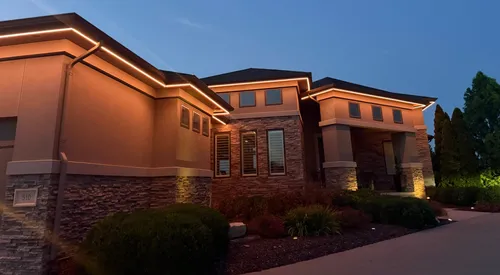
Brytr - Permanent Roofline & Smart Landscape Lighting is a company based in Omaha, NE, specializing in landscape and roofline lighting installation. They focus on smart, seamless, and sleek exterior lighting solutions for residential properties. Their services include permanent roofline lighting and landscape lighting designed to enhance outdoor spaces.
F & F Tree & Landscaping service LLC.
2424 S 12th St, Council Bluffs, IA 51501
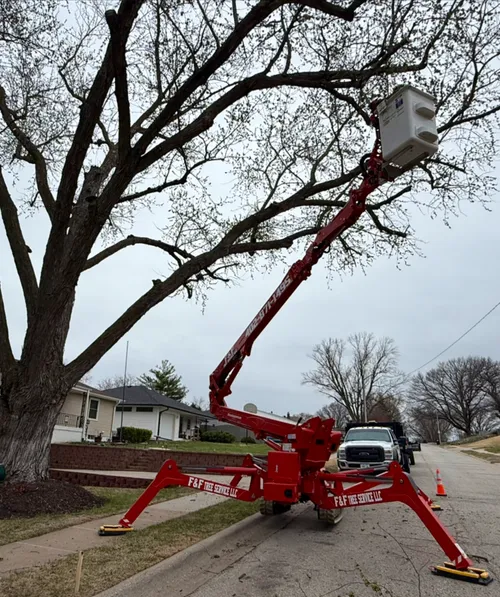
F & F Tree & Landscaping Service LLC. is a landscaping and lawn care company based in Omaha, NE. They provide a broad range of services including landscape design, installation, and maintenance, tree pruning and removal, yard drainage and grading, sprinkler system installation and repair, and outdoor lighting. The company serves both residential and commercial clients in the Omaha Metropolitan area. Their capabilities include comprehensive landscape construction and irrigation system services. F & F Tree & Landscaping has developed long-term client relationships by consistently delivering valuable customer service and landscaping solutions.
Blingle Premier Lighting of Omaha
17705 Storage Rd Suite 100, Omaha, NE 68136
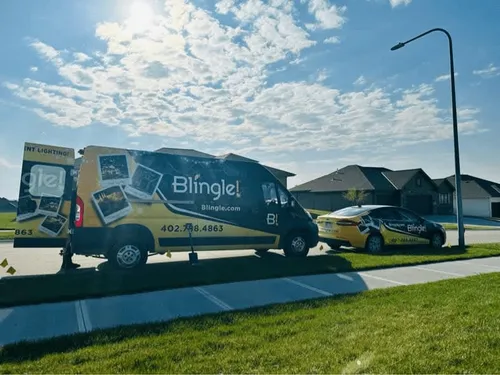
Blingle Premier Lighting of Omaha offers professional outdoor lighting installation services in Omaha, NE. They provide customized lighting solutions for residential and commercial properties, including landscape, patio, holiday, and permanent lighting. Their installations use energy-efficient technology designed to withstand Omaha's seasonal weather, ensuring durability and long-lasting performance. As part of the Blingle! Network, they use high-quality materials and maintain lighting systems year-round to keep properties well illuminated.

Paradise Lawns
Omaha, NE
Paradise Lawns is a veteran-owned lawn care company based in Omaha, NE, specializing in organic lawn fertilization and weed control. They focus on creating healthy, green lawns using natural products that are safe for families, pets, and the environment. In addition to lawn care, Paradise Lawns offers exterior roofline holiday lighting installation during the fall and winter seasons. Serving Omaha and surrounding communities, they have been in business since 1999 and cater to both residential and commercial clients.
LawnStarter Landscaping
3223 N 60th St, Omaha, NE 68104
LawnStarter Landscaping is a landscaping company based in Omaha, NE, offering a wide range of outdoor services. Their offerings include lawn mowing, lawn care, fence installation, landscape lighting, sprinkler installation and repair, landscape design, and hardscaping such as pavers and retaining walls. They serve the Omaha area with a variety of seasonal landscaping projects and emphasize sustainable landscaping trends like native plants and smart irrigation. LawnStarter connects customers with local landscaping professionals for convenient service booking.
Why Invest in Outdoor Lighting for Your Omaha Home?
A well-designed exterior lighting system does more than just make your yard visible at night. It extends your living space, allowing you to enjoy your patio, garden, or pool area long after the sun goes down. From a practical standpoint, it significantly improves safety by illuminating trip hazards on paths and stairs, and it acts as a powerful deterrent to trespassing and burglary by eliminating dark shadows around your home's perimeter. For many Omaha residents, the aesthetic transformation is the most rewarding benefit, as a skilled lighting plan can make mature trees, stonework, and landscaping features look dramatic and inviting.
Common Types of Landscape Lighting Projects
Professional installers in Omaha typically categorize projects by the lighting effect and goal. Understanding these common types can help you articulate your vision.
Path and Step Lighting
The primary function here is safety and guidance. Low-level fixtures are placed along walkways, driveways, and staircases to provide a clear, illuminated path for guests and family members. This is often the foundational layer of any good lighting design.
Accent and Uplighting
This technique is used for dramatic effect and to highlight your property's best assets. Uplighting involves placing fixtures at the base of an object, like a beautiful tree, statue, or textured wall, to wash it with light from below. Accent lighting is a broader term that can include carefully aimed spotlights to draw the eye to specific garden features or architectural details.
Downlighting and Moonlighting
To create a soft, natural ambient glow, fixtures are mounted in trees or on structures to cast light downward, mimicking the effect of moonlight. This is excellent for lighting larger areas like patios, decks, or sections of lawn without harsh glare.
Security and Flood Lighting
Function takes precedence here. Bright, wide-beam floodlights, often paired with motion sensors, are used to illuminate large, dark areas like side yards, backyards, or driveways. The sudden activation of light is a proven security measure that enhances peace of mind.
Perimeter and Linear Lighting
Modern designs often use low-profile, linear LED strips or well lights to outline hardscaping features like retaining walls, steps, or the edges of a pool. This creates clean, contemporary lines and defines spaces within your landscape.
Understanding Fixture Types and Technology
The quality and type of fixtures you choose will impact the look, longevity, and maintenance of your system.
LED Technology: This is the standard for new installations. LED landscape lights are highly energy-efficient, have an exceptionally long lifespan (often 25,000-50,000 hours), and produce bright, consistent light while remaining cool to the touch. Their efficiency makes running an extensive system more affordable.
Fixture Materials: Durability in Nebraska's climate is crucial.
- Aluminum: A cost-effective and corrosion-resistant option, often powder-coated for color and extra protection.
- Brass and Copper: These are premium materials known for their durability and classic appearance. They often develop a desirable patina over time and are built to last for decades.
Common Fixture Styles: Your design will utilize a mix of:
- Path Lights: Short, standalone fixtures for walkways.
- Spotlights and Floodlights: Adjustable fixtures for accent or security.
- Well Lights: In-ground fixtures that provide uplighting while being nearly invisible during the day.
- Garden Lights: Smaller accent lights for flower beds and shrubbery 1.
Cost of Landscape Lighting Installation in Omaha
The investment for a professional outdoor lighting system in Omaha varies widely based on the scope and quality. For a typical single-family home, homeowners can expect a total project cost generally ranging from $2,000 to $4,500 for a complete, professionally installed system 2. This range accounts for a standard design with multiple lighting techniques.
Costs are typically broken down as follows:
- Per Fixture Cost: On average, each installed fixture (including materials and labor) may cost between $100 and $200.
- Labor Rates: Professional installers often charge between $60 and $100 per hour for labor, plus the cost of all materials and fixtures 3.
- Design Fees: For a custom, detailed lighting plan, some companies charge a separate design fee, which can start around $500 or more, though this is sometimes waived or rolled into the total project cost with a commitment to install 4.
Key factors that influence your final price include:
- Property Size & Complexity: A larger yard or one with many features to light will require more fixtures and wiring.
- Fixture Quality and Material: A system using solid brass fixtures will cost significantly more than one using aluminum.
- Design Sophistication: A simple path lighting circuit costs less than a multi-layered design with accent, uplighting, and smart controls.
- Electrical Access: The distance from your home's power panel to the lighting zones can affect wiring costs.
While DIY solar lighting kits are available (a basic set of 10 solar path lights might cost around $1,500), they often lack the brightness, reliability, and sophisticated impact of a professionally designed and installed low-voltage LED system 5.
Find the perfect landscape lighting installers for your needs
Get personalized recommendations and expert advice
Finding the Right Omaha Professional for the Job
Several types of local businesses specialize in or offer outdoor lighting services. It's wise to consult with a few to compare their approach, portfolio, and estimates.
Full-Service Lawn & Landscape Companies: Many established landscaping firms in Omaha, such as Crew Lawn & Landscape, offer outdoor lighting installation as part of their suite of services. Their advantage is a holistic understanding of your landscape's design.
Specialized Lighting Companies: Some providers focus exclusively on lighting. These experts often have deep knowledge of the latest technologies, techniques, and high-end fixtures. Companies like Lightstyles even offer specialized services like permanent holiday lighting installations.
Licensed Electricians & Installers: Many local electricians and dedicated installation crews also handle landscape lighting projects. Checking local reviews on platforms like Yelp can help you identify reputable installers in the Omaha area.
Your Step-by-Step Guide to Getting Started
- Define Your Goals: Start by asking why you want lighting. Is it primarily for safety on a dark walkway? To enhance security on the side of the house? Or to create a beautiful backdrop for evening entertaining? Identifying the primary function will guide the entire design 6 7.
- Take a Nighttime Walk: After dark, walk around your property with a flashlight. Note the areas that are dangerously dark, the features you'd like to highlight (a tree, fountain, etc.), and where you'd like to create ambiance (a patio or seating area).
- Research and Inspiration: Look at online portfolios of local installers and gather images of lighting effects you love. This gives you a visual vocabulary to discuss with professionals.
- Consult with Local Pros: Reach out to 2-3 recommended Omaha companies for consultations. A good professional will walk your property with you, listen to your goals, and provide a preliminary concept and a detailed, written estimate 8.
- Review Quotes and Plan: Ensure the quotes specify fixture types, materials, quantities, warranty information, and a clear project timeline. Choose the provider whose design vision and communication style best align with your needs.
Maximizing Your System's Efficiency and Lifespan
Once installed, a modern LED system is relatively low-maintenance. To ensure peak performance and longevity:
- Choose LEDs: This is the most important efficiency decision. LED lights use a fraction of the energy of old halogen bulbs and last for years 9.
- Use a Timer or Smart Controller: Automating your system ensures lights are only on when needed, saving energy. Smart controls allow you to adjust schedules and even dim lights from your phone.
- Perform Seasonal Maintenance: Periodically wipe lenses clean of dirt and debris, trim back any plant growth that encroaches on fixtures, and check that all lights are functioning properly, especially after severe weather.
Frequently asked questions
Sources
Footnotes
-
How to Choose the Best Landscape Lighting for Your Home & Yard - https://www.voltlighting.com/learn/introduction-to-landscape-lighting ↩
-
Cost Of Landscape Lighting Installation - https://lightstylesne.com/services/Cost-Of-Landscape-Lighting-Installation ↩
-
How much landscape lighting cost? - https://kingsoutdoorlighting.com/blogs/news/how-much-landscape-lighting-cost ↩
-
Getting Started With Professional Landscape Lighting in Alexandria, VA - https://www.kingstownelawn.com/blog/getting-started-professional-landscape-lighting-design-alexandria ↩
-
How Much Does Landscape Lighting Cost in 2026? - LawnStarter - https://www.lawnstarter.com/blog/cost/landscape-lighting-price/ ↩
-
Outdoor Lighting Services in Omaha - https://www.crewlawnandlandscape.com/landscaping-services/outdoor-lighting/ ↩
-
A Landscape Lighting Design Guide for Florida Homeowners - Cool Today - https://www.cooltoday.com/blog/a-landscape-lighting-design-guide-for-florida-homeowners ↩
-
TOP 10 BEST Landscape Lighting Installation in Omaha, NE - https://m.yelp.com/search?find_desc=landscape+lighting+installation&find_loc=Omaha%2C+NE ↩
-
Maximizing Efficiency with led landscape lights Solutions - https://www.paclights.com/explore/maximizing-efficiency-with-led-landscape-lights-solutions/ ↩