Find the Best Lawn Treatment Companies for Your Business
No obligation • Fast responses • Nationwide coverage

Why you can trust Landscape Atlas
Landscape Atlas is a leading United States resource for evaluating landscaping, lawn care, and outdoor service providers. Our team researches each category in depth, focusing on service quality, safety, and customer experience. Listings and rankings are based on independent criteria and user feedback, and companies cannot pay to influence our assessments or recommendations.
Search providers near you
Best Lawn Treatment Companies in California Ranked
A healthy, vibrant lawn in California requires a tailored approach to feeding and weed management. Lawn fertilization provides essential nutrients for growth and resilience, while targeted weed control protects your grass from invasive plants that compete for resources. This guide explains the key schedules, products, and strategies for effective lawn care across the state, helping you understand your options for maintaining a beautiful yard.
TurFresh
418 Goetz Ave, Santa Ana, CA 92707
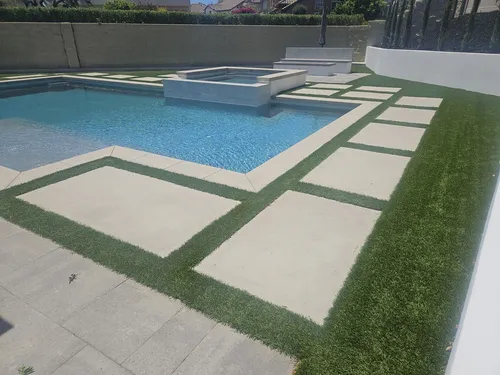
TurFresh is a lawn care company based in Santa Ana, CA, specializing in artificial turf maintenance and cleaning. They offer services such as pet urine odor removal, turf decompacting, deep brushing, debris removal, weed control, seam repairs, and turf infill adjustment. Their TurfBloom service helps restore the appearance and texture of artificial lawns by revitalizing turf fibers and infill materials. TurFresh customizes TurfCare plans to meet specific needs and provides a 30-day guarantee on their services.
Lawn Doctor of North County Coastal
San Diego, CA
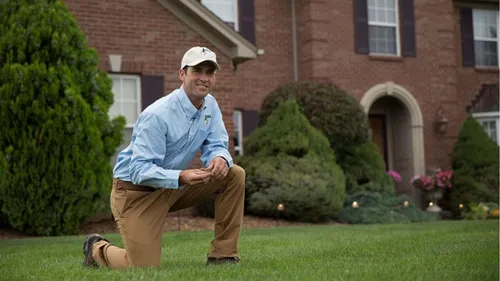
Lawn Doctor of North County Coastal is a lawn care company serving San Diego, CA, and nearby communities including Oceanside, Carlsbad, and Encinitas. They provide customized lawn care services such as fertilization, pest control, and annual lawn care programs tailored to each lawn's specific needs after a free evaluation. Their capabilities include protecting lawns from pests like grubs, fire ants, and sod webworms. The company offers flexible scheduling to accommodate customers' needs.
Love Branch Tree Pros & Yard
San Diego, CA
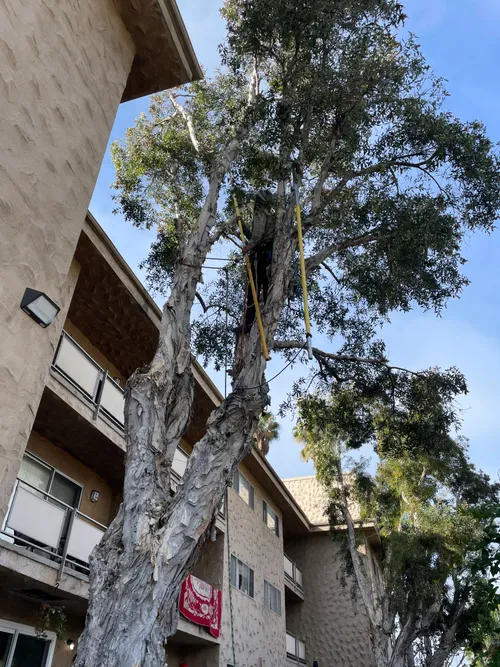
Love Branch Tree Pros & Yard is a comprehensive lawn and yard care company based in San Diego, CA. They provide a wide range of services including tree removal, trimming, pruning, lawn mowing, fertilization, weed abatement, artificial turf and sod installation, fence installation, and hardscaping such as pavers and retaining walls. The company also specializes in hillside cleaning for fire compliance and offers junk hauling and debris removal. Their artificial turf installation provides a low-maintenance, water-saving alternative to natural grass, while their fence services include wood, vinyl, and chain-link options. Love Branch Tree Pros & Yard serves residential and commercial properties, including notable clients like U.S. Naval Hospital and Wyndham Hotels. They operate 24/7 to accommodate various scheduling needs.
Tree Care Services
3414 4th Ave, Sacramento, CA 95817
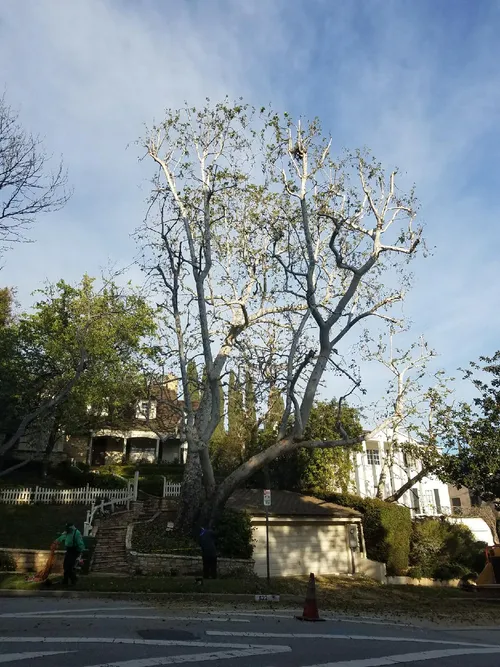
Tree Care Services is a family-owned business based in Sacramento, CA, specializing in tree care, landscaping, and lawn services. Serving both residential and commercial properties, they offer expert arborist services including tree trimming, pruning, fertilization, stump grinding, and safe tree removal. Established in 1990, the company provides 24/7 emergency response and follows industry standards to ensure safety and quality in all projects.
Droughtscape
Angeles Crest Hwy, La Cañada Flintridge, CA 91011
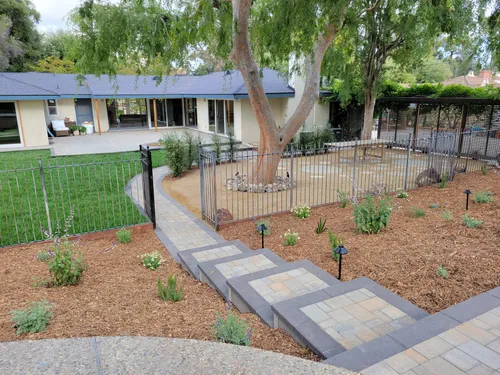
Droughtscape is a landscaping and outdoor construction company based in Los Angeles, CA. With over 45 years of experience, they specialize in drought and fire-resistant landscape design and installation, hardscaping, irrigation, fencing, artificial turf, and more. Their services cover a wide range of outdoor improvements including interlocking pavers, decks, pergolas, retaining walls, and yard drainage. Droughtscape serves multiple neighborhoods in the Los Angeles area, focusing on water-saving and sustainable landscaping solutions that suit various home styles. They emphasize clear communication and quality craftsmanship to provide a smooth project experience.
Understanding California's Lawn Care Regions
California's diverse climate is the primary factor in determining your lawn care strategy. The state is broadly divided into regions that support either cool-season or warm-season grasses, each with distinct growth cycles and care needs.
- Northern California & Coastal Areas: These regions typically feature cooler temperatures and are suited for cool-season grasses like Tall Fescue, Kentucky Bluegrass, and Perennial Ryegrass. These grasses grow most actively in the spring and fall when temperatures are mild.
- Central & Southern California (including inland valleys): Warmer climates here are ideal for warm-season grasses such as Bermuda, St. Augustine, and Zoysia. These grasses thrive in the heat, with peak growth occurring from late spring through summer.
Identifying your grass type is the first critical step, as fertilizing and treating for weeds on the wrong schedule can be ineffective or even harmful to your lawn.
Annual Fertilization Schedule for California Lawns
Nutrient application should align with your grass's natural growth spurts. Here's a breakdown of the optimal timing.
For Cool-Season Grasses (Northern CA)
Cool-season grasses benefit most from fertilization in the fall and spring.
- Early Spring (March-April): Apply a balanced or nitrogen-rich fertilizer as the grass breaks dormancy and begins its first major growth cycle. This helps green up the lawn and recover from winter 1.
- Late Spring (May): A second application can support growth before the summer heat slows activity.
- Fall (September-October): This is the most important fertilization window. Applying a fertilizer higher in phosphorus and potassium (a "winterizer") strengthens root systems, improves winter hardiness, and provides energy reserves for a strong spring green-up. Overseeding is often done at this time as well 2 3.
For Warm-Season Grasses (Central/Southern CA)
Warm-season grasses should be fed during their active summer growth period.
- Late Spring to Summer (May-August): Begin fertilizing once the grass is fully green and actively growing. Apply nitrogen-rich formulas during this peak period, typically every 6-8 weeks 4.
- Early Fall (September): A final, lighter application can help the lawn store nutrients before it goes dormant and turns brown in the winter.
- Winter & Early Spring: Avoid fertilizing when the grass is dormant, as it cannot absorb nutrients and the fertilizer may leach away or feed weeds.
Weed Control Strategy and Timing
Effective weed management in California relies on a two-pronged approach: preventing weeds before they sprout and eliminating those that have already emerged.
Pre-Emergent Herbicide Application
Pre-emergent herbicides create a barrier in the soil that stops weed seeds from germinating. Timing is everything.
- For Summer Weeds (like crabgrass and spurge): Apply in late winter to early spring (February-March), before soil temperatures consistently reach 55-60°F, which triggers weed seed germination.
- For Winter Weeds (like annual bluegrass and chickweed): Apply in late summer to early fall (late August through November), before cooler temperatures and rains prompt winter weed seeds to sprout.
Post-Emergent Herbicide Application
Post-emergent herbicides are used to kill weeds that are already visible in the lawn.
- Optimal Conditions: Apply when weeds are young, actively growing, and not under drought stress. Avoid windy days to prevent drift onto desirable plants.
- Weed Identification: Correctly identifying the weed (broadleaf, grassy, or sedge) is crucial for selecting the right product. For example, nutsedge requires a specific herbicide different from those used for common broadleaf weeds.
Product Selection: Fertilizers and Herbicides
Choosing the right products and using them correctly is key to success and safety.
Fertilizer Types
- NPK Ratio: The three numbers on a bag (e.g., 24-0-6) represent the percentage of Nitrogen (N), Phosphorus (P), and Potassium (K). Nitrogen promotes green, leafy growth; phosphorus supports root development; and potassium aids in overall plant health and stress tolerance.
- Release Formulas: Slow-release granular fertilizers are often recommended for homeowners. They provide nutrients over an extended period, reducing the risk of "burning" the lawn and requiring fewer applications compared to quick-release formulas 5.
Herbicide Types
- For Broadleaf Weeds (Dandelions, Clover, Oxalis): Look for products containing a mixture of active ingredients like 2,4-D, dicamba, and mecoprop (MCPP). These are widely available in ready-to-use or concentrate forms under various brand names 6.
- For Grassy Weeds and Crabgrass Prevention: Pre-emergent herbicides containing prodiamine are effective for prevention. For post-emergent control of grassy weeds, selective herbicides designed for your specific grass type are necessary.
- For Nutsedge/Yellow Nutsedge: This persistent weed requires specialized herbicides with active ingredients like halosulfuron-methyl or sulfentrazone. These are often sold as separate, targeted products 7 8.
Always read and follow all label instructions meticulously. The label is the law and provides critical information on proper application rates, timing, and safety precautions to protect your lawn, yourself, and the environment.
Find the perfect lawn treatment companies for your needs
Get personalized recommendations and expert advice
Professional Services vs. DIY Lawn Care
Homeowners in California can choose between hiring a professional lawn care company or managing fertilization and weed control themselves. Each approach has its pros and cons.
Professional lawn care services offer expertise, convenience, and consistent results. A professional can accurately diagnose issues, apply products with commercial-grade equipment, and handle the time-consuming work. They typically offer annual programs that include multiple scheduled visits for fertilization and weed control, adapting treatments to seasonal needs 9. For a basic annual program in California, costs generally range from $300 to $600, while individual treatment visits can range from $50 to $210 depending on lawn size and services required 10 11.
DIY lawn care can be more budget-friendly and offers full control over the products used. It requires an investment of time to learn about your lawn, purchase equipment (spreader, sprayer), and apply products correctly. The annual cost for DIY products can range significantly, from $200 to $600+, depending on lawn size and product choices 12 13. Success depends on proper identification of grass and weed types, precise application timing, and adherence to safety and label directions.
Cost Considerations for California Homeowners
Several factors influence the cost of lawn fertilization and weed control, whether you hire a pro or do it yourself.
- Lawn Size: This is the most significant factor. Costs are often calculated per 1,000 square feet or by acre.
- Lawn Condition & Soil Health: Lawns with poor soil, severe weed infestations, or disease may require more intensive (and costly) initial treatments to restore health.
- Accessibility & Slope: Lawns that are difficult to access or have steep slopes may incur higher service charges.
- Product Choice: Premium organic fertilizers or specialized herbicides will cost more than standard synthetic options.
- Location: Labor rates and service pricing can vary between metropolitan, suburban, and rural areas within California 14 15.
Building a Healthy Lawn to Reduce Weed Pressure
The best long-term weed control is a thick, healthy lawn that leaves no room for weeds to establish. Integrate these practices with your fertilization and weed control plan:
- Proper Mowing: Mow at the recommended height for your grass type. Never remove more than one-third of the grass blade at a time. Taller grass shades the soil, cooling roots and inhibiting weed seed germination.
- Efficient Watering: Water deeply but infrequently to encourage deep root growth. Most California lawns need about 1 inch of water per week, including rainfall. Water in the early morning to reduce evaporation and fungal disease.
- Core Aeration: Aerating your lawn once a year (especially for compacted soil) improves air, water, and nutrient movement to the roots, promoting a denser turf.
- Soil Testing: A soil test every few years can reveal pH imbalances or nutrient deficiencies, allowing you to amend the soil and apply fertilizer more effectively.
By understanding the unique needs of California lawns and implementing a consistent, seasonally-aware plan for fertilization and weed control, you can cultivate a resilient and attractive landscape that enhances your outdoor space.
Frequently asked questions
Sources
Footnotes
-
When to Fertilize Your Lawn in California - LawnStarter - https://www.lawnstarter.com/blog/california/when-to-fertilize-lawn-california/ ↩
-
When to Fertilize Your Lawn in California - Dustin Pest Control - https://dustinpestcontrol.com/when-to-fertilize-your-lawn-in-california/ ↩
-
When to Fertilize Your Lawn in California - https://lawnlove.com/blog/when-to-fertilize-lawn-california/ ↩
-
Lawn Care Schedule For Warm Season Grasses - DoMyOwn - https://www.domyown.com/lawn-care-schedule-for-warm-season-grasses-a-538.html ↩
-
California Valley Fertilizer Solutions | Horizon Distributors - https://www.horizononline.com/turfgro/regions/california-central-valley/ ↩
-
When to Fertilize Your Bay Area Lawn - LawnStarter - https://www.lawnstarter.com/blog/california/san-francisco-ca/when-to-fertilize-lawn-bay-area/ ↩
-
Weed Management in Lawns - UC IPM - https://ipm.ucanr.edu/home-and-landscape/weed-management-in-lawns/ ↩
-
Google's Shopping Data - https://blog.google/products/shopping/shopping-graph-explained/ ↩
-
Seasonal Lawn Care Maintenance and Treatment Schedule - https://www.trugreen.com/lawn-care-101/blog/trugreen-lawn-care-services/lawn-maintenance-checklist ↩
-
How Much Does Lawn Care Cost? (2026) - Today's Homeowner - https://todayshomeowner.com/lawn-garden/cost/lawn-care-cost/ ↩
-
How much does lawn care service cost? - Green Lawn Fertilizing - https://www.greenlawnfertilizing.com/blog/how-much-does-la...-cost ↩
-
How Much Does Lawn Care Cost in 2026? - LawnStarter - https://www.lawnstarter.com/blog/cost/lawn-care-price/ ↩
-
How Much Does Lawn Fertilization Cost in 2026? - https://lawnlove.com/blog/lawn-fertilization-cost/ ↩
-
Lawn Care Cost in Salinas - LawnStarter - https://www.lawnstarter.com/blog/california/salinas-ca/lawn-care-cost-salinas/ ↩
-
Lawn Care Pricing & Cost Guide 2026 | Instant Quotes from $29 - https://lawnlove.com/pricing ↩