Find the Best Lawn Treatment Companies for Your Business
No obligation • Fast responses • Nationwide coverage

Why you can trust Landscape Atlas
Landscape Atlas is a leading United States resource for evaluating landscaping, lawn care, and outdoor service providers. Our team researches each category in depth, focusing on service quality, safety, and customer experience. Listings and rankings are based on independent criteria and user feedback, and companies cannot pay to influence our assessments or recommendations.
Search providers near you
Find Lawn Treatment Companies near you
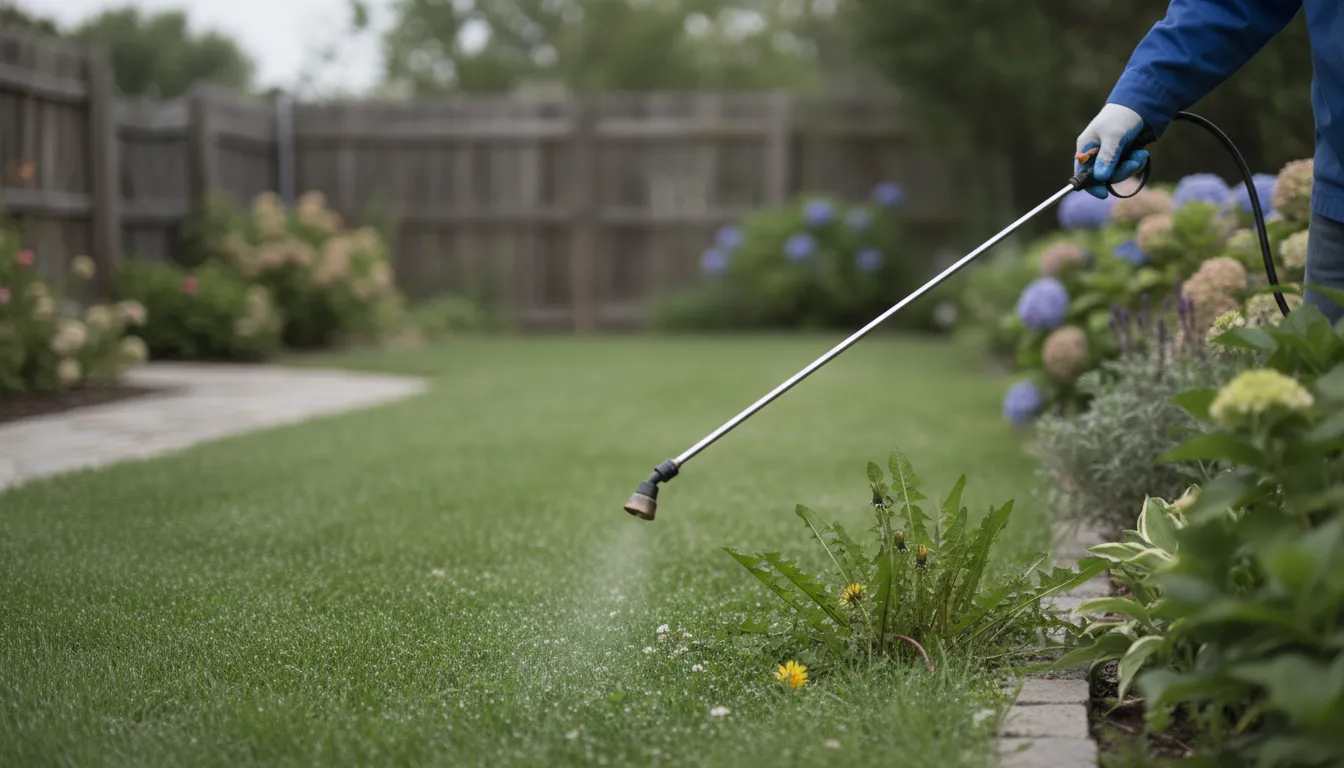
A healthy, vibrant lawn is more than just a patch of grass; it's a living ecosystem that enhances your property's curb appeal and provides a space for relaxation. Achieving that lush, green, and weed-free look requires a consistent, science-backed approach to lawn fertilization and weed control. This involves applying the right nutrients at the right time and proactively managing unwanted plants. For homeowners across the country, finding the right local expertise for this essential lawn care is the key to transforming your outdoor space from a chore into a source of pride.
Search providers near you
Why a Strategic Lawn Care Program Matters
A well-executed lawn feeding and weed management program does more than just make your grass look good. It builds a thicker, more resilient turf that naturally resists pests, diseases, and drought. Proper fertilization provides the essential nutrients-primarily nitrogen, phosphorus, and potassium-that grass needs for strong root development, vigorous growth, and rich color. Effective weed control, meanwhile, prevents invasive plants from competing with your grass for water, sunlight, and soil nutrients. Together, these practices create a robust lawn that can better withstand foot traffic, environmental stress, and seasonal changes.
Understanding Your Lawn: The First Step to Success
Before you can create an effective treatment plan, you need to understand the two main factors that dictate your lawn's needs: your grass type and your climate region. These elements determine everything from your fertilization schedule to the types of weeds you'll likely encounter.
Cool-Season vs. Warm-Season Grasses
The United States is broadly divided into regions suited for either cool-season or warm-season grasses, and each type has a completely different growth cycle 1.
- Cool-Season Grasses: Common in the Northern U.S., Midwest, and Pacific Northwest, these grasses-like Kentucky Bluegrass, Perennial Ryegrass, and Fescues-thrive in cooler temperatures. They grow most actively in the spring and fall, often going semi-dormant and turning brown during the peak summer heat.
- Warm-Season Grasses: Predominant in the Southern U.S., Southwest, and Gulf Coast, these grasses-such as Bermudagrass, Zoysia, St. Augustine, and Centipede-love the heat. They grow vigorously during the hot summer months and go fully dormant, turning brown, in the winter.
Your fertilization and weed control schedule will be built around these distinct growth patterns. Applying fertilizer when your grass is dormant is not only ineffective but can also harm the lawn and benefit weeds.
The Annual Lawn Treatment Schedule
A proactive, calendar-based approach is the hallmark of professional lawn health. Here's a breakdown of the typical seasonal tasks for both grass types.
Schedule for Cool-Season Grasses
- Early Spring (March-April): As the soil temperature reaches about 55°F and grass begins to green up, apply a crabgrass preventer (a pre-emergent herbicide) combined with a light fertilizer. This critical step stops crabgrass seeds from germinating. It's also a good time to address any early broadleaf weeds.
- Late Spring (May-June): Apply a balanced fertilizer or a "weed and feed" product to tackle actively growing broadleaf weeds like dandelions, clover, and plantain. The goal is to strengthen the grass before summer stress sets in 2 3.
- Summer (July-August): Focus shifts from feeding to preservation. Avoid heavy fertilization, as it can promote disease and weaken the grass during heat stress. The priority is consistent, deep watering and monitoring for pests like chinch bugs or fungal issues.
- Fall (September-November): This is the most important fertilization period for cool-season lawns. Apply a high-potassium "winterizer" fertilizer in early fall and again 6-8 weeks later. This promotes deep root growth and nutrient storage, ensuring your lawn greens up quickly and healthily the following spring 4.
Schedule for Warm-Season Grasses
- Early Spring (Late February-April): As the lawn comes out of winter dormancy, apply the first round of fertilizer to encourage green-up and new growth. This is also the ideal window for applying pre-emergent herbicides to prevent summer annual weeds like spurge and goosegrass 5 6.
- Late Spring & Summer (May-August): This is the peak growing season. Continue a fertilization program every 4 to 8 weeks to support vigorous growth, which helps the lawn outcompete weeds. Spot-treat any breakthrough weeds during this period 7.
- Fall (September-October): Apply a final, lighter fertilizer application to help the grass store energy before it goes dormant for the winter. Avoid high-nitrogen formulas that could stimulate tender new growth vulnerable to frost.
Find the perfect lawn treatment companies for your needs
Get personalized recommendations and expert advice
Professional Services vs. DIY Lawn Care
Homeowners have two main paths for maintaining their lawn: hiring a professional lawn care company or managing it themselves. The right choice depends on your budget, time, and interest in lawn care as a hobby.
The Professional Lawn Care Approach
Hiring a professional service offers convenience, expertise, and consistent results. Most companies provide annual programs that bundle fertilization, weed control, and sometimes other services like insect control.
- Typical Costs: Professional lawn care costs vary based on lawn size, location, and service frequency. On average, you can expect to pay between $50 and $150 per fertilization treatment and $50 to $125 per targeted weed control application 8 9. A comprehensive annual program, typically including 4-6 visits, often ranges from $250 to $1,000 per year. Many companies offer discounts for signing an annual contract.
- Additional Services: Professionals often recommend and provide complementary services for optimal lawn health:
- Core Aeration: (Typically $75-$250) Reduces soil compaction, allowing air, water, and nutrients to reach the roots.
- Overseeding: (Often $300-$1,350, frequently bundled with aeration) Introduces new grass seed to fill in bare spots and improve turf density.
The DIY Lawn Care Path
For the hands-on homeowner, DIY lawn care can be more cost-effective and offers total control over the products used.
- Upfront Investment: You'll need equipment like a broadcast or drop spreader ($30-$150), a sprayer for liquid herbicides ($20-$100), and possibly a soil test kit ($20-$100).
- Ongoing Material Costs: Annual spending on fertilizers and weed control products for a typical suburban lawn is estimated between $200 and $600 10 11. This is generally about half the cost of a professional service, not accounting for your time.
- Key to DIY Success: Knowledge is power. Understanding product labels, application rates, and timing is crucial. A soil test is highly recommended to avoid over-application and to tailor your nutrient plan precisely.
Choosing the Right Products and Strategies
Whether you go pro or DIY, the principles of effective lawn nutrition and weed suppression remain the same.
- Soil Testing: Don't guess, test. A soil test reveals your lawn's pH and nutrient levels, allowing you to apply only what's needed.
- Pre-emergent vs. Post-emergent Herbicides: Pre-emergents (like for crabgrass) are applied before weed seeds germinate, forming a barrier in the soil. Post-emergents are used to kill weeds that are already visible.
- Weed & Feed Products: These combination products can be convenient but timing is tricky. They are only effective when both the weed is actively growing and the grass is in a state where it can utilize the fertilizer.
- Organic & Custom Options: For those seeking an alternative, companies like Sunday Lawn Care offer customized, often more environmentally-conscious, plans based on your specific lawn conditions 12 13 14.
Building a Resilient Lawn Ecosystem
Ultimately, the best weed control is a thick, healthy lawn. Practices that promote strong grass naturally reduce weed invasions.
- Mow High: Keep your mower blade sharp and set to a higher height (often 3-4 inches). Taller grass shades the soil, preventing weed seeds from germinating and promoting deeper roots.
- Water Deeply and Infrequently: Encourage deep root growth by watering less often but for longer periods, typically providing 1-1.5 inches of water per week, including rainfall.
- Address Soil Health: Compacted, poor soil stifles grass roots. Regular aeration and top-dressing with compost can dramatically improve soil structure and health over time.
Investing in a proper lawn fertilization and weed management strategy pays dividends in beauty, property value, and enjoyment. By understanding your lawn's unique needs and implementing a consistent plan-whether through a trusted local service or your own dedicated care-you can cultivate a resilient, green oasis right in your own backyard.
Frequently asked questions
Sources
Footnotes
-
Best Time to Apply Lawn Fertilizer: Complete Guide 2025 - https://www.getsunday.com/shed/lawn/best-time-to-apply-lawn-fertilizer ↩
-
Lawn Fertilizer Schedule - Jonathan Green - https://www.jonathangreen.com/resources/lawn-fertilizer-schedule/ ↩
-
Fertilizing Your Lawn - Illinois Extension - https://extension.illinois.edu/lawns/fertilizing-your-lawn ↩
-
Lawn care calendar | UMN Extension - https://extension.umn.edu/planting-and-growing-guides/lawn-care-calendar ↩
-
Lawn Fertilizing Schedule for Your Yard - https://www.lawndoctor.com/blog/lawn-fertilizer-schedule/ ↩
-
Seasonal Lawn Care Maintenance and Treatment Schedule - https://www.trugreen.com/lawn-care-101/blog/trugreen-lawn-care-services/lawn-maintenance-checklist ↩
-
Lawn Fertilization Services | Enjoy a Greener Lawn - Weed Man - https://weedman.com/programs-and-services/lawn-care/fertilization ↩
-
How Much Does a Weed Control Service Cost? (2026) - HomeGuide - https://homeguide.com/costs/weed-control-cost ↩
-
Lawn Care Pricing Chart: Your Guide to Fair Lawn Service Costs - https://invoicefly.com/academy/lawn-care-pricing-chart/ ↩
-
average cost of lawn fertilization service: 7 Best 2025 Wins - https://ajmgrounds.com/average-cost-of-lawn-fertilization-service/ ↩
-
How Much Does Lawn Care Cost? (2026) - Today's Homeowner - https://todayshomeowner.com/lawn-garden/cost/lawn-care-cost/ ↩
-
Catching Up With Sunday, The 'Green' Lawn-Care-In-A-Box Company - https://www.forbes.com/sites/jeffkart/2023/04/29/catching-up-with-sunday-the-green-lawn-care-in-a-box-company/ ↩
-
Lawn Care in Huntersville, NC from $55 | 6,000+ 5-Star Reviews - https://www.getsunday.com/local-guide/lawn-care-in-huntersville-nc ↩
-
Lawn Care in Tulsa, OK from $55 | 6,000+ 5-Star Reviews - https://www.getsunday.com/local-guide/lawn-care-in-tulsa-ok ↩