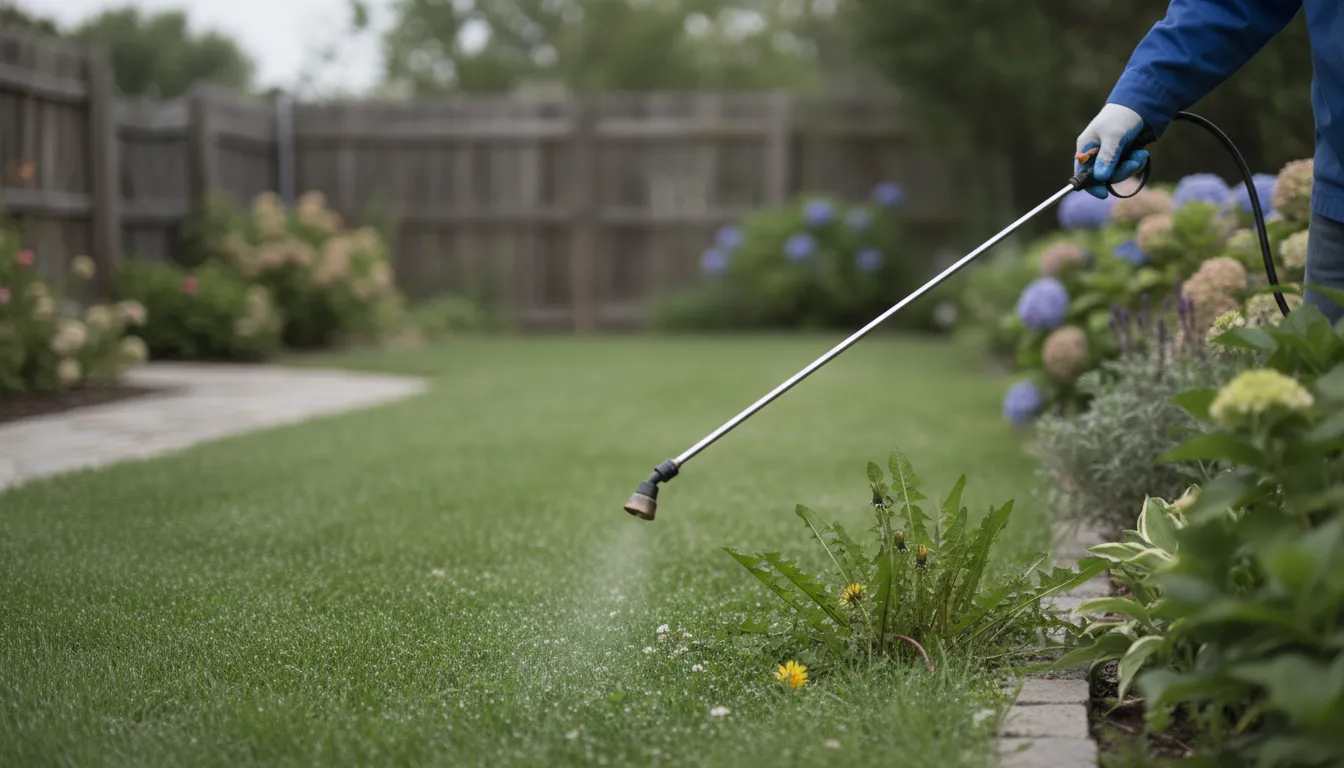
Find the Best Lawn Treatment Companies for Your Business
No obligation • Fast responses • Nationwide coverage

Why you can trust Landscape Atlas
Landscape Atlas is a leading United States resource for evaluating landscaping, lawn care, and outdoor service providers. Our team researches each category in depth, focusing on service quality, safety, and customer experience. Listings and rankings are based on independent criteria and user feedback, and companies cannot pay to influence our assessments or recommendations.
Search providers near you
Best Lawn Treatment Companies in Oklahoma Ranked
Maintaining a healthy, vibrant lawn in Oklahoma requires a strategic approach to feeding and weed management. The state's climate, with its hot summers and variable winters, supports warm-season grasses like Bermudagrass and Zoysiagrass, which have specific nutritional needs and face persistent weed pressure. A proper fertilization and weed control program strengthens your turf to withstand stress, crowd out unwanted plants, and create a resilient outdoor space. This guide outlines the essential timing, products, and considerations for Oklahoma lawns, helping you understand the process so you can effectively connect with local professionals who can implement a tailored plan for your property.
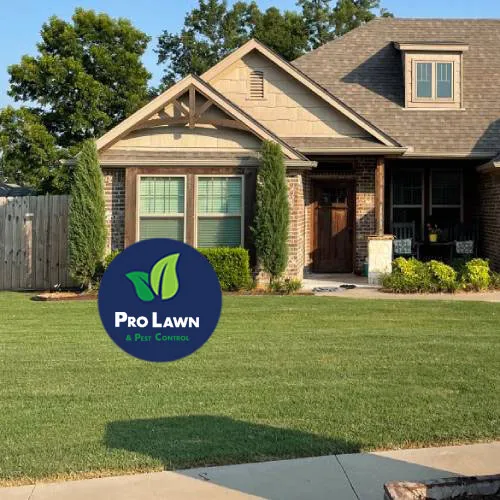
Pro Lawn & Pest Control
6935 E 38th St D, Tulsa, OK 74145
Pro Lawn & Pest Control is a family-owned lawn care and pest control company serving Tulsa, OK, and nearby areas. Since 1999, they have provided a range of services including lawn fertilization, weed control, pest management, and tree and shrub care. Their team uses modern techniques to maintain healthy lawns and protect homes from pests, offering personalized plans tailored to local climate conditions. With over 30 years of combined experience, they focus on sustainable and effective lawn care solutions.
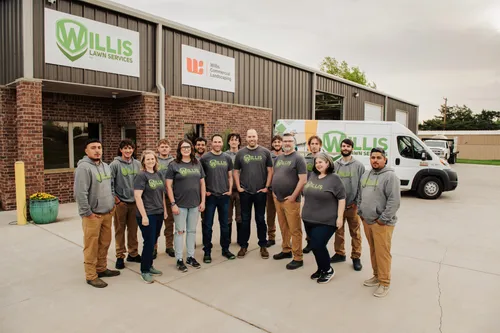
Willis Lawn Services LLC
15712 N Pennsylvania Ave Cube 3, Edmond, OK 73013
Willis Lawn Services LLC is a lawn care company serving Oklahoma City, OK, and the surrounding northern and northwest areas including Edmond, Deer Creek, and Piedmont. They specialize in lawn fertilization and weed control, focusing on Bermuda grass lawns common in this region. Their services include a signature lawn care program with weed prevention, fertilizing, and optional treatments like aeration and worm control to maintain healthy lawns through seasonal changes.
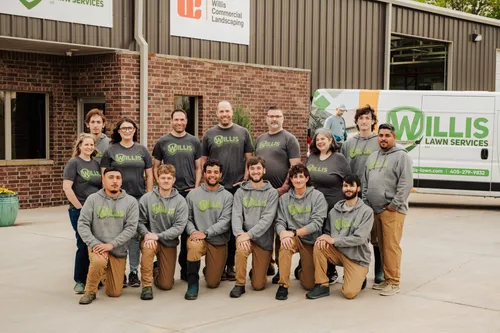
Willis Lawn Services LLC
5850 W Wilshire Blvd Suite 6, Oklahoma City, OK 73132
Willis Lawn Services LLC is a lawn care company based in Oklahoma City, OK, serving the city and surrounding suburbs including Yukon, Mustang, Warr Acres, and Bethany. Established in 2009, the company specializes in lawn fertilization and weed control, offering a signature lawn care program that includes weed prevention, fertilizing, and optional services like aeration and worm control. Their expertise addresses the challenges of maintaining healthy grass in Oklahoma's heat and drought conditions.
Tailored Lawns & Tree Services, LLC
Oklahoma City, OK
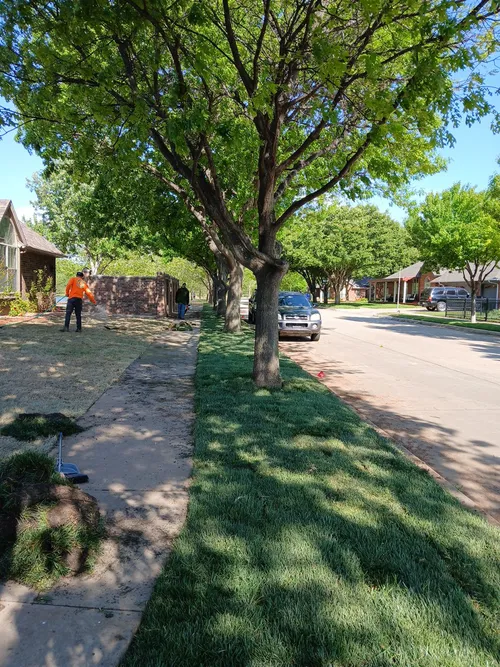
Tailored Lawns & Tree Services, LLC provides comprehensive lawn care, tree services, and landscaping solutions in Oklahoma City, OK. With over 20 years of experience since 2005, they offer services including lawn mowing, fertilization, weed control, sod installation, tree trimming, removal, and stump grinding, as well as landscape design and land clearing. Their team is knowledgeable about the local climate and soil, ensuring tailored care for both residential and commercial properties. They also provide emergency tree services following storms and maintain a focus on community beautification.
Don's Lawn & Weed Control - Norman
Oklahoma City, OK
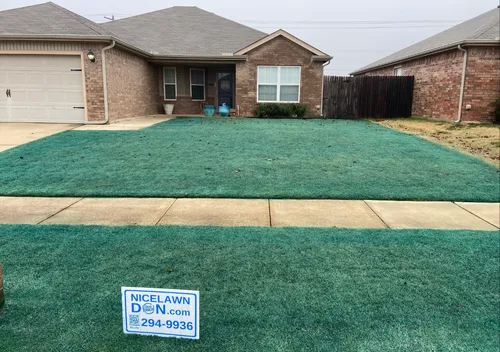
Don's Lawn & Weed Control - Norman provides specialized lawn care services in Oklahoma City, OK, focusing on maintaining healthy and vibrant lawns. Their offerings include weed control, lawn fertilization, aeration, and grub control, all tailored to the unique soil, grass types, and weather conditions of the area. They also offer a distinctive Blue Lawn service for winter weed control and aesthetic enhancement. Don's Lawn develops customized care plans based on thorough assessments and seasonal needs to ensure year-round lawn health. The company is known for its personalized approach and extensive service options.
Understanding Oklahoma's Lawn Environment
Successful lawn care starts with knowing what you're working with. Oklahoma primarily falls within the transition zone, but its climate leans heavily toward supporting warm-season turfgrasses. Bermudagrass is the most common, prized for its drought tolerance and ability to thrive in full sun. Zoysiagrass is another excellent warm-season option, offering a denser turf. These grasses grow actively during the warm months (late spring through early fall) and go dormant, turning brown, after the first hard frost. This active growth period is the critical window for fertilization and weed control. The soil types can vary from heavy clay to sandy loam, which influences water retention and nutrient availability, making a soil test a valuable first step in any lawn care plan.
The Annual Fertilization Schedule for Oklahoma Lawns
A seasonally timed fertilization schedule is the cornerstone of a healthy lawn. Feeding your grass at the right times promotes strong root development, dense growth that resists weeds, and better recovery from environmental stress.
- Late Winter to Early Spring (February - March): This is not typically a major feeding time for warm-season grasses, as they are still dormant. The focus is on weed prevention. However, a very light application of a quick-release, complete fertilizer can be applied as the grass begins to green up to support early root growth.
- Late Spring (May - June): As soil temperatures consistently reach 65-70°F and your lawn is fully green and growing, apply the first main fertilizer application. Use a product with a balanced or slow-release nitrogen formula. This fuels the rapid growth phase and helps the lawn thicken up.
- Mid-Summer (July): Apply another round of fertilizer, ideally using a slow-release nitrogen source. This provides sustained nutrition during the peak heat without causing excessive, weak growth that is susceptible to drought and disease.
- Early Fall (September): This is one of the most important feedings. Applying fertilizer in early fall encourages deep root growth and nutrient storage, which helps the lawn survive the winter and green up more quickly the following spring. Use a fertilizer that is higher in potassium (the third number in the NPK ratio) to enhance winter hardiness1.
A Strategic Weed Control Calendar
Weeds compete with your lawn for water, light, and nutrients. Controlling them involves a two-pronged approach: stopping weeds before they emerge and eliminating those that have already sprouted.
- Late Winter (February - Early March): Apply a pre-emergent herbicide when soil temperatures reach about 55°F for several consecutive days. This creates a barrier in the soil that prevents crabgrass and other summer annual weed seeds from germinating. It is also the time to control winter annual weeds like henbit and chickweed before they set seed.
- Spring (April - May): As temperatures warm, broadleaf weeds like dandelions, clover, and spurge become active. Apply a post-emergent herbicide specifically formulated for broadleaf weeds in warm-season turf. Spot-treating problem areas is often effective.
- Summer (June - August): Monitor for breakthrough summer weeds like nutsedge and spurge. Use targeted post-emergent herbicides for these specific pests. Always follow label instructions carefully, especially regarding temperature, to avoid damaging your lawn.
- Fall (September - October): Apply a second round of pre-emergent herbicide to prevent winter annual weeds like annual bluegrass (Poa annua). This fall application is crucial for maintaining a weed-free lawn through the cooler months and into the next spring 2.
Choosing the Right Products
Selecting appropriate fertilizers and herbicides is key to effectiveness and lawn safety.
Fertilizers: Look for a nitrogen-phosphorus-potassium (N-P-K) ratio suited for warm-season grasses. A common recommendation is a 3-1-2 or 4-1-2 ratio (e.g., 12-4-8 or 16-4-8). Slow-release nitrogen is highly beneficial for summer applications as it feeds the lawn gradually. Always base phosphorus and potassium applications on the results of a soil test, which can be obtained through your local county extension office.
Weed Control:
- Pre-emergent Herbicides: These are categorized by their active ingredients. Products containing dithiopyr, pendimethalin, or prodiamine are common for crabgrass prevention. For winter weeds, herbicides with ingredients like Kerb (pronamide) may be recommended3.
- Post-emergent Herbicides: Choose selective herbicides that target weeds but spare your grass. For broadleaf weeds in Bermudagrass or Zoysia, look for products containing 2,4-D, dicamba, or MCPP. For grassy weeds or sedges, different specific herbicides are required4. Always ensure the product is labeled for use on your specific type of lawn.
Find the perfect lawn treatment companies for your needs
Get personalized recommendations and expert advice
Key Considerations for Oklahoma Homeowners
- Soil Testing: Before starting any fertilization program, conduct a soil test. It reveals your soil's pH and nutrient levels, allowing you to apply only what is needed, which saves money and protects the environment5 6.
- Watering Practices: Proper irrigation is essential, especially after applying fertilizer or certain herbicides. Water deeply and infrequently to encourage deep roots. Early morning watering is best to reduce evaporation and fungal disease.
- Mowing Height: Never cut more than one-third of the grass blade at a time. For Bermudagrass, maintain a height of 1 to 2 inches; for Zoysia, 1 to 2.5 inches. Proper mowing keeps the turf dense and shades the soil, naturally suppressing weeds.
- Professional vs. DIY: A DIY approach requires knowledge, proper equipment, and time to apply products correctly. Professional lawn care services offer expertise, consistent scheduling, access to commercial-grade products, and often guarantees on their work, which can provide peace of mind and superior results 7.
Understanding Service Costs
Investing in professional lawn fertilization and weed control varies based on several factors. On a per-application basis, treatments can range from approximately $50 to $100 or more8 9. For a full annual program encompassing multiple fertilizer and weed control applications, homeowners might invest between $300 to $600 or higher8 10 11. The final cost is influenced by:
- Lawn Size: Pricing is often based on square footage or acreage.
- Condition & Weed Pressure: Lawns with severe weed infestations may require more intensive initial treatments.
- Service Scope: A basic fertilization plan costs less than a comprehensive program that includes weed control, insect control, and soil amendments.
- Property Accessibility: Easy-to-access, flat lawns are typically less expensive to service than those with slopes or many obstacles.
- Company & Location: Rates can differ between providers and in different regions of Oklahoma.
Frequently asked questions
Sources
Footnotes
-
Fertilizing Your Lawn In Oklahoma | Watson's Weed Control - https://watsonsweedcontrol.com/fertilizing-your-lawn-in-oklahoma/ ↩
-
Oklahoma Lawn Care Calendar: Monthly Tasks for Healthy Landscaping - https://turfworksok.com/oklahomas-lawncare-and-landscaping-task-calendar/ ↩
-
The Perfect Weed Control Schedule For Lawns In Oklahoma City, OK - https://weedcontrolokc.com/the-perfect-weed-control-schedule-for-lawns-in-oklahoma-city-ok/ ↩
-
Controlling Weeds in Home Lawns | Oklahoma State University - https://extension.okstate.edu/fact-sheets/controlling-weeds-in-home-lawns.html ↩
-
Lawn Management in Oklahoma - https://extension.okstate.edu/fact-sheets/lawn-management-in-oklahoma.html ↩
-
lawn-management-in-oklahoma-hla-6420. ... - https://extension.okstate.edu/fact-sheets/print-publications/hla/lawn-management-in-oklahoma-hla-6420.pdf ↩
-
Oklahoma City Lawn Fertilization & Weed Control | TurfWorks OKC - https://turfworksok.com/professional-lawn-fertilization-services-in-oklahoma/ ↩
-
How much does lawn care service cost? - Green Lawn Fertilizing - https://www.greenlawnfertilizing.com/blog/how-much-does-lawn-care-service-cost ↩ ↩2
-
Lawn Fertilization Service in Oklahoma City - Weed Free Lawns - https://www.weedfreelawns.com/lawn-fertilization-service-okc/ ↩
-
How Much Does Weed Control Cost in 2026? - LawnStarter - https://www.lawnstarter.com/blog/cost/weed-control-price/ ↩
-
How Much Does TruGreen Cost? (2026) - HomeGuide - https://homeguide.com/costs/trugreen-cost ↩