Find the Best Lawn Treatment Companies for Your Business
No obligation • Fast responses • Nationwide coverage

Why you can trust Landscape Atlas
Landscape Atlas is a leading United States resource for evaluating landscaping, lawn care, and outdoor service providers. Our team researches each category in depth, focusing on service quality, safety, and customer experience. Listings and rankings are based on independent criteria and user feedback, and companies cannot pay to influence our assessments or recommendations.
Search providers near you
Top Lawn Treatment Companies in Tulsa, Oklahoma Ranked
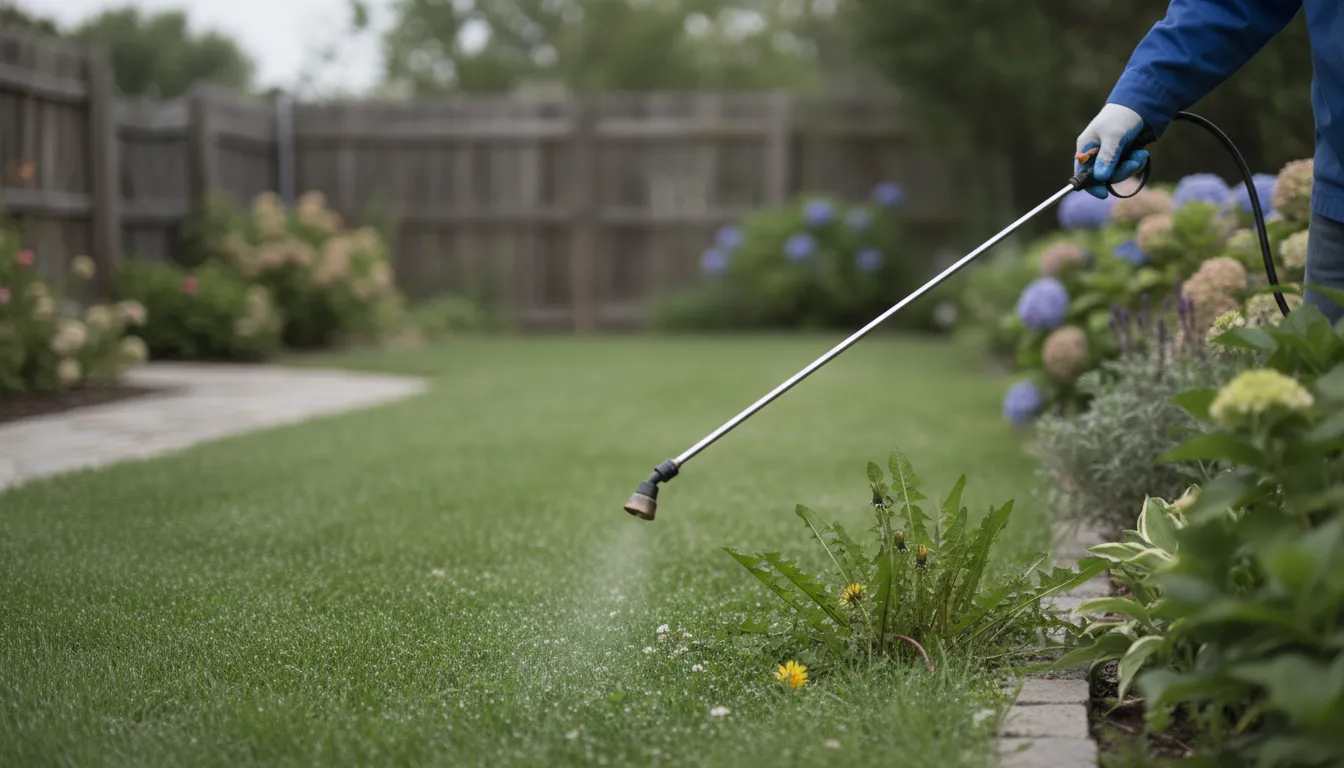
A healthy, vibrant lawn in Tulsa requires a strategic approach to feeding and weed management. Lawn fertilization provides the essential nutrients your grass needs to grow thick and resilient, while targeted weed control prevents invasive plants from competing for resources and spoiling your yard's appearance. This guide explains the local lawn care schedule, common grass types, and typical service programs to help you understand your options for maintaining a beautiful green space.
Pro Lawn & Pest Control
6935 E 38th St D, Tulsa, OK 74145
Pro Lawn & Pest Control is a family-owned lawn care and pest control company serving Tulsa, OK, and nearby areas. Since 1999, they have provided a range of services including lawn fertilization, weed control, pest management, and tree and shrub care. Their team uses modern techniques to maintain healthy lawns and protect homes from pests, offering personalized plans tailored to local climate conditions. With over 30 years of combined experience, they focus on sustainable and effective lawn care solutions.
Leamy Lawn & Landscape
18269 S 4150 Rd, Claremore, OK 74017
Leamy Lawn & Landscape is a landscaping company based in Tulsa, OK, serving both commercial and residential clients across Northeast Oklahoma. Since 2017, they have provided a range of lawn care and landscaping services including lawn mowing, fertilization, weed control, landscape design, hardscaping, and landscape lighting installation. The company emphasizes creating and maintaining outdoor spaces that enhance curb appeal and property value, with expertise in fertilization treatments tailored to local soil and weather conditions. Their offerings also include commercial grounds maintenance, outdoor living areas, patios, and seasonal services like snow removal.

GreenPro Landscape and Design
7374 W 51st St, Tulsa, OK 74107
GreenPro Landscape and Design is a full-service landscaping company based in Tulsa, OK. They offer a wide range of services including landscape design, lawn fertilization and weed control, sprinkler installation and repair, yard drainage solutions, outdoor lighting installation, and hardscaping such as patios and retaining walls. Their team works closely with clients to create detailed landscape designs that consider property grading, elevations, and personal preferences. GreenPro uses premium materials and skilled workers to build and maintain outdoor spaces that last for decades.
Lawn Guard
2660 N Florence Ave, Tulsa, OK 74110
Lawn Guard is a locally owned and operated lawn care and landscape design company based in Tulsa, OK. They offer lawn fertilization, weed control, and comprehensive lawn care services. Serving Tulsa and the surrounding areas, Lawn Guard has been providing professional lawn care solutions since 1985. Their team includes licensed and experienced specialists who manage all aspects of lawn maintenance and landscape design.
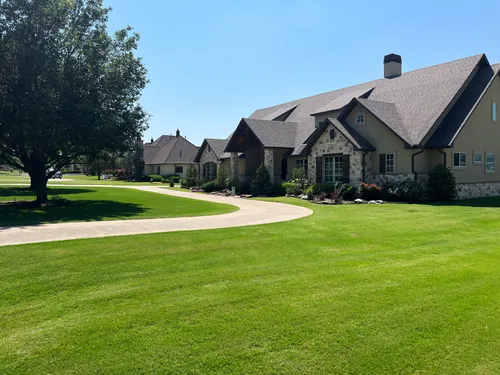
Well Done Lawns
3920 W 91st St S, Tulsa, OK 74132
Well Done Lawns is a lawn care company based in Tulsa, OK, offering comprehensive services including lawn mowing, fertilization, weed control, edging, leaf removal, gutter cleaning, aeration, seeding, and snow removal. They focus on maintaining healthy and attractive lawns year-round with attention to detail and customer preferences. Their team provides customizable weed control and seasonal lawn maintenance to keep properties looking their best. Well Done Lawns offers a free quote and a discounted first service to new customers.
Understanding Tulsa's Primary Grass Types
The foundation of any effective lawn care program is knowing what type of grass you have. Tulsa's climate supports both warm-season and cool-season grasses, each with distinct needs.
Warm-Season Grasses: These varieties thrive in the heat of an Oklahoma summer and go dormant (turn brown) after the first hard frost. They are the most common grasses found in Tulsa lawns.
- Bermudagrass: Known for its durability, drought tolerance, and aggressive growth habit. It recovers well from damage and spreads through both rhizomes and stolons.
- Zoysiagrass: A denser, slower-growing grass that forms a thick, carpet-like turf. It's more shade-tolerant than Bermuda and offers excellent weed resistance once established.
- Buffalograss: A native grass prized for its extreme drought tolerance and low maintenance requirements. It forms a fine-textured, blue-green lawn.
Cool-Season Grass:
- Tall Fescue: This is the primary cool-season grass for Tulsa. It stays green longer into the fall and winter but can struggle in the peak summer heat, often requiring overseeding in the fall to maintain density 1.
Many Tulsa lawns are a mix, and some homeowners overseed their warm-season Bermuda with ryegrass in the fall for winter color. Your fertilization and weed control schedule will be tailored to your specific grass type for the best results.
The Tulsa Lawn Care Calendar: A Seasonal Guide
A proactive, season-by-season approach is key to lawn health. Here's a breakdown of typical fertilization and weed control activities throughout the year in the Tulsa area.
Early Spring (March - April)
This is a critical window for setting up your lawn for success. The focus is on preventing weeds before they start and giving the grass its first nutrient boost as it breaks dormancy.
- Pre-Emergent Weed Control: Applying a pre-emergent herbicide is the most effective way to prevent crabgrass and other summer annual weeds from germinating. Timing is crucial-just before soil temperatures consistently reach 55°F.
- First Fertilization: A light, balanced fertilizer application encourages green-up and strong root development as growing conditions improve.
Late Spring to Early Summer (May - June)
As growth accelerates, the lawn needs sustained nutrition and may require treatment for weeds that have emerged.
- Fertilization: Warm-season grasses like Bermuda and Zoysia benefit from a nitrogen-rich feeding to support vigorous growth.
- Post-Emergent Weed Control: Spot treatments or broad applications target visible weeds like dandelion, clover, and spurge that escaped the pre-emergent barrier.
Summer (July - August)
The goal shifts to maintaining health and color through the stress of heat and potential drought.
- Balanced Fertilization: Continued feeding supports the lawn, but formulations may be adjusted to avoid pushing excessive growth during the hottest weeks.
- Spot Control: Monitoring for insect issues (like chinch bugs) and spot-treating any breakthrough weeds is common during this period.
Early Fall (September - October)
This is arguably the most important season for lawn care in Tulsa, especially for cool-season fescue.
- Aeration & Overseeding (Fescue/Bermuda): For fescue lawns, core aeration and overseeding are essential to repair summer damage and thicken the turf. Bermuda lawns can also be overseeded with ryegrass for winter color.
- Key Fertilization: Warm-season grasses get a final feeding to recover from summer and store energy for dormancy. Fescue lawns receive important nutrients to support root growth and winter hardiness.
- Fall Pre-Emergent: Applying a pre-emergent now targets winter annual weeds like henbit and chickweed, preventing them from taking hold.
Late Fall & Winter (November - February)
Lawn care doesn't stop when the grass turns brown.
- Dormant Feeding: A winterizer fertilizer, high in potassium, is applied to promote root health and improve the lawn's resilience against cold and disease.
- Winter Weed Prevention: Ongoing monitoring and treatment can keep winter weeds at bay, giving your lawn a clean start in the spring 2.
Find the perfect lawn treatment companies for your needs
Get personalized recommendations and expert advice
What to Expect from Professional Service Programs
Most professional lawn care providers in Tulsa offer comprehensive programs that bundle fertilization and weed control into a seasonal plan. These are designed to automate the timing and application of necessary products.
Typical Program Structure: A full-season program usually includes between 4 and 8 scheduled visits from early spring through late fall. Each visit combines the appropriate fertilizer blend with the necessary pre- or post-emergent herbicides for that time of year. The best programs are customized, starting with an analysis of your soil, grass type, and specific weed pressures.
Common Add-On Services: To address all aspects of lawn health, these core services are often paired with:
- Core Aeration: Relieves soil compaction, allowing water, air, and nutrients to reach the root zone. Highly recommended for fescue lawns in the fall 3.
- Grub & Insect Control: Targeted treatments to prevent or eliminate damaging lawn insects.
- Disease Control: Fungicide applications to combat common turf diseases in humid conditions.
- Lime or Soil Amendment Applications: Based on soil test results to correct pH imbalances.
Understanding Investment and Value
The cost of professional lawn fertilization and weed control in Tulsa varies based on the size of your lawn, the complexity of the program, and the service provider.
Pricing Models:
- Per-Application Cost: Individual treatments for weed control and fertilization typically range from $50 to $150 per service.
- Annual Program Cost: Bundling services into a seasonal plan is often more economical. For a standard residential lot:
- Small Lot (under ¼ acre): Annual programs often range from $300 to $600+ for a basic plan.
- Medium Lot (¼ to ½ acre): Expect to invest $600 to $1,200+ for a comprehensive annual program 4.
The value of a professional program lies in the expertise, proper timing, high-quality commercial-grade products, and consistent results that can be difficult to achieve with DIY store-bought solutions.
Key Considerations for Tulsa Homeowners
- Grass Type Dictates Schedule: Never fertilize warm-season grass too early in spring while it's still dormant, and avoid heavy nitrogen feeding for fescue in the peak summer heat. A program must be tailored to your turf 7 8.
- Soil Health is Fundamental: Fertilizer is only effective if the soil can utilize it. Compacted soil or incorrect pH can lock up nutrients. Discuss soil testing with your provider 9.
- Weed Control is Proactive, Not Just Reactive: The most cost-effective and successful strategy relies heavily on well-timed pre-emergent applications in spring and fall to stop weeds before you ever see them 10 11.
- Watering Practices Matter: Even the best fertilizer program can fail with improper watering. Professionals can provide guidance on optimal watering schedules to complement your treatment plan.
- Look for Customization: The best results come from a plan that considers your lawn's unique conditions-sun exposure, thatch layer, irrigation coverage, and past issues.
Frequently asked questions
Sources
Footnotes
-
Lawn Treatment in Tulsa, OK | Fertilization & Weed Control - https://fairwaylawns.com/location/tulsa-ok/lawn-treatment-in-tulsa-ok/ ↩
-
Winter Lawn Treatment in Tulsa, OK | Fertilization & Weed Control ... - https://fairwaylawns.com/location/tulsa-ok/winter-lawn-treatment-in-tulsa-ok/ ↩
-
Fall Lawn Treatment in Tulsa, OK | Aeration, Overseeding & Weed ... - https://fairwaylawns.com/location/tulsa-ok/fall-lawn-treatment-in-tulsa-ok/ ↩
-
Lawn Weed Control Services in Tulsa, OK - https://perfectturflawn.com/service-areas/tulsa-ok/lawn-weed-control-services/ ↩
-
Pricing - Pro Lawn and Pest Control - https://prolawnlandscape.net/pricing/ ↩
-
How much does lawn care service cost? - Green Lawn Fertilizing - https://www.greenlawnfertilizing.com/blog/how-much-does-lawn-care-service-cost ↩
-
Lawn Care in Tulsa, OK from $55 | 6000+ 5-Star Reviews - https://www.getsunday.com/local-guide/lawn-care-in-tulsa-ok ↩
-
When to Fertilize Your Oklahoma Lawn - https://lawnlove.com/blog/when-to-fertilize-lawn-oklahoma/ ↩
-
Lawn Care Services in Tulsa, OK - RYAN Lawn & Tree - https://ryanlawn.com/tulsa-lawn-care/ ↩
-
Our 2024 Tulsa Lawn Care Schedule - https://greengroupok.com/blog/our-2024-tulsa-lawn-care-schedule/ ↩
-
Weed Control & Fertilization - Superior Lawn Tulsa - https://superiorlawntulsa.com/services/weed-control-fertilization/ ↩