Find the Best Lawn Treatment Companies for Your Business
No obligation • Fast responses • Nationwide coverage

Why you can trust Landscape Atlas
Landscape Atlas is a leading United States resource for evaluating landscaping, lawn care, and outdoor service providers. Our team researches each category in depth, focusing on service quality, safety, and customer experience. Listings and rankings are based on independent criteria and user feedback, and companies cannot pay to influence our assessments or recommendations.
Search providers near you
Best Lawn Treatment Companies in New Hampshire Ranked
A healthy, vibrant lawn in New Hampshire requires a targeted approach to feeding and weed management. Lawn fertilization provides essential nutrients for strong root development and dense growth, while effective weed control prevents invasive plants from competing for resources. This guide explains the seasonal strategies, product choices, and practical considerations for maintaining your lawn, helping you connect with local expertise for a greener, more resilient yard.
Understanding New Hampshire's Lawn Environment
New Hampshire's climate presents a unique set of challenges and opportunities for lawn care. The state is firmly in the cool-season grass zone, with common turf types including Kentucky bluegrass, perennial ryegrass, and fine fescues. These grasses thrive in the cooler temperatures of spring and fall but can struggle during the heat and potential drought of summer. This growth pattern dictates a fertilization schedule focused on these peak growing periods, not the summer months.
Furthermore, New Hampshire has specific environmental regulations to protect its waterways. State law restricts the use of phosphorus in lawn fertilizers unless a soil test confirms a deficiency 1. This means most standard fertilizer bags you purchase should have a low or zero middle number in the N-P-K ratio (e.g., 24-0-6). Understanding these local conditions is the first step toward effective and responsible lawn care.
The Essential Seasonal Schedule for New Hampshire Lawns
Adhering to a calendar-based plan is the most effective way to achieve a healthy lawn. This schedule aligns treatments with the natural growth cycles of cool-season grasses.
Early Spring (Late March - April)
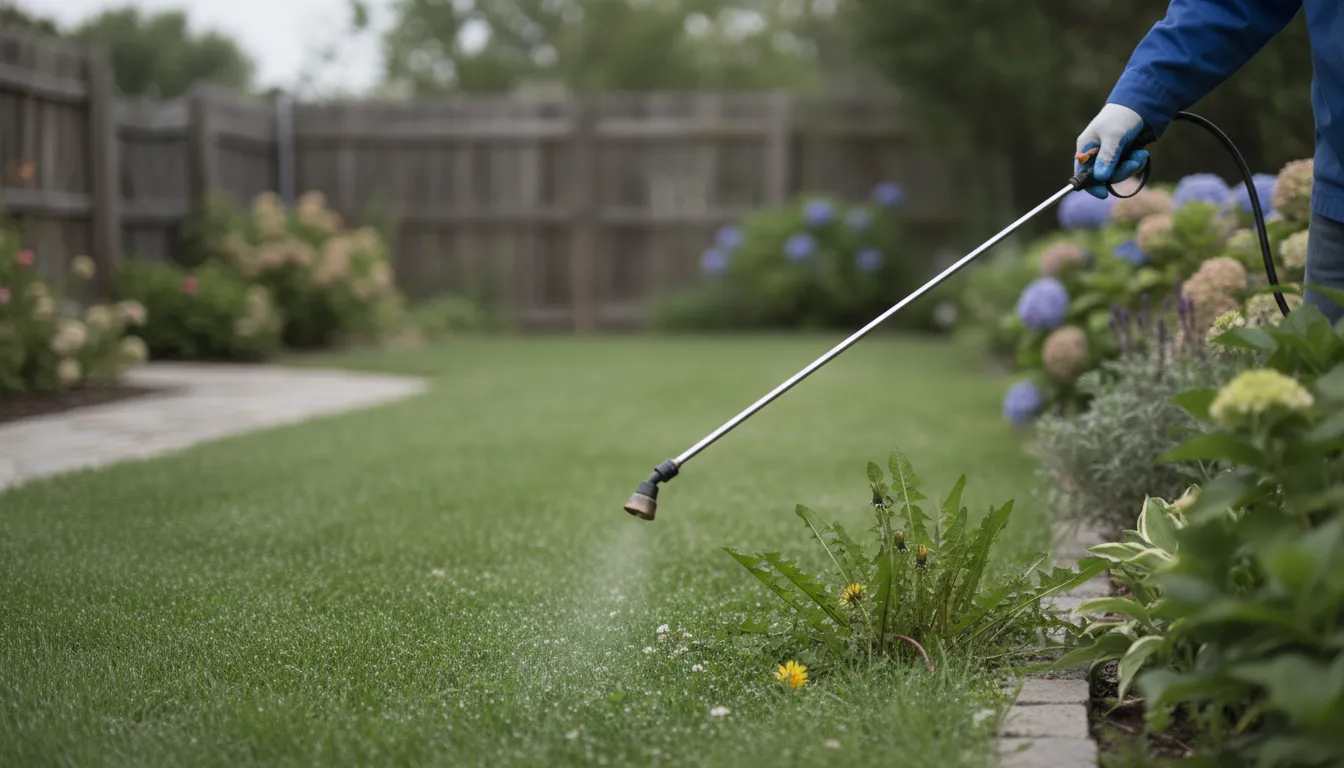
As the snow melts and the soil becomes workable, it's time for the first critical application. The primary goals are to encourage green-up and prevent crabgrass. Apply a slow-release nitrogen fertilizer combined with a crabgrass pre-emergent herbicide. This is also an excellent time to spot-treat emerging broadleaf weeds like dandelions. Aeration can be beneficial if soil compaction is an issue 2.
Late Spring to Early Summer (May - June)
A second application of slow-release fertilizer helps sustain growth into early summer. This treatment often pairs well with a broadleaf weed control product to manage dandelions, clover, and other common pests. This period is also the ideal window for applying preventative grub control if needed 3.
Summer (July - August)
Fertilization is generally not recommended during the peak of summer. Applying high-nitrogen fertilizer can stress the grass, making it more susceptible to heat damage and disease. The focus should shift to proper mowing (keeping blades high) and adequate watering. If the lawn loses its green color, an iron supplement can provide a cosmetic boost without forcing excessive growth 4.
Early Fall (September)
This is arguably the most important time to fertilize your New Hampshire lawn. A significant application of fertilizer helps the grass recover from summer stress and directs energy toward developing a deep, strong root system. This fall feeding builds reserves for a healthy start next spring. Early fall is also the perfect time for core aeration and overseeding to repair thin areas 5 6.
Late Fall (October - November)
The final application of the year, often called a "winterizer," should be applied as the grass growth slows but before the ground freezes. This fertilizer is typically higher in potassium, which helps improve the grass's winter hardiness and disease resistance. It fortifies the lawn for dormancy and promotes a quicker green-up the following spring 7 8.
Find the perfect lawn treatment companies for your needs
Get personalized recommendations and expert advice
Choosing the Right Products and Methods
Selecting appropriate fertilizers and herbicides is crucial for success and environmental stewardship.
Fertilizer Types: For most homeowners, slow-release granular fertilizers are the best choice. They provide a steady supply of nutrients over several weeks, promoting even growth and reducing the risk of nutrient runoff into waterways. Look for products containing slow-release nitrogen sources like MESA, Methylene Urea, or polymer-coated urea (e.g., SCU, XCU) 9.
Weed Control Strategies:
- Pre-emergent Herbicides: These products, such as those containing prodiamine, create a barrier in the soil that prevents weed seeds (primarily crabgrass) from germinating. Timing is critical-apply in early spring before soil temperatures consistently reach 55°F 10 11.
- Post-emergent Herbicides: These are used to kill existing weeds. Selective herbicides target specific weeds like dandelions without harming grass, while non-selective options (like glyphosate) kill any plant they contact and are for spot treatment or renovation.
- Combination Products: "Weed and Feed" products offer convenience by combining fertilizer and broadleaf weed control in one application. They can be effective for late spring treatments when both feeding and weed control are needed 12.
Soil Testing: Before starting any program, a soil test through the University of New Hampshire Cooperative Extension is a wise investment. It will provide definitive answers about your soil's pH and nutrient levels, taking the guesswork out of fertilizer selection and lime applications 13.
Professional Service vs. DIY: Costs and Considerations
The choice between hiring a professional and doing it yourself depends on your budget, time, and desired level of involvement.
Professional Lawn Care Services: Hiring a professional brings expertise, convenience, and access to commercial-grade products. A pro will correctly diagnose issues, apply treatments with precise timing, and handle all the labor.
- Cost: Professional lawn fertilization and weed control services in New Hampshire typically range from $50 to $200+ per application for an average-sized lawn (5,000-10,000 sq ft). An annual program with 4-6 seasonal applications can cost between $250 and $1,000+ 14.
- Benefits: Time savings, expert knowledge, consistent results, and often guaranteed service.
DIY Lawn Care: The DIY route offers significant cost savings and full control over every product applied to your lawn.
- Cost: The annual product cost for fertilizer and weed control can often be under $100 for a basic program. This requires an initial investment in equipment like a broadcast spreader, sprayer, and personal protective gear 15 16.
- Benefits: Lower cost, personal satisfaction, and complete oversight of the materials used. The main requirements are a willingness to learn, time for application, and proper storage of products.
Best Practices for a Healthier Lawn
Beyond fertilization and weed control, several cultural practices contribute to a lawn that can better resist weeds and stress.
- Mow High: Keep your mower blade sharp and set to a height of 3 to 3.5 inches. Taller grass shades the soil, conserves moisture, and outcompetes many weed seeds.
- Water Deeply and Infrequently: Provide about 1 inch of water per week, including rainfall. Watering deeply encourages deeper roots. Early morning is the best time to water.
- Leave Clippings: Grass clippings decompose quickly and return valuable nutrients to the soil, acting as a natural, mild fertilizer.
- Aerate Annually: Core aeration relieves soil compaction, improves water and nutrient penetration, and enhances root growth. Fall is the ideal time for this in New Hampshire.
- Overseed: Regularly overseeding in the fall introduces new, robust grass plants to fill in thin spots, creating a denser turf that naturally resists weed invasion.
Frequently asked questions
Sources
Footnotes
-
April 2025: With Great Fertilizer Comes Great Responsibility | NH ... ↩
-
Lawn Care Tips: Month by Month | Lawns of Southern New ... ↩
-
The Best Fall Lawn Fertilizers & Food For Cool Season Grasses ↩
-
Lawn Care Tips: Month by Month | Lawns of Southern New ... ↩
-
How much is a typical monthly bill for hiring lawn care services? ↩
-
average cost of lawn fertilization service: 7 Best 2025 Wins ↩
-
Average cost for weed and fertilizer treatments on a residential lot? ↩