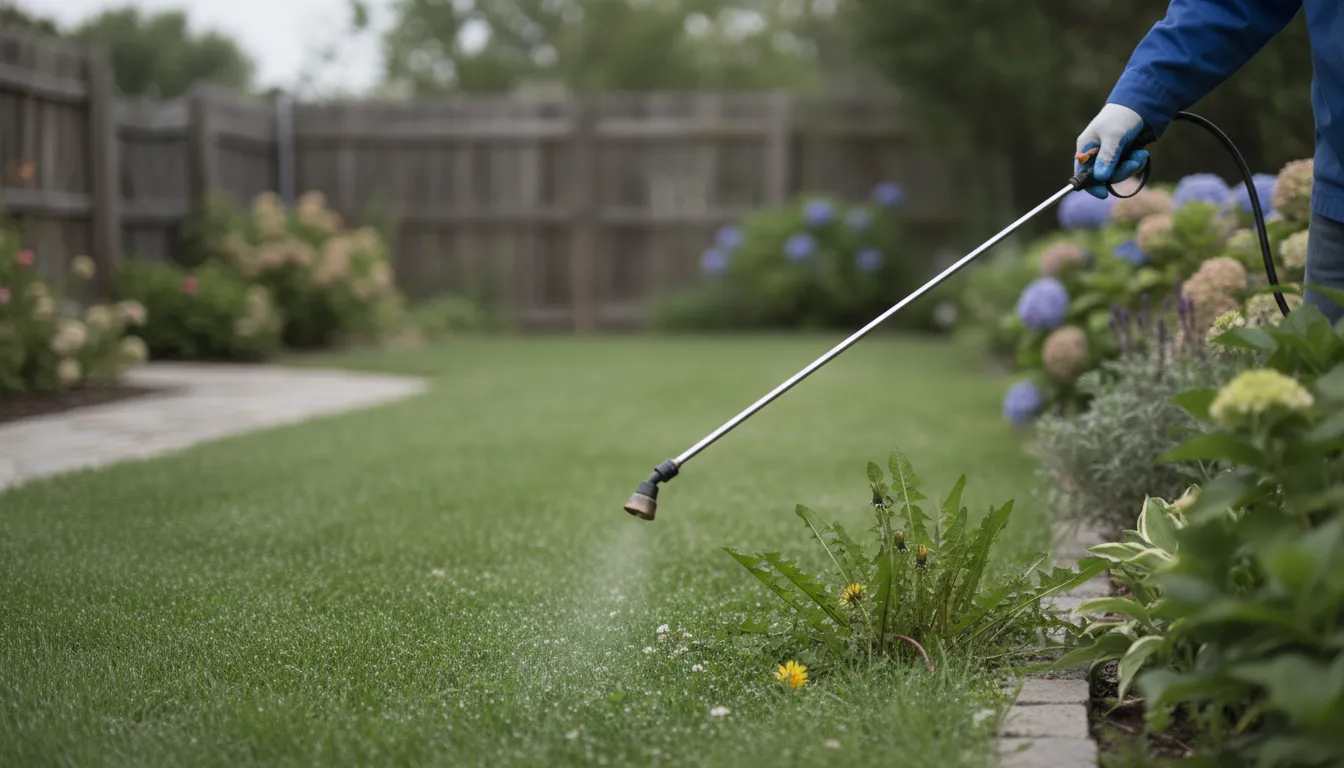
Find the Best Lawn Treatment Companies for Your Business
No obligation • Fast responses • Nationwide coverage

Why you can trust Landscape Atlas
Landscape Atlas is a leading United States resource for evaluating landscaping, lawn care, and outdoor service providers. Our team researches each category in depth, focusing on service quality, safety, and customer experience. Listings and rankings are based on independent criteria and user feedback, and companies cannot pay to influence our assessments or recommendations.
Search providers near you
Best Lawn Treatment Companies in Wisconsin Ranked
Maintaining a healthy, vibrant lawn in Wisconsin requires a strategic approach tailored to the state's distinct seasons and cool-season grasses. Professional lawn fertilization and weed control services provide the expertise and timing necessary to build a resilient turf that can withstand Midwestern weather, from summer heat to harsh winters. This guide outlines the essential practices, schedules, and considerations for effective lawn care in Wisconsin, helping you understand the process and connect with local specialists who can develop a customized plan for your property.
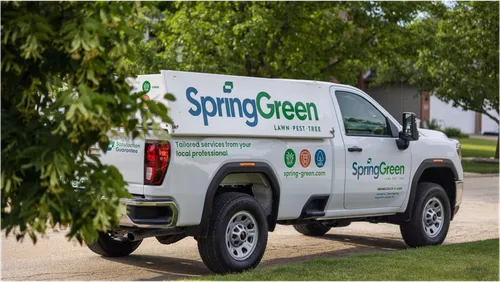
Spring Green
5355 S 9th St, Milwaukee, WI 53221
Spring Green is a locally owned and operated lawn care and tree service company based in Milwaukee, WI. Since 2003, they have provided tailored lawn fertilization, weed control, pest management, and tree care services to Milwaukee and nearby communities including Cudahy, Burlington, and Mukwonago. Their offerings include core aeration, grub control, mosquito and tick control, total lawn insect control, and seeding with grass varieties suited for Wisconsin lawns. Spring Green focuses on maintaining healthy, pest-free lawns and landscapes in the Milwaukee area.
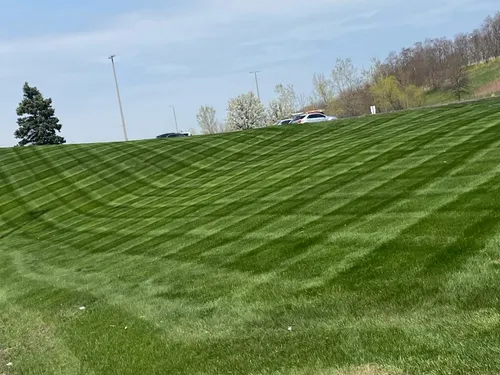
ALCS Lawn Care
656 S 94th St, West Allis, WI 53214
ALCS Lawn Care is a locally owned and operated lawn care company serving Milwaukee, WI. Established in 2000, the company offers lawn fertilization, weed control, and general lawn care services. Their technicians are State Certified and include a Horticulturist on staff who evaluates lawns for insect and disease issues during each visit. ALCS Lawn Care uses golf course quality products to maintain healthy and attractive turf.
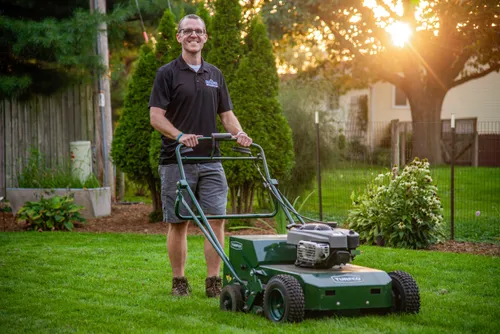
Aeration Pros Lawn Care LLC
Madison, WI
Aeration Pros Lawn Care LLC is a lawn care company based in Madison, WI, specializing in lawn aeration and comprehensive lawn renovation services. Their offerings include aeration to improve soil structure and nutrient absorption, overseeding with premium grass varieties, and the application of starter fertilizer and soil conditioner to promote healthy, resilient turf. The company focuses on enhancing lawn vitality through precise aeration techniques and tailored lawn care solutions.
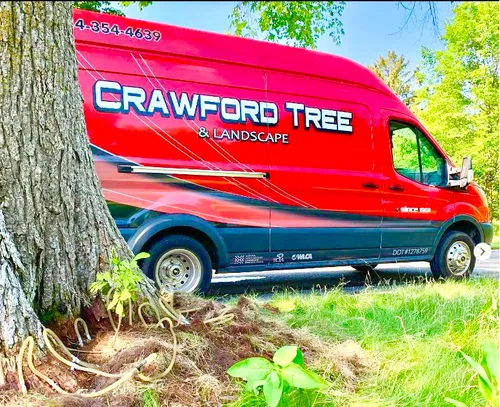
Crawford Tree & Landscape Services, Inc.
8760 W Calumet Rd, Milwaukee, WI 53224
Crawford Tree & Landscape Services, Inc. is a full-service tree and landscape care company based in Milwaukee, WI. They offer a wide range of services including tree risk assessment, removal, pruning, shrub trimming, lawn mowing, landscaping, grading, drainage solutions, and hardscape installation. Their plant health care services include disease management, pest control, fertilization, and specialized treatments such as Emerald Ash Borer protection. Established in 1969, Crawford Tree & Landscape Services provides 24/7 availability for urgent needs and uses advanced equipment to ensure safe and efficient operations.

Western Landscape LLC
6880 County Rd M, Verona, WI 53593
Western Landscape LLC is a full-service lawn care and landscaping company based in Madison, WI. Founded by brothers Sam and Elijah, the company offers a wide range of services including lawn mowing, fertilization, weed control, landscape design, hardscaping, snow removal, and luxury vinyl plank installation for both residential and commercial properties. They are known for transforming outdoor spaces into attractive and functional areas, serving Madison and the surrounding communities.
Understanding Wisconsin's Lawn Care Climate
Wisconsin's climate presents unique challenges and opportunities for lawn health. The state is firmly in the cool-season grass zone, with Kentucky bluegrass, perennial ryegrass, and fine fescues being the most common turf types. These grasses thrive during the cooler temperatures of spring and fall, entering a period of dormancy or slowed growth during the peak summer heat. This growth cycle dictates the entire fertilization and weed management schedule. Furthermore, Wisconsin's varied soil types, from sandy soils in central regions to heavier clay soils in the southeast, can affect nutrient retention and water drainage, making soil testing a valuable first step. Effective lawn nutrition and weed suppression here are not just about applying products; they're about working with the natural seasonal rhythms to encourage deep root growth and crowd out invasive weeds naturally.
The Essential Annual Fertilization Schedule
A well-timed feeding schedule is the cornerstone of a healthy Wisconsin lawn. The goal is to provide nutrients when the grass can use them most effectively for growth and root development, not just to force green color.
- Early Spring (Late March - Mid-April): The first application should be light, using a slow-release nitrogen fertilizer to encourage gentle greening. This is also the critical window for applying a pre-emergent herbicide to prevent crabgrass, which germinates when soil temperatures reach 55-60°F 1. Fertilizing too heavily in early spring can promote excessive top growth at the expense of roots, making the lawn more vulnerable to summer stress.
- Late Spring (Late May - Early June): A second application with a balanced, slow-release fertilizer helps sustain growth and strengthen the grass before the summer heat arrives. This feeding supports the lawn's energy reserves.
- Summer (July - August): Fertilization should be minimal or avoided on non-irrigated lawns during peak heat to prevent burning and disease. If the lawn needs a boost, a light application of a product high in potassium or an organic fertilizer can improve stress tolerance without forcing a growth spurt.
- Early Fall (September 1-15): This is the single most important fertilization of the year. Applying a nitrogen-rich, slow-release fertilizer (about 1 pound of nitrogen per 1,000 square feet) promotes vigorous root growth and builds carbohydrate reserves. This fall feeding is crucial for winter hardiness and ensures a quicker, healthier green-up the following spring.
Selecting the Right Fertilizers and Herbicides
Choosing the correct products is as important as timing. For Wisconsin lawns, slow-release granular fertilizers are highly recommended over quick-release synthetic types 2 3. Slow-release formulas provide a steady supply of nutrients over several weeks, reducing the risk of runoff into waterways and preventing the "feast-or-famine" cycle that can stress grass.
Look for the three-number NPK ratio on the bag (Nitrogen-Phosphorus-Potassium). For established lawns, a nitrogen-focused blend like 24-0-10 or 20-5-10 is common, as many Wisconsin soils have adequate phosphorus 4. A soil test, available through county extension offices, is the only way to know your lawn's exact nutrient needs.
For weed control, strategy depends on the weed type:
- Pre-emergent Herbicides: Applied in early spring, these products create a barrier in the soil that prevents weed seeds (like crabgrass and foxtail) from sprouting.
- Post-emergent Herbicides: These are used to kill existing weeds. Fall is the ideal time to treat perennial broadleaf weeds like dandelions and clover, as they are actively moving nutrients down to their roots, carrying the herbicide with them 5 6.
- Organic Options: Corn gluten meal is a natural pre-emergent herbicide and mild fertilizer, typically applied in mid-April and again around Labor Day 7. For post-emergent control, products containing iron (iron HEDTA) or acetic acid (vinegar) can be effective for spot treatment.
Find the perfect lawn treatment companies for your needs
Get personalized recommendations and expert advice
The Professional Service Advantage
While DIY lawn care is an option, professional services offer significant advantages, particularly for consistent, long-term results. Experts bring knowledge of local conditions, access to commercial-grade products, and precise application equipment. They can accurately diagnose issues like soil compaction, pH imbalance, or specific weed pressures that go beyond standard feeding.
A typical professional program in Wisconsin involves 3 to 4 annual applications, with the core treatments focused on spring and fall 8 9. Many companies offer bundled annual programs that include fertilization, weed control, and sometimes aeration or insect control, which often provides better value than one-off treatments.
Cost Considerations for Lawn Care Services
Investing in professional lawn fertilization and weed control is an investment in your property's curb appeal and long-term health. Costs in Wisconsin vary based on lawn size, location, service frequency, and the specific program components.
For a typical residential lawn, you can expect the following approximate cost ranges:
- Per-Visit Fertilization: $65 - $100
- Per-Visit Weed Control: $50 - $125
- Combined "Weed & Feed" Visit: $60 - $185
- Annual Program (4-6 applications): $250 - $600 10 11
These programs typically offer cost savings compared to scheduling individual services and ensure your lawn receives care at the optimal times. For comparison, the DIY material cost for a bag of synthetic fertilizer covering 2,000-5,000 square feet is typically $15-$40 12, not including the cost of equipment or herbicides.
Integrating Core Aeration and Soil Health
Fertilization and weed control are most effective when combined with core cultural practices. Core aeration is highly beneficial for most Wisconsin lawns, especially those on clay soil or with high foot traffic. This process removes small plugs of soil, alleviating compaction and allowing air, water, and nutrients to reach the root zone more effectively. For best results, aerate in the early fall, followed by fertilization and overseeding if needed 13 14. This sequence ensures new grass seeds have direct contact with soil and access to the fresh nutrients from the fall fertilizer application.
Building a Resilient, Low-Maintenance Lawn
Ultimately, the goal of a sound fertilization and weed control plan is to cultivate a thick, dense turf that naturally resists weeds, pests, and disease. This involves more than just chemical inputs. Proper mowing (keeping grass at 3-3.5 inches), sensible watering (deep and infrequent), and addressing soil health through aeration and organic amendments all contribute to a resilient lawn. By partnering with a knowledgeable local provider who understands the nuances of Wisconsin's climate, you can develop a proactive plan that keeps your outdoor space healthy and beautiful throughout the year.
Frequently asked questions
Sources
Footnotes
-
Lawn Fertilization Schedule SE Wisconsin: A Green Guide - https://lawncarekenosha.org/lawn-fertilization-schedule-kenosha-wi/ ↩
-
Lawn Fertilization Schedule SE Wisconsin: A Green Guide - https://lawncarekenosha.org/lawn-fertilization-schedule-kenosha-wi/ ↩
-
Lawn maintenance - Wisconsin Horticulture - https://hort.extension.wisc.edu/files/2023/10/A3435-Lawn-Maintenance-Doug-Soldat-Paul-Koch-and-John-Stier.pdf ↩
-
Wisconsin Yard & Garden: Spring lawn fertilizing guidelines - https://wausaupilotandreview.com/2025/04/27/wisconsin-yard-garden-spring-lawn-fertilizing-guidelines/ ↩
-
Lawn Fertilization Schedule for Southeast Wisconsin - https://corbinlawncare.com/lawn-fertilization-schedule-for-southeast-wisconsin/ ↩
-
Wisconsin & Minnesota Lawn Care Schedule - https://www.stcroixlawnmaintenance.com/post/wisconsin-minnesota-lawn-care-schedule ↩
-
Natural Lawn Care Tips & Calendar - for Southern Wisconsin - https://www.ci.brookfield.wi.us/DocumentCenter/View/1425/HealthyLawnCareTips_Calendar?bidId= ↩
-
Wisconsin Lawn Care Calendar - https://hort.extension.wisc.edu/articles/wisconsin-lawn-care-calender/ ↩
-
A Complete Fertilization Schedule For Wisconsin Lawns - https://www.brantslawncare.com/a-complete-fertilization-schedule-for-wisconsin-lawns/ ↩
-
average cost of lawn fertilization service: 7 Best 2025 Wins - https://ajmgrounds.com/average-cost-of-lawn-fertilization-service/ ↩
-
How much does lawn care service cost? - https://www.greenlawnfertilizing.com/blog/how-much-does-lawn-care-service-cost ↩
-
How Much Does It Cost to Fertilize a Lawn? (2026) - HomeGuide - https://homeguide.com/costs/lawn-fertilizer-service-cost ↩
-
Lawn Maintenance - Wisconsin Horticulture - https://hort.extension.wisc.edu/articles/lawn-maintenance/ ↩
-
Lawn Care Tips - The Bruce Company - Middleton WI - https://www.brucecompany.com/lawn-care-tips/ ↩