Find the Best Lawn Treatment Companies for Your Business
No obligation • Fast responses • Nationwide coverage

Why you can trust Landscape Atlas
Landscape Atlas is a leading United States resource for evaluating landscaping, lawn care, and outdoor service providers. Our team researches each category in depth, focusing on service quality, safety, and customer experience. Listings and rankings are based on independent criteria and user feedback, and companies cannot pay to influence our assessments or recommendations.
Search providers near you
Top Lawn Treatment Companies in Madison, Wisconsin Ranked
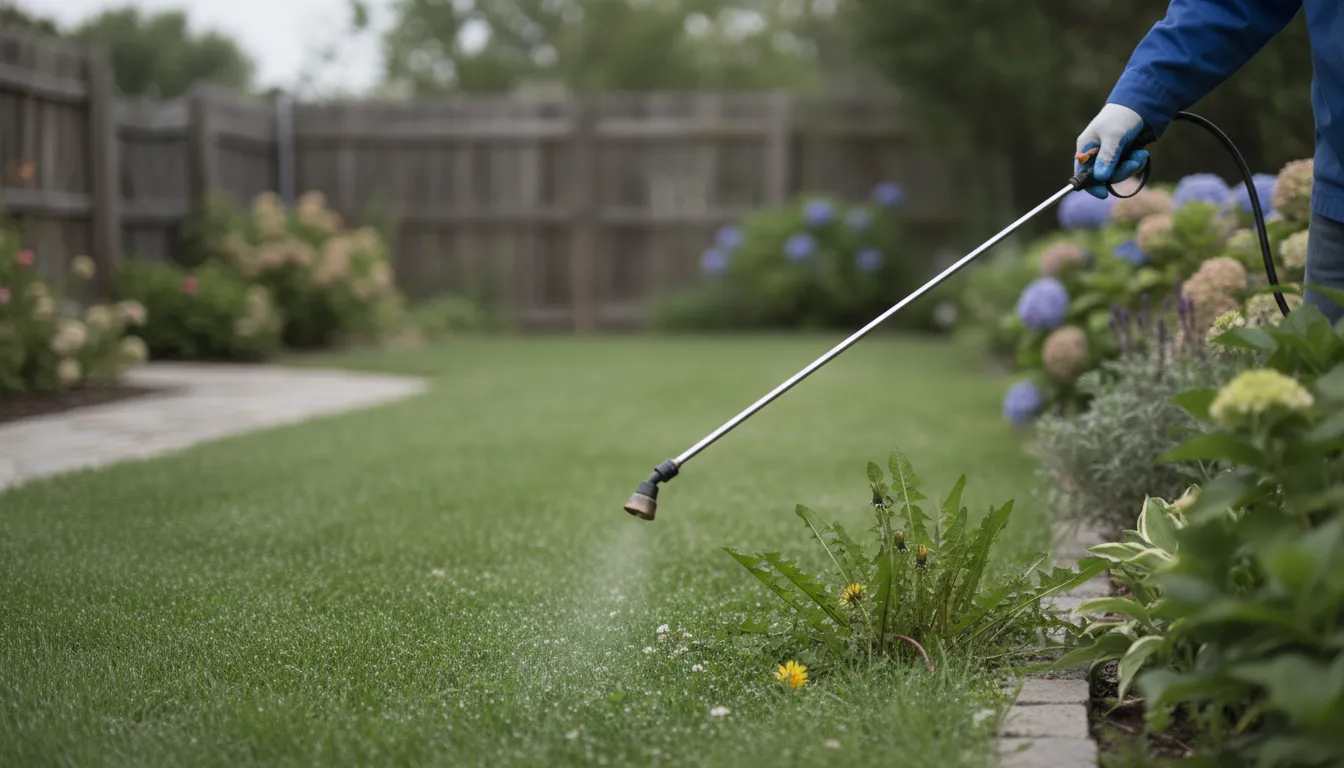
A healthy, vibrant lawn in Madison is the result of a carefully timed program of feeding and weed management. Lawn fertilization provides the essential nutrients your grass needs to thrive, while targeted weed control prevents invasive plants from taking over. This guide explains the science and schedule behind effective lawn care in our climate, helping you understand what local professionals offer so you can find the right service plan for your yard.
Aeration Pros Lawn Care LLC
Madison, WI
Aeration Pros Lawn Care LLC is a lawn care company based in Madison, WI, specializing in lawn aeration and comprehensive lawn renovation services. Their offerings include aeration to improve soil structure and nutrient absorption, overseeding with premium grass varieties, and the application of starter fertilizer and soil conditioner to promote healthy, resilient turf. The company focuses on enhancing lawn vitality through precise aeration techniques and tailored lawn care solutions.

Western Landscape LLC
6880 County Rd M, Verona, WI 53593
Western Landscape LLC is a full-service lawn care and landscaping company based in Madison, WI. Founded by brothers Sam and Elijah, the company offers a wide range of services including lawn mowing, fertilization, weed control, landscape design, hardscaping, snow removal, and luxury vinyl plank installation for both residential and commercial properties. They are known for transforming outdoor spaces into attractive and functional areas, serving Madison and the surrounding communities.
Carrington Lawn & Landscape
4387 Schwartz Rd, Middleton, WI 53562
Carrington Lawn & Landscape is a full-service landscaping company based in Madison, WI, specializing in lawn care, landscape design, hardscaping, tree services, and outdoor lighting installation. Established in 1998, they offer customized solutions including lawn fertilization, weed control, retaining walls, and landscape lighting to enhance both the beauty and functionality of outdoor spaces. Their team manages projects from initial consultation through installation and ongoing maintenance, focusing on tailored designs that reflect clients' lifestyles. They also provide commercial snow removal services with certified expertise during winter months.
DQ Lawn and Snow
451 W Cottage Grove Rd #221, Cottage Grove, WI 53527
DQ Lawn and Snow is a landscaping and lawn care company based in Madison, WI. They offer a wide range of services including lawn mowing, fertilization, weed control, tree removal, stump grinding, sprinkler installation and repair, land clearing, and snow removal. The company is known for handling both routine lawn maintenance and emergency tree removal, with a capability to respond to after-hours snow removal requests. Serving Madison and surrounding areas, DQ Lawn and Snow has built a reputation over several years for personalized and eco-friendly landscape solutions.
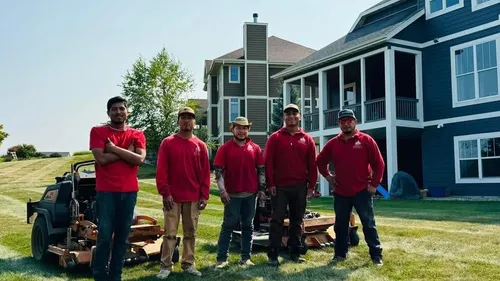
Madison Daniel's Landscaping LLC
Madison, WI
Madison Daniel's Landscaping LLC is a landscaping contractor based in Madison, WI, offering a wide range of services including lawn fertilization, weed control, tree trimming, and hardscaping. They design and maintain flower beds, manage soil and plant health, and provide snow removal during winter months. Their hardscaping capabilities include building patios, walkways, retaining walls, and fire pits using stone, brick, and concrete materials. The team focuses on creating functional and attractive outdoor spaces while maintaining plant health and safety.
Understanding Madison's Cool-Season Grasses
The foundation of any successful lawn nutrition and weed prevention plan starts with knowing your grass. Madison lawns are predominantly composed of cool-season grasses like Kentucky Bluegrass, Fine Fescues, and Perennial Ryegrass 1. These grasses grow most vigorously during the cooler temperatures of spring and fall, which directly dictates the optimal timing for feeding and treatment. They go semi-dormant and are stressed during the hot, dry periods of a Wisconsin summer. A fertilization schedule designed for these grasses focuses energy on root development in the fall and a strong green-up in the spring, rather than pushing top growth during stressful summer heat.
The Standard Treatment Program: A Seasonal Roadmap
Most professional lawn care programs in Madison follow a multi-visit, seasonal approach that aligns with the growth cycles of cool-season grasses and the life cycles of common weeds. This isn't a one-time application; it's a year-long strategy.
Spring Awakening (March - May)
The first visit of the year is critical. It typically involves a granular fertilizer combined with a crabgrass pre-emergent herbicide. This pre-emergent creates a barrier in the soil that stops crabgrass seeds from germinating, which is most effective when applied before soil temperatures consistently reach 55°F, usually by early May in our area. This application feeds the grass as it exits dormancy and begins its spring growth spurt.
Late Spring to Early Summer (May - June)
As temperatures warm, broadleaf weeds like dandelions, clover, and plantain become actively growing and visible. A second visit often includes a post-emergent broadleaf weed control, sometimes paired with a light fertilizer application. Targeting weeds when they are young and actively growing leads to the most effective control.
Summer Support (July)
The goal of summer lawn feeding is support, not stimulation. A summer fertilizer application is designed to provide steady, slow-release nutrients that help the grass withstand heat and drought stress without forcing lush growth that is more susceptible to disease. Weed control at this time is often spot-treatment for any breakthrough weeds, as broad-spectrum applications can stress the lawn in high heat.
The Crucial Fall Feeding (September - October)
Early fall is arguably the most important time for lawn fertilization in Wisconsin. With cooler air temperatures and warm soil, grass focuses energy on building deep, strong root systems and storing carbohydrates for the winter and next spring 2 3. A high-quality, slow-release fertilizer applied in early fall promotes root development, improves density, and ensures a quicker green-up the following spring.
Late Fall Winterization (November)
The final application of the year is the winterizer. This is typically a fertilizer formulation higher in potassium, which strengthens grass plants against cold stress, disease, and winter damage. It's applied after the grass has stopped growing but before the ground freezes, giving the lawn the resources it needs to survive winter and jump-start growth in spring.
Find the perfect lawn treatment companies for your needs
Get personalized recommendations and expert advice
Key Components of a Professional Service
When evaluating lawn care services, you'll encounter a few key terms and optional add-ons that enhance the core fertilization and weed management program.
- Pre-emergent vs. Post-emergent Weed Control: As outlined, pre-emergents prevent weeds (like crabgrass) from sprouting, while post-emergents kill weeds that are already visible (like dandelions). A full-season program uses both strategically 4.
- Grub Control: Japanese beetle grubs can cause significant damage by feeding on grass roots. Preventative grub control is often offered as an add-on service, typically applied in early summer.
- Core Aeration: This service involves removing small plugs of soil from your lawn to alleviate compaction, improve water and nutrient penetration, and enhance root growth. It's highly recommended, especially for older or heavily used lawns, and is best performed in the fall.
- Overseeding: Adding new grass seed to an existing lawn improves thickness and helps crowd out weeds. Fall is the ideal time for overseeding cool-season grasses in Madison, often done in conjunction with aeration.
What Influences the Cost of Lawn Care?
Professional lawn fertilization and weed control programs in Madison are typically priced as an annual package or on a per-visit basis. For a standard residential lawn, annual programs often range from approximately $300 to over $800 per season 5 6 7. Several factors contribute to this range:
- Lawn Size: This is the primary cost driver. Prices are usually based on the square footage of your turf area.
- Number of Visits/Treatments: A basic 4-step program will cost less than a comprehensive 6 or 7-step program that includes more granular applications or targeted weed control passes.
- Program Inclusions: Premium packages often include valuable add-ons like core aeration, grub prevention, or lime applications, which increase the overall cost but provide greater value.
- Product Quality & Service Customization: Companies using premium, slow-release fertilizers or offering soil test-based custom blends may charge more than those using standard products.
- Per-Visit Pricing: If you prefer not to commit to an annual plan, individual applications for weed and feed services can range from roughly $50 to $125 per visit, depending on your yard's size and needs 8.
Local Considerations for Madison Homeowners
Beyond the standard calendar, a few local practices can maximize your results.
- Soil Testing: Consider starting with a soil test. Many local extension services or lawn care companies can perform this. It reveals your soil's pH and nutrient levels, allowing for a truly customized fertilization plan that addresses specific deficiencies, such as the need for lime to correct acidic soil common in our region 9.
- Organic Lawn Care Options: For homeowners interested in organic approaches, options are available. These programs rely on natural, slow-release fertilizers and cultural practices to improve soil health. It's important to note that organic weed control options are often less immediately effective than synthetic herbicides and require a greater tolerance for some weed presence.
- Watering Practices: Proper irrigation is the partner to any fertilization program. Deep, infrequent watering encourages deep roots. Your lawn care professional can provide guidance on optimal watering schedules to complement their treatments.
Frequently asked questions
Sources
Footnotes
-
How Much Does Lawn Fertilization Cost in 2026? - https://lawnlove.com/blog/lawn-fertilization-cost/ ↩
-
Wisconsin Lawn Care Calendar - https://hort.extension.wisc.edu/articles/wisconsin-lawn-care-calender/ ↩
-
When to Fertilize for a Greener Lawn | ScottsMiracle-Gro US - https://scottsmiraclegro.com/en-us/learn/lawn-care/when-to-fertilize-for-a-greener-lawn.html ↩
-
Best Time to Apply Weed and Feed in Wisconsin - Lawn Love - https://lawnlove.com/blog/when-to-apply-weed-and-feed-wisconsin/ ↩
-
Weed Control & Lawn Fertilization in Madison, WI - https://westernlandscapeservice.com/service/fertilization-and-weed-control-madison-wi/ ↩
-
How much does lawn care service cost? - Green Lawn Fertilizing - https://www.greenlawnfertilizing.com/blog/how-much-does-la ↩
-
Lawn Weed Control Services | Lawn Doctor of Madison - https://www.lawndoctor.com/madison-wi/lawn-care-local/weed-control/ ↩
-
How Much Does Weed Control Cost in 2026? - LawnStarter - https://www.lawnstarter.com/blog/cost/weed-control-price/ ↩
-
Lawn Fertilizing Service - Madison, WI - Acer Landscaping - https://www.acer-landscaping.com/lawn/fertilizing ↩