Find the Best Lawn Treatment Companies for Your Business
No obligation • Fast responses • Nationwide coverage

Why you can trust Landscape Atlas
Landscape Atlas is a leading United States resource for evaluating landscaping, lawn care, and outdoor service providers. Our team researches each category in depth, focusing on service quality, safety, and customer experience. Listings and rankings are based on independent criteria and user feedback, and companies cannot pay to influence our assessments or recommendations.
Search providers near you
Top Lawn Treatment Companies in Milwaukee, Wisconsin Ranked
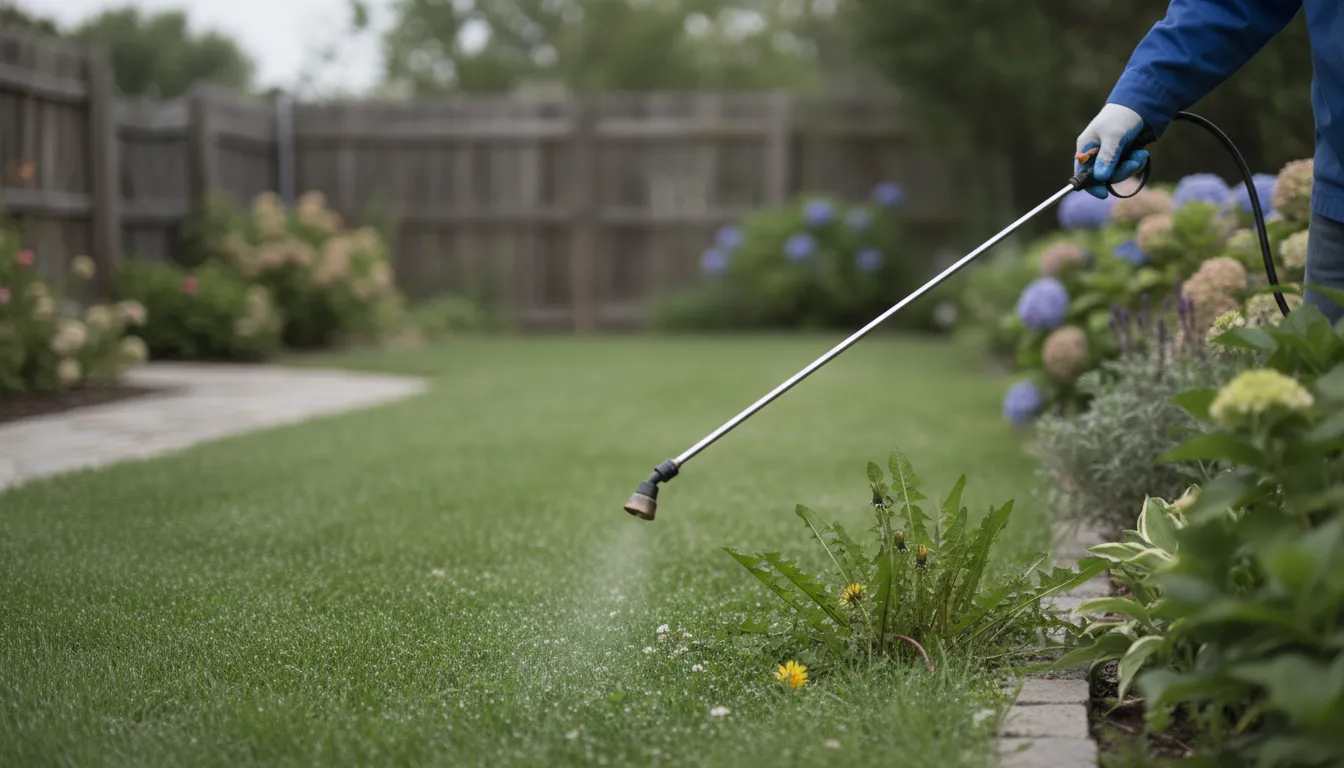
A healthy, vibrant lawn in Milwaukee is the result of a consistent, science-backed approach to fertilization and weed management. This specialized service involves the strategic application of nutrients and targeted treatments to promote thick, resilient turfgrass while suppressing invasive weeds. For homeowners, navigating the seasonal needs of a Wisconsin lawn can be complex. This guide will help you understand the local lawn care process, from seasonal timing to program options, so you can make informed decisions when seeking professional lawn treatment services.
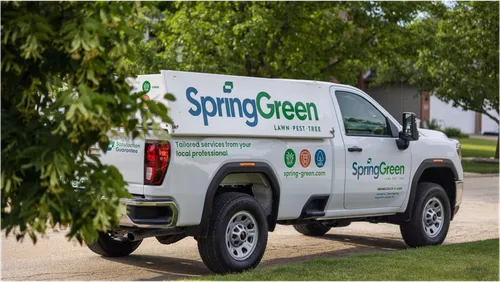
Spring Green
5355 S 9th St, Milwaukee, WI 53221
Spring Green is a locally owned and operated lawn care and tree service company based in Milwaukee, WI. Since 2003, they have provided tailored lawn fertilization, weed control, pest management, and tree care services to Milwaukee and nearby communities including Cudahy, Burlington, and Mukwonago. Their offerings include core aeration, grub control, mosquito and tick control, total lawn insect control, and seeding with grass varieties suited for Wisconsin lawns. Spring Green focuses on maintaining healthy, pest-free lawns and landscapes in the Milwaukee area.
ALCS Lawn Care
656 S 94th St, West Allis, WI 53214
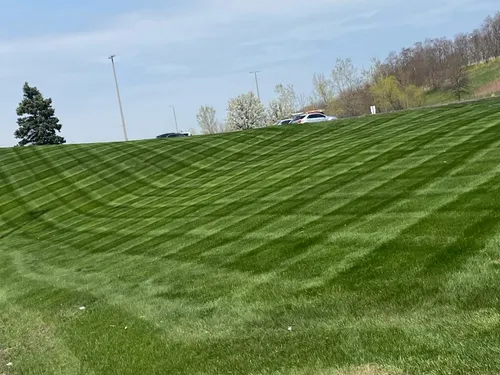
ALCS Lawn Care is a locally owned and operated lawn care company serving Milwaukee, WI. Established in 2000, the company offers lawn fertilization, weed control, and general lawn care services. Their technicians are State Certified and include a Horticulturist on staff who evaluates lawns for insect and disease issues during each visit. ALCS Lawn Care uses golf course quality products to maintain healthy and attractive turf.
Crawford Tree & Landscape Services, Inc.
8760 W Calumet Rd, Milwaukee, WI 53224
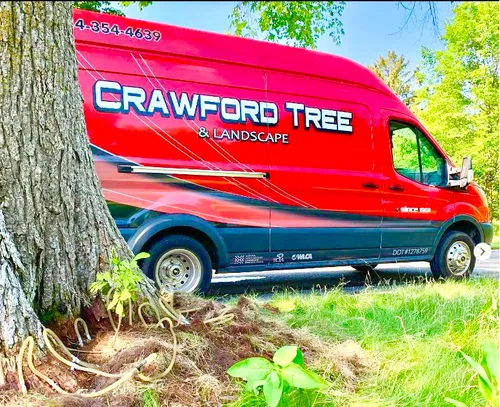
Crawford Tree & Landscape Services, Inc. is a full-service tree and landscape care company based in Milwaukee, WI. They offer a wide range of services including tree risk assessment, removal, pruning, shrub trimming, lawn mowing, landscaping, grading, drainage solutions, and hardscape installation. Their plant health care services include disease management, pest control, fertilization, and specialized treatments such as Emerald Ash Borer protection. Established in 1969, Crawford Tree & Landscape Services provides 24/7 availability for urgent needs and uses advanced equipment to ensure safe and efficient operations.
Kanavas Landscape Management
13575 Juneau Blvd #1653, Elm Grove, WI 53122
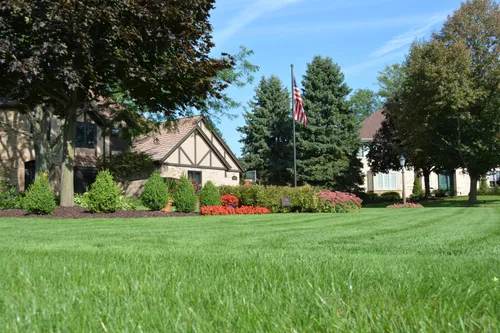
Kanavas Landscape Management is a full-service lawn care and landscaping company based in Milwaukee, WI. Serving Southeast Wisconsin, they offer a wide range of services including lawn fertilization, weed control, landscape design, tree care, and hardscaping such as patios and retaining walls. Their certified arborists provide specialized tree and shrub care, including removal and stump grinding. Established in 1974, Kanavas Landscape Management has over 50 years of experience delivering comprehensive outdoor solutions for residential and commercial properties.
Jem Lawn Care
Milwaukee, WI
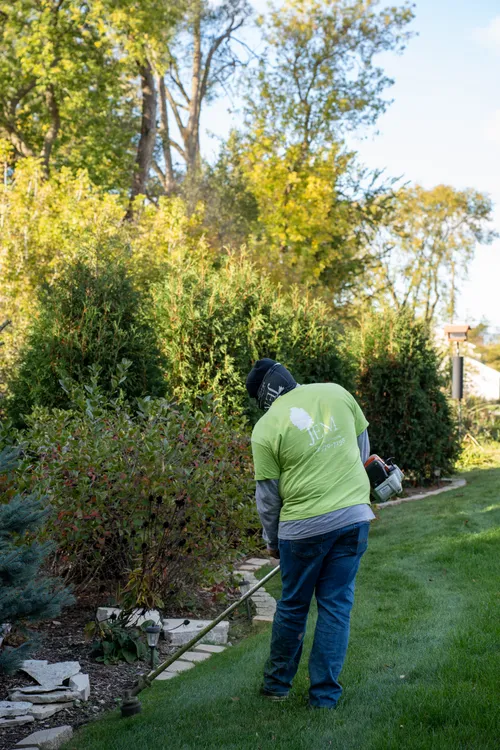
Jem Lawn Care is a lawn care and landscaping company based in Milwaukee, WI. They offer a range of services including weekly lawn maintenance, bed and shrub care, landscape design and installation, stonework, as well as fertilization and weed control programs. Their team provides customized nutrient applications and targeted weed treatments to maintain healthy and attractive lawns and gardens. Jem Lawn Care serves residential and commercial properties and extends service to nearby communities such as Caledonia, Oak Creek, and Franklin.
Understanding Milwaukee's Lawn Environment
Milwaukee's climate presents a unique set of challenges and opportunities for lawn health. The city lies in the transition zone but predominantly supports cool-season grasses like Kentucky Bluegrass, Fine Fescues, and Perennial Ryegrass. These grasses thrive in the cooler temperatures of spring and fall but can struggle during the hot, dry periods of a Midwest summer. A successful lawn care program is built around this growth cycle, focusing energy on root development during the favorable seasons to build drought and disease resistance.
Weeds are constant competitors for space, water, and nutrients. Common invaders include crabgrass, dandelions, clover, and creeping Charlie. Effective weed suppression requires understanding their life cycles; for example, crabgrass is an annual that germinates from seed in spring, while dandelions are perennials that tap deep into the soil. A professional-grade lawn treatment plan uses this knowledge, applying pre-emergent herbicides to stop weeds before they sprout and post-emergent solutions to eliminate existing problems at their most vulnerable stage.
The Seasonal Lawn Care Calendar
A proactive, calendar-based approach is the cornerstone of effective lawn fertilization and weed control in Southeastern Wisconsin. Timing applications to match soil temperature and grass growth stages maximizes results and minimizes waste.
Early Spring (April)
This is a critical window for setting up your lawn's success. As soil temperatures consistently reach 50-55°F, crabgrass seeds begin to germinate. A pre-emergent weed control application during this period creates a barrier in the soil that prevents crabgrass and other annual weeds from sprouting. This is often paired with a light, balanced "starter" fertilizer to give grass a gentle boost as it exits winter dormancy and begins its spring growth surge.
Late Spring (May)
As the lawn enters its peak growth phase, a second application typically focuses on broadleaf weed control to tackle visible invaders like dandelions. This is also an ideal time for a slow-release nitrogen fertilizer, which feeds the grass steadily over several weeks without causing excessive, weak top growth. Mowing height should be raised to 3-3.5 inches to encourage deep root development and naturally shade out weed seeds.
Summer (June/July)
The goal shifts to maintaining lawn health during stress. Summer treatments often include a fertilizer with potassium to enhance heat and drought tolerance, along with targeted pest control for insects like grubs, which can cause significant root damage. Watering practices are crucial here; deep, infrequent watering in the early morning is far more beneficial than frequent, shallow sprinkling 1.
Find the perfect lawn treatment companies for your needs
Get personalized recommendations and expert advice
Early Fall (September)
This is arguably the most important season for Milwaukee lawn care. Cool nights and warm soil create perfect conditions for turfgrass root development. A high-quality, slow-release fertilizer applied now fuels this root growth, storing energy for a quick green-up the following spring 2 3. Fall is also the most effective time for controlling perennial broadleaf weeds like dandelions and clover, as plants are actively moving nutrients down to their roots, carrying the herbicide with them 4.
Late Fall (October/November)
The final application of the year is a winterizer fertilizer. This formula is typically high in potassium, which strengthens cell walls and improves the lawn's hardiness against cold temperatures, disease, and winter desiccation 5. This "last call" feeding ensures your grass has the nutrients it needs to survive the winter and emerge healthy in the spring. It's also a common time for dormant seeding to repair bare spots.
What to Expect from Professional Lawn Treatment Programs
Most local lawn care providers offer comprehensive, multi-visit annual programs. These plans are designed to automate the seasonal calendar, applying the right product at the right time for maximum effect.
Typical Program Structure
A full-season lawn care program in Milwaukee generally includes between 5 and 8 scheduled visits from early spring through late fall. Each visit has a specific purpose, such as pre-emergent weed control, fertilization, grub prevention, and fall winterization. This structured approach ensures no critical step is missed. Many companies also offer integrated pest management as part of these packages to handle insects that can damage turf.
Service Add-Ons and Bundles
For optimal lawn health, core fertilization and weed control are often most effective when combined with other cultural practices. Core aeration (removing small plugs of soil) relieves compaction, improves water infiltration, and allows fertilizer to reach the root zone more effectively. Overseeding introduces new, robust grass seed to thicken the turf and crowd out weeds. Many providers offer discounted bundles when you combine aeration and overseeding with your annual fertilization plan 6 7.
Understanding Costs and Value
Investing in professional lawn fertilization and weed control is an investment in your property's curb appeal and long-term soil health. Costs are influenced by several key factors.
Primary cost drivers include the size of your lawn (usually priced per 1,000 square feet), the number of annual applications in your chosen program, and the specific products used. The inclusion of add-on services like aeration, lime applications for soil pH correction, or grub control will also affect the total price 8.
Based on local market research, a comprehensive annual lawn care program in Milwaukee for a typical yard often ranges from $400 to over $600 9 10 11. If paying per individual service visit, you can expect costs for a combined fertilization and weed control application to generally fall between $50 and $100 per visit 9 12. It's important to get detailed quotes that outline exactly what is included in each visit and to understand the guarantees or follow-up policies a company offers for weed control effectiveness.
Choosing a Lawn Care Provider
When evaluating companies, look for providers that offer a free, on-site lawn analysis. A reputable technician will inspect your grass, identify weed types, and may even discuss simple soil test options to tailor the program to your lawn's specific nutrient needs. Ask about the types of fertilizers they use (slow-release is preferred) and their approach to environmental stewardship, such as keeping products away from hardscapes and water bodies.
Ensure the company is fully licensed and insured to apply lawn care products in Wisconsin. Finally, read reviews and ask for references to gauge reliability and customer service. The best provider is one that acts as an educational partner, helping you understand the "why" behind each treatment for your Milwaukee lawn.
Frequently asked questions
Sources
Footnotes
-
Lawn Fertilization and Weed Control - Best Choice Landscape - https://bestchoicelandscape.com/residential/lawn-fertilization-treatment/ ↩
-
Lawn Maintenance - Wisconsin Horticulture - https://hort.extension.wisc.edu/articles/lawn-maintenance/ ↩
-
Wisconsin Lawn Care Calendar - https://hort.extension.wisc.edu/articles/wisconsin-lawn-care-calender/ ↩
-
Solutions - All Season Wisconsin - https://allseasonwisconsin.com/solutions/ ↩
-
Month-to-Month Wisconsin Lawn Care Calendar - Lawn Love - https://lawnlove.com/blog/wisconsin-lawn-care-calendar/ ↩
-
Affordable Lawn Care Plans & Pricing Options - TruGreen - https://www.trugreen.com/products-and-services ↩
-
Enjoy a Green Lawn | Weed Control & Fertilization | Milwaukee - https://milwaukee.weedman.com/ ↩
-
Milwaukee, WI Lawn Treatment & Fertilization | Weed Control - https://www.lawnstarter.com/milwaukee-wi-lawn-treatment ↩
-
Lawn Care in Milwaukee, WI from $55 | 6000+ 5-Star Reviews - https://www.getsunday.com/local-guide/lawn-care-in-milwaukee-wi ↩ ↩2
-
How much does lawn care service cost? - Green Lawn Fertilizing - https://www.greenlawnfertilizing.com/blog/how-much-does-lawn-care-service-cost ↩
-
Fertilization and Weed Plans for a Beautiful Lawn - https://www.lawndoctor.com/annual-programs/fertilization-and-weed-plans/ ↩
-
Landscape Pricing Guide for Grafton, WI and Surrounding Areas - https://qllm.com/pricing/ ↩