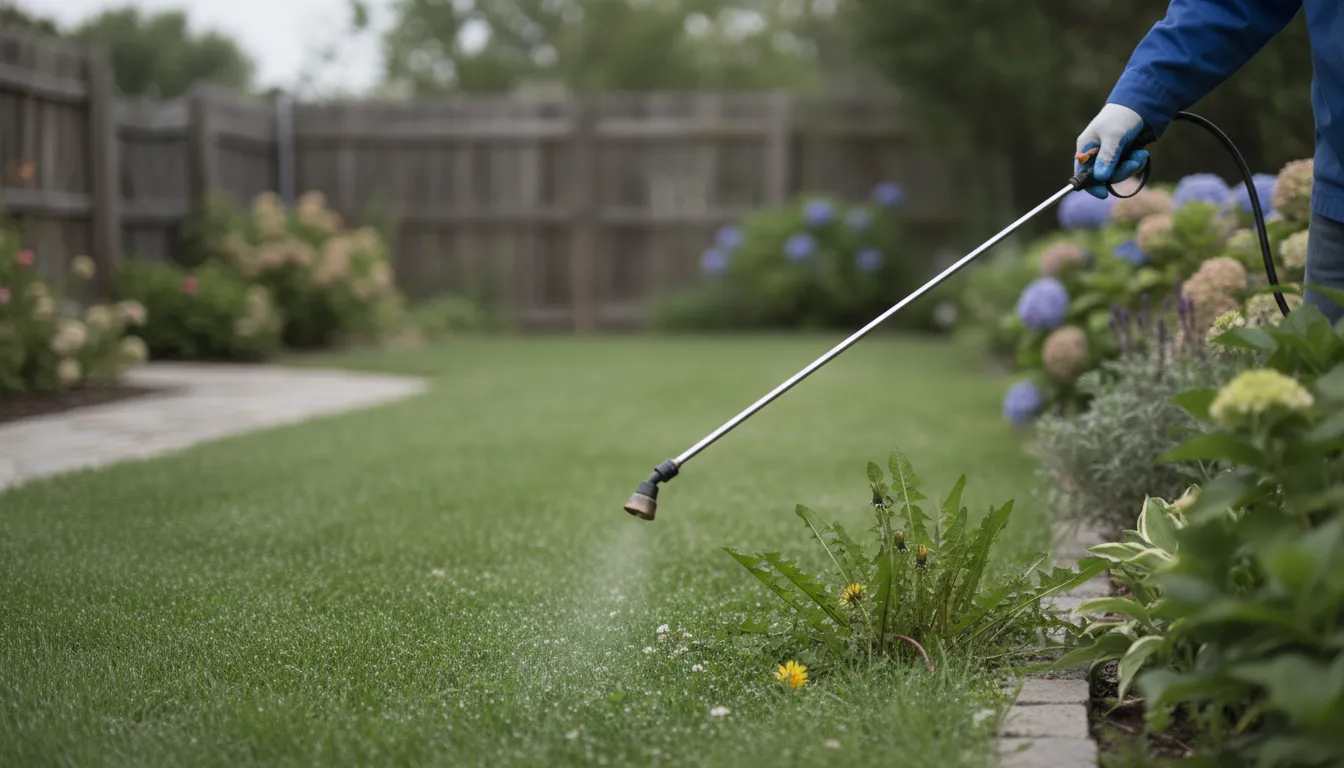
Find the Best Lawn Treatment Companies for Your Business
No obligation • Fast responses • Nationwide coverage

Why you can trust Landscape Atlas
Landscape Atlas is a leading United States resource for evaluating landscaping, lawn care, and outdoor service providers. Our team researches each category in depth, focusing on service quality, safety, and customer experience. Listings and rankings are based on independent criteria and user feedback, and companies cannot pay to influence our assessments or recommendations.
Search providers near you
Best Lawn Treatment Companies in Washington Ranked
Maintaining a healthy, vibrant lawn in Washington requires a tailored approach that respects the state's unique climate and soil conditions. Effective lawn fertilization and weed management are essential for promoting deep root systems, resisting pests and drought, and creating a lush outdoor space. This guide provides a detailed, seasonal roadmap for Washington homeowners, helping you understand the best practices, timing, and options for professional lawn care to achieve optimal results.
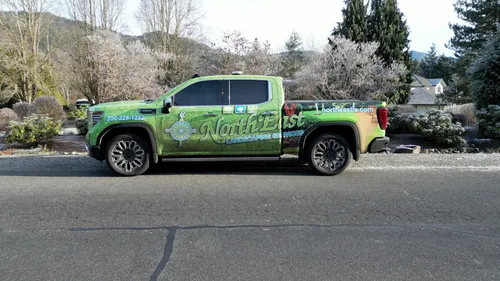
North East Landscaping Services
12259 155th Ave SE, Renton, WA 98059
North East Landscaping Services is a family-owned landscaping company with over 20 years of experience serving residential and commercial clients in Seattle, WA. They provide a comprehensive range of outdoor services including lawn care, fertilization, weed control, sod and artificial turf installation, fence and deck construction, landscape lighting, tree services, yard drainage, sprinkler installation and repair, as well as hardscaping like pavers and retaining walls. The company emphasizes quality workmanship and building lasting relationships with clients, handling projects of all sizes with care and honesty.
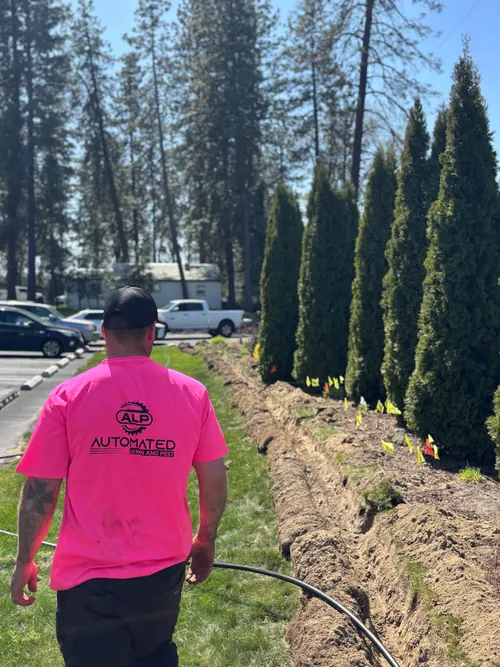
Automated Lawn & Pest, LLC
1908 E Mallon Ave, Spokane, WA 99202
Automated Lawn & Pest, LLC is a locally owned lawn care and pest control company based in Spokane, WA. Founded in 2021, they provide a wide range of services including lawn mowing, fertilization, weed control, pest management, sprinkler installation and repair, landscape design and construction, sod installation, and tree services. Serving both residential and commercial clients in Spokane and Coeur d'Alene, the company emphasizes tailored solutions and environmentally friendly practices. One notable capability is their comprehensive vegetation management, which includes targeted shrub bed weed control to maintain healthy and attractive landscapes. Automated Lawn & Pest also offers full-service yard cleanups and seasonal snow removal, supporting year-round property maintenance.
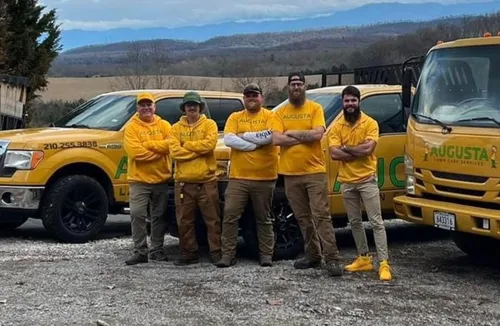
Augusta Lawn Care of Redmond
6335 180th Pl NE Suite #544, Redmond, WA 98052
Augusta Lawn Care of Redmond is a lawn care company based near Seattle, WA. They provide lawn mowing, fertilization, and weed control services to maintain healthy and attractive lawns. The company is fully insured and operates with set office hours during the week and on Saturdays.
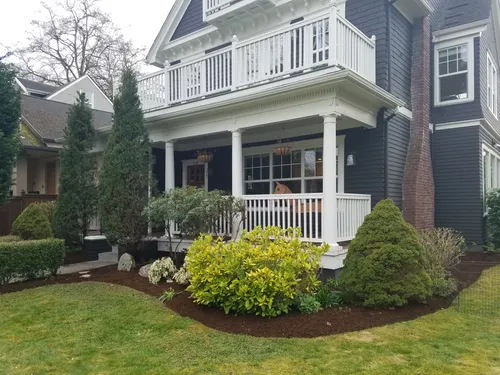
Ballinger Landscaping
20234 20th Pl NE, Shoreline, WA 98155
Ballinger Landscaping is a landscaping company based in the Ballinger neighborhood of northeast Shoreline, Washington, serving the Seattle, WA area. They offer a full range of landscaping services including lawn care, garden design, seasonal maintenance, plant installation, pressure washing, property cleanups, and commercial and HOA landscape maintenance. Their expertise includes creating low-maintenance landscapes that thrive in the local climate, focusing on both residential and commercial properties to enhance curb appeal and outdoor space functionality.
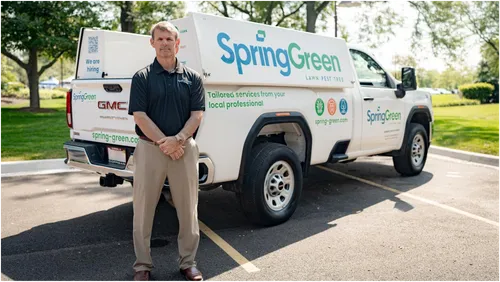
Spring Green
6830 NE Bothell Way STE C - PMB 271, Kenmore, WA 98028
Spring Green is a locally owned lawn care and tree service company serving the Seattle, WA area. Since 2008, they have provided tailored lawn fertilization, weed control, pest control, and tree care services including core aeration, overseeding, lime treatment, and crane fly control. Their service area includes Everett, Marysville, Bothell, Lake Stevens, and nearby communities. Spring Green focuses on maintaining healthy lawns with treatments for common weeds and pests, as well as tree removal and stump grinding.
Understanding Washington's Lawn Environment
Washington's diverse geography, split by the Cascade Mountains, creates two distinct lawn care regions. Western Washington, including cities like Seattle and Tacoma, features a marine climate with mild, wet winters and dry summers. Eastern Washington, encompassing Spokane and the Tri-Cities, experiences a semi-arid climate with colder winters and hotter, drier summers. Despite these differences, cool-season grasses like tall fescue, fine fescue, Kentucky bluegrass, and perennial ryegrass are common across the state 1 2 3.
The region's often acidic, clay-heavy soils can challenge nutrient availability and water penetration. Furthermore, environmental stewardship is a key consideration; protecting local waterways from nutrient runoff is a priority, influencing fertilizer recommendations. A successful lawn care strategy here is not just about feeding grass and killing weeds-it's about building soil health, timing applications perfectly with the seasons, and choosing the right products for the ecosystem.
A Seasonal Lawn Care Schedule for Washington
Following a calendar aligned with the grass's natural growth cycles is the most effective way to manage fertilization and weed control. The fall season is particularly critical for Washington lawns.
Late Winter to Early Spring (February - April)
This period is for preparation and prevention, not heavy feeding.
- Soil Correction: February or March is an ideal time to apply lime if a soil test indicates your soil is too acidic, which is common in Western Washington. A balanced pH (6.0-7.0) helps grass access nutrients from fertilizer.
- Cleanup & Aeration: Rake away winter debris and thatch. If your soil is compacted, core aeration in early spring can greatly improve water, air, and nutrient movement to the roots.
- Weed Prevention: Apply a pre-emergent herbicide in early to mid-spring (around April) to create a barrier that stops summer annual weeds like crabgrass from germinating. This is a proactive, crucial step.
- Fertilizer Caution: Avoid the temptation to fertilize heavily in early spring. This promotes excessive, weak leaf growth at the expense of root development, making your lawn more vulnerable to summer stress 4.
Late Spring (May - June)
As temperatures warm, the lawn's growth rate increases.
- Light Feeding: A light application of a slow-release, balanced fertilizer in May can support growth without causing a flush. Washington State University Extension recommends using natural organic or slow-release synthetic fertilizers.
- Moss & Weed Control: In damp, shaded areas of Western WA, apply moss control if needed. For weeds that have emerged, a post-emergent herbicide targeted at broadleaf weeds like dandelions and clover is effective from May to mid-June.
- Mowing: Begin mowing regularly, keeping your blade sharp and your grass height at 2.5 to 3 inches. Taller grass shades the soil, conserves moisture, and outcompetes weeds.
Summer (July - August)
The focus shifts from products to practices during the dry months.
- Hold the Fertilizer: Do not fertilize during the hot, dry summer. Fertilizing now can burn the grass and stimulate growth when the lawn is trying to conserve energy 5.
- Smart Watering: Water deeply and infrequently (about 1-1.5 inches per week, including rainfall) to encourage deep, drought-resistant roots. Water early in the morning to reduce evaporation and fungal disease.
- Spot Treatment: Only spot-treat perennial weeds if necessary, being careful to follow product instructions during heat.
Early to Mid-Fall (September - October)
This is the most important season for lawn care in Washington.
- Prime Fertilization: Fall is the optimal time for fertilization. The cooler temperatures and autumn rains encourage robust root growth and nutrient storage for winter hardiness and a green-up the following spring 6.
- Aeration & Overseeding: Combine fall fertilization with core aeration and overseeding. This trio of services is the best way to thicken your lawn, crowd out weeds, and improve soil health 7.
- Weed Control: Apply a fall post-emergent herbicide. Weeds are actively transporting nutrients to their roots in autumn, making them more susceptible to systemic herbicides.
Late Fall to Winter (November - February)
Prepare the lawn for dormancy.
- Winterizer Application: Apply a final "winterizer" fertilizer in late fall, typically rich in potassium (the third number in the NPK ratio). Potassium strengthens grass blades and improves cold and disease tolerance 8 9.
- Cleanup: Keep the lawn clear of fallen leaves to prevent matting, which can smother grass and promote snow mold and other fungal diseases 10.
Find the perfect lawn treatment companies for your needs
Get personalized recommendations and expert advice
Product Selection: Fertilizers & Herbicides
Choosing the right products is key to effective and environmentally responsible lawn care.
Fertilizers:
- NPK Ratio: Look for fertilizers formulated for cool-season grasses. Due to phosphorus restrictions in many Washington counties to protect waterways, a "no-phosphorus" or "zero-phosphate" fertilizer like a 24-0-6 blend is often recommended and readily available.
- Type: Slow-release synthetic or natural organic fertilizers are preferred. They feed the lawn gradually, reducing the risk of nutrient burn and runoff, and supporting sustained soil health 11.
- Soil Health Boosters: Products containing humic acids or other soil amendments can improve nutrient uptake and soil structure over time.
Weed Control:
- Pre-emergent: Look for products containing active ingredients like pendimethalin or prodiamine for preventing crabgrass and other annual weeds. Timing is critical-apply before soil temperatures consistently reach 55°F 12.
- Post-emergent: For existing broadleaf weeds, selective herbicides containing 2,4-D, dicamba, or MCPP are common and effective. Always identify the weed and choose a product labeled for it. For homeowner spot treatments, combination "weed-and-feed" products are available 13 14.
- Moss Control: In damp regions, iron-based moss killers are commonly used. Improving drainage, sunlight, and soil pH are long-term solutions for moss problems.
Professional Lawn Care Services vs. DIY
Homeowners in Washington can choose between managing their lawn themselves or hiring a professional service.
The DIY Approach:
- Cost: The primary cost is the price of products (e.g., a bag of fertilizer covering 5,000-10,000 sq. ft. can range from $40-$70) and equipment rental for aeration 15.
- Control: You have direct control over the products used, application timing, and specific areas treated.
- Considerations: Requires time, knowledge of product selection and calibration, proper safety gear, and adherence to local environmental regulations. The learning curve for timing and effective application can lead to suboptimal results initially.
Professional Lawn Care Services:
- Cost: Professional treatment costs average $60-$100 per application for combined weed control and fertilization. Most companies offer annual programs encompassing 4-6 seasonal applications, with costs typically ranging from $250 to $1,000 for the year, which can be more cost-effective than single applications 16 17 18. In the Seattle area, costs tend to be higher, ranging from $78 to $462 per application 19. Services like aeration are usually add-ons, costing $75-$200 17.
- Expertise & Convenience: Professionals bring expertise in local conditions, correct product selection, and precise timing. They handle the labor, storage, and safe application of chemicals.
- Programs: Most providers offer comprehensive annual programs that include fertilization, weed control, and sometimes insect control, scheduled automatically for optimal results.
Cost Considerations for Washington Homeowners
Understanding the investment helps in planning. Costs are influenced by lawn size, location, condition, and service frequency.
| Service Type | Average Cost Per Application | Typical Annual Program (4-6 Visits) |
|---|---|---|
| Lawn Fertilization | $64 - $175 | $250 - $1,000 |
| Weed Control | $50 - $150 (often bundled) | Included in annual program |
| Core Aeration | $75 - $200 | Add-on service |
Many companies price based on square footage. For example, one provider may have a base rate of $62 per 1,000 square feet 20. Requesting quotes from several local, licensed, and insured professionals is the best way to get an accurate price for your specific property.
Frequently asked questions
Sources
Footnotes
-
Home Lawns - WSU Extension Publications - https://pubs.extension.wsu.edu/product/home-lawns/ ↩
-
Fescue Lawn Care Guide - https://www.fertilome.com/Guides/Fescue-Lawn-Care.aspx ↩
-
Finding the Best Grass Seed for Your Lawn | Lowe's - https://www.lowes.com/n/buying-guide/choose-the-right-grass-for-your-lawn ↩
-
Lawns | Walla Walla County | Washington State University - https://extension.wsu.edu/wallawalla/gardening/lawns/ ↩
-
Pacific Northwest Lawn Care Schedule - TruGreen - https://www.trugreen.com/lawn-care-101/blog/lawn-care/pacific-northwest-lawn-care-schedule ↩
-
Pacific Northwest Lawn Care Calendar: A Seasonal Guide - https://sprinklersnorthwest.com/pacific-northwest-lawn-care-calendar-a-seasonal-guide/ ↩
-
Natural Lawn Care for Western Washington - Seattle.gov - https://www.seattle.gov/documents/Departments/SPU/EnvironmentConservation/Landscaping/NaturalLawnCare.pdf ↩
-
Pacific Northwest Lawn Care Calendar - Swansons Nursery - https://www.swansonsnursery.com/lawn-care-calendar ↩
-
LAWN CARE CALENDAR | Wsu - https://s3.wp.wsu.edu/uploads/sites/2071/2013/12/Lawn-Care-Calendar.pdf ↩
-
Month-to-Month Lawn Care Schedule for the Pacific Northwest - https://www.lawnstarter.com/blog/lawn-care-2/pacific-northwest-lawn-care-schedule/ ↩
-
#11 Lawns | King County | Washington State University - https://extension.wsu.edu/king/mg-home/gardening-resources/tip-sheets/tip-sheet-11 ↩
-
Google's Shopping Data - https://blog.google/products/shopping/shopping-graph-explained/ ↩
-
LAWN WEED CONTROL FOR WASHINGTON STATE ... - https://wpcdn.web.wsu.edu/wp-puyallup/uploads/sites/412/2015/02/EB0607_Lawn_Weed_Control_for_Washington_State_Homeowners.pdf ↩
-
Lawn Fertilization & Weed Control Guide For Spokane, WA & Nearby - https://spokanesfinestlawns.com/lawn-fertilization-and-weed-control-guide-spokane-wa/ ↩
-
Top Rated Weed And Feed of 2026 at Tractor Supply Co. - https://www.tractorsupply.com/a/top-rated-weed-and-feed ↩
-
Seattle, WA Lawn Treatment & Fertilization | Weed Control - https://www.lawnstarter.com/seattle-wa-lawn-treatment ↩
-
average cost of lawn fertilization service: 7 Best 2025 Wins - https://ajmgrounds.com/average-cost-of-lawn-fertilization-service/ ↩ ↩2
-
How Much Does Weed Control Cost in 2026? - LawnStarter - https://www.lawnstarter.com/blog/cost/weed-control-price/ ↩
-
How Much Does Lawn Fertilization Cost in 2026? - LawnStarter - https://www.lawnstarter.com/blog/cost/lawn-fertilization-price/ ↩
-
Frequently Asked Questions | Services | Colonial Lawn & Garden - https://coloniallawn.com/frequently-asked-questions/ ↩