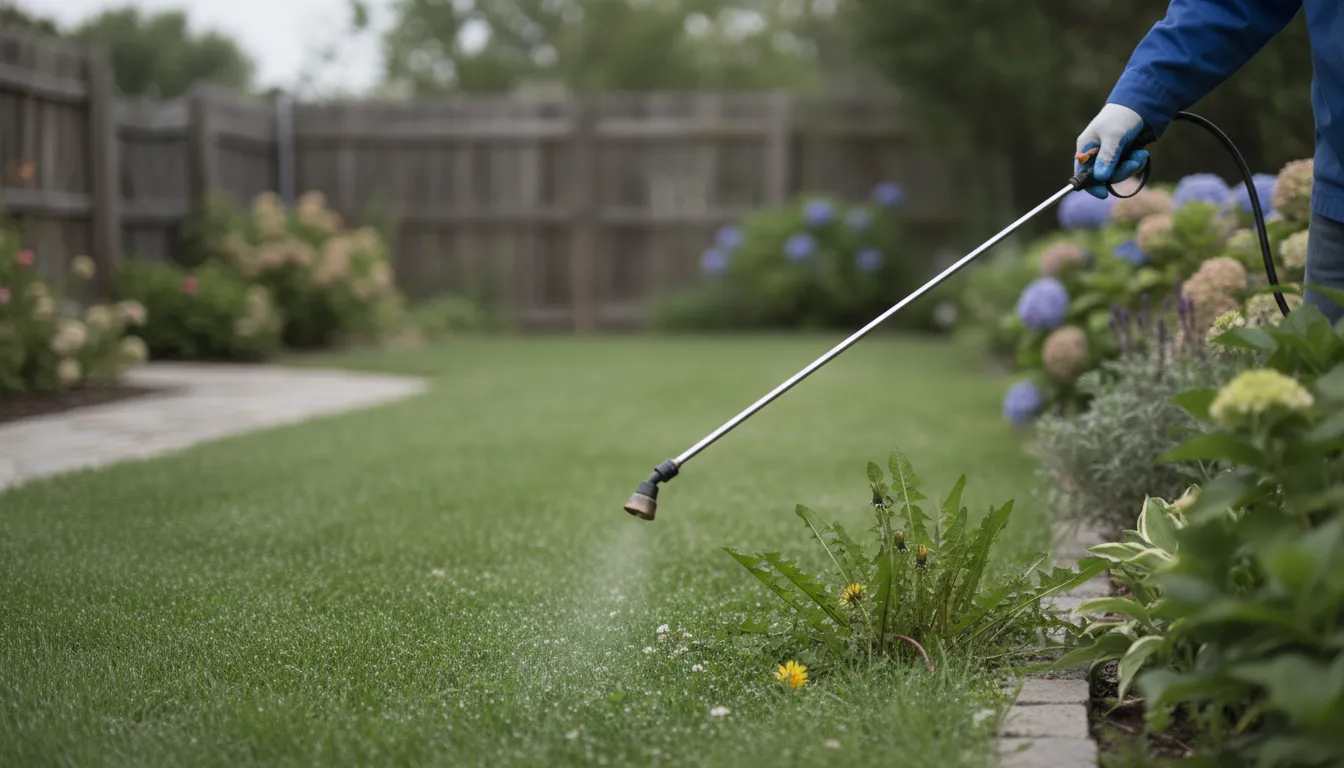
Find the Best Lawn Treatment Companies for Your Business
No obligation • Fast responses • Nationwide coverage

Why you can trust Landscape Atlas
Landscape Atlas is a leading United States resource for evaluating landscaping, lawn care, and outdoor service providers. Our team researches each category in depth, focusing on service quality, safety, and customer experience. Listings and rankings are based on independent criteria and user feedback, and companies cannot pay to influence our assessments or recommendations.
Search providers near you
Best Lawn Treatment Companies in New Mexico Ranked
Maintaining a vibrant, healthy lawn in New Mexico is a rewarding challenge that requires a tailored approach. Lawn fertilization and weed control are essential services that provide your grass with the nutrients it needs to thrive in our unique climate while protecting it from invasive weeds. This guide explains the key considerations for New Mexico lawns, from seasonal schedules to product choices, helping you understand your options for achieving a lush, green yard.
Lannen's Lawn & Sprinkler LLC
3600 Osuna Rd NE STE 401, Albuquerque, NM 87109
Lannen's Lawn & Sprinkler LLC is a veteran-owned company based in Albuquerque, NM, offering a wide range of lawn and sprinkler services. They specialize in sprinkler installation and repair, including broken valve replacements and drip line fixes, as well as sod installation, tree trimming, yard cleanup, and lawn fertilization with weed control. Their certified irrigation technicians provide customized repairs tailored to each property, aiming to reduce manual watering and maintenance efforts. With decades of industry experience, Lannen's Lawn & Sprinkler focuses on quality workmanship and customer satisfaction.
Red Shovel Landscape
9100 2nd St NW, Albuquerque, NM 87114
Red Shovel Landscape is a landscaping company based in Albuquerque, NM. They offer a range of lawn care services including mowing, fertilization, weed control, tree services, sprinkler installation and repair, landscape lighting, and design. Their team focuses on creating outdoor spaces that blend natural beauty with practicality, maintaining healthy lawns and plants, and providing seasonal lighting installations. They have experience in sprinkler system replacement and drip system repairs, demonstrating capabilities in irrigation services. Red Shovel Landscape works around client schedules to accommodate project timing and handles jobs of varying sizes.
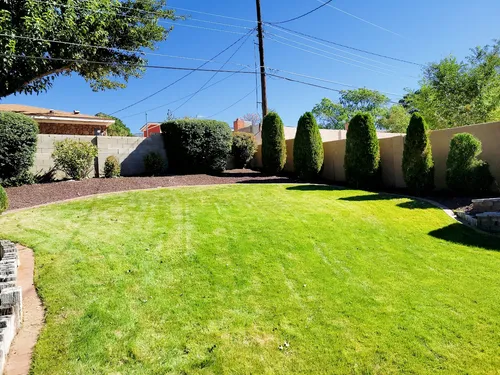
Arborscapes Ground Maintenance and Landscaping, LLC
2420 Comanche Rd NE, Albuquerque, NM 87107
Arborscapes Ground Maintenance and Landscaping, LLC is a family-owned landscaping company based in Albuquerque, NM. They provide a wide range of services including lawn mowing, lawn fertilization, weed control, landscape design, tree removal, stump grinding, sprinkler installation and repair, land clearing, hardscaping, and grounds maintenance for both residential and commercial properties. The company emphasizes custom solutions tailored to clients' lifestyles and priorities, with a focus on desert landscaping suited to the Albuquerque area. Arborscapes has grown through word of mouth and values quality, precision, creativity, and integrity in their work.
Lawn Doctor of Albuquerque
5224 2nd St NW Ste A, Albuquerque, NM 87107
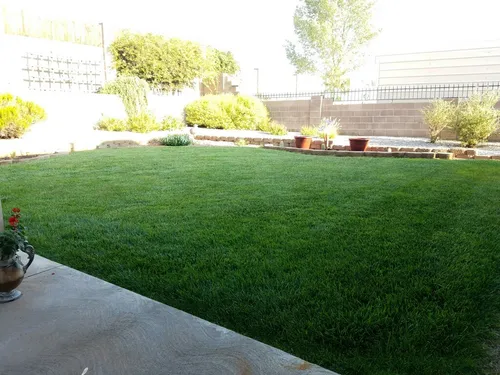
Lawn Doctor of Albuquerque provides lawn care and pest control services in Albuquerque, NM. They offer customized treatment plans based on a free lawn analysis to maintain healthy lawns. Their services include fertilization, pest control for various lawn pests, and annual lawn care programs designed to keep lawns vibrant year-round. The company serves Albuquerque and nearby communities such as Rio Rancho, Corrales, and Placitas. Lawn Doctor of Albuquerque emphasizes tailored care plans and flexible scheduling to meet customer needs.
ASAP Sands Outdoor Services
310a Ranchitos Rd NE, Albuquerque, NM 87113
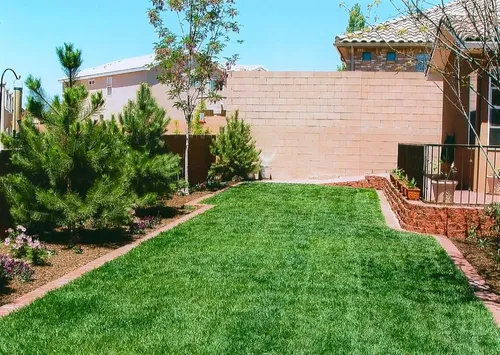
ASAP Sands Outdoor Services is a full-service landscaping company based in Albuquerque, NM. Serving both residential and commercial clients, they offer a wide range of services including lawn fertilization, weed control, landscape lighting installation, tree removal, yard drainage, sprinkler installation and repair, land clearing, and hardscaping such as patios and retaining walls. With over 40 years of experience since 1984, ASAP Sands Outdoor Services has established a strong presence in the local landscaping industry.
Understanding New Mexico's Lawn Care Climate
New Mexico's high-desert climate presents specific challenges for lawn care. With intense sun, low humidity, and varying elevations, your fertilization and weed control strategy must be adaptable. The most critical factor is identifying your primary grass type, as this dictates the entire annual care schedule. Lawns here typically fall into two categories: warm-season grasses, which thrive in the heat, and cool-season grasses, which prefer milder temperatures. Knowing which you have is the first step to effective care.
Grass Types and Their Seasonal Schedules
Your lawn's fertilization and weed control calendar is entirely dependent on whether you have warm-season or cool-season grass. Applying products at the wrong time can waste money, harm your lawn, or be completely ineffective.
Warm-Season Grasses (Bermudagrass, Zoysia)
These grasses green up in late spring, grow actively through the summer heat, and go dormant (turn brown) after the first frost.
- Fertilization Schedule: Begin fertilizing in early spring (April/May) once the grass shows consistent green growth and daytime temperatures stay above 60°F 1. Apply fertilizer every 6 to 8 weeks through August or September to support summer growth 1.
- Weed Control Schedule: Weed management is a year-round effort. Apply a pre-emergent herbicide in September to prevent cool-season weeds like henbit and chickweed. Follow up with another pre-emergent application in late winter (January/February) and early spring (March) to stop warm-season weeds like crabgrass 2. Spot-treat any visible weeds with a post-emergent herbicide in the fall or spring when weeds are actively growing.
Cool-Season Grasses (Tall Fescue, Kentucky Bluegrass)
These grasses look their best in the spring and fall, often struggling with the peak summer heat. They may stay greenish in winter if temperatures are mild.
- Fertilization Schedule: The optimal times to feed are during peak growth periods. Apply fertilizer in early spring (March/April) as growth begins and again in the fall (September/October) when temperatures are in the 50s and 60s°F 3. A final "dormant feeding" in late fall, just before the ground freezes, can help strengthen roots for winter 4.
- Weed Control Schedule: Fall is the most effective time for weed control on cool-season lawns. Apply a pre-emergent in early fall to prevent winter annual weeds. Post-emergent spot treatments are also highly effective in the fall, as weeds are actively pulling nutrients into their root systems, carrying the herbicide down with them 5.
Choosing the Right Products
Whether you tackle lawn care yourself or hire a professional, understanding common products is helpful. Always read and follow all label directions, as application rates and safety precautions are specific to each product 6.
Fertilizers
Fertilizers are labeled with three numbers representing the ratio of Nitrogen (N), Phosphorus (P), and Potassium (K). For most New Mexico lawns, a balanced or nitrogen-heavy blend is common.
- All-Purpose Lawn Food: Products like Scotts Turf Builder or Milorganite provide a steady nutrient release and are widely available at local home improvement stores 7.
- Weed & Feed Combos: These products, such as Scotts Turf Builder Weed & Feed, combine fertilizer with a broadleaf weed herbicide. Timing is crucial-they must be applied when weeds are actively growing and your grass type is not under stress.
Weed Control Herbicides
Herbicides are categorized by when and how they work.
- Pre-Emergent Herbicides: These create a barrier in the soil that prevents weed seeds from sprouting. They do not kill existing weeds. Professional-grade products like Barricade (prodiamine) are highly effective when applied at the correct time for your target weeds 8.
- Post-Emergent Herbicides: These kill weeds that are already visible.
- Selective Herbicides: Target specific weeds without harming grass. For common broadleaf weeds like dandelions, products containing 2,4-D (e.g., Weed-B-Gon) are standard 9.
- Non-Selective Herbicides: Kill any plant they contact. Glyphosate (found in Roundup) is used for spot treatment in driveways, sidewalk cracks, or rock landscapes, but must be used with extreme care near desirable plants 10.
Find the perfect lawn treatment companies for your needs
Get personalized recommendations and expert advice
DIY vs. Professional Lawn Care Services
Many homeowners enjoy the hands-on approach of DIY lawn care, while others prefer the consistency and expertise of a professional service. Here's a breakdown to help you decide.
The DIY Approach:
- Pros: Direct control over products and timing; can be more cost-effective for smaller lawns; immediate action when you see a problem.
- Cons: Requires time, proper equipment, and knowledge to apply products correctly and safely. Storing and handling chemicals responsibly is a must. Results depend on your skill and timing.
- Product Cost Range: DIY weed killer products can range from about $5 to over $200, with an average bottle around $22. A bag of common fertilizer like Scotts Turf Builder may cost between $27 and $36 11.
Professional Lawn Care Services:
- Pros: Expertise in local conditions and grass types; saves you time and labor; professionals often have access to more effective, commercial-grade products; many offer guaranteed results and annual plans for consistent care.
- Cons: Higher upfront cost; requires scheduling with a service provider.
- Service Cost Range: A basic annual fertilization program in New Mexico may cost between $300 and $600 12. Weed control treatments are often priced per visit, ranging from $50 to $210 depending on lawn size and treatment method 13. Some local companies offer comprehensive plans; for example, one Albuquerque provider offers a flat-fee weed control service for up to 10,000 sq. ft. for approximately $496, which may include multiple applications 14.
Key Considerations for New Mexico Homeowners
- Soil Testing: Consider a soil test every few years. New Mexico soils can be alkaline and may have specific nutrient deficiencies. A test can tell you exactly what your lawn needs, preventing over-application of certain fertilizers.
- Watering Practices: Fertilizer and herbicides need adequate moisture to work effectively but not be washed away. Align applications with your irrigation schedule. Deep, infrequent watering is generally best for lawn health.
- Mowing Height: Never cut more than one-third of the grass blade at a time. Keeping your mower blade sharp and your grass at the recommended height (taller for cool-season, slightly shorter for warm-season) helps crowd out weeds and reduces stress.
- Local Regulations: Be aware of any local or HOA guidelines regarding fertilizer use, especially near waterways, or restrictions on certain types of weed control.
A well-maintained lawn enhances your property's curb appeal and provides a space for outdoor enjoyment. By understanding the seasonal needs of your grass and the tools available, you can create an effective plan for lawn fertilization and weed control that fits the New Mexico landscape.
Frequently asked questions
Sources
Footnotes
-
When To Fertilize Lawn: Schedule & Application Rates - https://www.milorganite.com/what-is-milorganite/rates-and-schedule ↩ ↩2
-
Stay weed free with this simple pre-emergent schedule. - https://www.youtube.com/watch?v=kespXccuz8E&t=104 ↩
-
Best Time to Apply Lawn Fertilizer: Complete Guide 2025 - https://www.getsunday.com/shed/lawn/best-time-to-apply-lawn-fertilizer ↩
-
What's a Good Fertilization Schedule for Lawns in Las Cruces ... - https://extremelascruces.com/learning-center/whats-a-good-fertilization-schedule-for-lawns-i/index.html ↩
-
Lawn Weed Control in Albuquerque - https://www.lawndoctor.com/albuquerque-nm/lawn-weed-control-in-albuquerque-stop-invaders-with-a-treatment-plan/ ↩
-
Feed All Year Long with Our Custom Lawn Fertilizer Schedule - https://scottsmiraclegro.com/en-us/learn/lawn-care/Feed-all-year-long-with-our-custom-lawn-fertilizer-schedule.html ↩
-
Feed All Year Long with Our Custom Lawn Fertilizer Schedule - https://scottsmiraclegro.com/en-us/learn/lawn-care/Feed-all-year-long-with-our-custom-lawn-fertilizer-schedule.html ↩
-
The Andersons Barricade Professional-Grade Granular Pre ... - https://www.amazon.com/The-Andersons-Barricade-Parent/dp/B0911NQXSR ↩
-
Lawn Weed Control In Carlsbad, Artesia, & Southeast New ... - https://horizonpestcontrol.net/b/weed-control-in-carlsbad-artesia-southeast-new-mexico-lawns/ ↩
-
Glyphosate Weed Killer | A1 Lawn - https://www.a1lawn.co.uk/moss-weed-killer/glyphosate-weed-killer ↩
-
Weed killers for lawns & gardens - Lowe's - https://www.lowes.com/pl/lawn-care/weed-killers-preventers/weed-killers/1592444428 ↩
-
How much does lawn care service cost? - Green Lawn Fertilizing - https://www.greenlawnfertilizing.com/blog/how-much-does-lawn-care-service-cost ↩
-
How Much Does Weed Control Cost in 2026? - LawnStarter - https://www.lawnstarter.com/blog/cost/weed-control-price/ ↩
-
Weed Control Services Albuquerque, NM - Red Shovel - https://redshovel.com/service-areas/albuquerque-landscape/weed-control-services-albuquerque/ ↩