Find the Best Lawn Treatment Companies for Your Business
No obligation • Fast responses • Nationwide coverage

Why you can trust Landscape Atlas
Landscape Atlas is a leading United States resource for evaluating landscaping, lawn care, and outdoor service providers. Our team researches each category in depth, focusing on service quality, safety, and customer experience. Listings and rankings are based on independent criteria and user feedback, and companies cannot pay to influence our assessments or recommendations.
Search providers near you
Best Lawn Treatment Companies in Rhode Island Ranked
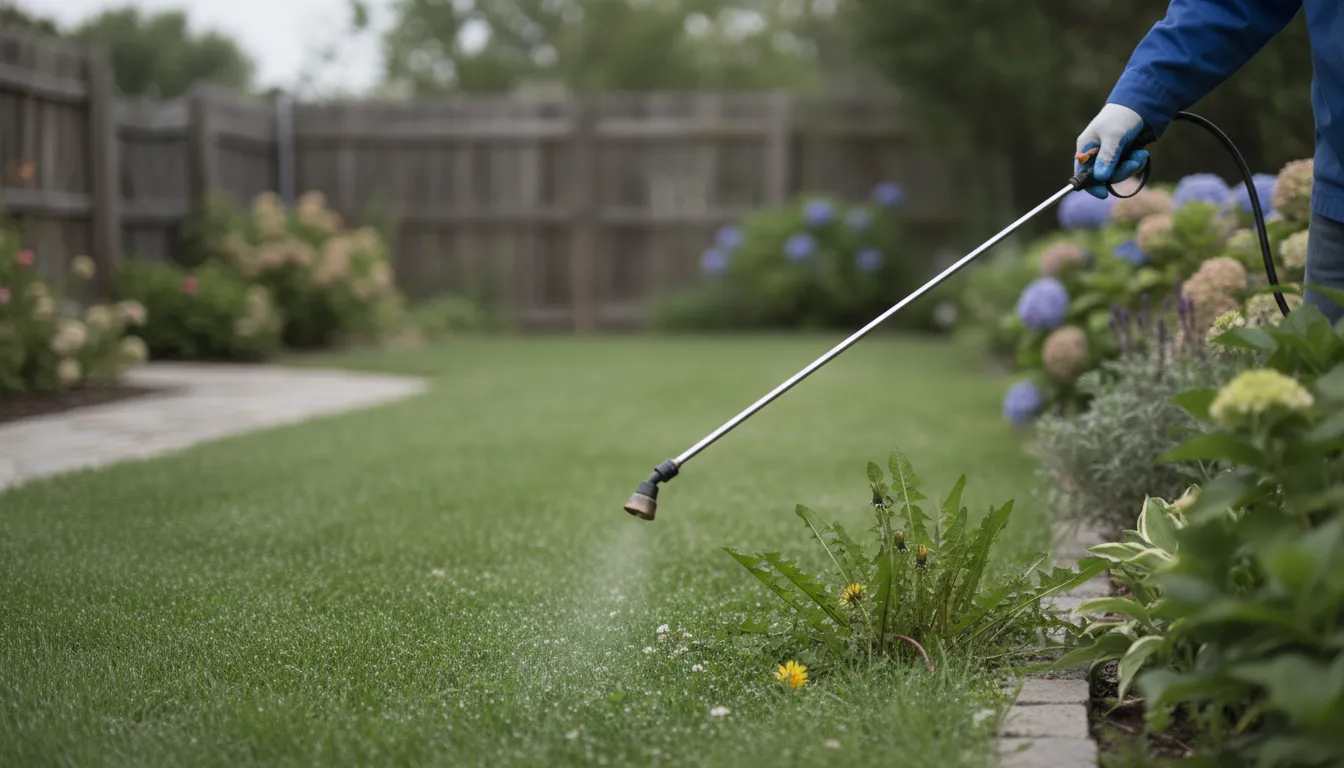
A healthy, vibrant lawn in Rhode Island requires a targeted approach to feeding and weed management. Professional lawn fertilization and weed control services provide a science-backed, seasonal strategy to nourish your cool-season grasses and prevent invasive weeds from taking over. This guide outlines the essential practices, schedules, and considerations for maintaining a resilient lawn in the Ocean State, helping you understand the process and evaluate local service options.
Understanding Rhode Island's Lawn Environment
Rhode Island's climate presents specific challenges and opportunities for lawn care. The state experiences four distinct seasons, with cool-season grasses like Kentucky bluegrass, perennial ryegrass, and fine fescues being the most common. These grasses thrive in the cooler temperatures of spring and fall but can struggle with summer heat and humidity, which also create ideal conditions for weeds like crabgrass, dandelions, and clover. A successful lawn care program works with these seasonal rhythms, applying the right nutrients and protections at the optimal times to promote thick, healthy turf that naturally resists pests, disease, and weed invasion 1 2.
A foundational step before any fertilization program is a soil test. The University of Rhode Island strongly recommends testing your soil to determine its pH and nutrient levels. This prevents the over-application of fertilizers, particularly phosphorus, which can run off and harm local waterways. Many established lawns in Rhode Island do not need additional phosphorus, making a phosphorus-free or low-phosphorus fertilizer the responsible and effective choice.
The Seasonal Lawn Care Schedule for Rhode Island
A professional-grade lawn maintenance program follows a multi-step schedule tailored to the New England growing cycle. This proactive approach addresses lawn needs and weed pressures before they become visible problems.
Early Spring (March - Early April)
The goal in early spring is to encourage green-up and create a barrier against annual weeds. When soil temperatures consistently reach about 50°F, it's time for the first treatment.
- Focus: Fertilization & Pre-emergent Weed Control.
- Action: Apply a slow-release nitrogen fertilizer to fuel initial growth. Simultaneously, a pre-emergent herbicide is crucial to prevent crabgrass and other annual weed seeds from germinating. Products containing prodiamine or pendimethalin are commonly used.
Late Spring (May)
This application supports strong growth and addresses subsurface pests.
- Focus: Grub Control & Balanced Nutrients.
- Action: A balanced, slow-release fertilizer maintains steady growth. This is also the ideal window for applying preventative grub control, targeting the larvae before they can damage grass roots.
Summer (July - August)
During summer stress, the strategy shifts from promoting growth to sustaining health.
- Focus: Heat Stress Management & Spot Treatment.
- Action: Heavy fertilization is avoided. Light, slow-release formulas or biostimulants can help the lawn withstand heat and drought. Broadleaf weeds that appear are managed with targeted post-emergent spot treatments.
Early Fall (September)
This is the most important feeding of the year for cool-season grasses.
- Focus: Recovery and Reinforcement.
- Action: A high-nitrogen, slow-release fertilizer promotes deep root growth and nutrient storage for the winter. This feeding helps the lawn recover from summer stress and green up beautifully. It is the perfect time to pair fertilization with core aeration and overseeding to improve soil health and turf density.
Late Fall (October - November)
The final treatment prepares the lawn for dormancy.
- Focus: Winter Preparation.
- Action: A "winterizer" fertilizer, typically higher in potassium, is applied before the ground freezes (often by mid-October). This enhances root hardiness and improves the lawn's resilience and spring green-up 3.
Find the perfect lawn treatment companies for your needs
Get personalized recommendations and expert advice
Key Products and Ingredients for DIY Care
If you choose to manage your lawn yourself, selecting the right products is essential. Always follow label instructions precisely.
Fertilizers: Look for slow-release nitrogen sources, which feed the lawn gradually and are less likely to leach. The URI recommends phosphorus-free formulas for established lawns. Examples include:
- Milorganite Organic Nitrogen Fertilizer (6-4-0): An organic, slow-release option.
- GreenView Fairway Formula Lawn Fertilizer (27-0-5): A synthetic, zero-phosphorus option with slow-release nitrogen 4.
Weed Control:
- Pre-emergent Herbicides: Applied in early spring, these create a barrier in the soil. Effective active ingredients include prodiamine (found in products like Barricade), pendimethalin (in Scotts Turf Builder Halts Crabgrass Preventer), and dithiopyr 5.
- Post-emergent Herbicides: For weeds already visible, selective herbicides target broadleaf plants without harming grass. Look for products containing 2,4-D, dicamba, and mecoprop. Liquid concentrates like Ferti-lome Weed Free Zone are effective for spot treatment 6.
The Value of Professional Lawn Care Services
Many Rhode Island homeowners opt for professional lawn care services for consistency, expertise, and time savings. Professionals have access to commercial-grade products and the training to accurately diagnose issues like disease, insect damage, or soil compaction. They implement the full seasonal schedule, ensuring treatments are applied at the correct time for maximum effectiveness.
What to Expect from a Professional Program: A typical professional program in Rhode Island includes 4 to 6 visits per year, encompassing both fertilization and weed control 7. This integrated approach is designed to keep your lawn healthy and weed-free throughout the growing season. Many companies also offer additional services like grub control, aeration, and lime applications as part of a comprehensive package.
Understanding Service Costs in Rhode Island
The cost of professional lawn fertilization and weed control in Rhode Island depends on your lawn's size, its condition, and the specific service package. Prices are generally structured in one of two ways:
- Per-Application Cost: A single visit for fertilization typically ranges from $60 to $80 for an average-sized residential lawn.
- Annual Program Cost: A full-season program (usually 5-6 visits) is often more cost-effective, with prices generally ranging from $300 to $600 per year 8 9 10. Standalone weed control visits usually cost between $50 and $100 8.
When evaluating estimates, ensure you understand exactly what is included-such as the number of visits, types of fertilizers and herbicides used, and whether spot weed treatment or grub control is part of the plan.
Environmental and Regulatory Considerations
Rhode Island has regulations to protect its water resources from nutrient runoff. The Department of Environmental Management advises against applying fertilizers to frozen ground and recommends using phosphorus-free fertilizer unless a soil test confirms a deficiency. Furthermore, there is a deadline for winterizer fertilizer applications, typically October 15th, to prevent nutrients from entering waterways during winter rains 11. Responsible lawn care professionals adhere to these guidelines, and DIY homeowners should be aware of them.
A well-executed lawn care plan does more than create a beautiful yard; it contributes to a healthier local environment by reducing chemical runoff and supporting sustainable landscaping practices 12 13.
Frequently asked questions
Sources
Footnotes
-
Seasonal Lawn Care Maintenance and Treatment Schedule - https://www.trugreen.com/lawn-care-101/blog/trugreen-lawn-care-services/lawn-maintenance-checklist ↩
-
Lawn Treatment Schedule: How to Plan Lawn Care Maintenance - https://www.lawndoctor.com/blog/lawn-care-schedule/ ↩
-
Your New England Lawn Care Schedule for The Perfect Lawn - https://seacoastturfcare.com/blog/new-england-lawn-care-schedule-perfect-lawn ↩
-
Google's Shopping Data - https://blog.google/products/shopping/shopping-graph-explained/ ↩
-
Rhode Island - Pre-Emergent Suggestions : r/lawncare - Reddit - https://www.reddit.com/r/lawncare/comments/1jegy1j/rhode_island_preemergent_suggestions/ ↩
-
Lawn weed killers & preventers for healthy lawns - Lowe's - https://www.lowes.com/pl/lawn-care/weed-killers-preventers/lawn/3815705835-3828246294 ↩
-
Lawn Weed Control Services | Lawn Doctor of Rhode Island - https://www.lawndoctor.com/eastprovidence-ri/lawn-care-local/weed-control/ ↩
-
How Much Does Lawn Fertilization Cost In Massachusetts and ... - https://lawnprolawncare.com/how-much-does-lawn-fertilization-cost-in-massachusetts-and-rhode-island/ ↩ ↩2
-
How much does lawn care service cost? - Green Lawn Fertilizing - https://www.greenlawnfertilizing.com/blog/how-much-does-lawn-care-service-cost ↩
-
Best Lawn Fertilization Services in Rhode Island for 2025 - https://rilawncare.com/lawn-fertilization-services-in-rhode-island/ ↩
-
Lawn Care Month by Month - Weston Nurseries - https://www.westonnurseries.com/lawn-care-month-by-month/ ↩
-
Healthy Lawn Care - URI Home-A-Syst - https://web.uri.edu/safewater/protecting-water-quality-at-home/sustainable-landscaping/healthy-lawn-care/ ↩
-
Around the Yard | Rhode Island Department of Environmental ... - https://dem.ri.gov/ri-stormwater-solutions/take-action/simple-steps/around-the-yard.php ↩