Find the Best Lawn Treatment Companies for Your Business
No obligation • Fast responses • Nationwide coverage

Why you can trust Landscape Atlas
Landscape Atlas is a leading United States resource for evaluating landscaping, lawn care, and outdoor service providers. Our team researches each category in depth, focusing on service quality, safety, and customer experience. Listings and rankings are based on independent criteria and user feedback, and companies cannot pay to influence our assessments or recommendations.
Search providers near you
Best Lawn Treatment Companies in Montana Ranked
Maintaining a healthy, vibrant lawn in Montana requires a tailored approach to fertilization and weed management. The state's cool-season grasses and variable climate demand a specific schedule and product selection to build resilience and suppress invasive weeds. This guide provides clear, practical information on professional services and DIY strategies to help you achieve a robust lawn, from the valleys of Missoula to the plains of Billings.
Understanding Montana's Lawn Grasses and Climate
Successful lawn care begins with knowing what you're growing. Most lawns in Montana are composed of cool-season grasses like Kentucky bluegrass, fine fescues, and perennial ryegrass. These grasses thrive in cooler temperatures and experience their peak growth periods in spring and fall. Montana's climate, with its cold winters, hot, dry summers, and relatively short growing season, presents unique challenges. Proper fertilization strengthens the grass to withstand summer heat stress and winter cold, while effective weed control prevents opportunistic plants from taking over during vulnerable periods. 1
The Optimal Fertilization Schedule for Montana Lawns
A well-timed feeding schedule is the cornerstone of lawn health. For Montana's conditions, the focus should be on fall applications, which promote strong root development for the following year. A typical professional program involves 2 to 4 applications annually. 2
- Early Spring (Late April/Early May): A light application helps the lawn green up after winter. This is often an ideal time for a combined "weed and feed" product to tackle emerging broadleaf weeds like dandelions.
- Late Spring/Early Summer (June): A second feeding supports sustained growth. It's crucial to avoid fertilizing during the peak of summer heat to prevent burning the grass.
- Late Summer/Early Fall (Early September): This is arguably the most important application. Fertilizing at this time helps the lawn recover from summer stress, encourages deep root growth, and stores energy for winter.
- Late Fall (October/November): A final "winterizer" application, high in potassium, is applied before the ground freezes. This helps decrease winter damage and provides a nutrient reserve for a quicker green-up in spring. 3
Choosing the Right Fertilizer and Weed Control Products
Selecting appropriate products is key to effective and safe lawn care.
Fertilizer: Look for a complete, slow-release nitrogen fertilizer. Slow-release formulas provide a steady supply of nutrients over time, reducing the risk of burning your lawn and promoting even growth. A balanced NPK (Nitrogen-Phosphorus-Potassium) ratio like 3-1-2 or 4-1-2 is often recommended. Common analyses include 25-10-10 or 16-16-16. Always follow label instructions for application rates. 4 5
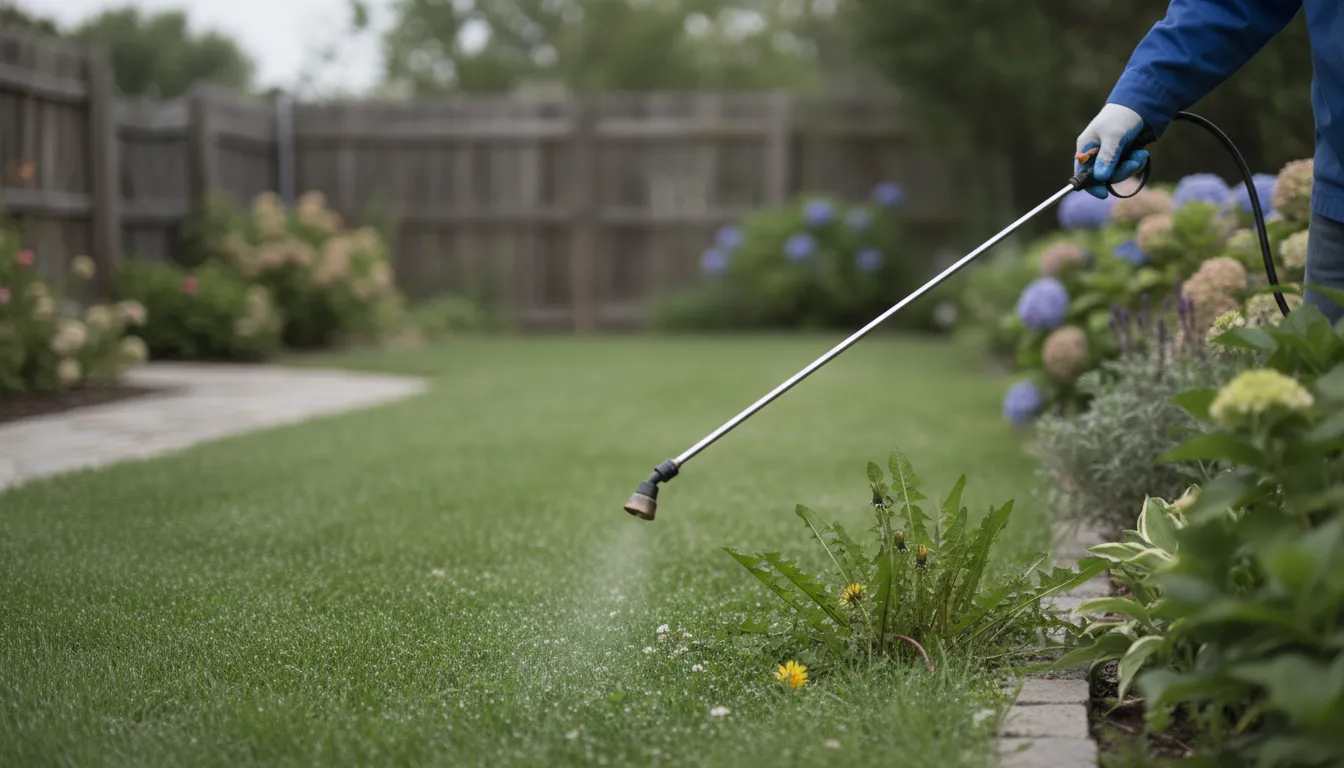
Weed Control: For DIY care, "weed and feed" granules offer convenience for broadleaf weed control during spring applications. For spot-treating specific problem areas, liquid herbicides can be more targeted. For persistent weeds like creeping bellflower or bindweed, you may need a specialized herbicide-always identify the weed first and choose a product labeled for it. Pre-emergent herbicides can be applied in early spring to prevent weed seeds from germinating. 6
Organic Options: Homeowners interested in organic lawn care can find products from local suppliers. These often include blends of natural ingredients like dried poultry waste, feather meal, and bone meal. Companies such as Nature's Best Inc. in Missoula offer organic fertilizer and weed control solutions. 7
Find the perfect lawn treatment companies for your needs
Get personalized recommendations and expert advice
Professional Lawn Care Services: Costs and Benefits
Hiring a professional lawn care company offers expertise, convenience, and access to commercial-grade products. In Montana, costs vary based on lawn size, location, and service frequency.
- Fertilization Service: The average cost per application ranges from $67 to $405.
- Weed Control Service: Spot treatment or blanket applications typically cost between $50 and $210 per visit. 8
- Annual Programs: Most companies offer bundled fertilization and weed control programs. An annual program with 4-6 visits averages between $250 and $1,000. Some bundled "weed and feed" programs with more frequent visits (e.g., 7 per year) can range from $350 to $875 annually. 9 10 11
The value of professional service lies in the provider's knowledge of local conditions, proper calibration of equipment, and liability insurance. Many companies offer discounts for signing an annual service contract.
DIY Lawn Care Best Practices
If you prefer to manage your lawn yourself, following best practices will yield better results.
- Mow First: Always mow your lawn before applying fertilizer or weed control products. This removes weed tops for better herbicide contact and ensures granules reach the soil. 12
- Water Properly: After applying fertilizer or granular weed control, water the lawn lightly to help move the product into the soil. For liquid herbicides, follow the label regarding watering.
- Calibrate Your Spreader: An incorrectly calibrated spreader can lead to uneven application, streaks, or burned grass. Practice on your driveway first to ensure an even flow.
- Read Labels Thoroughly: Product labels contain critical information on application rates, timing, safety precautions, and suitable grass types.
- Keep Records: Note what products you applied and when. This helps you track what works and plan for the next season.
Common Lawn Weeds in Montana and How to Manage Them
Montana lawns battle a variety of weeds. Correct identification is the first step to control.
- Broadleaf Weeds (Dandelions, Clover, Plantain): These are commonly controlled with post-emergent broadleaf herbicides, often found in "weed and feed" products. Fall is an excellent time for treatment as weeds are moving nutrients to their roots. 13
- Grassy Weeds (Crabgrass): This annual weed is best prevented with a pre-emergent herbicide applied in early spring before soil temperatures consistently reach 55°F. 14
- Persistent Perennials (Creeping Bellflower, Bindweed): These require persistent effort. Spot-treat with a systemic herbicide labeled for these tough weeds, and be prepared for multiple applications over seasons.
Seasonal Checklist for a Healthy Montana Lawn
Spring:
- Rake to remove thatch and winter debris.
- Apply pre-emergent herbicide for crabgrass if needed.
- Apply first fertilizer or weed-and-feed application in late April/May.
- Begin regular mowing, keeping blades sharp.
Summer:
- Mow regularly, never removing more than 1/3 of the grass blade.
- Water deeply and infrequently (about 1 inch per week).
- Avoid fertilizing during extreme heat.
- Spot-treat weeds as they appear.
Fall:
- Core aerate if soil is compacted.
- Apply the most important fertilizer applications in early and late fall.
- Continue mowing as grass growth slows.
- Treat broadleaf weeds; fall is very effective.
- Apply winterizer fertilizer.
Winter:
- Keep leaves and debris off the lawn to prevent snow mold.
- Avoid walking on frozen grass to prevent crown damage.
Frequently asked questions
Sources
Footnotes
-
Planting & Maintaining Lawns in Northwest Montana (Zones 3-5) - https://columbiafallsnursery.com/wp-content/uploads/2025/07/Lawns.pdf ↩
-
Fertilization - My Leisure Lawn - https://www.myleisurelawn.com/fertilization/ ↩
-
Lawn Care Month by Month - Weston Nurseries - https://www.westonnurseries.com/lawn-care-month-by-month/ ↩
-
Northern Gardening Tips: For hardy lawns, mow first, fertilize later - https://www.montana.edu/news/3696/northern-gardening-tips-for-hardy-lawns-mow-first-fertilize-later ↩
-
MAINTENANCE - Bitterroot Turf Farm - https://www.turfmontana.com/index.php/maintenance-2/ ↩
-
Best Practices for Seasonal Lawn Maintenance in Montana - https://backyardbarbermt.com/blogs/what-are-the-best-practices-for-seasonal-lawn-maintenance ↩
-
Lawn Fertilizer & Weed Control - Missoula - Nature's Best Inc. - https://www.naturesbestinc.com/fertilizer-and-weed-control ↩
-
How Much Does Lawn Weed Control Cost in 2026? - Lawn Love - https://lawnlove.com/blog/weed-control-cost/ ↩
-
average cost of lawn fertilization service: 7 Best 2025 Wins - https://ajmgrounds.com/average-cost-of-lawn-fertilization-service/ ↩
-
How Much Does Lawn Care Cost in 2026? - LawnStarter - https://www.lawnstarter.com/blog/cost/lawn-care-price/ ↩
-
Planting & Maintaining Lawns in Northwest Montana (Zones 3-5) - https://columbiafallsnursery.com/wp-content/uploads/2025/07/Lawns.pdf ↩
-
Northern Gardening Tips: For hardy lawns, mow first, fertilize later - https://www.montana.edu/news/3696/northern-gardening-tips-for-hardy-lawns-mow-first-fertilize-later ↩
-
Herbicides - Weed Killer & Control for Lawn ... - DoMyOwn - https://www.domyown.com/herbicides-c-59_188.html?page=all ↩
-
Maintaining Successful Lawns in Montana - Gallatin County - https://www.gallatinmt.gov/weed-district/files/weed-info-maintaining-successful-lawns-montana ↩