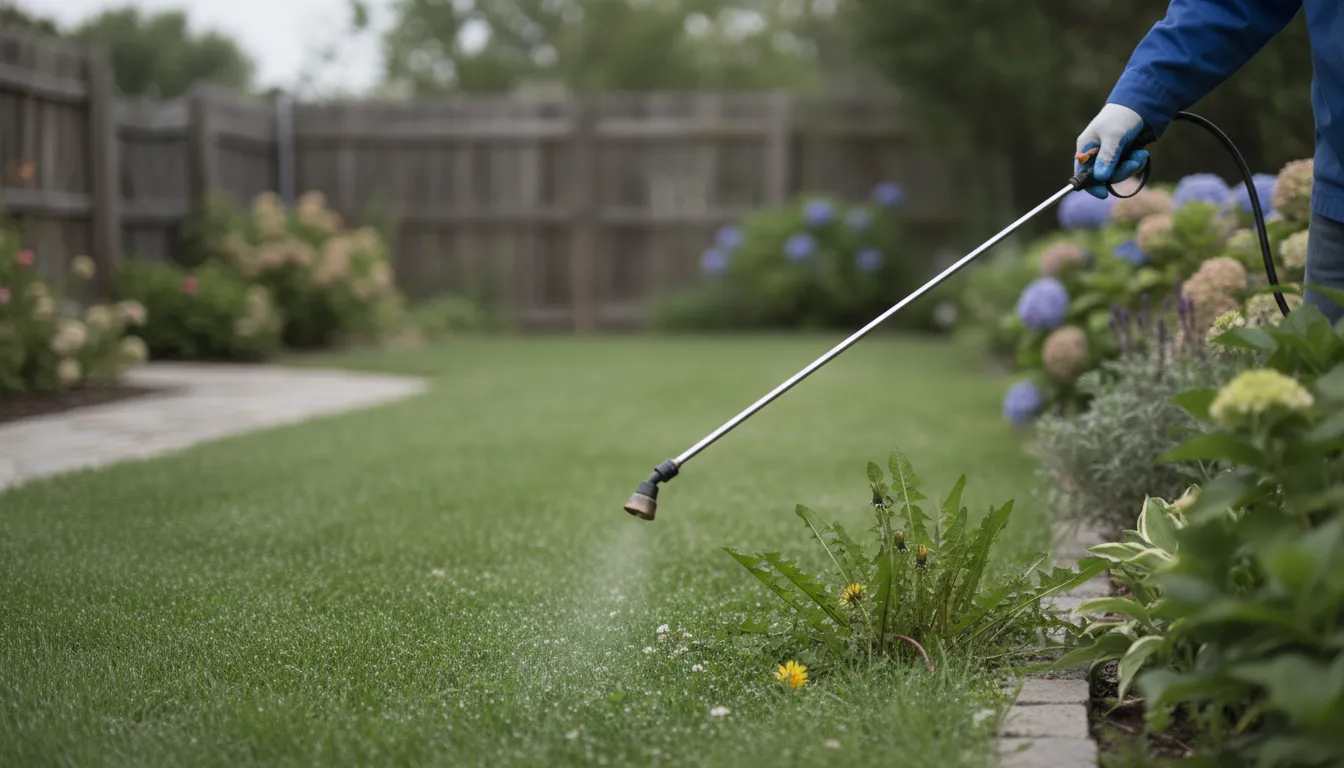
Find the Best Lawn Treatment Companies for Your Business
No obligation • Fast responses • Nationwide coverage

Why you can trust Landscape Atlas
Landscape Atlas is a leading United States resource for evaluating landscaping, lawn care, and outdoor service providers. Our team researches each category in depth, focusing on service quality, safety, and customer experience. Listings and rankings are based on independent criteria and user feedback, and companies cannot pay to influence our assessments or recommendations.
Search providers near you
Best Lawn Treatment Companies in Kansas Ranked
A healthy, vibrant lawn in Kansas requires a strategic approach to feeding and weed management. The state's variable climate, with hot summers and cold winters, demands a schedule tailored to your specific grass type and local conditions. Professional lawn fertilization and weed control services provide expertise in timing, product selection, and application to build a resilient turf that can outcompete weeds and withstand seasonal stress. This guide outlines the essential practices, seasonal schedules, and considerations for maintaining your Kansas lawn, helping you understand your options and connect with knowledgeable local professionals.
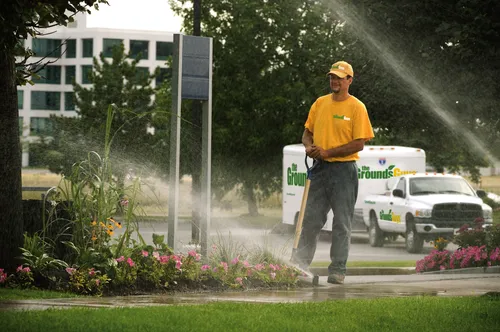
The Grounds Guys of Wichita
1816 N Wabash Ave, Wichita, KS 67214
The Grounds Guys of Wichita provides comprehensive landscaping and lawn care services in Wichita, KS. Their offerings include lawn mowing, fertilization, weed control, irrigation installation and repair, landscape design, hardscaping such as patios and retaining walls, tree services, and yard drainage solutions. They specialize in eco-friendly and drought-tolerant landscaping options, incorporating water-smart irrigation and permeable hardscaping to conserve resources. The company delivers tailored landscape maintenance programs that include mowing, pruning, aeration, and seasonal cleanups to keep properties well-maintained year-round. Their team also offers custom landscape designs with 2D and 3D previews to help clients visualize projects before installation. The Grounds Guys are part of a national network, providing local expertise with a broad range of landscaping capabilities.
Divine Lawns
5025 E Kellogg Dr #100, Wichita, KS 67218
Divine Lawns is a landscaping and lawn care company based in Wichita, KS, serving Wichita, Andover, El Dorado, and nearby areas. They offer a wide range of services including lawn mowing, fertilization, weed control, sod installation, tree trimming, removal, and stump grinding, as well as snow plowing and landscape design. Their team focuses on creating and maintaining healthy, vibrant outdoor spaces using skilled craftsmanship and environmentally conscious methods. Divine Lawns also provides specialized capabilities such as overseeding, dethatching, aeration, and professional mulch installation to enhance lawn health and appearance.
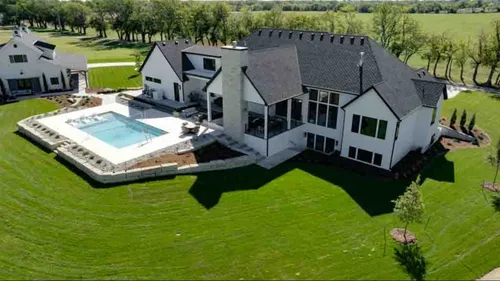
Meadowlark Landscape & Design - Wichita, KS
3425 N Broadway St, Wichita, KS 67219
Meadowlark Landscape & Design - Wichita, KS offers comprehensive landscaping and lawn care services in Wichita, KS. Their expertise includes custom landscape design, hardscaping, outdoor lighting, irrigation systems, tree and shrub care, grading and drainage, and lawn maintenance such as mowing, fertilization, and weed control. Founded in 2012, Meadowlark focuses on creating unique outdoor spaces tailored to each client's needs, combining original design with practical solutions. They also provide commercial and HOA landscape maintenance services.
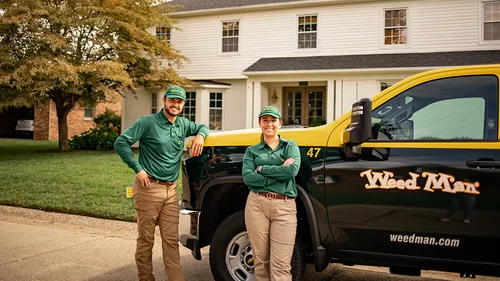
Weed Man Lawn Care
620 E Industrial St, Goddard, KS 67052
Weed Man Lawn Care is a lawn care company based in Wichita, KS, offering comprehensive lawn services including lawn fertilization and weed control. They focus on improving lawn health and appearance to help customers enjoy their outdoor spaces. Their services cover various aspects of lawn care to create well-maintained and attractive yards.
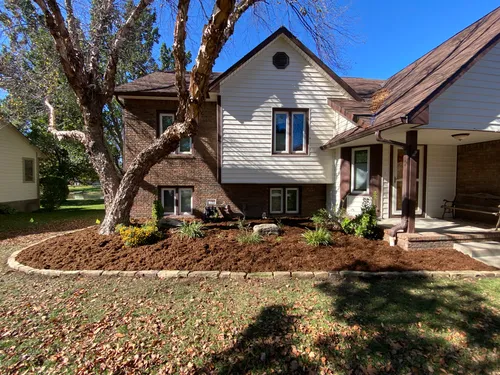
Green Outdoors Landscape
Wichita, KS
Green Outdoors Landscape is a family-owned landscaping company serving Wichita, KS, with 20 years of experience. They offer a wide range of services including landscape design and installation, hardscaping with patios and retaining walls, turf care such as sod installation and lawn fertilization, tree trimming, yard drainage solutions, and seasonal maintenance. Their expertise includes custom patio design and installation, along with stormwater management and regrading to address drainage issues. The company emphasizes working closely with clients to bring their outdoor visions to life through creative and dedicated service.
Understanding Kansas Lawn Types
The first step to effective lawn care is identifying your grass. Kansas lawns are typically divided into two categories: cool-season and warm-season grasses, each with different growth cycles and care requirements 1.
Cool-Season Grasses: These grasses, such as tall fescue and Kentucky bluegrass, thrive in the cooler temperatures of spring and fall. They are most common in the eastern and northern parts of the state. Their primary growth spurts occur when temperatures are between 60°F and 75°F, which dictates the optimal timing for fertilization 2 3.
Warm-Season Grasses: Varieties like bermudagrass and zoysiagrass are better suited to the intense summer heat found across much of Kansas, particularly in the central and southern regions. These grasses green up in late spring, grow vigorously through the summer, and go dormant (turn brown) after the first hard frost in fall 4. Their fertilization needs are centered on their active summer growth period.
Knowing your grass type is crucial, as applying fertilizer or herbicide at the wrong time can be ineffective or even harmful to your lawn.
The Essential Seasonal Schedule
A proactive, calendar-based approach is the key to lawn health. Here's a breakdown of the critical tasks for Kansas lawns throughout the year, integrating both fertilization and weed control strategies 5 6.
Early Spring (March - April)
This period is critical for preventing weeds before they start.
- Pre-Emergent Herbicide: The most important application of the year for crabgrass and other annual grassy weeds. Apply when soil temperatures consistently reach 55°F, which often coincides with the blooming of redbud trees 7 8.
- Broadleaf Weed Control: Spot-treat existing weeds like dandelions and clover on a calm day when temperatures are above 50°F.
- Fertilization: For cool-season grasses, avoid heavy fertilization in early spring unless you are committed to regular summer watering. If needed, use a slow-release, low-nitrogen formula to avoid promoting excessive top growth that struggles in summer heat. Warm-season grasses are not yet active, so hold off on feeding them.
Late Spring / Early Summer (May - June)
- Fertilization: A light, slow-release fertilizer application in May can benefit a watered cool-season lawn. For warm-season grasses, this is the start of their feeding season. Apply fertilizer as they begin to green up and grow.
- Weed Control: Monitor for weed breakthroughs. Post-emergent herbicides can be used for any weeds that escaped the pre-emergent barrier.
Summer (July - August)
- Stress Management: Focus on proper mowing and deep, infrequent watering. Avoid fertilizing cool-season grasses during peak summer heat, as it can stress the lawn. Warm-season grasses may benefit from a light summer feeding.
- Weed Monitoring: Some summer annual weeds may appear; spot-treat as necessary.
Late Summer / Early Fall (September - Early October)
This is the most important season for cool-season lawn care in Kansas.
- Core Fertilization: Apply a high-nitrogen fertilizer around Labor Day. This helps the turf recover from summer stress, promotes deep root growth, and builds energy reserves for the winter and next spring 9.
- Overseeding: The ideal time to overseed thin or damaged cool-season lawns is early fall, as soil is warm, air is cool, and there is less weed competition.
- Weed Control: Fall is an excellent time for broadleaf weed control, as weeds are actively transporting nutrients to their roots, making them more susceptible to herbicides.
Late Fall (November - Early December)
- Final Fertilization: The second most important feeding, especially for cool-season grasses. A late-fall application encourages root development and leads to an earlier spring green-up without causing excessive top growth.
- Final Weed Spray: Apply broadleaf herbicides on a day above 50°F. Weeds are often easier to control in fall than in the spring.
Find the perfect lawn treatment companies for your needs
Get personalized recommendations and expert advice
Product Selection for Kansas Lawns
Choosing the right products is as important as timing. Here's what to look for:
Pre-emergent Herbicides: To stop crabgrass and foxtail, look for products containing Prodiamine (e.g., Barricade) or Dithiopyr (e.g., Dimension). These create a barrier in the soil that prevents weed seeds from sprouting 10.
Fertilizers: Always start with a soil test from your local extension office. Without a test, a general turf fertilizer with a high first number (Nitrogen) is standard, such as a 24-0-6 NPK ratio. Slow-release nitrogen sources are preferred as they feed the lawn gradually, reducing the risk of burn and pollution from runoff 11.
Weed & Feed Products: These combination products can save time but require precise timing. The fertilizer and herbicide components need to be applied when both are appropriate for your lawn. Using them at the wrong time can waste money and be ineffective 12.
Post-emergent Weed Killers: For existing broadleaf weeds, products containing ingredients like 2,4-D, dicamba, and mecoprop are common and effective. Always follow label directions regarding temperature and application rates 13 14.
Professional Services vs. DIY: Costs and Considerations
Homeowners in Kansas typically weigh the convenience and expertise of professional services against the lower upfront cost of a do-it-yourself approach.
Professional Lawn Care Services: Hiring a professional ensures correct product selection, precise application timing, and proper equipment. Many companies offer annual programs that bundle fertilization and weed control into 4 to 7 visits per year.
- Cost per Application: Professional fertilization typically ranges from $67 to $405 per visit, while weed control services average $49 to $200 per application 15.
- Annual Program Cost: A comprehensive annual program in Kansas often falls between $250 and $1,000, depending on lawn size, service frequency, and location 16 17. Many providers offer discounts for signing an annual contract.
- Benefits: Expertise, time savings, consistent results, and often guaranteed service.
Do-It-Yourself Lawn Care: The DIY route requires an investment in equipment (a quality broadcast or drop spreader, sprayer) and your time to purchase and apply products.
- Product Costs: A bag of fertilizer covering 5,000 sq. ft. can cost $20 to $70+. Concentrated weed control products range from $10 to $45 per bottle 18 19.
- Considerations: Requires research, proper calibration of equipment, adherence to safety labels, and physical effort. The learning curve can lead to mistakes in timing or application, which may cost more to correct.
For science-based, localized advice, the Kansas State University Extension Office is an invaluable free resource for all homeowners, whether they DIY or hire out 20.
Key Factors Influencing Lawn Care Success in Kansas
Beyond the schedule, several local factors play a major role:
- Soil Type: Kansas soils vary from clay-heavy to sandy. Clay soils hold moisture and nutrients longer but drain poorly, while sandy soils require more frequent watering and feeding.
- Watering Practices: Deep, infrequent watering encourages deep root growth. Most Kansas lawns need about 1 to 1.5 inches of water per week from rainfall or irrigation.
- Mowing Height: Never cut more than one-third of the grass blade. Keeping cool-season grasses taller (3-4 inches) in summer shades the soil, conserves moisture, and helps suppress weeds.
- Local Ordinances: Some municipalities have regulations regarding fertilizer content (especially phosphorus) and application timing to protect waterways. Always check local guidelines.
Frequently asked questions
Sources
Footnotes
-
Month-to-Month Lawn Care Guide for Kansas - LawnStarter - https://www.lawnstarter.com/blog/kansas/monthly-lawn-care-guide-ks/ ↩
-
Professional vs. Home Fertilization: What's Best for Your Lawn? - https://kappslawn.com/how-cicadas-affect-wildlife-and-ecosystems-in-your-garden-2/ ↩
-
Fertilizing Cool Season Lawns - Johnson County Extension Office - https://www.johnson.k-state.edu/programs/lawn-garden/agent-articles-fact-sheets-and-more/agent-articles/lawns/fertilizing-cool-season-lawns.html ↩
-
MF683 Zoysiagrass in Kansas - https://bookstore.ksre.ksu.edu/pubs/zoysiagrass-in-kansas_MF683.pdf?utm_source=chatgpt.com ↩
-
Month-to-Month Lawn Care Guide for Kansas - LawnStarter - https://www.lawnstarter.com/blog/kansas/monthly-lawn-care-guide-ks/ ↩
-
Lawn calendar for cool-season grasses - https://www.ksre.k-state.edu/news/stories/2023/03/horticulture-lawn-calendar-cool-season.html ↩
-
Lawn Help - Green Boys LawnCare, Inc. - https://greenboylawns.com/lawn-help ↩
-
Spring Lawn Care Commandments - Johnson County Extension Office - https://www.johnson.k-state.edu/programs/lawn-garden/agent-articles-fact-sheets-and-more/agent-articles/lawns/spring-lawn-care.html ↩
-
Lawn Care Season Guide - Johnson County Extension Office - https://www.johnson.k-state.edu/programs/lawn-garden/agent-articles-fact-sheets-and-more/agent-articles/lawns/lawn-care-seasonal-guide.html ↩
-
Best Herbicide for Wichita Lawns - Elite Landscape Solutions - https://www.elitelandscape365.com/blog/best-herbicide-for-wichita-lawns/ ↩
-
Nip weeds in the bud with the best weed killers | KSNT 27 News - https://www.ksnt.com/reviews/br/lawn-garden-br/fertilizers-br/best-weed-killers-for-spring/ ↩
-
Google's Shopping Data - https://blog.google/products/shopping/shopping-graph-explained/ ↩
-
Lawn Care Season Guide - Johnson County Extension Office - https://www.johnson.k-state.edu/programs/lawn-garden/agent-articles-fact-sheets-and-more/agent-articles/lawns/lawn-care-seasonal-guide.html ↩
-
Lawn Weed Control - Johnson's Garden Centers - https://johnsonsgarden.com/collections/lawn-weed-control ↩
-
How Much Does Lawn Weed Control Cost in 2026? - https://lawnlove.com/blog/weed-control-cost/ ↩
-
The 10 Best Lawn Fertilizing Services in Kansas City, KS (2026) - https://homeguide.com/ks/kansas-city/lawn-fertilizing/ ↩
-
How Much Does Lawn Fertilization Cost in 2026? - LawnStarter - https://www.lawnstarter.com/blog/cost/lawn-fertilization-price/ ↩
-
average cost of lawn fertilization service: 7 Best 2025 Wins - https://ajmgrounds.com/average-cost-of-lawn-fertilization-service/ ↩
-
Average cost for weed and fertilizer treatments on a residential ... - https://www.facebook.com/groups/305770469602511/posts/2899885820190950/ ↩
-
DIY Lawn Fertilization vs. Hiring A Professional - https://www.greensolutionslpc.com/diy-lawn-fertilization-vs-professional/ ↩