Find the Best Lawn Treatment Companies for Your Business
No obligation • Fast responses • Nationwide coverage

Why you can trust Landscape Atlas
Landscape Atlas is a leading United States resource for evaluating landscaping, lawn care, and outdoor service providers. Our team researches each category in depth, focusing on service quality, safety, and customer experience. Listings and rankings are based on independent criteria and user feedback, and companies cannot pay to influence our assessments or recommendations.
Search providers near you
Top Lawn Treatment Companies in Wichita, Kansas Ranked
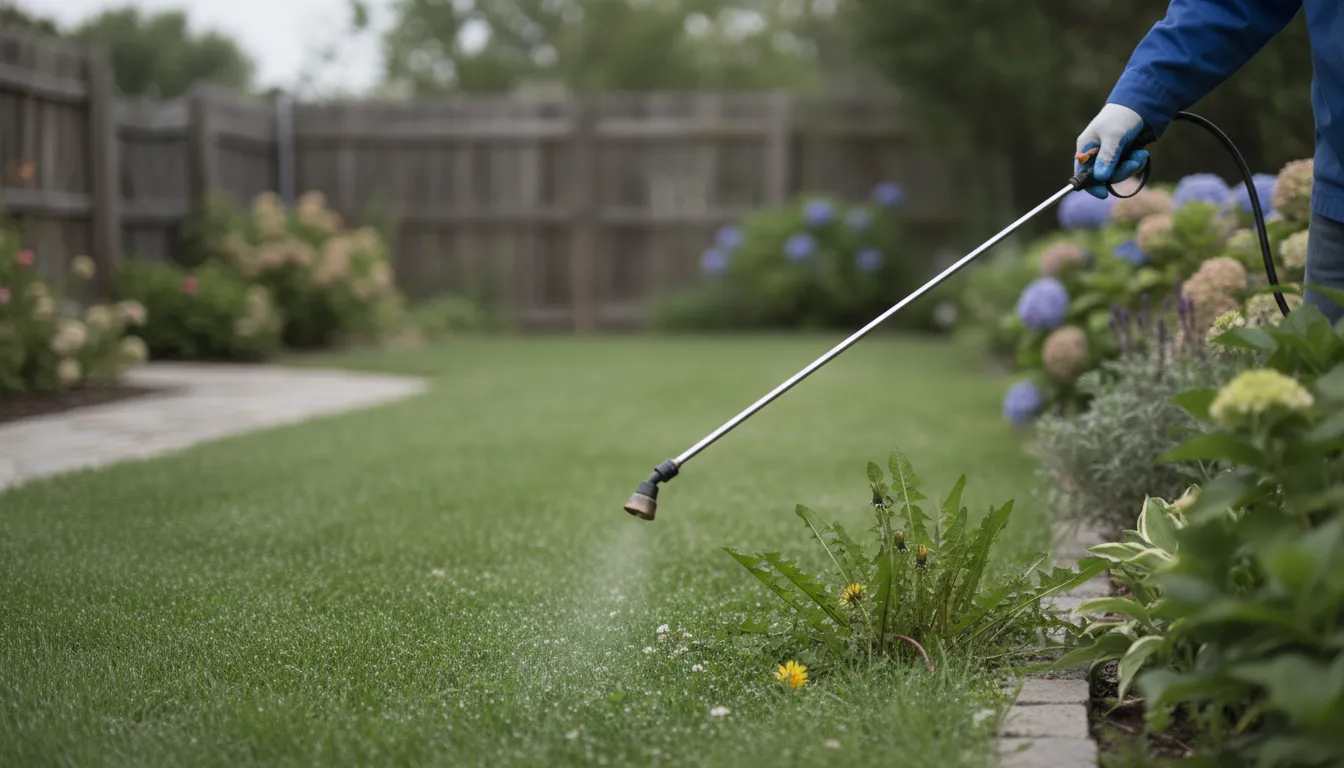
A healthy, vibrant lawn is more than just a patch of grass; it's an extension of your home and a source of pride. In Wichita's unique climate, achieving that lush, green carpet requires a strategic, science-backed approach to lawn fertilization and weed management. This guide explains the essential services that help your grass thrive, from seasonal nutrient applications to targeted weed eradication, and how you can connect with local experts to implement a successful program for your property.
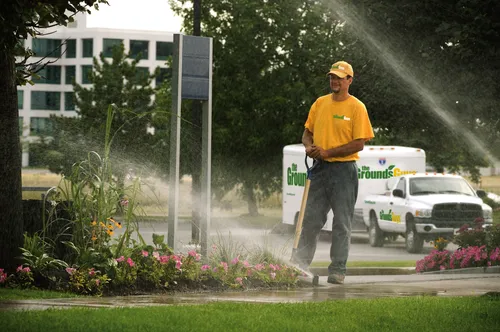
The Grounds Guys of Wichita
1816 N Wabash Ave, Wichita, KS 67214
The Grounds Guys of Wichita provides comprehensive landscaping and lawn care services in Wichita, KS. Their offerings include lawn mowing, fertilization, weed control, irrigation installation and repair, landscape design, hardscaping such as patios and retaining walls, tree services, and yard drainage solutions. They specialize in eco-friendly and drought-tolerant landscaping options, incorporating water-smart irrigation and permeable hardscaping to conserve resources. The company delivers tailored landscape maintenance programs that include mowing, pruning, aeration, and seasonal cleanups to keep properties well-maintained year-round. Their team also offers custom landscape designs with 2D and 3D previews to help clients visualize projects before installation. The Grounds Guys are part of a national network, providing local expertise with a broad range of landscaping capabilities.
Divine Lawns
5025 E Kellogg Dr #100, Wichita, KS 67218
Divine Lawns is a landscaping and lawn care company based in Wichita, KS, serving Wichita, Andover, El Dorado, and nearby areas. They offer a wide range of services including lawn mowing, fertilization, weed control, sod installation, tree trimming, removal, and stump grinding, as well as snow plowing and landscape design. Their team focuses on creating and maintaining healthy, vibrant outdoor spaces using skilled craftsmanship and environmentally conscious methods. Divine Lawns also provides specialized capabilities such as overseeding, dethatching, aeration, and professional mulch installation to enhance lawn health and appearance.

Meadowlark Landscape & Design - Wichita, KS
3425 N Broadway St, Wichita, KS 67219
Meadowlark Landscape & Design - Wichita, KS offers comprehensive landscaping and lawn care services in Wichita, KS. Their expertise includes custom landscape design, hardscaping, outdoor lighting, irrigation systems, tree and shrub care, grading and drainage, and lawn maintenance such as mowing, fertilization, and weed control. Founded in 2012, Meadowlark focuses on creating unique outdoor spaces tailored to each client's needs, combining original design with practical solutions. They also provide commercial and HOA landscape maintenance services.
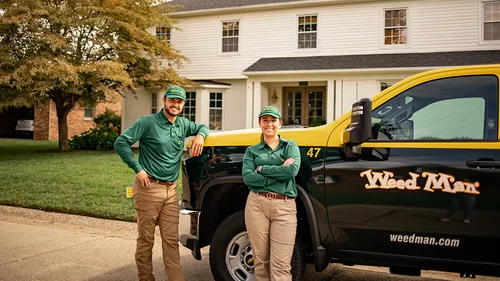
Weed Man Lawn Care
620 E Industrial St, Goddard, KS 67052
Weed Man Lawn Care is a lawn care company based in Wichita, KS, offering comprehensive lawn services including lawn fertilization and weed control. They focus on improving lawn health and appearance to help customers enjoy their outdoor spaces. Their services cover various aspects of lawn care to create well-maintained and attractive yards.
Green Outdoors Landscape
Wichita, KS
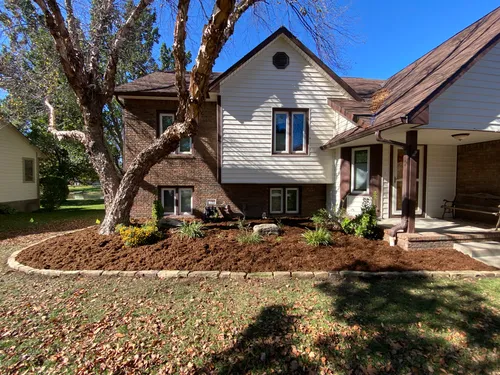
Green Outdoors Landscape is a family-owned landscaping company serving Wichita, KS, with 20 years of experience. They offer a wide range of services including landscape design and installation, hardscaping with patios and retaining walls, turf care such as sod installation and lawn fertilization, tree trimming, yard drainage solutions, and seasonal maintenance. Their expertise includes custom patio design and installation, along with stormwater management and regrading to address drainage issues. The company emphasizes working closely with clients to bring their outdoor visions to life through creative and dedicated service.
Understanding Wichita's Lawn Care Seasons
The key to effective lawn care in Wichita is timing. The city experiences distinct seasons that directly impact your grass's growth cycles and its vulnerabilities. A professional program is built around these seasonal shifts, applying the right products at the right time for maximum effect.
- Early Spring (March-April): This critical window focuses on prevention. As soil temperatures approach 55°F, a pre-emergent herbicide is applied to stop crabgrass seeds from germinating. This is combined with a complete fertilizer and broadleaf weed control to give your lawn a strong, weed-free start to the growing season.
- Late Spring (May-June): Treatment shifts to supporting vigorous growth. A seasonal fertilizer feeds the grass, while follow-up broadleaf weed control tackles any persistent invaders like dandelions or clover.
- Summer (July-August): The heat stresses both cool-season and warm-season grasses. Applications often include a slow-release fertilizer to provide steady nutrients without forcing excessive growth, along with spot treatments for weeds and potential insect or grub control if needed.
- Late Summer/Early Fall (August-September): As temperatures begin to moderate, this application uses a complete fertilizer and weed control to combat fall weeds and prepare the lawn for its peak growing period.
- Fall/Winterizer (October-November): Arguably the most important feeding of the year, this high-nitrogen fertilizer is dedicated to root development. Strong roots store energy for a quicker green-up in spring and improve the lawn's drought and disease resistance 1.
Tailoring Programs for Wichita Grass Types
Not all grass is the same. Wichita lawns typically feature either cool-season or warm-season grasses, each with different nutritional needs and active growth periods. A one-size-fits-all approach won't deliver optimal results.
Cool-Season Grasses: These varieties, such as Tall Fescue, Kentucky Bluegrass, and Perennial Ryegrass, thrive in cooler temperatures. They grow most actively in the spring and fall. Their fertilization program is heavily weighted towards autumn feedings, which build the robust root system needed to survive the summer heat and bounce back beautifully the following spring.
Warm-Season Grasses: Common varieties like Bermuda, Buffalograss, and Zoysia love the heat. They green up later in spring, grow vigorously through the summer, and go dormant (turn brown) after the first frost. Their primary feeding window is in late spring and summer, when they can most effectively use the nutrients to produce thick, dense turf 2 3.
A professional will identify your grass type and customize the treatment schedule and product selection accordingly, ensuring every application supports your lawn's natural growth cycle.
Core Services: More Than Just Feeding and Spraying
A comprehensive lawn health program integrates several key services that work together. Think of fertilization and weed management as the foundation, with other treatments acting as crucial support systems.
- Weed Control: This is a two-pronged strategy. Pre-emergent herbicides form a barrier in the soil to prevent weed seeds (especially crabgrass) from sprouting. Post-emergent herbicides are used to eliminate existing broadleaf and grassy weeds that have already emerged.
- Fertilization: This isn't just about adding nitrogen. A balanced approach provides the right mix of nitrogen (N) for green growth, phosphorus (P) for root development, and potassium (K) for overall plant health and stress tolerance. Treatments may also include iron for a deeper green color without excessive growth.
- Insect and Pest Control: Grubs, the larval stage of beetles, can cause significant damage by feeding on grass roots. Other common pests include fleas, ticks, and mosquitoes. Control for these is often available as an add-on service to protect both your lawn and your family 4 5.
- Supportive Cultural Practices: Soil testing is a valuable tool to identify specific nutrient deficiencies or pH imbalances. Core aeration relieves soil compaction, allowing water, air, and fertilizer to reach the root zone more effectively. Overseeding introduces new grass seed to fill in thin areas and improve turf density, often done in conjunction with aeration 6.
Find the perfect lawn treatment companies for your needs
Get personalized recommendations and expert advice
The Investment in a Healthier Lawn
The cost for professional lawn care services in Wichita varies based on the size of your lawn, the specific program you choose, and any additional services. Understanding the general investment can help in planning.
A basic annual fertilization and weed control program typically ranges from $300 to $600 or more for a standard-sized yard 7. This generally includes multiple seasonal visits. Individual visits for targeted weed control might range from $50 to $100 or more 7. Supportive services like aeration and overseeding are often priced as annual projects or add-ons, with costs commonly ranging from $150 to $750 or more depending on the scope 7.
The value lies in the consistency, expertise, and correct timing that professionals provide, which is difficult to replicate with DIY store-bought products. They have access to commercial-grade materials and the knowledge to apply them safely and effectively, ultimately saving you time and often money compared to trial-and-error approaches.
Why Professional Timing and Expertise Matter
Lawn care in Kansas is a science. Applying a pre-emergent just a week too late can allow a crabgrass infestation to take hold for the entire season. Fertilizing cool-season grass with high nitrogen in summer can stress it and promote disease. Professionals monitor growing degree days and soil temperatures-not just the calendar-to make these crucial timing decisions 8.
They are also trained in proper application techniques to ensure even coverage and avoid product runoff, which protects local waterways. Furthermore, they can accurately diagnose problems beyond simple weeds, such as fungal diseases or insect damage, and recommend the correct solution, preventing misapplication and wasted effort 9 10.
Building a Resilient Landscape
Ultimately, a consistent lawn feeding and weed prevention program does more than just improve curb appeal. It builds a thicker, more resilient turf that naturally crowds out weeds, resists pest infestations, and tolerates environmental stresses like drought and foot traffic. A healthy lawn also contributes to a healthier ecosystem around your home, filtering rainwater and cooling the air.
By partnering with a knowledgeable local provider, you invest in a systematic plan designed for Wichita's specific challenges. This proactive approach transforms lawn maintenance from a constant battle into a manageable process, yielding a beautiful, usable outdoor space for you and your family to enjoy.
Frequently asked questions
Sources
Footnotes
-
5 Application Lawn Program - https://naturescapelawncare.com/us/services/lawncare/5app/ ↩
-
Lawn Fertilization Service in Wichita KS - https://reddilawnmaintenance.com/lawn-fertilization ↩
-
MF2324 Fertilizing Kansas Lawns - KSRE Bookstore - https://bookstore.ksre.ksu.edu/pubs/fertilizing-kansas-lawns_MF2324.pdf ↩
-
Lawn Fertilization & Weed Control in Wichita, KS - https://www.luxurylawnandlandscaping.com/lawn-fertilization-weed-control ↩
-
Lawn Care & Weed Control Wichita, KS | Spring-Green - https://www.spring-green.com/lawn-care-locations/wichita-area/ ↩
-
Lawn Fertilization Service Wichita KS | Healthier Thicker Grass - https://www.elitelandscape365.com/landscaping-services/fertilization/ ↩
-
How much does lawn care service cost? - Green Lawn Fertilizing - https://www.greenlawnfertilizing.com/blog/how-much-does-lawn-care-service-cost ↩ ↩2 ↩3
-
When to Fertilize Your Lawn in Wichita, KS - Expert Advice - https://www.elitelandscape365.com/blog/when-to-fertilize-your-lawn-in-wichita-ks/ ↩
-
Lawn Care in Wichita, KS | Wetlands Irrigation & Turf - https://www.wetlandsirrigationllc.com/locations/wichita ↩
-
Professional Fertilization & Weed Control in Wichita - https://www.elitelandscape365.com/fertilization-weed-control-lp/ ↩