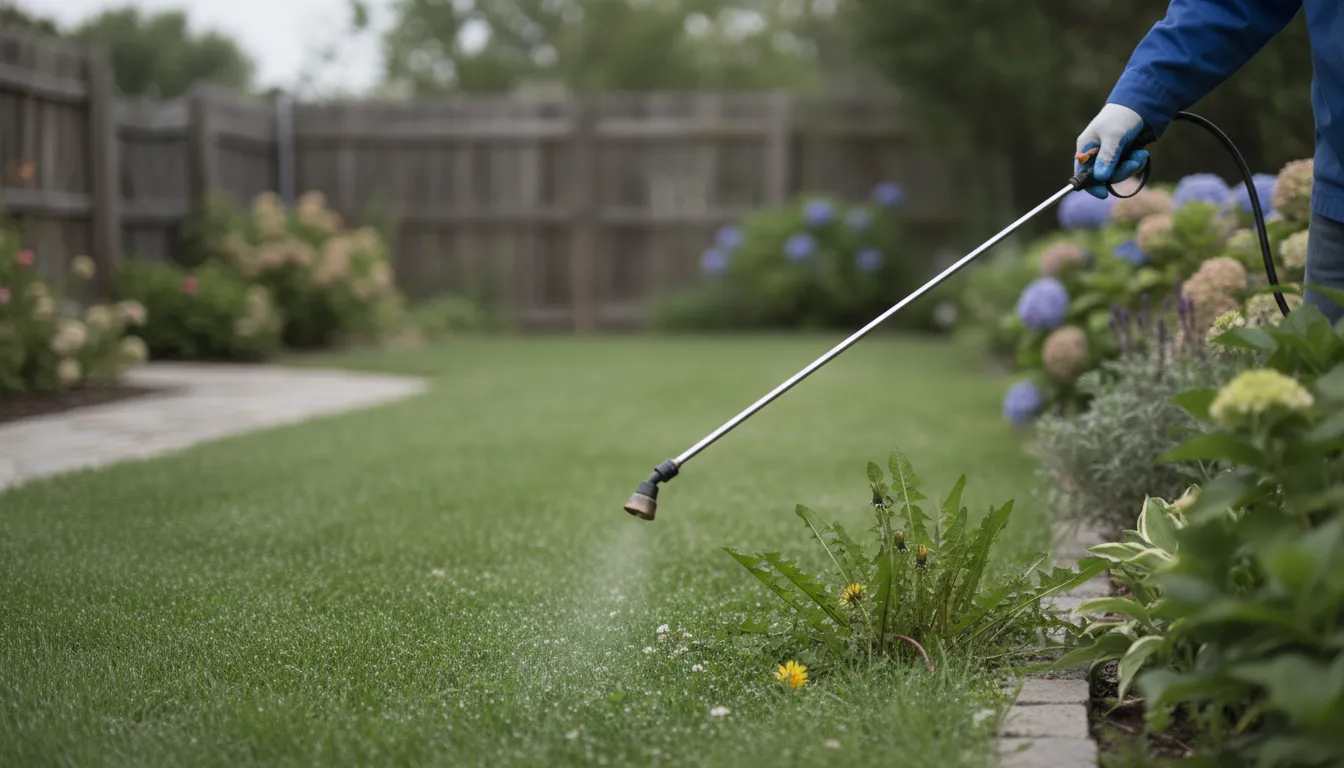
Find the Best Lawn Treatment Companies for Your Business
No obligation • Fast responses • Nationwide coverage

Why you can trust Landscape Atlas
Landscape Atlas is a leading United States resource for evaluating landscaping, lawn care, and outdoor service providers. Our team researches each category in depth, focusing on service quality, safety, and customer experience. Listings and rankings are based on independent criteria and user feedback, and companies cannot pay to influence our assessments or recommendations.
Search providers near you
Best Lawn Treatment Companies in Florida Ranked
Maintaining a healthy, green lawn in Florida is a unique challenge that requires a specialized approach. The state's subtropical climate, diverse grass types, and critical environmental regulations mean that a one-size-fits-all strategy often fails. Effective lawn fertilization and weed control are essential for a resilient turf that can withstand heat, humidity, and pests while protecting Florida's precious waterways. This guide provides a clear, science-backed overview of best practices, schedules, and considerations to help you understand your options and connect with knowledgeable professionals who can tailor a plan for your specific yard.
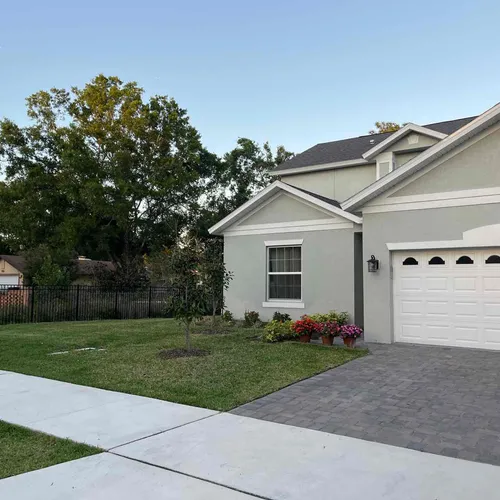
Lawn Love - Orlando
2295 S Hiawassee Rd, Orlando, FL 32835
Lawn Love - Orlando offers comprehensive lawn care and landscaping services in Orlando, FL. They provide core lawn care including mowing, trimming, edging, fertilization, and weed control, as well as specialized services such as gardening and leaf removal. Their local professionals serve the greater Orlando area, including Winter Park, Kissimmee, and Oviedo, adapting to the region's unique climate and soil conditions. Lawn Love uses a technology-driven approach to connect customers with insured lawn care experts, ensuring quality and convenience. The company emphasizes customer satisfaction with a guarantee to revisit and correct any issues.
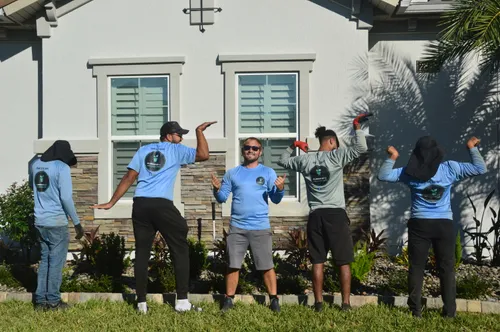
The Landscape Guy LLC
Jacksonville, FL
The Landscape Guy LLC is a landscaping company based in Jacksonville, FL, offering a wide range of outdoor services. Their expertise includes custom landscape design, irrigation system installation and repair, hardscaping with features like patios, walkways, and retaining walls, as well as lawn care, fertilization, sod and artificial turf installation, fence installation, landscape lighting, tree services, and pressure washing. Founded by Alex, who has a lifelong passion for landscaping inspired by his grandfather, the company serves Northeast Florida and surrounding areas. They focus on creating functional and attractive outdoor spaces tailored to clients' styles and needs.
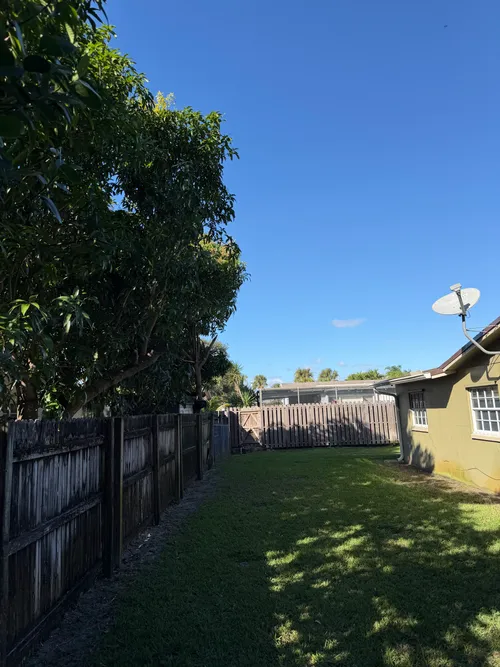
Grasso Landscaping L.L.C
Miami, FL
Grasso Landscaping L.L.C is a landscaping and lawn care company based in Miami, FL. They offer a range of services including lawn mowing, fertilization, weed control, and landscape design. The company provides customized lawn care plans and handles projects from initial consultation through design and execution. With over six years of experience, Grasso Landscaping serves clients throughout Broward County, focusing on tailored solutions and quality workmanship.
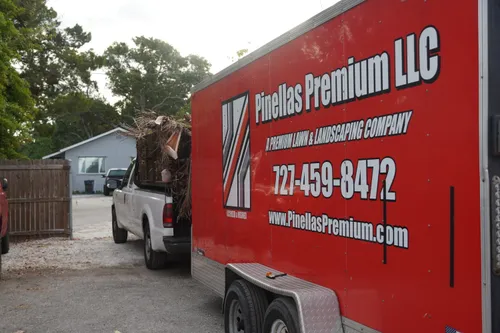
Pinellas Premium LLC
1700 77th Ave N, St. Petersburg, FL 33702
Pinellas Premium LLC is a lawn care and landscaping company based in St. Petersburg, FL. They provide a variety of services including lawn mowing, hedge trimming, weed control, leaf pick-up, debris hauling, pressure washing, general landscaping, and seasonal clean-up to maintain lawns throughout the year. With over a decade of experience, Pinellas Premium has built a reputation for reliable scheduling and clear communication, ensuring clients are informed and satisfied with their work.
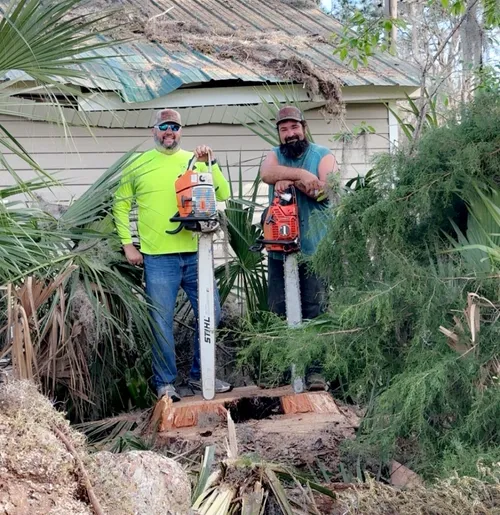
Big Fish & Little Fish Tree & Lawn Service, LLC
Jacksonville, FL
Big Fish & Little Fish Tree & Lawn Service, LLC offers licensed and insured tree and lawn care services in Jacksonville, FL, and throughout Northeast Florida. Since 2017, they have provided comprehensive property care including tree removal, trimming, stump grinding, land clearing, and professional lawn maintenance. Their team uses modern equipment like cranes and bucket trucks to safely handle trees of all sizes near homes and power lines. They also provide 24/7 emergency tree services for storm damage and hazardous situations across Baker County and surrounding areas.
Understanding Florida's Lawn Care Environment
Florida's climate is divided into three primary regions: North, Central, and South. Each has distinct seasonal patterns that dictate lawn care activities. North and Central Florida experience more defined cool seasons, while South Florida lawns grow year-round. Furthermore, Florida's sandy soils are typically low in nutrients and have poor water retention, making proper fertilization crucial yet challenging. Most importantly, these soils are directly connected to the state's aquifer and surface waters, making responsible nutrient management a legal and environmental imperative.
The most common warm-season grasses in Florida include:
- St. Augustinegrass: Popular for its shade tolerance and thick carpet.
- Bahiagrass: Known for its drought tolerance and low maintenance.
- Zoysiagrass: Valued for its fine texture and wear resistance.
- Bermudagrass: Often used on golf courses and sports fields for its durability.
Each grass type has slightly different nutrient needs and preferred mowing heights, which influence fertilization and weed control strategies.
The Critical Florida Fertilization Schedule
A proper feeding schedule is the cornerstone of lawn health. The goal is to provide nutrients when the grass is actively growing to maximize uptake and minimize runoff.
Regional Application Timelines
The following table outlines a general seasonal schedule. Always confirm with local county ordinances, as they may have specific "blackout dates."
| Season | North/Central Florida (St. Augustine, Zoysia, Bahia) | South Florida |
|---|---|---|
| Spring (Mar-May) | First fertilization in mid-April, once grass is actively growing. Apply pre-emergent herbicide in Feb-March to prevent summer weeds. | Fertilization year-round is possible, but early spring is best to initiate strong growth. |
| Summer (Jun-Sep) | Minimal feeding, primarily iron supplements for color (due to blackout periods). Use post-emergent weed control as needed. | Use iron/micronutrient supplements; follow local ordinances regarding nitrogen/phosphorus use. |
| Fall (Oct-Nov) | Last fertilizer application mid-Sept/early Oct. Use a potassium-rich fertilizer (e.g., 8-2-12) to strengthen roots for winter. | Apply a potassium-rich fertilizer in late fall to build hardiness. |
| Winter (Dec-Feb) | No high-nitrogen fertilization (grass is dormant). Apply pre-emergent herbicides in late Jan/Feb for spring/summer weeds. | Focus on micronutrients like iron/magnesium to maintain color without encouraging excessive growth. |
Understanding Fertilizer Blackout Periods
Many Florida counties and municipalities have enacted fertilizer ordinances that include a "blackout period," typically from June 1 to September 30. During this rainy season, the application of nitrogen and phosphorus fertilizers is often prohibited to protect water quality from nutrient pollution 1. This makes summer lawn care focus on cultural practices (proper mowing, irrigation) and the use of allowable products like iron supplements to maintain color.
Selecting the Right Fertilizer and Herbicides
Choosing the correct products is as important as timing.
Fertilizer Type: The University of Florida IFAS Extension strongly recommends using slow-release nitrogen (SRN) fertilizers that contain at least 50% slow-release nitrogen 2. This provides a steady nutrient supply, reduces leaching, and decreases the risk of burning the lawn. Since most Florida soils are naturally high in phosphorus, select a fertilizer with little to no phosphorus (the middle number in the N-P-K ratio). Formulas like 15-0-15 or 12-2-14 are often suitable 3 4.
Weed Control:
- Pre-emergent Herbicides: These products (e.g., containing prodiamine or dithiopyr) create a barrier in the soil that prevents weed seeds from germinating. They are most effective when applied in late winter/early spring for summer annuals and in fall for winter annuals 5.
- Post-emergent Herbicides: These are used to kill existing weeds. Selective herbicides target specific weeds (like broadleaf weeds in grass), while non-selective herbicides (like glyphosate) kill any plant they contact. "Weed and Feed" products combine fertilizer and herbicide but must be used cautiously, following label instructions regarding temperature and grass type 6.
Micronutrients: Iron (Fe) supplements, such as iron sulfate or chelated iron, are highly recommended in Florida. They promote a deep green color without the excessive growth spurts caused by nitrogen, making them ideal for use during summer blackout periods or in winter in South Florida 7.
Find the perfect lawn treatment companies for your needs
Get personalized recommendations and expert advice
The Value of Professional Lawn Care Services
Given the complexities of local laws, seasonal timing, and product selection, many homeowners opt for professional lawn fertilization and weed control services. Professionals have the training to correctly diagnose issues, select appropriate products, and apply them at the right time and rate.
A typical professional program in Florida involves 3-4 applications annually, timed according to the regional schedule. These services often bundle fertilization with targeted weed control, insect control, and sometimes micronutrient treatments.
Understanding Service Costs
Costs for professional lawn care in Florida are typically based on the size of your lawn (with 5,000 to 10,000 sq. ft. being an average residential size) and the complexity of the program 8 9.
| Service Type | Estimated Cost Range (Per Treatment) | Estimated Annual Cost |
|---|---|---|
| Basic Fertilization Program | $50 - $160 | $300 - $600 |
| Targeted Weed Control | $50 - $100 per visit | (Often bundled with fertilization) |
| Combined Fertilization & Weed Control Plan | $45 - $65 (basic plan, per treatment) | $180 - $260 (for a basic 4-visit plan) |
| Comprehensive Annual Plan | Varies by package | $450 - $2,000+ (may include pest control, aeration, etc.) |
These figures are estimates, and obtaining quotes from several local providers is the best way to understand pricing for your specific property 10 11 12.
DIY Lawn Care Best Practices
If you choose to manage your lawn yourself, follow these guidelines for success and environmental responsibility:
- Get a Soil Test: Before applying anything, contact your local UF/IFAS Extension office for a soil test kit. This will tell you exactly what nutrients your soil lacks, preventing over-application and saving you money 13.
- Read All Labels: The product label is the law. It provides critical information on application rates, timing, suitable grass types, and safety precautions.
- Calibrate Your Spreader: An incorrectly calibrated spreader leads to uneven application, striped lawns, and potential environmental harm. Practice on your driveway first.
- Practice "Right Place, Right Time": Never fertilize before a heavy rain, and keep all products off hardscapes like driveways and sidewalks where they can be washed into storm drains.
- Mow and Water Correctly: Mow at the recommended height for your grass type and never remove more than one-third of the blade at a time. Water deeply but infrequently (about ½ to ¾ inch per application) to encourage deep root growth.
Frequently asked questions
Sources
Footnotes
-
Fertilizer Blackout Period | St. Lucie County, FL - https://www.stlucieco.gov/departments-and-services/planning-and-development-services/code-compliance/fertilizer-info ↩
-
Fertilizing Your North Florida Lawn - UF/IFAS Extension - https://sfyl.ifas.ufl.edu/media/sfylifasufledu/baker/docs/pdf/horticulture/Fertilizing-Your-N-FL-Lawn.pdf ↩
-
The Best Lawn Fertilization Schedule and Tips for Florida - https://www.lawnstarter.com/blog/florida/lawn-fertilization-schedule-florida/ ↩
-
Fertilizer Guidelines for Florida | Tavares, FL - Official Website - https://www.tavaresfl.gov/1056/Fertilizer-Guidelines-for-Florida ↩
-
Summer Annual Lawn Weed Control Timeline - https://sfyl.ifas.ufl.edu/media/sfylifasufledu/escambia/horticulture/Summer-Annual-Lawn-Weed-Control-Timeline.pdf ↩
-
Best Fertilizer Schedule for Florida Lawns - https://www.horsemanslandscape.com/best-fertilizer-schedule-for-florida-lawns/ ↩
-
When to fertilize lawn in Florida? - https://www.facebook.com/groups/1041868839159818/posts/9822011101145504/ ↩
-
Lawn Care Cost Lakeland FL: 2025 Pricing Guide | GreenPal - https://www.yourgreenpal.com/blog/lawn-care-cost-lakeland-florida ↩
-
Lawn Care Cost Tampa FL: 2025 Pricing Guide | GreenPal - https://www.yourgreenpal.com/blog/lawn-care-cost-tampa-florida ↩
-
Lawn Care Pricing Chart: Your Guide to Fair Lawn Service Costs - https://invoicefly.com/academy/lawn-care-pricing-chart/ ↩
-
How Much Does TruGreen Cost? (2026) - HomeGuide - https://homeguide.com/costs/trugreen-cost ↩
-
Lawn Care Pricing Guide for Spring Hill & Tampa, Florida - https://www.steveandstevenslawn.com/lawn-care-pricing-in-spring-hill-tampa-beyond-what-you-should-expect ↩
-
Fertilizing 101: Protect Florida's Water and Grow a Healthy Lawn - https://www.swfwmd.state.fl.us/residents/water-101/fertilizing-101-protect-floridas-water-and-grow-healthy-lawn ↩