Find the Best Lawn Treatment Companies for Your Business
No obligation • Fast responses • Nationwide coverage

Why you can trust Landscape Atlas
Landscape Atlas is a leading United States resource for evaluating landscaping, lawn care, and outdoor service providers. Our team researches each category in depth, focusing on service quality, safety, and customer experience. Listings and rankings are based on independent criteria and user feedback, and companies cannot pay to influence our assessments or recommendations.
Search providers near you
Best Lawn Treatment Companies in New York Ranked
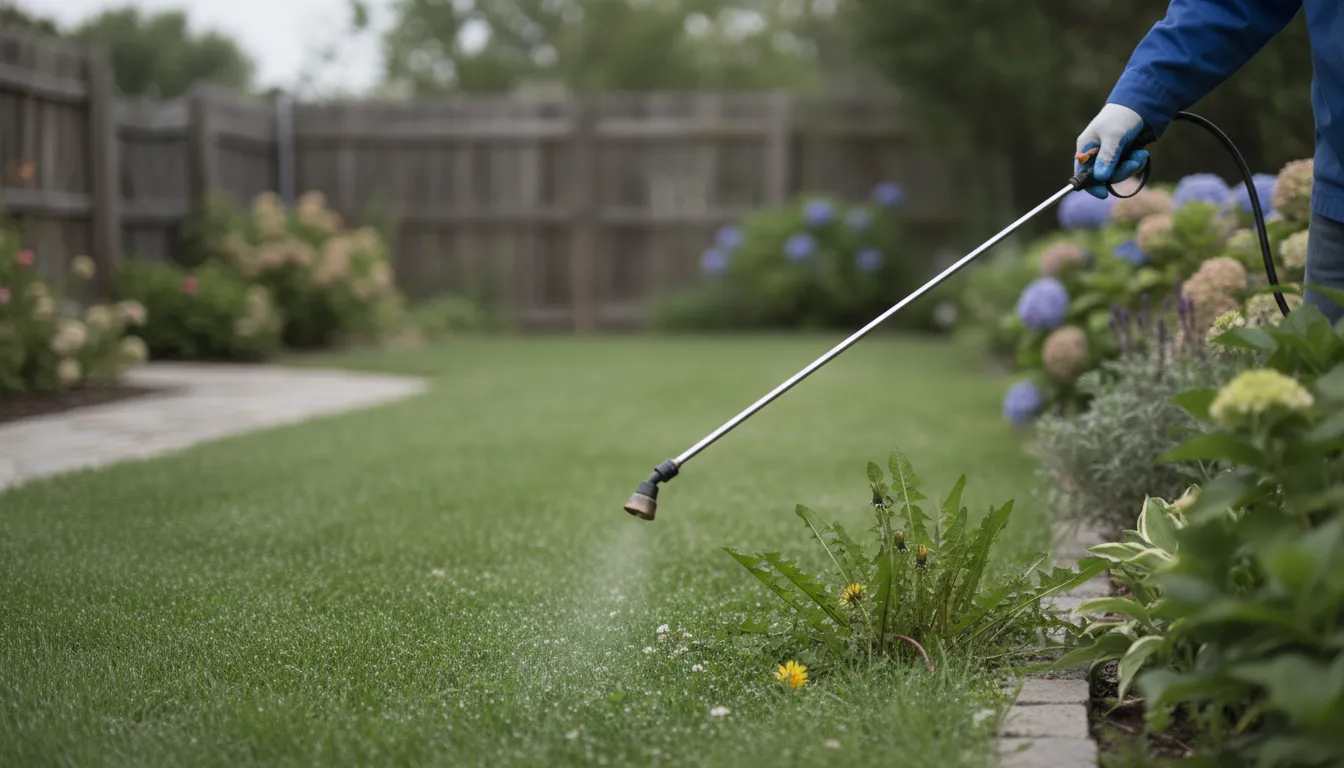
A healthy, vibrant lawn in New York requires a strategic approach to feeding and weed management. Lawn fertilization provides essential nutrients for robust grass growth, while targeted weed control prevents invasive plants from taking over. This guide outlines the essential practices, timing, and considerations for maintaining a beautiful lawn in the Empire State, helping you understand the services available to keep your property looking its best.
Alliance Landscapes
77 Keever Ave, Lackawanna, NY 14218
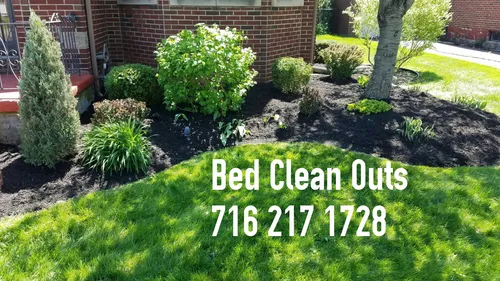
Alliance Landscapes is a full-service landscaping company based in Buffalo, NY. They offer a wide range of services including lawn fertilization, weed control, sod installation, artificial turf, landscape design, tree services, land clearing, hardscaping with pavers and retaining walls, and seasonal cleanups. The company is known for providing detailed design plans, including 3D renderings, to help clients visualize their projects. They have experience working on various landscaping needs from residential lawn care to complex outdoor living spaces. Alliance Landscapes also provides snow plow services during winter. The team is recognized for their quality workmanship, attention to detail, and clear communication throughout projects.
Lawn Buddies
267 NJ-33, Manalapan Township, NJ 07726
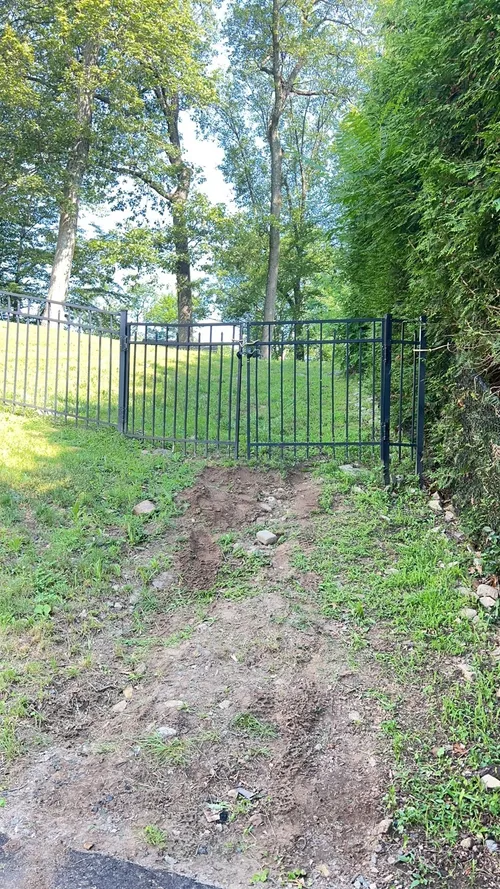
Lawn Buddies is a lawn care company serving New York, NY, specializing in lawn fertilization, weed control, and pest management. Their services include seasonal lawn fertilizer, weed and grub control, lime application, and mosquito and tick guard treatments. The company offers a satisfaction guarantee with unlimited service calls to maintain a healthy, pest-free lawn.
Lawn Buddies
200 Daniels Way, Freehold, NJ 07728
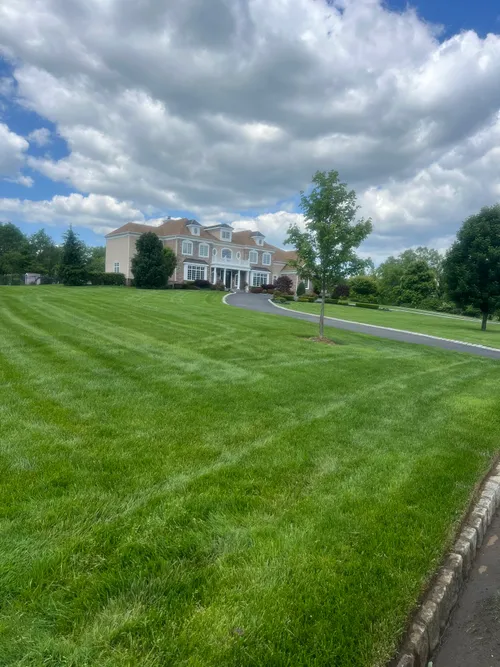
Lawn Buddies is a lawn care company serving New York, NY, specializing in lawn fertilization, weed control, and pest management. Their services include seasonal lawn fertilizer and weed control, grub control, lime application, and mosquito and tick guard treatments. The company offers a satisfaction guarantee with unlimited free service calls to maintain a weed-free and pest-free lawn.
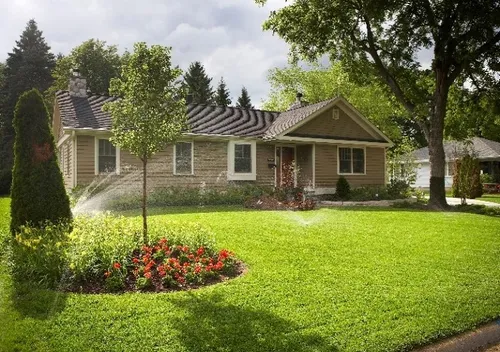
Heroes Lawn Care
231 Herbert Ave Space E, Closter, NJ 07624
Heroes Lawn Care provides lawn fertilization, weed control, sprinkler installation, and irrigation repair services in New York, NY. They focus on eco-conscious lawn care using environmentally responsible products and techniques. Their licensed team offers comprehensive lawn maintenance, including aeration and pet waste removal, tailored to each property. Heroes Lawn Care serves Northeast Bergen County and nearby areas with a proactive approach and quality assurance on every project.
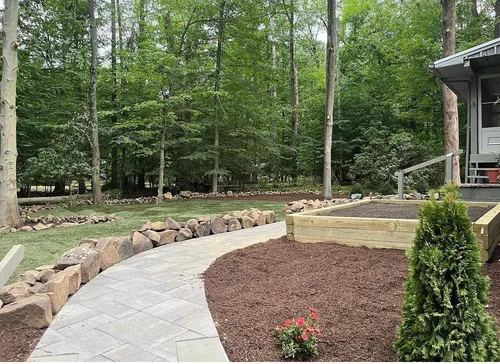
Haughey Brothers Landscaping LLC
New York, NY
Haughey Brothers Landscaping LLC is a family-owned landscaping company serving New York, NY, and nearby areas in Union County, New Jersey. They specialize in creating luxury outdoor living spaces, offering services such as landscape design, custom hardscaping, lawn care, fence installation, sod and artificial turf installation, yard drainage, and landscape lighting. Their team focuses on transforming yards into functional and beautiful retreats with attention to detail and craftsmanship. The company has several years of experience and provides services for both residential and commercial properties. They also offer snow removal and winter maintenance services to support year-round outdoor care.
Understanding Your New York Lawn
Most lawns in New York are composed of cool-season grasses like Kentucky bluegrass, perennial ryegrass, and fine fescues. These grasses thrive in the state's climate, with active growth periods in the spring and fall. A successful lawn care program is built on this seasonal cycle, focusing on strengthening the grass when it grows best and protecting it during periods of stress, such as the summer heat or winter dormancy. The foundation of any effective program is a soil test, which can reveal pH imbalances or nutrient deficiencies specific to your property, allowing for precise corrective actions like applying lime or sulfur.
The Essential Seasonal Schedule
Adhering to a seasonally-timed schedule is the most effective way to achieve a thick, weed-resistant lawn. The following timeline is tailored for New York's cool-season grasses.
Early Spring (March - April)
This critical period sets the stage for the entire growing season. The primary goal is to apply a crabgrass pre-emergent herbicide when soil temperatures consistently reach approximately 55°F, which typically occurs when forsythia bushes begin to bloom. This application creates a barrier that prevents crabgrass seeds from germinating. A light application of a slow-release nitrogen fertilizer can also be applied at this time to give the grass a gentle green-up boost without encouraging excessive top growth that could be damaged by a late frost.
Late Spring (April - May)
As soil temperatures warm and grass growth accelerates, a more substantial fertilizer application is beneficial. This is also the ideal time for post-emergent broadleaf weed control. Herbicides targeting dandelions, clover, and plantain are most effective when weeds are young, actively growing, and not under drought stress. Combining fertilization with weed control in a single service visit is a common and efficient practice.
Early Summer (June - July)
The focus shifts to maintaining lawn health as temperatures rise. A fertilizer application using slow-release nitrogen helps sustain color and density without causing a flush of growth that requires excessive mowing. This visit may also include monitoring for and treating early signs of insect activity, such as white grubs or chinch bugs, depending on local conditions.
Late Summer (August - September)
This is a pivotal window for lawn recovery and preparation for fall. A combined application of fertilizer and broadleaf weed control helps the grass recover from summer stress and thicken up. It is also an excellent time for spot-treating any persistent grassy weeds. Importantly, this period is optimal for core aeration and overseeding, which directly combat weeds by improving soil health and introducing new grass plants to fill in bare spots 1.
Late Fall (October - November)
The final and arguably most important application of the year is the winterizer fertilizer. Applied after the final mowing and leaf cleanup, but before the ground freezes, this treatment typically has a formulation higher in potassium (K). Potassium strengthens grass cell walls, enhancing winter hardiness, disease resistance, and root resilience. This "fall feeding" provides nutrient reserves that the grass will use for a healthier, greener start the following spring 2.
Key Components of a Professional Service
Fertilization Strategies
Professional lawn care utilizes specific fertilizer types for different seasons. Slow-release nitrogen (WIN) is favored in spring and summer for its steady, long-lasting nutrient supply that minimizes leaching and burn risk 3. Fall winterizer fertilizers shift the balance, often featuring higher ratios of potassium (the third number in the N-P-K analysis, e.g., 10-18-20) to promote hardiness 4. Professionals calibrate their equipment to apply the correct amount per square foot, ensuring even coverage and avoiding waste or environmental runoff.
Weed Control Methods
Effective weed management employs a two-pronged approach:
- Pre-emergent Herbicides: Applied primarily in early spring, these products prevent weed seeds (especially crabgrass) from germinating. Timing is absolutely critical-applying too early or too late renders them ineffective 5.
- Post-emergent Herbicides: These are used to kill existing weeds. Selective herbicides target specific weed types (like broadleaves) without harming the grass. They are most effective when applied during periods of active weed growth in moderate temperatures, typically in late spring and again in early fall 6 7.
Soil Health Management
Beyond feeding the grass, professionals often address the soil itself. Based on soil test recommendations, applications of lime (to raise pH in acidic soils) or sulfur (to lower pH) can be made in fall or early spring. Proper pH ensures grass can effectively access the nutrients in the soil and applied fertilizer 8.
Find the perfect lawn treatment companies for your needs
Get personalized recommendations and expert advice
Understanding Service Costs in New York
The cost for professional lawn feeding and weed management in New York varies based on several factors. A primary driver is the size of your lawn. Per-application pricing often ranges from approximately $20 to $80 for a 1,000 square foot lawn and can scale to $50 to $200 or more for a 2,500 square foot property 9 10. The specific weed pressures, desired product quality, and property accessibility also influence the price.
Many providers offer discounted multi-application package plans, which typically include 4 to 7 visits annually and cover the full seasonal schedule. These packages often provide better value than single treatments and ensure your lawn receives care at all the critical times 11. Add-on services like core aeration, overseeding, or pest control will increase the overall cost but contribute significantly to long-term lawn health 12.
Critical Considerations for New York Homeowners
- Timing is Everything: The success of pre-emergent and fall fertilizer applications is exceptionally time-sensitive. Missing the narrow window for spring crabgrass prevention or late fall winterizing can compromise an entire season's results 13.
- Cool-Season Grass Physiology: New York lawns are biologically programmed to respond best to fall fertilization. The late-season feeding promotes deep root growth, which is essential for surviving summer drought and winter cold 14.
- Local Regulations: Homeowners should be aware of New York State regulations concerning lawn care. These may include restrictions on the use of phosphorus-containing fertilizers (except for new establishments or proven deficiencies) and guidelines on application timing near water bodies to protect water quality 15. Always verify that any service provider is knowledgeable about and compliant with local ordinances.
Choosing the Right Service Approach
Whether you decide to manage your lawn yourself or hire a professional depends on your time, expertise, and goals. DIY lawn care requires purchasing equipment, storing products, and dedicating time to proper application. It offers full control but carries the risk of misapplication. Professional services bring expertise, commercial-grade products, guaranteed timing, and convenience. They can also diagnose and treat problems beyond simple feeding and weeding, such as disease or insect infestations.
When evaluating providers, look for companies that offer customized plans based on a property inspection, use high-quality slow-release fertilizers, employ a clear seasonal schedule, and are transparent about their pricing and the specific products they use. A reputable service will prioritize the long-term health of your lawn soil and grass, not just a quick green-up.
Frequently asked questions
Sources
Footnotes
-
fertilization and weed control - - http://www.fingerlakesturfandlandscape.com/fertilization ↩
-
Your Essential Year-Round Lawn Care Calendar for Westchester, Yonkers & NYC - https://www.windyfarm.net/blog-posts/essential-year-round-care ↩
-
Lawn Care Month by Month - Weston Nurseries - https://www.westonnurseries.com/lawn-care-month-by-month/ ↩
-
Central New York Lawn Care Guide - https://www.cnyrpdb.org/images/LawnCareGuide.pdf?pdf=Central_New_York_Lawn_Care_Guide_ ↩
-
When to Use Pre Emergent Herbicide: Best Time to Apply - https://www.lawndoctor.com/blog/pre-emergent-herbicide-how-to-use-when-to-apply/ ↩
-
Fertilization and Weed Control: Timing and Application - OneNeighbor - https://www.oneneighbor.com/blog/fertilization-and-weed-control-timing-and-application ↩
-
Best Time to Spray Weed Killer - Lawn Ace - https://lawnace.com/when-is-the-best-time-to-spray-weed-killer/ ↩
-
Lawn Care and Maintenance - GrowNYC - https://www.grownyc.org/files/citylot/Lawn_Care_and_Maintenance.pdf ↩
-
How Much Does Weed Control Cost in 2026? - LawnStarter - https://www.lawnstarter.com/blog/cost/weed-control-price/ ↩
-
How Much Does Lawn Fertilization Cost in 2026? - LawnStarter - https://www.lawnstarter.com/blog/cost/lawn-fertilization-price/ ↩
-
What Can You Expect From Our 6-Treatment Lawn Care Program? - https://brooklawnservices.com/what-can-you-expect-from-our-6-treatment-lawn-care-program/ ↩
-
How Much Does TruGreen Cost? (2026) - HomeGuide - https://homeguide.com/costs/trugreen-cost ↩
-
The Ultimate Lawn Care Schedule (2026) - Today's Homeowner - https://todayshomeowner.com/lawn-garden/reviews/lawn-care-schedule/ ↩
-
Lawn Care Schedule For Cool Season Grasses - https://www.domyown.com/lawn-care-schedule-for-cool-season-grasses-a-539.html ↩
-
Timing Fertilizer Application on Long Island - NY.Gov - https://extapps.dec.ny.gov/docs/water_pdf/ffstiming.pdf ↩