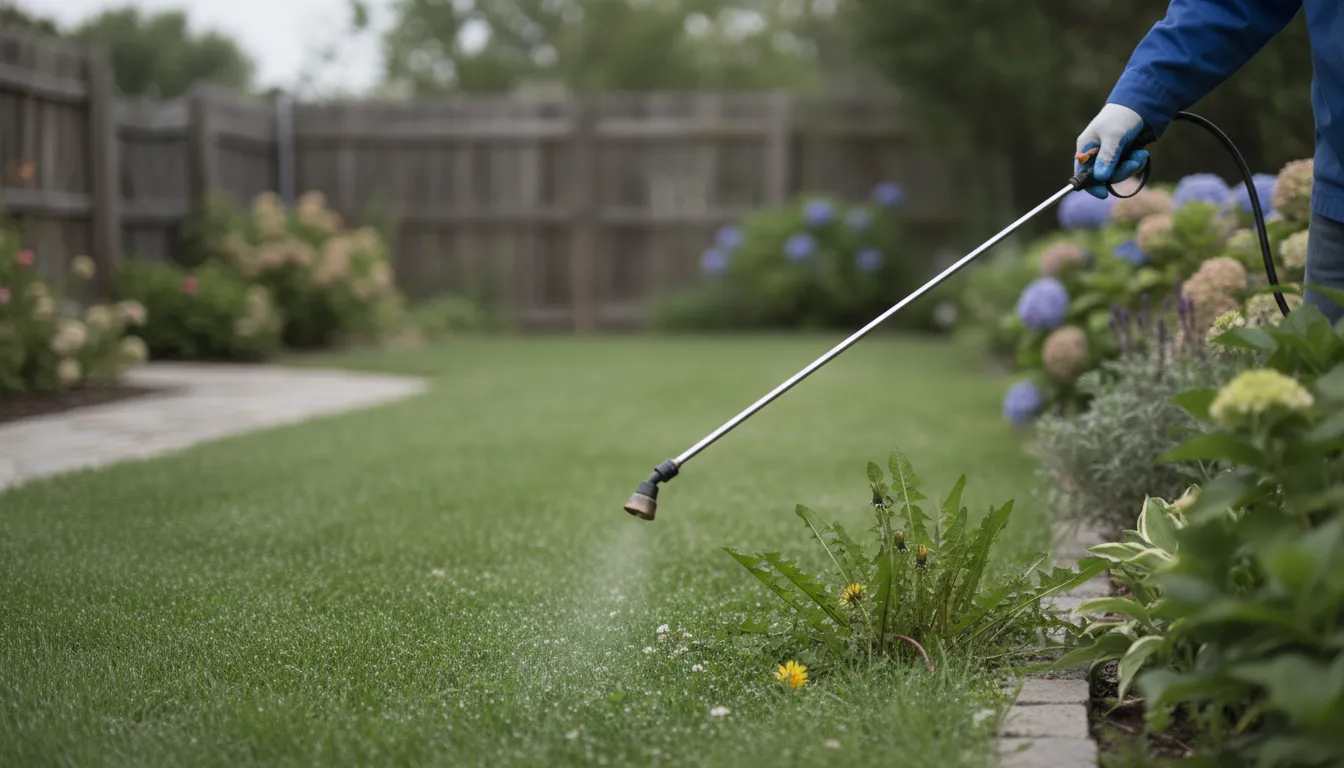
Find the Best Lawn Treatment Companies for Your Business
No obligation • Fast responses • Nationwide coverage

Why you can trust Landscape Atlas
Landscape Atlas is a leading United States resource for evaluating landscaping, lawn care, and outdoor service providers. Our team researches each category in depth, focusing on service quality, safety, and customer experience. Listings and rankings are based on independent criteria and user feedback, and companies cannot pay to influence our assessments or recommendations.
Search providers near you
Best Lawn Treatment Companies in Nebraska Ranked
A healthy, vibrant lawn in Nebraska requires a consistent, science-backed approach to fertilization and weed management. This service focuses on providing the right nutrients at the right time to strengthen your grass while proactively and reactively controlling invasive weeds. For Nebraska homeowners, understanding the local climate and grass types is key to developing an effective plan. This guide outlines the essential steps and considerations, helping you connect with local expertise to implement a successful lawn care strategy tailored to the Cornhusker State.
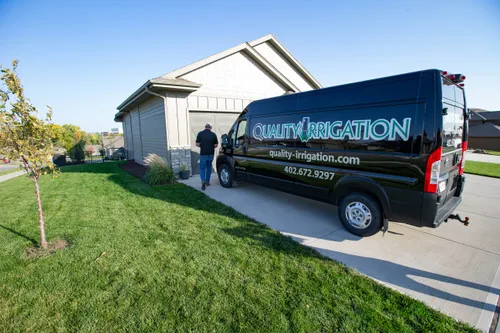
Quality Irrigation
14792 Ray Sapp Dr, Omaha, NE 68138
Quality Irrigation is a lawn care and irrigation service provider based in Omaha, NE. They offer lawn fertilization, weed control, sprinkler installation, and sprinkler repair services. Their irrigation memberships include regular maintenance and seasonal adjustments to keep systems efficient, while fertilization memberships provide year-round treatments for healthy, weed-free lawns. Quality Irrigation focuses on maintaining outdoor spaces with expert care and attention to detail.
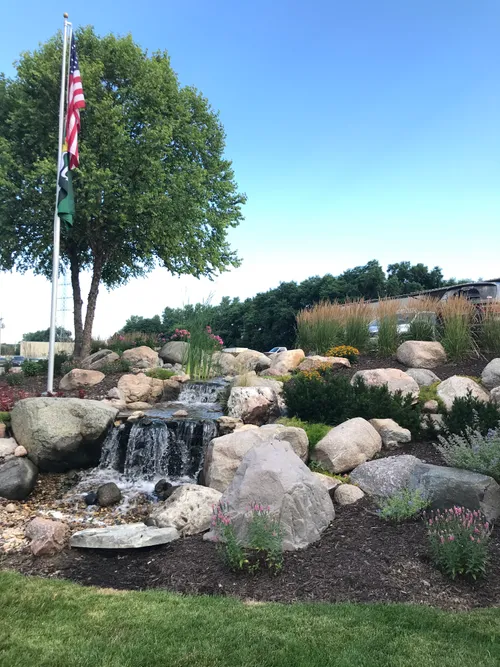
SunCo
7929 Irvington Rd, Omaha, NE 68122
SunCo is a lawn care and landscaping company based in Omaha, NE, providing a wide range of services including lawn fertilization, weed control, tree care, sprinkler installation and repair, and pest management. Serving both residential and commercial clients, SunCo offers specialized programs such as organic lawn care and plant health treatments to maintain healthy, green lawns and landscapes. Established in 1991, SunCo has over 30 years of experience in the industry and is known for its comprehensive sprinkler system services and commitment to environmentally conscious practices.
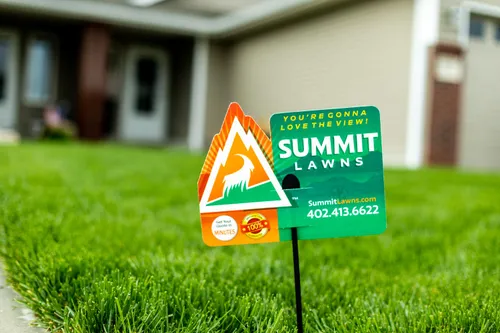
Summit Lawns - Lincoln Lawn Care
5335 N 57th St Suite B, Lincoln, NE 68507
Summit Lawns - Lincoln Lawn Care provides a range of lawn care services in Lincoln, NE, including lawn mowing, fertilization, weed control, mulch installation, shrub trimming, aeration, leaf cleanup, and seasonal services like snow removal and Christmas light installation. The company emphasizes comprehensive lawn maintenance to keep lawns healthy and attractive throughout the year. With over 10 years in business, Summit Lawns has completed more than 75,000 services annually and offers a satisfaction guarantee to ensure customer contentment.
Yard Boss - Lincoln Lawn Care
2250 Production Dr unit 19, Roca, NE 68430
Yard Boss - Lincoln Lawn Care provides lawn fertilization, weed control, aeration, overseeding, and pest control services in Lincoln, NE, and nearby areas including Hickman, Seward, and Crete. They also offer landscape and holiday lighting installation, maintenance, takedown, and storage. Their 5-step fertilization and weed control program includes grub control applications, promoting healthy lawn growth and effective weed removal. Core aeration and overseeding services help improve lawn health and appearance. The company operates with licensed, uniformed crews and branded service trucks to serve local customers.
Weed Man Lawn Care
729 N Frontier Dr, Papillion, NE 68046
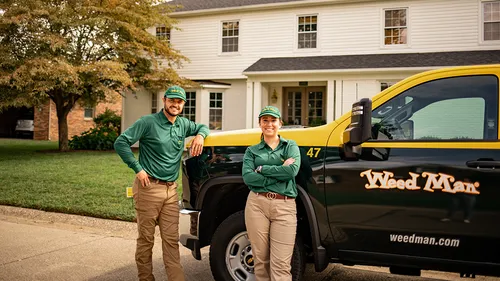
Weed Man Lawn Care is a lawn care company based in Omaha, NE. They provide comprehensive lawn services including fertilization, aeration, and weed control to help maintain healthy and lush lawns. Their team focuses on early detection of lawn issues and offers insect control to manage pests that affect turf health and outdoor enjoyment.
Understanding Nebraska's Lawn Environment
Successful lawn care in Nebraska starts with recognizing the local growing conditions. The state's climate, with its hot summers and cold winters, is ideally suited for cool-season grasses. The most common turfgrasses found in Nebraska lawns are Kentucky bluegrass and tall fescue, which thrive in the cooler temperatures of spring and fall 1 2 3. These grasses enter a period of slowed growth or dormancy during the peak summer heat, making timing for fertilization and weed control absolutely critical. Applying the wrong product at the wrong time can waste money, harm the environment, and even damage your lawn.
A foundational step for any lawn care program, whether DIY or professional, is a soil test. This simple analysis reveals your soil's pH and existing nutrient levels, allowing you to apply only the fertilizers your lawn truly needs 4 5. This prevents over-application, saves money, and protects local waterways from nutrient runoff.
The Annual Lawn Care Schedule for Nebraska
Following a seasonal schedule is the most effective way to achieve a thick, weed-resistant lawn. A typical program for a Nebraska residential lawn involves four to five targeted treatments throughout the year 6.
Early Spring (April/May): Crabgrass Prevention & Initial Feeding
This first treatment is a defensive play. When soil temperatures consistently reach 55°F (often when forsythia bushes bloom), it's time to apply a pre-emergent herbicide. This product creates a barrier in the soil that prevents crabgrass seeds from germinating. This application is often combined with a slow-release nitrogen fertilizer (at a rate of 0.75-1.0 lb of nitrogen per 1,000 sq ft) to give the lawn a gentle green-up boost as it exits dormancy. Many "Step 1" products from local suppliers combine these two functions into a single "weed and feed" application.
Late Spring/Early Summer (June): Sustained Nutrition & Weed Control
A second, lighter application of fertilizer helps sustain growth into early summer. This is also the ideal time for spot treatment of visible broadleaf weeds like dandelions and clover with a post-emergent herbicide. For lawns with persistent crabgrass pressure, a second application of a pre-emergent like dithiopyr may be recommended at this time.
Summer (Late June/July): Preventative Grub Control
While grass growth may slow, this is a crucial time for insect prevention. Applying a preventative grub control product containing ingredients like imidacloprid or chlorantraniliprole around the 4th of July targets white grub larvae before they can cause significant root damage, which often appears as brown, spongy patches in late summer.
Early Fall (September/October): The Most Important Feeding
Early fall is the cornerstone of Nebraska lawn care. Cool-season grasses experience a vigorous growth spurt in their root systems. Applying a balanced fertilizer during this period strengthens the lawn for winter survival and promotes a thicker turf for the following spring. This is also the most effective time for controlling perennial broadleaf weeds, as plants are actively moving nutrients down to their roots, carrying systemic herbicides with them 7.
Late Fall (October/November): The Winterizer
A final application of a quick-release nitrogen fertilizer in late fall, after the grass has stopped growing but before the ground freezes, provides nutrients for continued root development and ensures a quicker green-up when spring arrives.
Choosing the Right Products
Whether you manage your lawn yourself or want to understand what a professional might use, knowing common products is helpful.
Fertilizers: Look for products with an N-P-K ratio high in nitrogen, which is the key nutrient for leaf and stem growth. Ratios like 25-6-4 or 28-3-6 are common for synthetic blends. For organic options, products like Milorganite (6-4-0) provide a slow-release nitrogen source. Local suppliers like Nebraska Turf Products offer specific multi-step annual programs formulated for the region's conditions.
Weed Control:
- Crabgrass Preventers (Pre-emergent): Effective active ingredients include prodiamine and dithiopyr 8 9.
- Broadleaf Herbicides (Post-emergent): Look for products containing a combination of 2,4-D, MCPP, and dicamba for tackling common weeds 10. For tougher weeds like nutsedge, professional-grade products like Q4 Plus Herbicide are often used 11.
Grub Control: As mentioned, preventative insecticides containing imidacloprid are applied in mid-summer 12.
Find the perfect lawn treatment companies for your needs
Get personalized recommendations and expert advice
Professional Service vs. DIY Approach
Homeowners in Nebraska can choose between hiring a professional lawn care company or managing the process themselves. Each has distinct advantages.
Professional Lawn Care Services: Professionals bring expertise, consistent timing, and access to commercial-grade products. They handle the entire annual schedule, including monitoring for pest and disease issues. For a typical residential lawn, a basic annual fertilization and weed control program can range from approximately $300 to $600 per year 13. Individual services like aeration can cost between $150 and $750, depending on lawn size 14.
The DIY Route: A DIY approach offers more hands-on control and can be more budget-friendly. A complete 5 or 6-step annual product program for a 12,500 sq. ft. lawn typically costs between $200 and $230 for all seasonal products 15. Individual weed control concentrates or ready-to-use sprays generally range from $10 to $3016 17. Success with DIY requires a commitment to following the seasonal schedule accurately, properly calibrating spreaders and sprayers, and adhering to all product label instructions for safety and effectiveness.
Best Practices for a Healthy Lawn
Beyond products, cultural practices are vital for long-term lawn health and reducing weed pressure.
- Mowing High: Keep your mower blade sharp and set to a height of 3 to 4 inches. Taller grass shades the soil, reducing weed seed germination and promoting deeper roots.
- Proper Watering: Water deeply and infrequently, aiming for about 1 inch of water per week (including rainfall). Early morning watering is best to reduce evaporation and fungal disease 18.
- Core Aeration: Performing core aeration in the fall alleviates soil compaction, improves water and nutrient infiltration, and strengthens root systems.
- Smart Fertilizing: Always follow label rates. More fertilizer is not better and can pollute groundwater and surface water. The North Platte Natural Resources District and other local agencies provide guidelines for responsible fertilizing 19.
Frequently asked questions
Sources
Footnotes
-
Fertilizing Home Lawns - Turfgrass Science - https://turf.unl.edu/sites/unl.edu.ianr.agronomy-horticulture.turf/files/media/file/FertilizationHomeLawn2012f.pdf ↩
-
Year Round Lawn Care Schedule and Tips For Maintaining ... - https://scottsmiraclegro.com/en-us/learn/lawn-care/your-seasonal-guide-to-a-lush-lawn.html ↩
-
Cool-Season Grass Care Guide - https://golfcourselawn.store/blogs/diy-lawn-care/season-by-season-guide-to-cool-season-grass-care ↩
-
What is a Good Omaha Lawn Care Schedule? - https://antlercountry.com/what-is-a-good-lawn-care-schedule/ ↩
-
How Much Does Lawn Fertilization Cost in 2025? - https://www.lawnstarter.com/blog/cost/lawn-fertilization-price/ ↩
-
Step-By-Step Guide For A Perfect Lawn In Nebraska - Summit Lawns - https://www.summitlawnslincoln.com/blog/step-by-step-guide-for-a-perfect-lawn-in-nebraska ↩
-
9 Fall Lawn Care Tips for Nebraska - LawnStarter - https://www.lawnstarter.com/blog/nebraska/fall-lawn-care-tips-nebraska/ ↩
-
When to Fertilize Your Lawn in Nebraska - https://prioritylawnandlandscape.com/when-to-fertilize-your-lawn-in-nebraska/ ↩
-
Lawn Care in Eastern Nebraska - https://www.wasteline.org/wp-content/uploads/2018/05/lawncareeasternnebraska.pdf ↩
-
Broadleaf Weed Control in Home Lawns - Turfgrass Science - https://turf.unl.edu/sites/unl.edu.ianr.agronomy-horticulture.turf/files/media/file/Broadleaf-weed-control-home-lawns2011b.pdf ↩
-
Q4 Plus Herbicide | Nebraska Turf Products - https://nebraskaturf.com/q4-plus-quart/ ↩
-
Cool Season Lawn Calendar - Eastern Nebraska - https://turf.unl.edu/sites/unl.edu.ianr.agronomy-horticulture.turf/files/media/file/Eastern-NE-TurfCoolSeasonLawnCalendar-7-7-23.pdf ↩
-
How much does lawn care service cost? - Green Lawn Fertilizing - https://www.greenlawnfertilizing.com/blog/how-much-does-lawn-care-service-cost ↩
-
The Best Lawn Care Service You Ever Had - https://www.theturfplan.com/lawn-care-service ↩
-
BLACKLINE 5-Step Program | Nebraska Turf Products - https://nebraskaturf.com/blackline-5-step-program-buy-all-5-steps/ ↩
-
Nebraska Turf Products: Home - https://nebraskaturf.com/ ↩
-
Google's Shopping Data - https://blog.google/products/shopping/shopping-graph-explained/ ↩
-
Avoid "Set it and Forget it" With Turf Irrigation Systems | UNL Water | Nebraska - https://water.unl.edu/article/lawns-gardens-landscapes/avoid-set-it-and-forget-it-turf-irrigation-systems/ ↩
-
Fertilizing - North Platte Natural Resources District - https://www.npnrd.org/programs/best-management-practices/fertilizing.html ↩