Find the Best Lawn Treatment Companies for Your Business
No obligation • Fast responses • Nationwide coverage

Why you can trust Landscape Atlas
Landscape Atlas is a leading United States resource for evaluating landscaping, lawn care, and outdoor service providers. Our team researches each category in depth, focusing on service quality, safety, and customer experience. Listings and rankings are based on independent criteria and user feedback, and companies cannot pay to influence our assessments or recommendations.
Search providers near you
Top Lawn Treatment Companies in Omaha, Nebraska Ranked
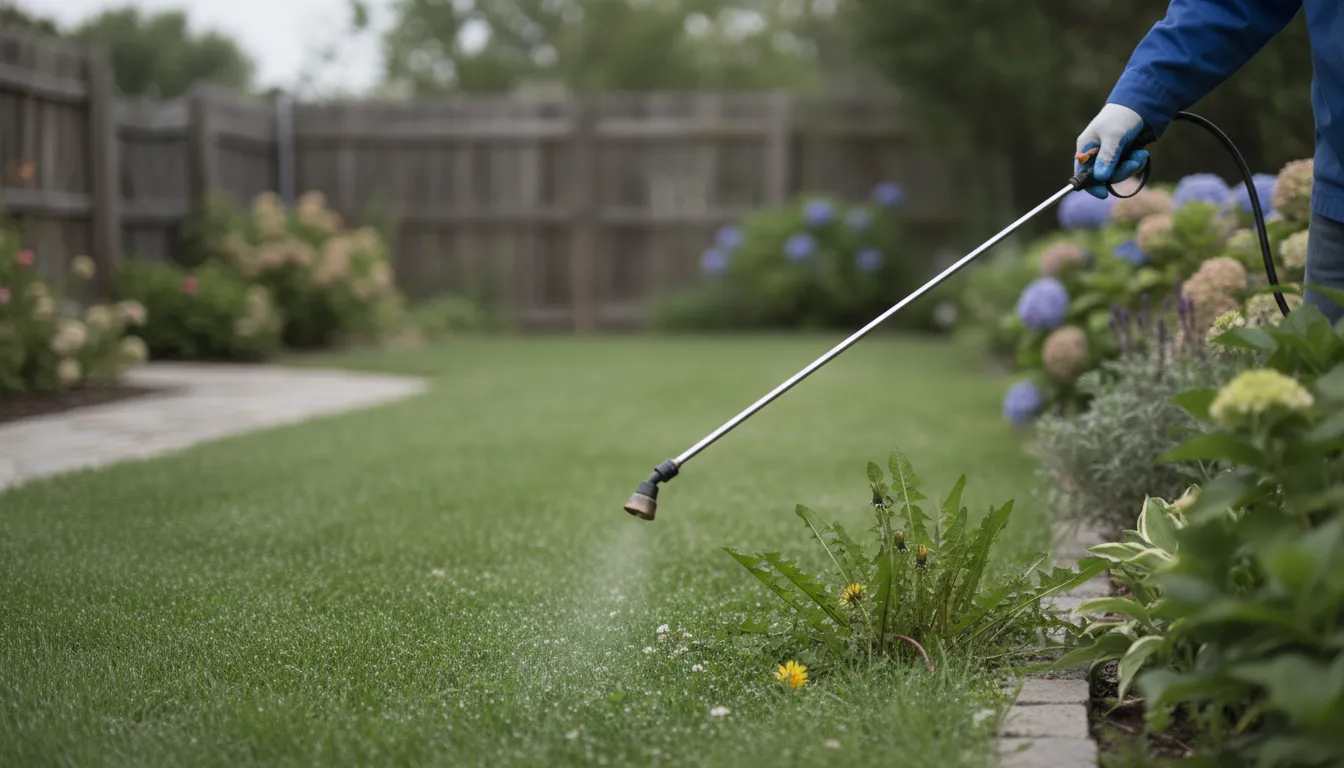
A healthy, vibrant lawn in Omaha requires more than just regular mowing; it demands a strategic approach to feeding and protecting your grass. Lawn fertilization and weed control are the cornerstones of effective turf management, providing essential nutrients to strengthen roots and suppress invasive plants that compete for resources. This guide explains the science and schedule behind professional lawn care in our region, helping you understand the services available to maintain a resilient and beautiful yard throughout Nebraska's distinct seasons.
Quality Irrigation
14792 Ray Sapp Dr, Omaha, NE 68138
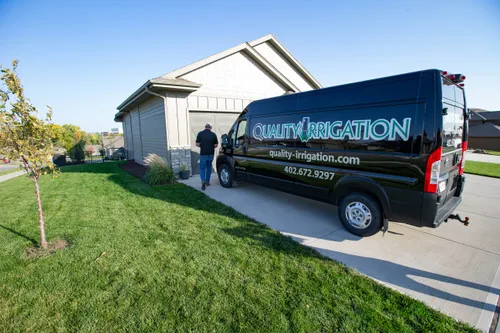
Quality Irrigation is a lawn care and irrigation service provider based in Omaha, NE. They offer lawn fertilization, weed control, sprinkler installation, and sprinkler repair services. Their irrigation memberships include regular maintenance and seasonal adjustments to keep systems efficient, while fertilization memberships provide year-round treatments for healthy, weed-free lawns. Quality Irrigation focuses on maintaining outdoor spaces with expert care and attention to detail.
SunCo
7929 Irvington Rd, Omaha, NE 68122
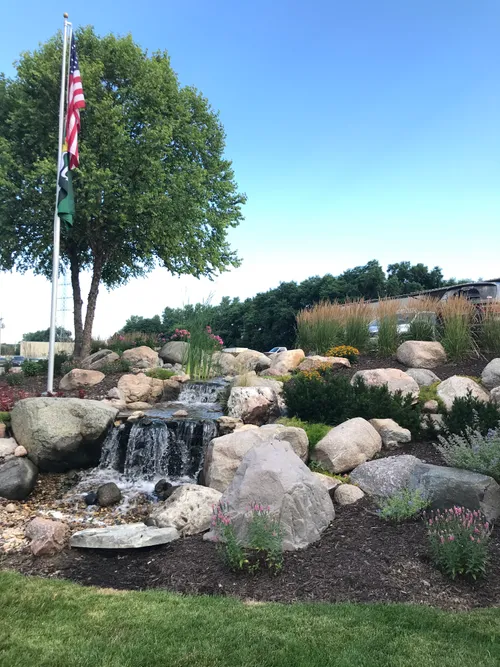
SunCo is a lawn care and landscaping company based in Omaha, NE, providing a wide range of services including lawn fertilization, weed control, tree care, sprinkler installation and repair, and pest management. Serving both residential and commercial clients, SunCo offers specialized programs such as organic lawn care and plant health treatments to maintain healthy, green lawns and landscapes. Established in 1991, SunCo has over 30 years of experience in the industry and is known for its comprehensive sprinkler system services and commitment to environmentally conscious practices.
Weed Man Lawn Care
729 N Frontier Dr, Papillion, NE 68046
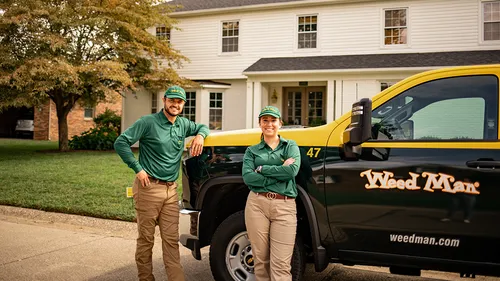
Weed Man Lawn Care is a lawn care company based in Omaha, NE. They provide comprehensive lawn services including fertilization, aeration, and weed control to help maintain healthy and lush lawns. Their team focuses on early detection of lawn issues and offers insect control to manage pests that affect turf health and outdoor enjoyment.
Bz Lawn Care
209 Wendover Dr, Council Bluffs, IA 51503
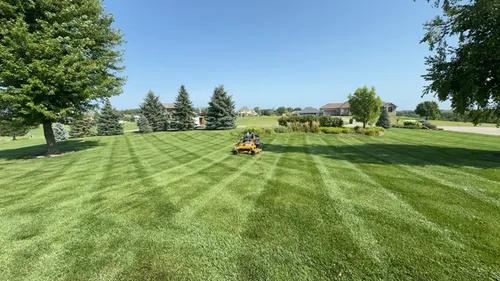
Bz Lawn Care provides lawn mowing, fertilization, weed control, and snow removal services in Omaha, NE, and surrounding communities. They offer a six-step fertilization program to promote healthy, green lawns and seasonal cleanups to prepare yards for changing weather. Their services include curbside pickup of yard waste and snow removal for both residential and commercial properties, focusing on safety and accessibility during winter months.
Omaha Organics
12729 N 96th St, Omaha, NE 68122
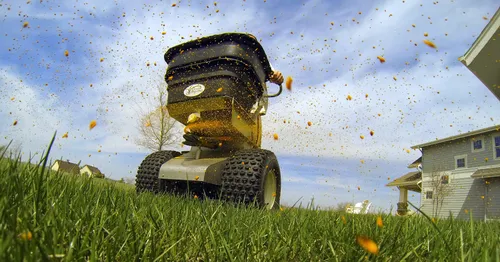
Omaha Organics is a lawn care company based in Omaha, NE, specializing in natural and organic lawn maintenance services. They offer lawn mowing, fertilization, weed control, and lawn renovations using safe, non-toxic products that are pet- and kid-friendly. Their services include precision corn gluten applications, natural mulch, and hydraulic aeration for deeper soil plugs. Omaha Organics serves Omaha and surrounding areas with a focus on environmentally safe lawn care.
Understanding Omaha's Lawn Environment
The success of any lawn nutrition and weed management program starts with understanding the local growing conditions. Omaha's climate features hot, humid summers and cold winters, which presents unique challenges for turfgrass. The city's soil composition can also vary, often leaning towards heavy clay, which affects drainage and nutrient availability.
The most common grass types in Omaha lawns are Tall Fescue and Kentucky Bluegrass. These cool-season grasses thrive with vigorous growth in the spring and fall but can struggle during the peak summer heat. This growth pattern directly dictates the optimal timing for feeding and weed prevention treatments. A one-size-fits-all approach rarely works, which is why local professionals emphasize programs tailored to the specific grass type, soil condition, and micro-climate of your property.
The Professional Lawn Care Calendar: A Seasonal Guide
Professional lawn care in Omaha is not a random event but a carefully timed series of applications designed to support the grass through its annual cycle. Most comprehensive programs consist of 5 to 6 seasonal visits, each with a specific goal.
Early Spring (March - April): The Green-Up
The first application of the year focuses on waking your lawn from winter dormancy. A balanced, slow-release nitrogen fertilizer encourages a lush, green flush of growth. This visit often coincides with the critical window for applying a pre-emergent herbicide, which forms a barrier in the soil to prevent crabgrass seeds from germinating as soil temperatures rise 1.
Late Spring (April - May): Balanced Feeding & Weed Control
As growth accelerates, a second application provides sustained nutrition. This often includes a mix of organic materials and slow-release synthetic fertilizers. If any broadleaf weeds like dandelions or clover have emerged, targeted post-emergent weed control is applied to eliminate them without harming the desirable grass.
Summer (June - July): Supporting Stress Resistance
Summer treatments shift focus from promoting top growth to bolstering the lawn's defenses. Fertilizers used in this period are formulated to enhance root development and improve the plant's ability to handle heat and drought stress. Soil conditioners and biostimulants may be added to improve microbial activity and nutrient uptake during this challenging season.
Late Summer (July - August): Proactive Pest Defense
This visit is dedicated to preventative grub control. Applying a product like imidacloprid (Merit) during this period targets grub larvae before they can cause significant root damage, which often appears as brown, spongy patches in the lawn that can be peeled back like sod 2.
Early Fall (August - September): Prime Recovery & Growth
Fall is the most important season for strengthening your lawn. A balanced fertilizer application promotes deep root growth and allows the grass to store carbohydrates for the winter. This recovery period after summer stress is crucial for building a thick, dense turf that can naturally crowd out weeds the following year.
Late Fall (October - November): The Winterizer
The final application of the year is the winterizer. This high-potassium fertilizer fortifies the grass roots for the freezing months ahead, enhancing cold tolerance and ensuring a healthier, quicker green-up the following spring. It's a vital step in the long-term health cycle of your lawn 3.
Find the perfect lawn treatment companies for your needs
Get personalized recommendations and expert advice
The Science Behind Effective Lawn Treatments
Modern lawn care is a blend of agronomy and environmental science. It's not just about spreading granules; it's about delivering the right materials at the right time for maximum benefit.
Customized Fertilization Strategies
Fertilizers are labeled with an NPK ratio, representing Nitrogen (for leaf and stem growth), Phosphorus (for root development), and Potassium (for overall plant health). Professionals select blends based on the season and a lawn's specific needs, increasingly incorporating slow-release nitrogen sources for a steady, safe feed that minimizes runoff risk. Many services also use organic amendments like humic acids or sea kelp to improve soil structure and foster a healthy ecosystem beneath the surface.
Targeted Weed Management
Weed control is a two-pronged strategy: prevention and elimination.
- Pre-Emergent Control: This is applied before weed seeds germinate, typically for crabgrass in spring and sometimes for winter annuals in fall. Timing is absolutely critical and is based on soil temperature, not the calendar 4.
- Post-Emergent Control: For weeds that have already sprouted, selective herbicides are used. These chemicals are designed to target specific plant structures (like broad leaves) while leaving grass blades unharmed. Professional-grade products are often more effective and longer-lasting than retail options 5 6.
Building Soil Health
The foundation of a great lawn is healthy soil. Beyond just fertilizer, many local lawn care programs include services or additives aimed at improving the soil itself. Core aeration (removing small plugs of soil) alleviates compaction, allowing air, water, and nutrients to reach the root zone. Power raking removes thatch, a layer of dead organic matter that can block water penetration. Adding soil biostimulants encourages beneficial microbial activity, which helps break down thatch and organic matter into usable nutrients for the grass 7 8.
Understanding Service Options and Investment
When seeking professional lawn feeding and weed management, you'll typically encounter service plans or individual treatments. A full-season program, encompassing the 6-step cycle described, provides the most consistent and proactive care.
Costs can vary based on lawn size, property accessibility, and the specific products used. Research indicates that in Omaha, individual treatment visits for an average-sized lawn often range from $45 to $75 per visit9. An annual contract for a comprehensive program typically falls between $700 and $1,2009. Some companies also offer individual services à la carte, such as a fertilization-only visit or a standalone grub control application.
Before starting any program, a reputable provider will often recommend or require a soil test 10. This analysis reveals your soil's pH and existing nutrient levels, allowing for a truly customized prescription that addresses deficiencies without over-applying products. It's a smart first step toward efficient and effective lawn care.
Partnering for a Healthier Lawn
Your role as a homeowner is crucial to the success of any professional lawn care program. Proper mowing (keeping grass at about 3-3.5 inches) and correct watering are essential. Deep, infrequent watering that encourages roots to grow downward is far better than daily light sprinklings. Aim for about 1 to 1.5 inches of water per week, including rainfall 11 12.
By combining professional expertise in nutrient and weed management with proper at-home maintenance, you can cultivate a lawn that is not only beautiful but also resilient against pests, disease, and Nebraska's weather extremes.
Frequently asked questions
Sources
Footnotes
-
The Best Time to Fertilize Your Lawn: Seasonal Tips - https://diypestcontrol.com/blog/the-best-time-to-fertilize-your-lawn-seasonal-tips.html ↩
-
Lawn Fertilization in Omaha: What Your Grass Needs for a ... - https://hhlawns.com/lawn-fertilization-in-omaha/ ↩
-
Fertilization Services in Omaha, Elkhorn, & Bennington, NE | Groundscapes, Inc. - https://www.groundscapes.com/fertilization ↩
-
Lawn Care in Eastern Nebraska - https://www.wasteline.org/wp-content/uploads/2018/05/lawncareeasternnebraska.pdf ↩
-
Fertilization & Weed Control - Whelans - https://whelansne.com/services/fertilization-weed-control/ ↩
-
Weed Control Services in Omaha, Elkhorn, Bennington, & Nearby ... - https://www.groundscapes.com/weed-control/ ↩
-
Omaha Lawn & Yard Care Companies - https://heartlandlawns.com/6-step-turf-wellness-program/ ↩
-
Omaha Lawn Fertilization & Weed Control Services - https://www.summitlawnsomaha.com/omaha-lawn-fertilization-and-weed-control ↩
-
Lawn Care in Omaha, NE | 6000+ 5-Star Reviews - https://www.getsunday.com/local-guide/lawn-care-in-omaha-ne ↩ ↩2
-
Omaha Grass Care Services | Lawn Fertilizer & Weed Control ... - https://heartlandlawns.com/lawn-treatment/ ↩
-
What is a Good Omaha Lawn Care Schedule? - https://antlercountry.com/what-is-a-good-lawn-care-schedule/ ↩
-
Nebraska Lawn Care Schedule: A Complete Guide for 2025 - https://prioritylawnandlandscape.com/nebraska-lawn-care-schedule/ ↩