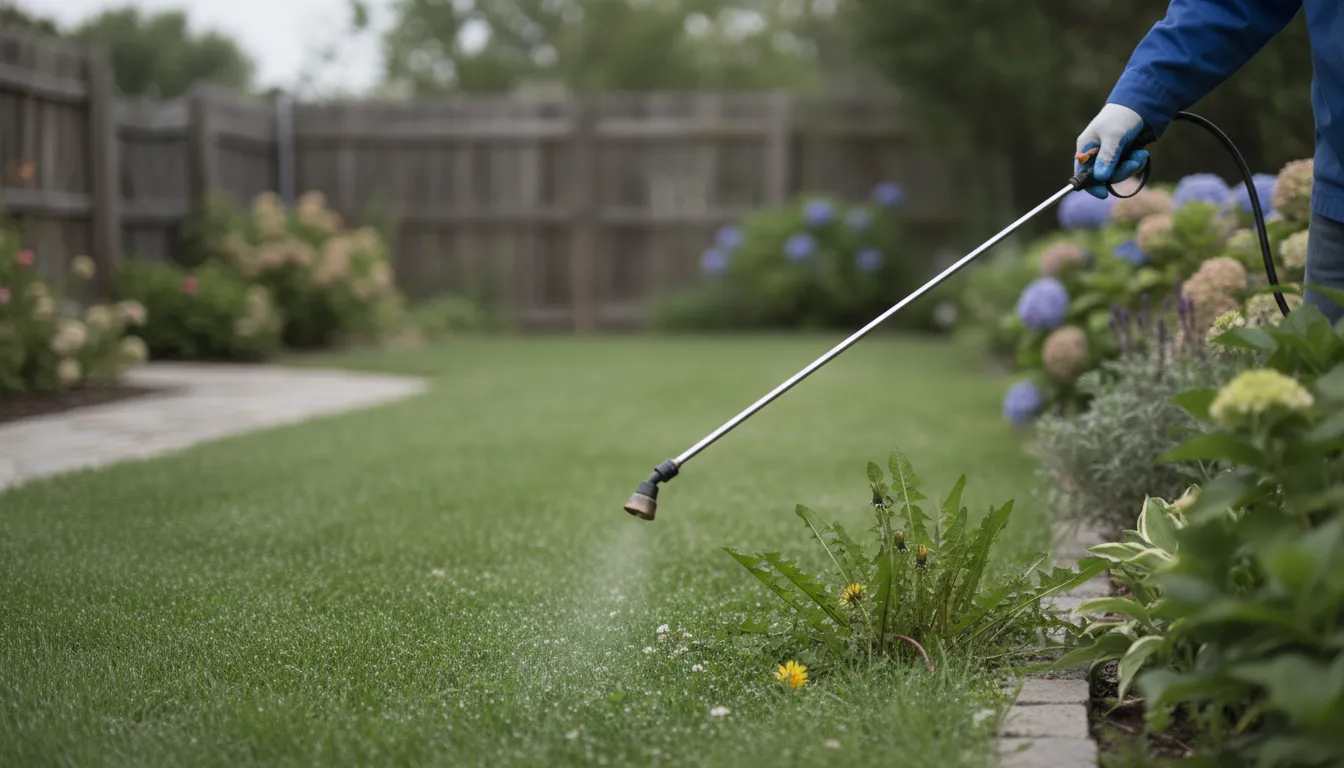
Find the Best Lawn Treatment Companies for Your Business
No obligation • Fast responses • Nationwide coverage

Why you can trust Landscape Atlas
Landscape Atlas is a leading United States resource for evaluating landscaping, lawn care, and outdoor service providers. Our team researches each category in depth, focusing on service quality, safety, and customer experience. Listings and rankings are based on independent criteria and user feedback, and companies cannot pay to influence our assessments or recommendations.
Search providers near you
Top Lawn Treatment Companies in Lincoln, Nebraska Ranked
Maintaining a lush, green, and weed-free lawn in Lincoln requires a tailored approach to fertilization and weed management. The city's climate, with its cold winters and hot, humid summers, presents unique challenges for cool-season grasses like Kentucky bluegrass and tall fescue. A proper lawn care program is essential for building a resilient turf that can withstand the seasons, crowd out invasive weeds, and enhance your property's curb appeal. This guide will help you understand the local best practices, seasonal schedules, and professional services available to achieve a healthy lawn.
Summit Lawns - Lincoln Lawn Care
5335 N 57th St Suite B, Lincoln, NE 68507
Summit Lawns - Lincoln Lawn Care provides a range of lawn care services in Lincoln, NE, including lawn mowing, fertilization, weed control, mulch installation, shrub trimming, aeration, leaf cleanup, and seasonal services like snow removal and Christmas light installation. The company emphasizes comprehensive lawn maintenance to keep lawns healthy and attractive throughout the year. With over 10 years in business, Summit Lawns has completed more than 75,000 services annually and offers a satisfaction guarantee to ensure customer contentment.
Yard Boss - Lincoln Lawn Care
2250 Production Dr unit 19, Roca, NE 68430
Yard Boss - Lincoln Lawn Care provides lawn fertilization, weed control, aeration, overseeding, and pest control services in Lincoln, NE, and nearby areas including Hickman, Seward, and Crete. They also offer landscape and holiday lighting installation, maintenance, takedown, and storage. Their 5-step fertilization and weed control program includes grub control applications, promoting healthy lawn growth and effective weed removal. Core aeration and overseeding services help improve lawn health and appearance. The company operates with licensed, uniformed crews and branded service trucks to serve local customers.
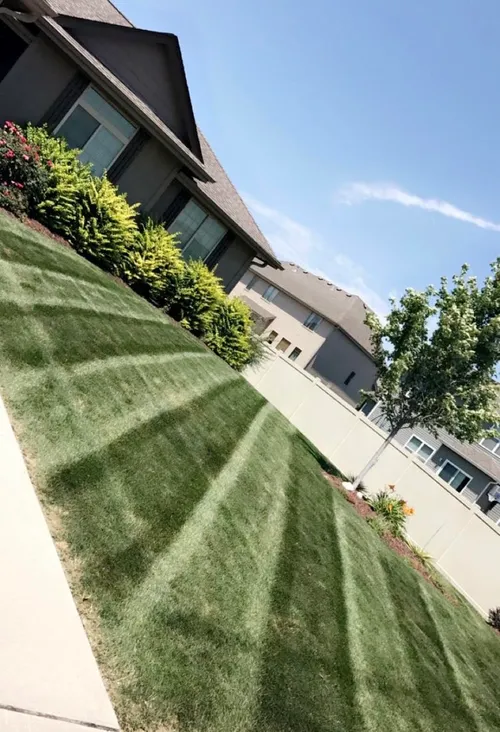
Black Label Property Services - Lincoln Lawn Care
5335 N 70th St Ste 6, Lincoln, NE 68507
Black Label Property Services - Lincoln Lawn Care provides residential and commercial lawn care services in Lincoln, NE. With 10 years of experience, they offer lawn mowing, aeration, fertilization, weed control, mulch installation, hedge and bush trimming, leaf cleanup, and snow removal. Their aeration service uses powerful equipment to maintain lawn health, and they also handle seasonal mulch application and snow clearing. The company began with snow removal and has expanded to comprehensive lawn care services.
SavATree
13611 Energy Way, Waverly, NE 68462
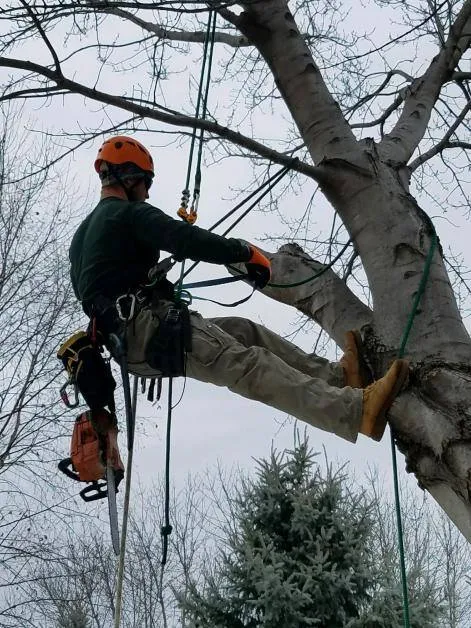
SavATree is a lawn care and tree service company serving Lincoln, NE, and surrounding communities. They offer a range of services including tree pruning, fertilization, insect and disease control, stump grinding, and lawn care programs tailored to local environmental conditions. Their certified arborists use advanced technology and science-based solutions to maintain the health and beauty of trees, shrubs, and lawns. Established through a partnership with Mr. Amoto Lawn & Tree Service, they bring over 37 years of experience to the Lincoln area. SavATree also provides emergency tree services when needed.
JB's Landscapes & Lawn Care
Lincoln, NE
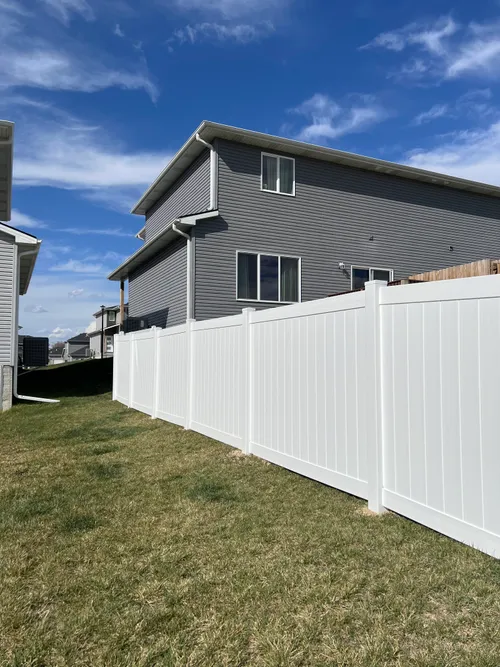
JB's Landscapes & Lawn Care is a landscaping and lawn care company based in Lincoln, NE. Serving the community since 2014, they offer a wide range of services including landscape design, lawn treatment and fertilization, mulch services, paver installation, retaining walls, fence installation, minor grading, and drainage solutions. Their capabilities include hardscaping elements such as paver installation and retaining walls, as well as lawn care and fertilization to maintain healthy outdoor spaces.
Understanding Lincoln's Lawn Environment
Successful lawn nutrition and weed prevention starts with understanding the local conditions. Lincoln falls within a transitional climate zone, which means it experiences the full brunt of both summer heat and winter cold. This stresses cool-season grasses, which thrive in spring and fall but can struggle in July and August 1. The predominant grass types are Kentucky bluegrass and tall fescue, each with specific needs.
- Kentucky Bluegrass: This is a very popular, hearty grass that creates a dense, attractive lawn. However, it requires more water and is particularly prone to heat stress during Lincoln's summers.
- Tall Fescue: An excellent choice for the region, tall fescue is more heat and drought-tolerant due to its deeper root system. It's a great option for areas with full sun 2.
- Buffalograss: For those seeking a low-maintenance, native option, buffalograss is a warm-season grass that is extremely drought-tolerant. It stays brown in winter and green in summer, requiring far less mowing and water 3 4.
Soil health is another critical factor. Compacted soil, common in many neighborhoods, prevents water, nutrients, and oxygen from reaching grass roots. This is why core aeration is a cornerstone of effective lawn care programs in the area.
The Professional Lawn Care Program: A Seasonal Blueprint
Most local lawn care providers structure their services around a multi-step annual program designed to address the lawn's needs at key points in the growing season. These programs typically consist of 5-6 visits, strategically timed from early spring to late fall 5.
Step 1: Early Spring (March-April)
The first application is crucial for setting up your lawn for success. As soil temperatures approach 55°F (usually in late March or April), a combination of fertilizer and pre-emergent herbicide is applied. The fertilizer provides a nutrient boost to encourage green-up and growth after winter dormancy. The pre-emergent creates a barrier in the soil to prevent crabgrass and foxtail seeds from germinating, stopping these annual weeds before they ever appear.
Step 2: Late Spring (May-June)
This visit reinforces the spring foundation. A second round of fertilizer supports continued growth, while another application of pre-emergent extends weed prevention. This is also the time for spot treatments of post-emergent herbicides to tackle visible broadleaf weeds like dandelions and clover that may have emerged 6 7.
Step 3: Summer (July-August)
Summer treatments are designed to support the lawn during heat stress. A slow-release fertilizer provides steady nutrition without promoting excessive growth that would demand more water. This visit often includes a preventative grub control application, targeting the larvae of Japanese beetles and other pests before they can damage your lawn's root system 8. It's important to note that the City of Lincoln encourages avoiding fertilizer during peak summer months to minimize nutrient runoff into waterways 9.
Step 4: Late Summer/Early Fall (August-September)
Early fall is arguably the most important season for lawn rehabilitation in Lincoln. This step frequently combines core aeration, overseeding, fertilization, and broadleaf weed control. Aeration relieves soil compaction, allowing your lawn to breathe. Overseeding introduces new grass plants to thicken the turf, which is the best natural defense against weeds. Fall fertilizer promotes strong root development, and cooler temperatures make herbicides more effective at killing perennial weeds like ground ivy.
Step 5: Late Fall (October-November)
The final application of the year is the "winterizer." This high-potassium fertilizer doesn't promote top growth but instead strengthens the grass plant's roots and crowns, providing essential nutrients that are stored for a healthier green-up the following spring 10 11.
Find the perfect lawn treatment companies for your needs
Get personalized recommendations and expert advice
DIY Lawn Care Tips for Lincoln Homeowners
If you prefer to manage your own lawn nutrition and weed control, following a Lincoln-specific schedule is key to success.
- Mowing High: Keep your mower blade set to 3-4 inches. Taller grass shades the soil, conserves moisture, discourages weed seeds from germinating, and encourages deeper, more drought-resistant roots 12 13.
- Optimal Aeration & Seeding Time: For cool-season grasses, the absolute best window for core aeration and overseeding is from late August to mid-September. The warm soil and cool air create perfect conditions for seed germination and root establishment before winter 14 15.
- Weed Control Timing: Apply pre-emergent herbicides in early spring (before soil hits 55°F) and again in late spring. For existing broadleaf weeds, early fall is the most effective time for treatment, as weeds are actively transporting nutrients down to their roots, carrying the herbicide with them 16 17.
- Watering Wisely: Deep, infrequent watering is better than daily sprinkling. Aim for about 1 inch of water per week, including rainfall, to encourage deep root growth.
Understanding Service Costs
The cost for professional lawn fertilization and weed control in Lincoln is primarily driven by the size of your lawn. Typical residential lots range from 4,000 to 8,000 square feet.
- Per-Application Cost: A single visit for fertilizer and weed control typically ranges from $50 to $150 for a standard-sized lawn.
- Annual Program Cost: A full 5-6 step annual program generally costs between $300 and $600 or more for the season, often providing a discount compared to purchasing services à la carte 18.
- À La Carte Services: Common add-ons or standalone services include core aeration ($100-$300) and grub control treatments ($50-$150) 19.
- DIY Costs: If you choose the DIY route, budget approximately $15-$40 per bag of quality fertilizer, plus an initial investment of $50-$150 for a reliable broadcast or drop spreader 20.
Choosing between professional service and DIY involves weighing the cost against the value of your time, the convenience of a guaranteed schedule, and the expertise that comes with professional-grade products and precise application.
Frequently asked questions
Sources
Footnotes
-
Turf Grass Care - Color Gardens - https://colorgardens.com/turf-grass-care/ ↩
-
Lawn Care Lincoln Ne - https://lincolntreeandgarden.com/lawn-care-in-lincoln-ne/ ↩
-
Best Grass Seed for Nebraska - Lawn Love - https://lawnlove.com/blog/best-grass-seed-nebraska/ ↩
-
Choosing grasses and buying seed for lawns in Nebraska and ... - https://turf.unl.edu/sites/unl.edu.ianr.agronomy-horticulture.turf/files/media/file/Chossing-Grassesforlawns2012k.pdf ↩
-
Lincoln Lawn Fertilization And Weed Control - Summit Lawns - https://www.summitlawnslincoln.com/lincoln-lawn-fertilization-and-weed-control ↩
-
5 Application Lawn Program - https://naturescapelawncare.com/us/services/lawncare/5app/ ↩
-
Lawn Care Program - https://www.superiorlawncareusa.com/commercial-services/lawn-care-program/ ↩
-
Why Urban Lawncare's 6-Step Lawn Treatment Program Is a Smart Investment for Property Managers - Urban Lawncare | Northeast Kansas Landscape and Lawn Company - https://urbanlawncarellc.com/guides/why-urban-lawncares-6-step-lawn-treatment-program-is-a-smart-investment-for-property-managers ↩
-
Lawn Care - City of Lincoln, NE - https://www.lincoln.ne.gov/City/Departments/LTU/Utilities/Watershed-Management/Home-and-Lawn/Lawn-Care ↩
-
Lawn Fertilizer | Lincoln, NE - Nebraska Sod Company - https://www.nebraskasod.com/lawn-fertilizer ↩
-
Seasonal Lawn Care Maintenance and Treatment Schedule - https://www.trugreen.com/lawn-care-101/blog/trugreen-lawn-care-services/lawn-maintenance-checklist ↩
-
Lawn Care in Lincoln, NE | 6000+ 5-Star Reviews - https://www.getsunday.com/local-guide/lawn-care-in-lincoln-ne ↩
-
Top Lawn Mowing Tips For Lawns in Lincoln, NE - https://www.summitlawnslincoln.com/blog/top-lawn-mowing-tips-for-lawns-in-lincoln-ne ↩
-
Step-By-Step Guide For A Perfect Lawn In Nebraska - Summit Lawns - https://www.summitlawnslincoln.com/blog/step-by-step-guide-for-a-perfect-lawn-in-nebraska ↩
-
When To Aerate Your Lawn In Lincoln, Nebraska - https://www.summitlawnslincoln.com/blog/when-to-aerate-your-lawn-in-lincoln-nebraska ↩
-
Top Spring Yard Care Tips For Lincoln, NE - Summit Lawns - https://www.summitlawnslincoln.com/blog/top-spring-yard-care-tips-for-lincoln-ne ↩
-
When to Apply Pre-Emergents in Spring & Fall - https://aggielandgreen.com/when-to-apply-pre-emergents-in-texas/ ↩
-
How Much Does Lawn Fertilization Cost in 2026? - LawnStarter - https://www.lawnstarter.com/blog/cost/lawn-fertilization-price/ ↩
-
How Much Does Lawn Care Cost? (2026) | Today's Homeowner - https://todayshomeowner.com/lawn-garden/cost/lawn-care-cost/ ↩
-
How much does it cost to fertilize a lawn? - HomeGuide - https://homeguide.com/costs/lawn-fertilizer-service-cost ↩