Find the Best Lawn Treatment Companies for Your Business
No obligation • Fast responses • Nationwide coverage

Why you can trust Landscape Atlas
Landscape Atlas is a leading United States resource for evaluating landscaping, lawn care, and outdoor service providers. Our team researches each category in depth, focusing on service quality, safety, and customer experience. Listings and rankings are based on independent criteria and user feedback, and companies cannot pay to influence our assessments or recommendations.
Search providers near you
Best Lawn Treatment Companies in Maine Ranked
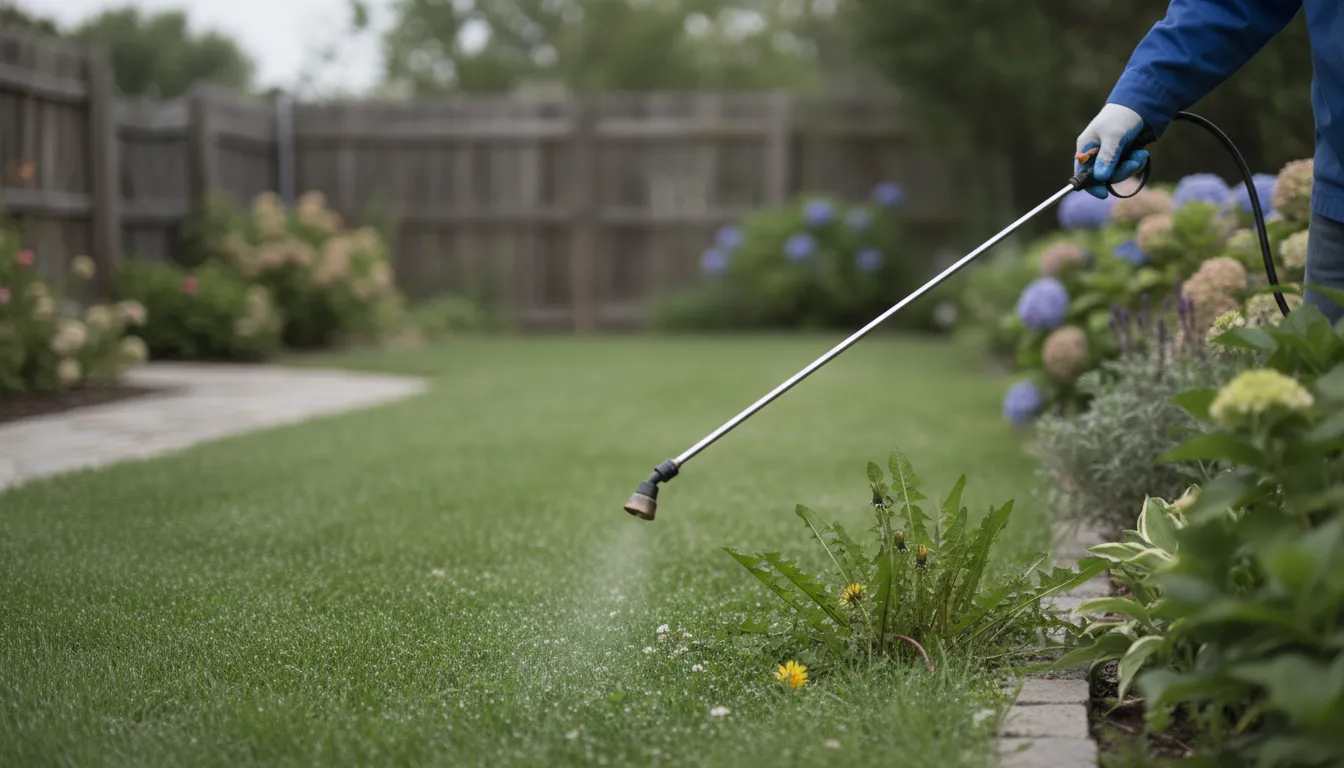
Maintaining a healthy, resilient lawn in Maine requires a specialized approach that respects the state's unique climate and environmental priorities. Effective lawn fertilization and weed management are not just about aesthetics; they are about building a robust turf that can withstand the seasons while protecting Maine's cherished waterways. This guide provides a clear, science-backed overview of best practices, timing, and product selection for Maine lawns, helping you understand the local approach and connect with professionals who can implement a tailored, low-impact program.
The Maine Philosophy: Low-Input Lawn Care
Maine's official guidance for residential lawns emphasizes a "low-input" strategy. This philosophy prioritizes soil health, proper mowing, and selective, well-timed interventions over frequent, heavy chemical applications. The goal is to cultivate a dense, competitive turf that naturally resists weeds and pests, thereby reducing the need for external inputs. This approach is not only cost-effective but also crucial for environmental stewardship, as it minimizes the risk of nutrient and herbicide runoff into lakes, rivers, and the ocean 1. A healthy lawn acts as a natural filter, and the low-input method ensures it remains an asset to the local ecosystem.
Why Timing is Everything in Maine
Maine's short growing season and harsh winters make application timing more critical than in warmer climates. Following the recommended schedule ensures treatments are effective and resources are used efficiently.
The Optimal Fertilization Schedule
University of Maine Cooperative Extension research strongly recommends a conservative fertilization approach, with the primary application in late summer or early fall (around Labor Day) 2. This timing is key because:
- Promotes Root Growth: Fall fertilization encourages deep root development, which helps the grass survive winter stress and green up vigorously in the spring.
- Builds Nutrient Reserves: The grass stores nutrients in its roots and crowns, providing a head start for the next growing season.
- Reduces Weed Competition: A thick, healthy lawn in the fall leaves little room for weeds like poa annua to establish.
A secondary, lighter application can be made in late spring (May), after the grass has fully greened up. This addresses any nutrient needs following winter and supports steady growth. The table below outlines a full-season schedule:
| Timing | Treatment Goal | Details and Best Practices |
|---|---|---|
| Late April/May (Spring) | Pre-emergent weed control & light fertilization | Apply pre-emergent herbicide when soil temperatures reach 50-55°F to prevent crabgrass. If fertilizing, use a light, slow-release product. |
| Late Summer/Early Fall | Primary fertilization | The single most important application for Maine lawns. Use a slow-release fertilizer to build root strength for winter. |
| September/October | Targeted broadleaf weed control | Spot-treat for persistent weeds like dandelions and clover as needed. Fall is an effective time as weeds are moving nutrients to their roots. |
Strategic Weed Control Timing
Weed management should be proactive and targeted:
- Pre-emergent Control: Targeting annual weeds like crabgrass is a timing game. Apply a pre-emergent herbicide in spring before soil temperatures consistently hit 55°F, creating a barrier that prevents weed seeds from germinating.
- Post-emergent Control: For existing perennial broadleaf weeds, fall is often the second-best time for treatment (spring being the first). Weeds are actively transporting nutrients to their roots, which helps carry systemic herbicides down to the root system for more effective control.
Selecting the Right Products for Maine Lawns
Choosing appropriate fertilizers and herbicides is essential for adhering to the low-input philosophy and achieving good results.
Fertilizer Recommendations
- Slow-Release Nitrogen: Look for fertilizers containing "water insoluble nitrogen" (WIN) or other controlled-release formulations. These feed the grass gradually over 6-10 weeks, preventing rapid flush growth and reducing nutrient leaching.
- Phosphorus-Free Formulas: Established Maine lawns rarely need additional phosphorus, which can contribute to water pollution. Select a fertilizer with a middle number (P) of "0," such as a 24-0-6 or 15-0-10 blend, unless a soil test specifically indicates a deficiency 3.
- Avoid "Weed and Feed": Maine officials advise against combination "weed and feed" products 4. The application rate for the herbicide often forces you to over-apply fertilizer, which is wasteful and environmentally unsound. It's better to apply fertilizer and weed control separately, as needed.
Weed Control Options
- Pre-emergent Herbicides: Effective conventional active ingredients include dithiopyr or prodiamine. For an organic approach, corn gluten meal is a popular natural pre-emergent that also contains some nitrogen 5.
- Post-emergent Herbicides: For broadleaf weeds, liquid formulations allow for precise spot-treatment, minimizing chemical use. Look for products containing ingredients like 2,4-D, dicamba, or quinclorac, always following label instructions carefully.
Find the perfect lawn treatment companies for your needs
Get personalized recommendations and expert advice
Foundational Practices: Beyond Fertilizer and Weed Killer
The most effective weed and feed program starts with core lawn care practices that reduce the need for interventions.
- Conduct a Soil Test: Before applying anything, get a soil test through the University of Maine Cooperative Extension. This free or low-cost service provides precise recommendations for lime and fertilizer, taking the guesswork out of your program 6.
- Mow High and Mulch: Keep your mower blade sharp and set to a height of 3 to 4 inches. Taller grass shades the soil, cooling roots and preventing weed seeds from germinating. Using a mulching mower returns grass clippings, which can recycle up to 25% of your lawn's nutrient needs back into the soil 7 8.
- Core Aeration: Compacted soil prevents water, air, and nutrients from reaching grass roots. Annual or biennial core aeration alleviates compaction and improves the effectiveness of your fertilization program.
- Water Deeply and Infrequently: When watering is necessary, provide about 1 inch of water per week, all at once, to encourage deep root growth. Early morning watering reduces evaporation and fungal disease risk.
Understanding Professional Service Costs in Maine
For many homeowners, hiring a professional ensures the correct timing, products, and application methods are used. Costs in Maine vary based on lawn size, property terrain, and the specific services required.
Professional lawn care pricing is typically structured in two ways: per application for specific services or as a bundled seasonal plan. Bundled plans often provide better value for ongoing maintenance.
| Service | Average Cost (Per Visit/Application) |
|---|---|
| Lawn Mowing | $40 - $80 |
| Fertilization | $40 - $60 |
| Weed Control | $60 - $120 |
| Aeration | $75 - $200 |
Typical Bundled Plan Costs:
- Per month for basic care (e.g., mowing, fertilization): $100 - $410
- Per year for a full program (e.g., 4-6 visits including fertilization, weed control, aeration): $1,000 - $2,400 9 10
Investing in professional care can translate to a healthier lawn with fewer inputs over time, aligning perfectly with Maine's low-input ideals.
Frequently asked questions
Sources
Footnotes
-
Fertilizing Lawns- YardScaping.org - Maine DACF - https://www.maine.gov/dacf/php/pesticides/yardscaping/lawn/fertilization.shtml ↩
-
Six Steps to Healthy a Lawn - Yardscaping.org - Maine DACF - https://www.maine.gov/dacf/php/pesticides/yardscaping/lawn/six-steps-healthy-lawn.shtml ↩
-
Weed & Feed Lawn Fertilizer Products | DoMyOwn.com - https://www.domyown.com/weed-feed-c-59_188_410.html ↩
-
Bulletin #2243, Maintaining a Home Lawn in Maine - https://extension.umaine.edu/publications/2243e/ ↩
-
Month-to-Month Lawn Care Guide for Maine Homeowners - https://www.lawnstarter.com/blog/maine/lawn-care-guide-me/ ↩
-
Bulletin #2154, Fertilizing a Home Lawn in Maine - https://extension.umaine.edu/publications/2154e/ ↩
-
Lawn Management for Master Gardeners - Maine.gov - https://www.maine.gov/dacf/php/pesticides/documents2/master%20gardeners/Turf%20Care%20Basics.pdf ↩
-
Bulletin #2243, Maintaining a Home Lawn in Maine - https://extension.umaine.edu/publications/2243e/ ↩
-
How Much Does Lawn Care Cost in 2026? - LawnStarter - https://www.lawnstarter.com/blog/cost/lawn-care-price/ ↩
-
Lawn Care Pricing Chart: Your Guide to Fair Lawn Service Costs - https://invoicefly.com/academy/lawn-care-pricing-chart/ ↩