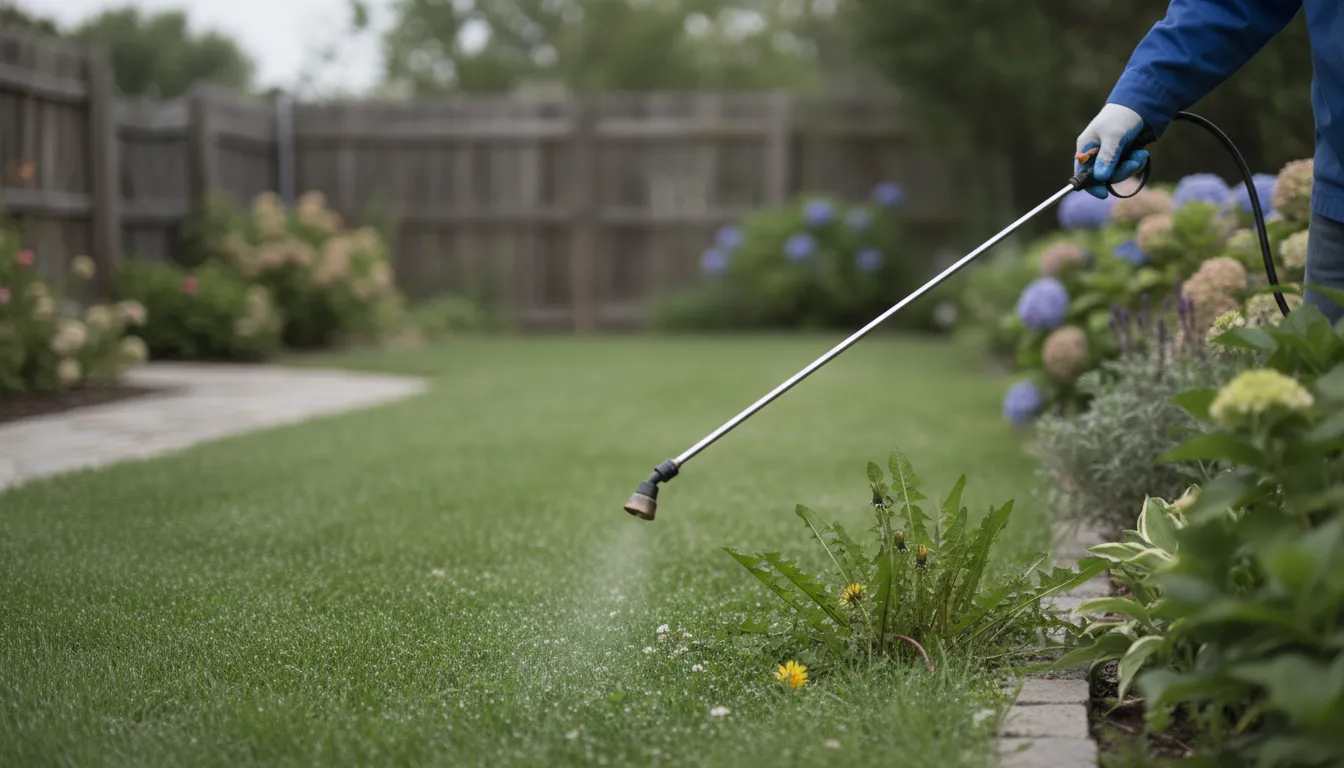
Find the Best Lawn Treatment Companies for Your Business
No obligation • Fast responses • Nationwide coverage

Why you can trust Landscape Atlas
Landscape Atlas is a leading United States resource for evaluating landscaping, lawn care, and outdoor service providers. Our team researches each category in depth, focusing on service quality, safety, and customer experience. Listings and rankings are based on independent criteria and user feedback, and companies cannot pay to influence our assessments or recommendations.
Search providers near you
Best Lawn Treatment Companies in Connecticut Ranked
A healthy, vibrant lawn requires a consistent, science-based approach to fertilization and weed management. In Connecticut's climate, this means understanding the specific needs of cool-season grasses and timing treatments to match their natural growth cycles. Professional lawn fertilization and weed control services provide tailored programs that address soil health, nutrient balance, and proactive weed prevention, saving you time and ensuring better results. This guide outlines the key considerations for Connecticut lawns and how to connect with local experts who can develop an effective plan for your property.
Understanding Connecticut's Lawn Environment
Connecticut lawns are predominantly composed of cool-season grasses like Kentucky bluegrass, fine fescue, perennial ryegrass, and tall fescue. These grasses thrive in the cooler temperatures of spring and fall, entering a period of slowed growth or dormancy during the summer heat. This growth pattern dictates the entire annual care schedule, making timing as critical as the products used. A successful program works with these cycles, strengthening the grass when it's actively growing and protecting it during periods of stress.
The state's variable weather, from cold winters to humid summers, also creates ideal conditions for common lawn weeds. Crabgrass, dandelions, ground ivy, and clover can quickly invade thin or stressed turf. Effective management combines cultural practices-like proper mowing and watering-with precisely timed chemical or organic interventions to keep weeds at bay while nurturing dense, competitive grass.
The Professional Service Approach
Many homeowners opt for professional lawn care programs, which bundle fertilization and weed control into a seasonal schedule of visits. These programs are designed to be comprehensive and hands-off for the homeowner. A typical professional program in Connecticut includes 4 to 6 treatments per year, with a strong emphasis on fall applications.
A technician will assess your lawn's size, grass type, sun exposure, and existing issues (like weed pressure or soil compaction) to create a custom plan. The major advantage is expertise: professionals can accurately identify weeds, diagnose problems, and apply the right products at the correct rate and time. They also handle the equipment, storage, and safe application of materials.
What to Expect from a Program
- Seasonal Visits: Treatments are scheduled around key growth periods (early spring, late spring, summer, early fall, late fall).
- Combined Applications: Most visits include both fertilizer and targeted weed control, addressing multiple needs at once.
- Monitoring: Professionals track your lawn's progress and can adjust the plan if new issues arise.
- Additional Services: Many companies offer add-ons like aeration, overseeding, grub control, or lime applications.
Annual Lawn Care Schedule for Connecticut
Adhering to a seasonal schedule is the cornerstone of effective lawn health. The following timeline aligns treatments with the biological needs of cool-season grasses in Connecticut.
Early Spring (March - Mid-April)
The goal in early spring is to encourage gentle green-up and stop weeds before they start.
- Cleanup: Remove winter debris, matted leaves, and branches to allow light and air to reach the soil.
- Pre-Emergent Weed Control: This is the critical window for applying a crabgrass pre-emergent. Timing is based on soil temperature-application should occur when soil consistently reaches 55°F, which often coincides with the blooming of forsythia bushes.
- Fertilization: A light, slow-release nitrogen application may be beneficial, but it's best guided by a soil test. Avoid heavy feeding that promotes excessive top growth at the expense of roots.
Late Spring (Mid-April - May)
As soil temperatures warm, grass growth accelerates, and broadleaf weeds become active.
- Broadleaf Weed Control: Target visible weeds like dandelions and ground ivy with post-emergent herbicides. Spot-treating problem areas is often more effective and environmentally sound than blanket applications.
- Grub Control: If you have a history of grub damage, preventive treatments are applied in late spring to early summer.
- Mowing: Begin mowing regularly, keeping blades sharp and never removing more than one-third of the grass blade height at a time.
Summer (June - August)
Summer is a period of maintenance and stress management. The focus shifts from aggressive feeding to preservation.
- Watering: Deep, infrequent watering is key. Aim for 1 to 1.5 inches of water per week, including rainfall, applied in one or two sessions to encourage deep root growth.
- Fertilization Pause: Avoid high-nitrogen fertilizers during peak summer heat to prevent burning the grass and stimulating growth when the plant is under stress.
- Weed Monitoring: Spot-treat any summer annual weeds that appear. Raising your mower height can help shade the soil, conserving moisture and suppressing weed seed germination.
Find the perfect lawn treatment companies for your needs
Get personalized recommendations and expert advice
Early Fall (September - Mid-October)
This is the most important season for lawn care in Connecticut. Cool temperatures and morning dew create perfect conditions for grass recovery and growth.
- Core Fertilization: Apply a high-quality, slow-release nitrogen fertilizer. This feeding strengthens roots and promotes dense turf, helping the lawn recover from summer stress and store energy for winter.
- Aeration & Overseeding: Early fall is the ideal time for core aeration (to relieve compaction) and overseeding (to fill in bare spots and introduce improved grass varieties). These practices are highly synergistic with fertilization.
- Pre-Emergent for Winter Weeds: A fall application of pre-emergent can prevent weeds like henbit and chickweed.
Late Fall (Late October - November)
The final treatment prepares the lawn for winter dormancy and ensures a strong start next spring.
- Winterizer Fertilization: Apply a final "winterizer" fertilizer. This product is typically higher in potassium, which promotes root development, disease resistance, and cold hardiness, helping the grass survive the winter.
- Leaf Management: Continue to remove or mulch fallen leaves promptly. A thick layer of leaves can smother grass, create disease habitats, and delay spring green-up.
- Final Mowing: Give the lawn a final cut, slightly lower than the summer height, to prevent matted grass under snow.
Products and Recommendations
Choosing the right products depends on your lawn's specific needs, which are best identified through a soil test.
Fertilizers
For cool-season grasses, the fall application is paramount. Look for granular fertilizers with a high first number (Nitrogen) in a slow-release form.
- Example N-P-K Ratio: A product labeled 25-0-6 provides 25% nitrogen, 0% phosphorus, and 6% potassium.
- Phosphorus Restriction: Connecticut state law restricts the use of phosphorus (P) on established lawns unless a soil test confirms a deficiency 1. This helps protect local waterways from nutrient runoff.
Weed Control
- Pre-Emergent Herbicides: Used in early spring and fall. Common active ingredients include prodiamine or dithiopyr, which create a barrier in the soil to stop weed seeds from sprouting.
- Post-Emergent Herbicides: For weeds that are already growing. Selective herbicides containing ingredients like 2,4-D, dicamba, or triclopyr are effective against broadleaf weeds without harming grass.
- Organic Options: Corn gluten meal is a natural pre-emergent weed suppressant and a source of nitrogen, applied in early spring. It requires precise timing and may take a couple of seasons to show full effect.
Understanding Service Costs
Professional lawn care pricing is not one-size-fits-all. It varies based on your lawn's square footage, accessibility, slope, and the complexity of the services provided. Most companies provide free estimates.
Here is a general overview of estimated costs for common services in Connecticut:
| Service | Estimated Cost Per Treatment/Visit | Estimated Annual Cost |
|---|---|---|
| Fertilization & Weed Control (Basic Program) | $50 - $200 | $300 - $800+ (for 4-6 visits) 2 3 4 5 |
| Core Aeration & Overseeding | $100 - $300 | $150 - $750 (as a standalone annual service) |
| Grub & Insect Control | $75 - $250 | $390 - $680 (for a seasonal program) |
Note: These are average ranges. The best way to get an accurate price is to request an on-site estimate from a local provider. Many companies offer bundled discounts when you combine services like fertilization, weed control, and aeration into a single annual contract.
The Value of a Soil Test
Before starting any new lawn care regimen, consider a soil test. The UConn Soil Testing Lab provides this service for a small fee 6. A test report will tell you:
- Soil pH: Whether you need to add lime (to raise pH in acidic soils) or sulfur (to lower pH).
- Nutrient Levels: Precise levels of phosphorus, potassium, and other micronutrients, so you can apply only what your lawn lacks.
- Organic Matter Content: An indicator of soil health and water retention capacity.
Using this data, you or your lawn care professional can create a truly customized plan that addresses your soil's unique characteristics, leading to a healthier lawn with less guesswork and potentially lower long-term costs.
Frequently asked questions
Sources
Footnotes
-
Month-by-Month Connecticut Lawn Care Schedule - Lawn Love - https://lawnlove.com/blog/connecticut-lawn-care-schedule/ ↩
-
Connecticut Lawn Care Schedule For a Healthy Lawn Year ... - https://www.lawnstarter.com/blog/connecticut/connecticut-lawn-care-schedule/ ↩
-
Lawn Care Schedule For Cool Season Grasses - https://www.domyown.com/lawn-care-schedule-for-cool-season-grasses-a-539.html ↩
-
How much does lawn care service cost? - https://www.greenlawnfertilizing.com/blog/how-much-does-lawn-care-service-cost ↩
-
How Much Does Lawn Doctor Cost? (2026) - HomeGuide - https://homeguide.com/costs/lawn-doctor-cost ↩
-
Organic Lawn Care Calendar--Quick Reference - CT.gov - https://portal.ct.gov/-/media/deep/p2/individual/organiclawncarecalendarpdf.pdf ↩